
Film
Satyricon
- Comedy
- Strange
Fellini's acid-trip odyssey through Nero's Rome, fragmentary and dreamlike rather than narrative. A man wanders through grotesque, sumptuous, utterly alien scenes—orgies, shipwrecks, banquets—searching for his lost lover. Visually overwhelming, intellectually slippery, designed to disorient. For those ready to surrender to strangeness rather than follow a plot.
Should you watch it?
Watch it if you love episodic, dreamlike storytelling where images and tableaux matter more than plot, and you enjoy Fellini's baroque, carnivalesque excess and wandering through a decadent world.
Skip it if you want a clear narrative spine or steady momentum, since the film drifts from one strange vignette to the next and some scenes will feel like they go nowhere for a long stretch.
What it asks of you: Just over two hours of deliberate, often languid pacing, with long static shots and a loose structure that asks you to surrender to mood rather than follow a tidy throughline.
Not sure? Find tonight's pick in a minute.
If you liked this
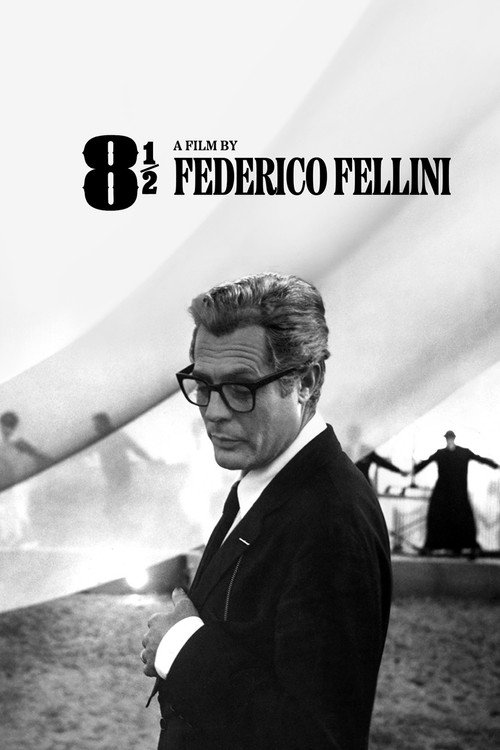
8½1963
Fellini's masterwork about a director's creative crisis and his hallucinatory visions. Same dazzling visual language, same playful chaos, but with an accessible emotional core. The gateway to his maximalist sensibility.
But It's nearly two and a half hours of circles within circles. Some find it self-indulgent rather than enlightening, and the pacing rewards patience you might not have.
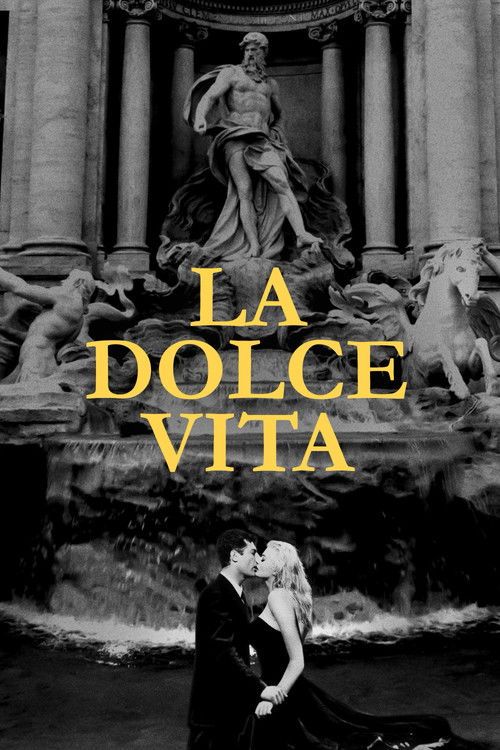
La Dolce Vita1960
Fellini's glamorous, seductive portrait of Rome at night—nightclubs, scandal sheets, decadence. Gorgeous and accessible, with a similar taste for tableaux and the grotesque made beautiful. This is Satyricon's more welcoming cousin.
But It sprawls deliberately and has no real ending. Modern audiences often find its fascination with gossip and surfaces dated or shallow.
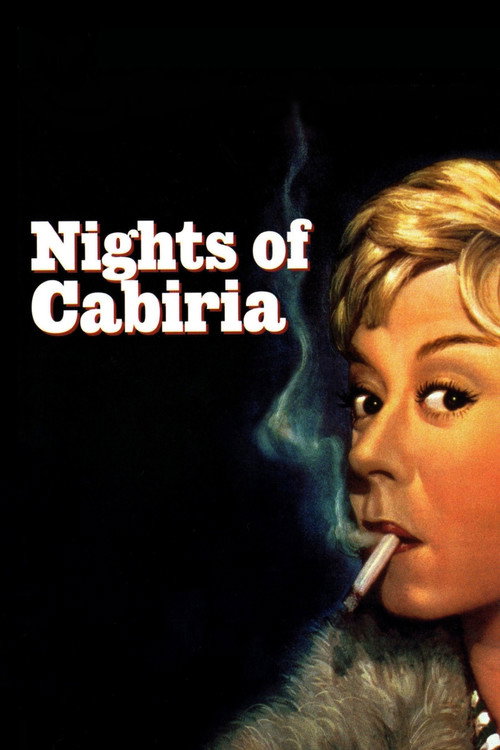
Nights of Cabiria1957
Fellini following a prostitute through Rome's underworld with tenderness and dark humour. Surreal moments puncture realism; the style is mannered but the emotion is genuine. A perfect stepping stone.
But The central character's vulnerability and exploitation might overshadow its formal inventiveness for some viewers.
Not sure tonight? Get a pick in a minute, starting from Satyricon
The wildcard
Something you would not have found on your own.
Mulholland Drive2001
Both are odysseys where the hero's initial goal becomes irrelevant because they are lost in a labyrinth of desire and transformation. Both ask: what happens when narrative dissolves?
Lynch's fractured Los Angeles noir—a woman loses herself across shifting identities and impossible timelines. Dreamlike and cruel, visually ravishing, formally disorienting. That same refusal to cohere, that same surrender required.
But It's deliberately constructed to frustrate interpretation. Many viewers feel trapped or resentful rather than moved.

More like this (6)
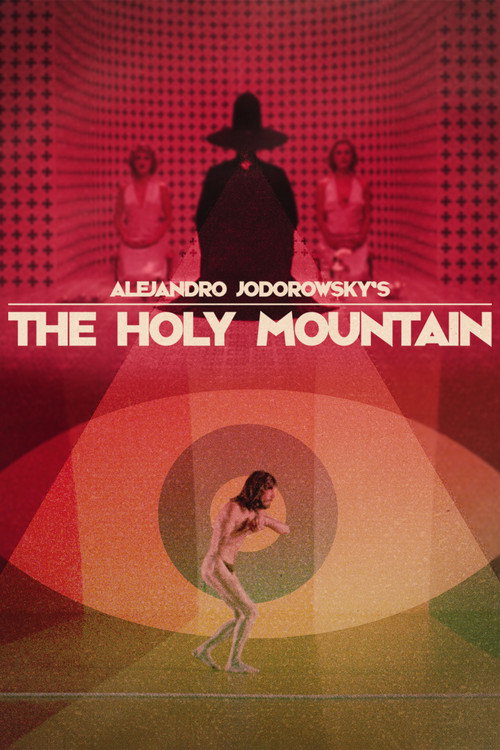
The Holy Mountain1973
Jodorowsky's even more unhinged mystical odyssey. Surreal, grotesque, unapologetically weird, with that same logic-defying dream progression and visual excess. If Satyricon intrigued you, this doubles down.
But It's deliberately offensive, symbolically impenetrable, and has almost no narrative. Some see genius; others see indulgence without purpose.
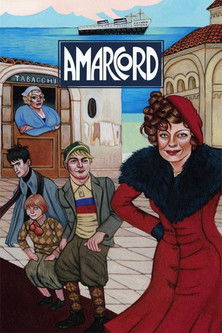
Amarcord1973
Fellini's memory-piece about fascist Italy, shaping episodes into a riotous tapestry rather than plot. Bawdier, warmer, and more grounded than Satyricon, but cut from the same cloth of visual abundance and stylized grotesquerie.
But It's still digressive and non-linear. If you want a story that resolves, this is not your film.
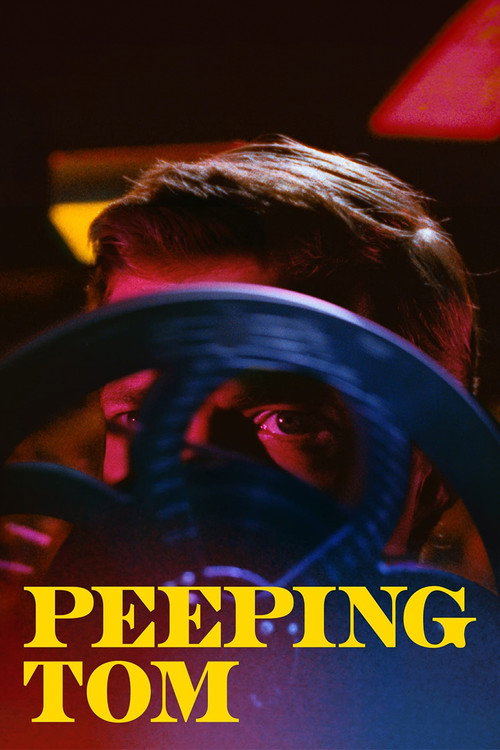
Peeping Tom1960
Powell's deeply unsettling exploration of voyeurism and cinema itself. Like Satyricon, it's disorienting and formally daring, turning its audience complicit. Challenging but magnetic and ultimately profound.
But It's bleak, morally queasy, and deliberately implicates you. Not a comfortable evening, and very different in register from Satyricon's camp.
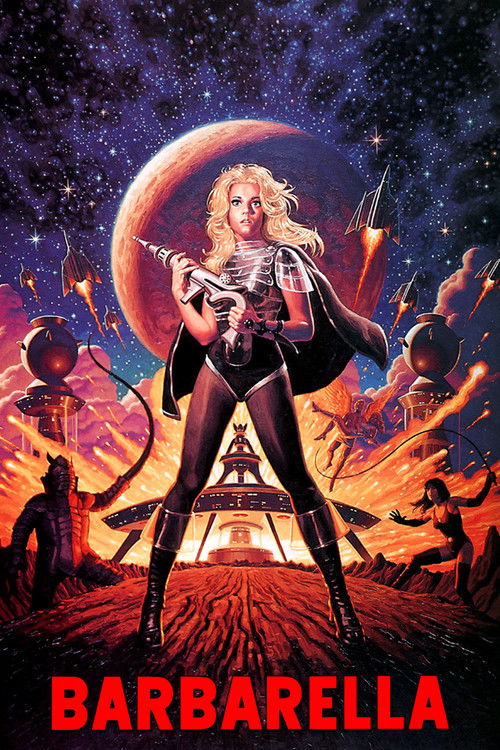
Barbarella1968
Vadim's campy sci-fi romp—absurdist, technicolour-saturated, unapologetically trashy. Same year as Satyricon, same refusal of naturalism, same go-for-broke visual excess and sexual frankness.
But It plays its absurdity for laughs while Satyricon is more aloof about its strangeness. If you want art-house provocation, this might feel too much like a party.
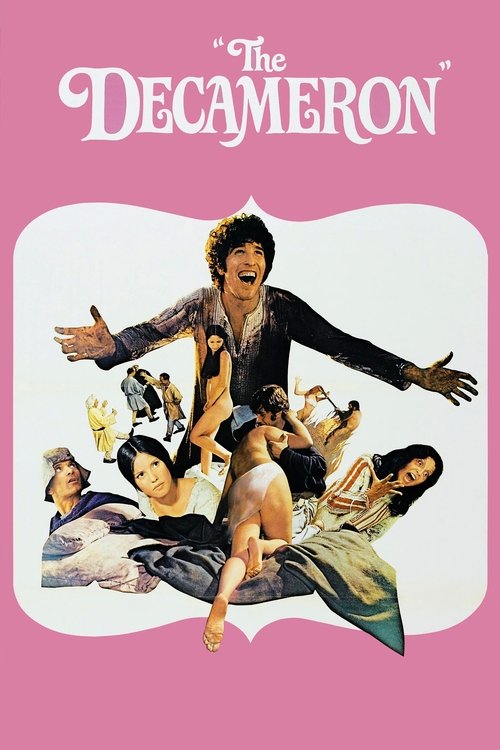
The Decameron1971
Pasolini's bawdy, digressive adaptation of Boccaccio—erotic, surreal, structured as overlapping tales set in plague-ravaged Italy. Similar appetite for the carnal and episodic; rowdier and more politically pointed than Satyricon.
But Sexually explicit even for 1971. The politics can feel muddled, and the repetitive structure exhausts some viewers.
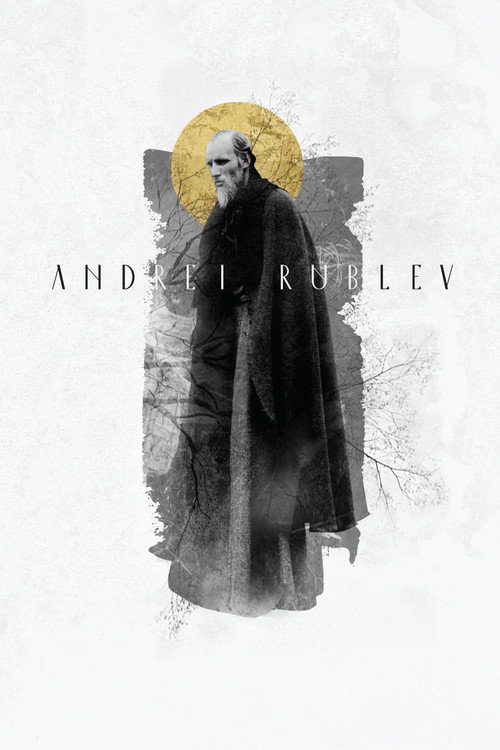
Andrei Rublev1966
Tarkovsky's immense meditation on faith and artistic suffering across medieval Russia. Like Satyricon, it's a fragmentary journey through a disintegrating society. Slow, hypnotic, and utterly committed to its own strangeness.
But It's three and a half hours of contemplative, sparse cinema. If you found Satyricon opaque, this requires even more surrender.
People
Cast
 Martin PotterEncolpio
 Hiram KellerAscilto
- Max BornGitone
 Salvo RandoneEumolpo
- Mario RomagnoliTrimalcione
 Magali NoëlFortunata
 CapucineTrifena
 FanfullaVernacchio
 Gordon MitchellIl predone
 George EastmanMinotauro
 Carlo GiordanaIl capitano
 Donyale LunaEnotea
Directing
- Federico FelliniDirector
- Maurizio MeinFirst Assistant Director
- Norma GiaccheroScript Supervisor
- Lia ConsalvoSecond Assistant Director
- Liliana BettiSecond Assistant Director
Writing
- Brunello RondiCo-Writer
- PetroniusNovel
- Bernardino ZapponiScreenplay
- Federico FelliniScreenplay
- Bernardino ZapponiStory
- Federico FelliniStory
Production
- Enzo ProvenzaleLine Producer
- Alberto GrimaldiProducer
- Roberto CoccoProduction Manager
- Lamberto PippiaUnit Manager
Recommended by
Gladiator II, Farinelli, The Decameron, Kika, Scott Walker: 30 Century Man, Dido and Aeneas, Alex in Wonderland