
Film
Ek-Hi-Rasta
A 1956 Indian melodrama about a widow forced into remarriage after her husband's death, navigating impossible choices between love, duty, and survival. It's emotionally direct, unafraid of tears, built on the conviction that some moral conflicts have no easy answers. For anyone drawn to classical Hollywood weepies or interested in how Hindi cinema handled women's agency and constraint.
If you liked this
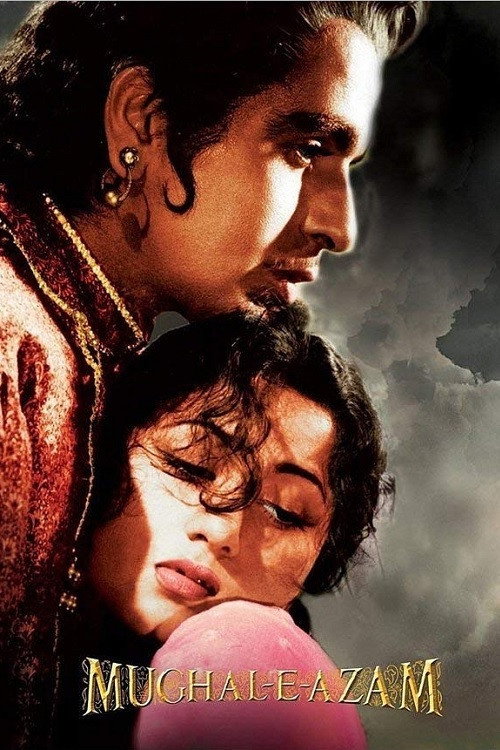
Mughal-e-Azam1960
A sprawling historical romance with the same emotional intensity and moral seriousness as Ek-Hi-Rasta, plus spectacular sets and music. It's the summit of classic Hindi cinema spectacle paired with genuine human conflict.
But Nearly four hours long, and the plot turns on a woman choosing between duty to father and love for man—resolved in ways that feel dated to modern audiences.
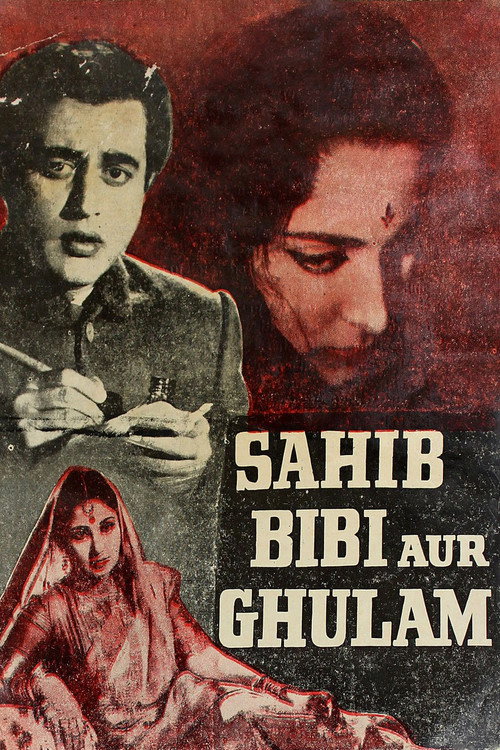
Sahib Bibi Aur Ghulam1962
Meena Kumari gives one of cinema's great performances in this story of a woman trapped between a neglectful husband and genuine love elsewhere. The emotional depth rivals Ek-Hi-Rasta and the cinematography is sumptuous.
But It's a portrait of infidelity and decline rather than triumph, and some viewers find the fatalism oppressive rather than moving.
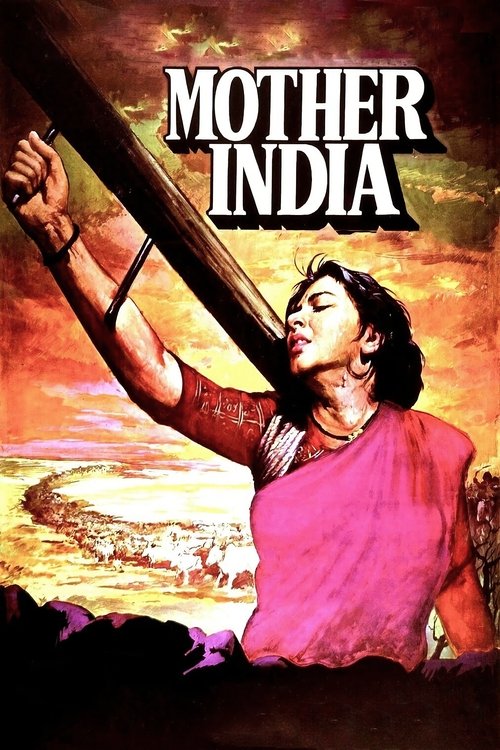
Mother India1957
Another examination of an Indian woman's impossible choices—here, a mother sacrificing everything for her sons. The scale is epic but the emotional core is intimate and devastating.
But The ending involves a son's death and a mother's anguish. It's not cathartic; it's dark and unforgiving in ways that can feel punishing to watch.
Not sure tonight? Get a pick in a minute, starting from Ek-Hi-Rasta
The wildcard
Something you would not have found on your own.
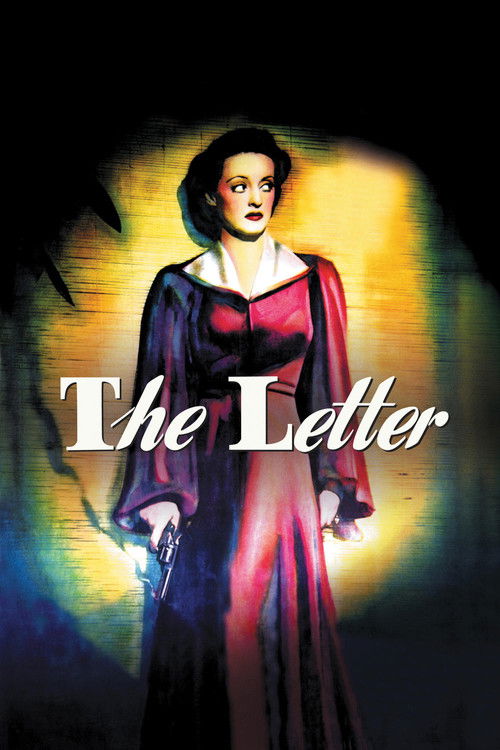
The Letter1940
Both are morally severe melodramas that refuse to simplify their female leads' culpability or suffering. Both ask: what does a woman owe, and to whom, and what is the cost of choosing wrong?
Bette Davis in William Wyler's American melodrama: a woman's lie spirals into moral catastrophe, and the film never lets her off the hook or lets you stop caring about her. The same uncompromising emotional architecture as Ek-Hi-Rasta, thirty years earlier and in Hollywood.
But It's in black-and-white and deals with colonial-era racism that the film doesn't adequately interrogate. The pacing is deliberate, sometimes glacial.
More like this (7)
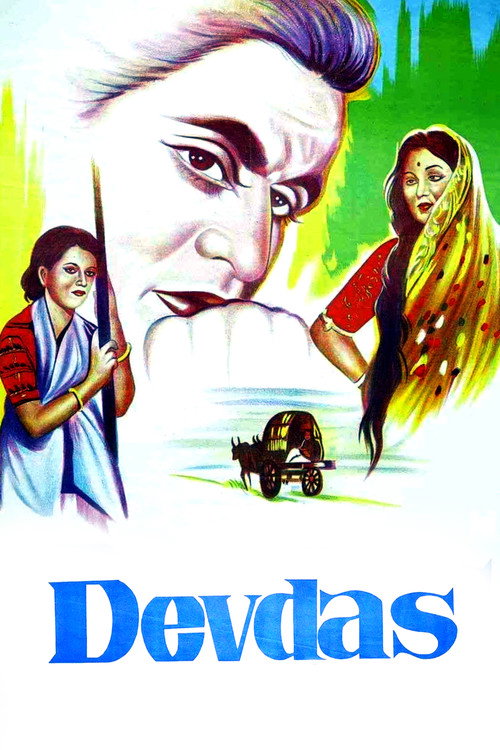
Devdas1955
Dilip Kumar and Meena Kumari in Bimal Roy's lush, anguished version of the classic novel. It shares Ek-Hi-Rasta's belief that love and duty are often irreconcilable, and that the cost is real.
But The male lead is a drunk who makes catastrophically selfish choices, and the film doesn't entirely condemn him. If you need characters you can root for, this will frustrate you.
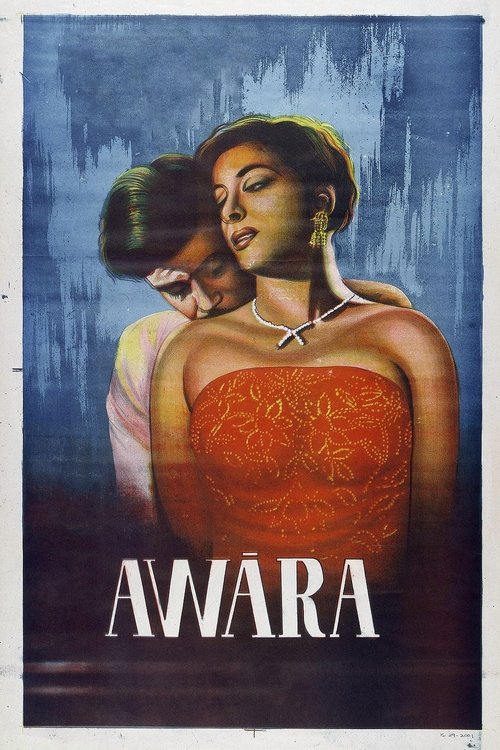
Awaara1951
Raj Kapoor's tale of a man raised in poverty who cannot escape his past, even when love and redemption seem possible. It has the same fatalistic worldview as Ek-Hi-Rasta, expressed through noir-influenced visuals.
But The social commentary can feel heavy-handed, and the plot hinges on coincidences that strain credibility even by the standards of melodrama.
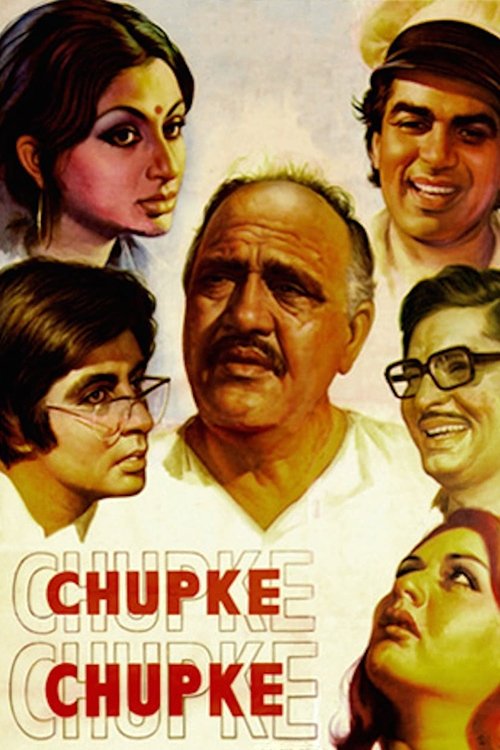
Chupke Chupke1975
A later Hindi film that still grapples with marital duty, deception, and what happens when a marriage is built on incomplete truth. More comic than Ek-Hi-Rasta, but the same moral seriousness underneath.
But The comedy sometimes undercuts the emotional weight, and modern viewers may find the gender dynamics patronizing despite the film's good intentions.
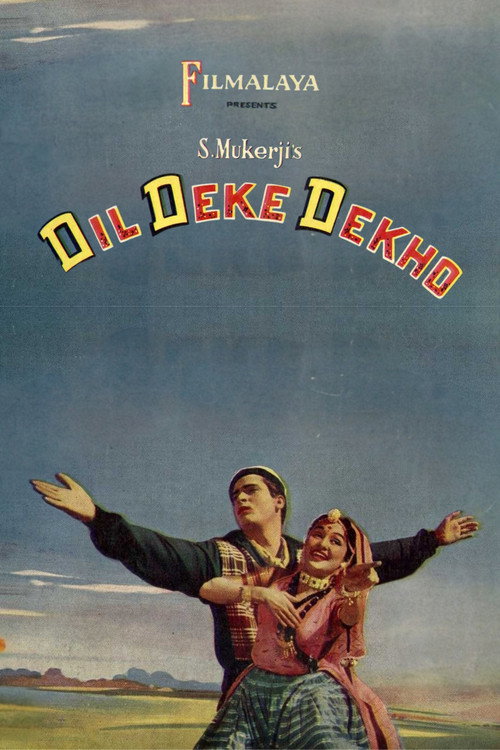
Dil Deke Dekho1959
A quieter film about romance, marriage, and the gap between what we want and what circumstances allow. It shares Ek-Hi-Rasta's interest in how ordinary people navigate extraordinary emotional pain.
But It's genuinely obscure now, harder to find, and the emotional restraint some viewers will read as a lack of emotional depth.
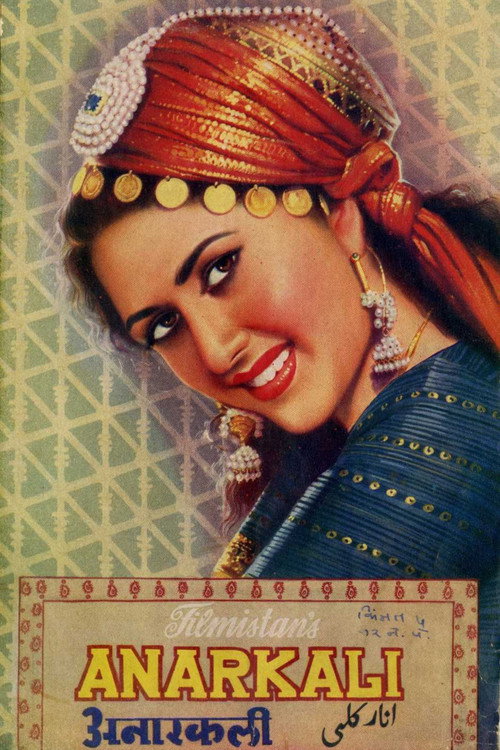
Anarkali1953
A woman caught between love and duty, forced to choose between a man and the life society has mapped for her. It's operatic where Ek-Hi-Rasta is intimate, but the skeleton is the same.
But The period setting and historical romance angle can feel overstuffed compared to Ek-Hi-Rasta's direct emotional argument.
Pather Panchali1955
Both are Indian films from the 1950s that treat ordinary domestic suffering as worthy of serious artistic attention. Both trust the audience to feel without being told how to feel.
Satyajit Ray's documentary-like portrait of a Bengali family in poverty, watching love and duty collide against the reality of hunger and illness. It's a world away from Ek-Hi-Rasta's plot, but the emotional intelligence is comparable—watching people navigate impossible circumstances with grace.
But There is almost no plot. It's a series of moments and observations, and if you need narrative momentum or resolution, it will feel like watching paint dry.

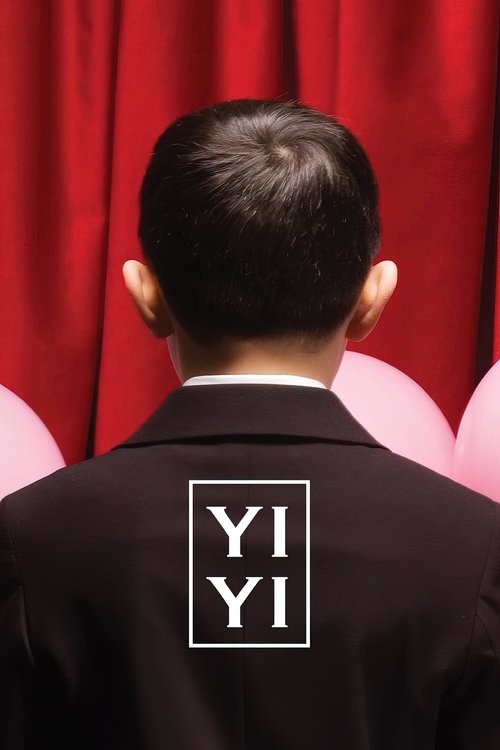
Yi Yi2000
Both reject melodrama's machinery to focus on how duty, love, and circumstance wear down the people who experience them. Both suggest that being faithful to one person means failing another, and that this is the human condition.
Edward Yang's three-hour Taiwanese family drama, built from accumulated small moments and the unbridgeable distances between people who love each other. It shares Ek-Hi-Rasta's conviction that life's real tragedies are not plot events but the slow erosion of connection and understanding.
But It's modernist and elliptical; nothing is explained, and major life events happen offscreen. If you watch for story, you will lose the thread.
People
Cast




Directing
- B.R. ChopraDirector