
Film
Aar Paar
A taxi driver in 1950s Bombay dreams of wealth and respectability while caught between two women: one who loves him purely, one whose gangster father offers a shortcut to riches. Guru Dutt's directorial debut is a stylish, melancholic romance wrapped in crime-drama urgency, with some of Hindi cinema's most celebrated music and a hero who can't quite choose between his conscience and his ambitions.
If you liked this
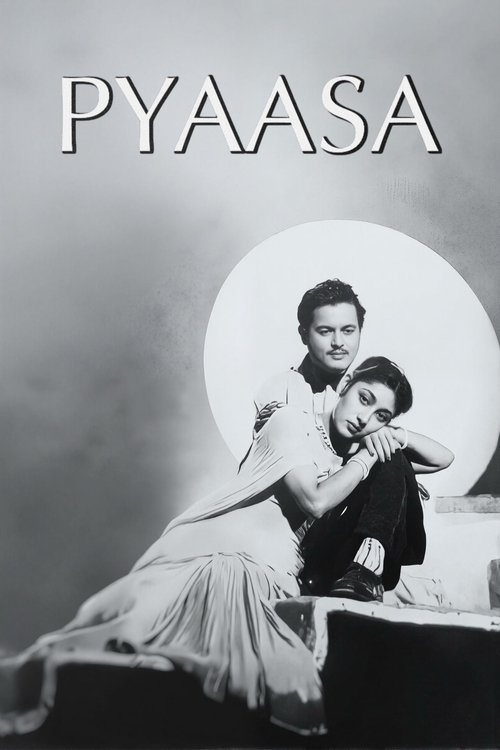
Pyaasa1957
Guru Dutt's masterpiece about artistic integrity versus commercial compromise. A poet struggling in Bombay faces the same moral reckoning Kalu does, told with even greater depth and visual poetry. Essential viewing.
But Slower-paced and more introspective than Aar Paar. The ending is deliberately bleak. You need patience for Dutt's melancholy.
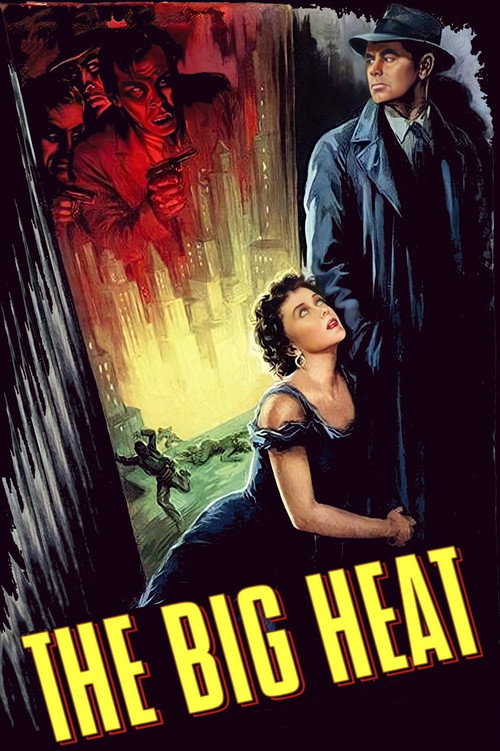
The Big Heat1953
Fritz Lang's American noir about a man corrupted by revenge and money-lust. Same year as Aar Paar, same moral question: how far will you compromise for wealth? Taut, brutal, visually perfect.
But Much darker and more violent. No music, no romance. You might find it relentless rather than romantic.
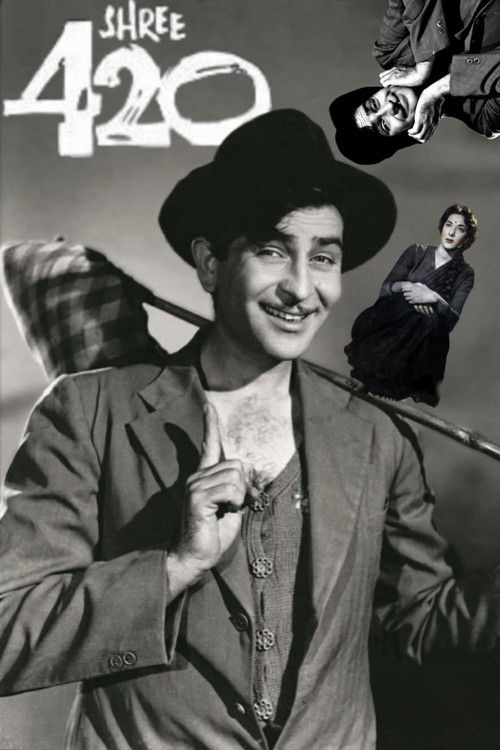
Shree 4201955
Raj Kapoor plays a con man navigating Bombay's underworld while falling for a principled woman. It's lighter and more playful than Aar Paar, but asks identical questions about morality and survival in the city.
But The tone is uneven—comedy sits next to melodrama awkwardly. Some musical numbers feel padded. Less visually sophisticated than Dutt's work.
Not sure tonight? Get a pick in a minute, starting from Aar Paar
The wildcard
Something you would not have found on your own.
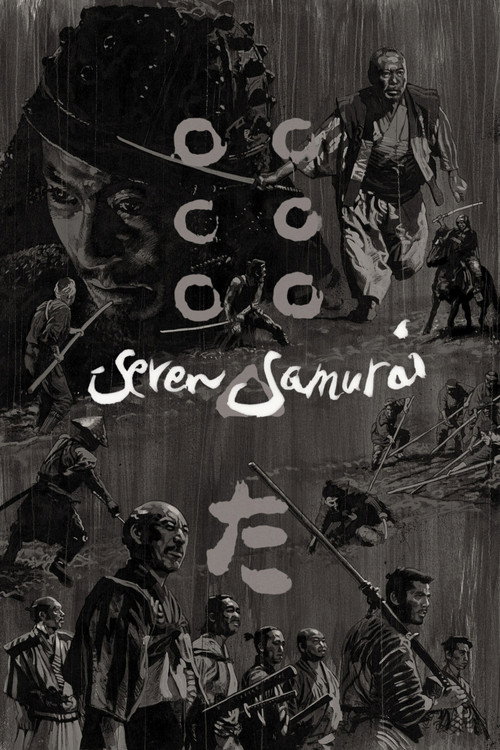
Seven Samurai1954
Both films use genre (crime/adventure) to ask whether a man can sell his labour without selling his conscience. Both reach the same conclusion: probably not.
Kurosawa's epic about men hiring themselves out for survival money. It's the same bargain Kalu faces—your skill, your soul, for cash. The mise-en-scène is wildly different (feudal Japan, not Bombay), but the moral engine is identical. A masterpiece that illuminates what Dutt was doing.
But Three and a half hours, mostly in Japanese, set in a world you need to understand. The pacing is deliberate. For many viewers, it's a commitment film, not an evening.
More like this (7)
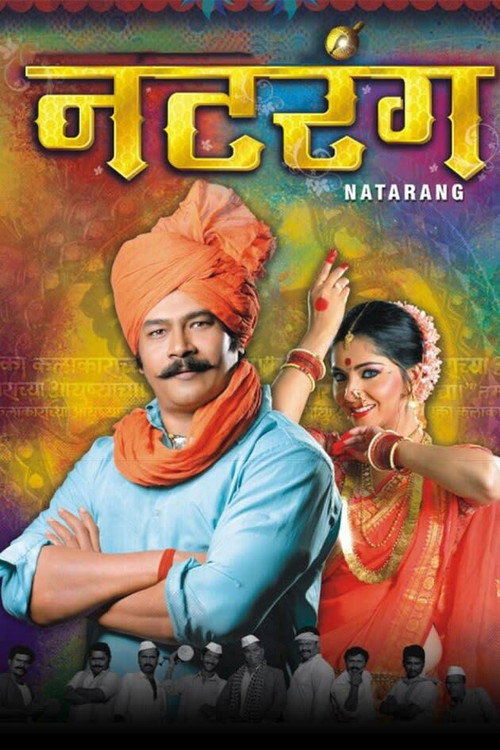
Natrang2010
A modern Marathi film about an aging man's obsession with theatre stardom and the compromises that consume him. Echoes Aar Paar's core conflict but in a completely contemporary setting. Powerful and often darkly funny.
But In Marathi, not Hindi. The pacing is deliberately slow. Some viewers find it self-indulgent rather than moving.
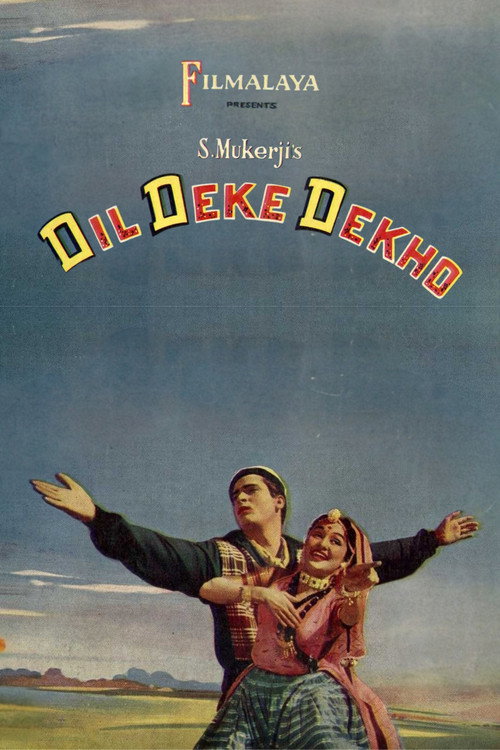
Dil Deke Dekho1959
Another Guru Dutt film exploring romantic triangles and class anxiety in 1950s Bombay. Lighter than Aar Paar but made by the same hand, with similar visual elegance and moral tension beneath the romance.
But Less celebrated than Pyaasa or Aar Paar. You might feel it's a step down. Some plot threads feel unresolved.
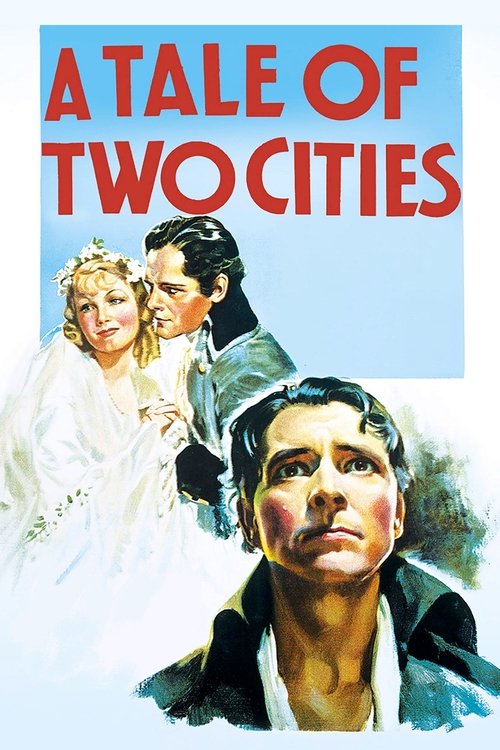
A Tale of Two Cities1935
The original template for this story—a man torn between love and survival, choosing sacrifice over wealth. Dickens adapted by cinema, Dutt's spiritual grandfather. Understand where Aar Paar's DNA comes from.
But Very old, very mannered. The melodrama is thick. British studio aesthetics, not the poetry you get from Dutt.
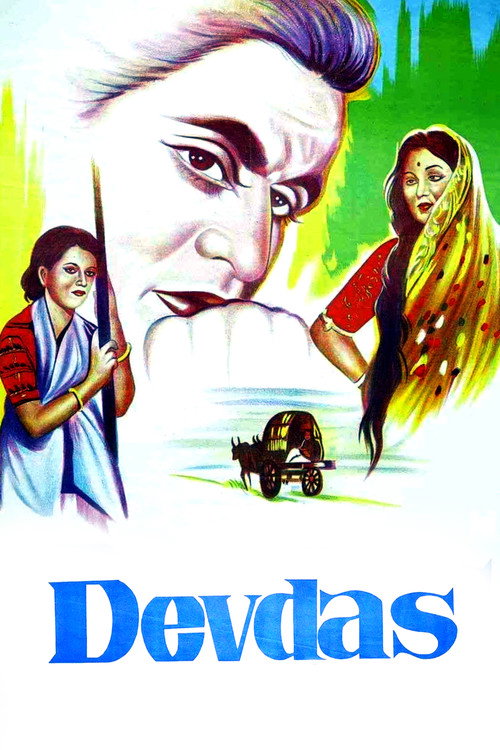
Devdas1955
Bimal Roy's lush, tragic adaptation of Sarat Chandra Chatterjee's novel. A man destroyed by love and alcohol, unable to choose between two women. Same romantic helplessness as Kalu, far more doomed.
But Intensely tragic and often feels overwrought. Three hours of gorgeous suffering. If you want catharsis, not wallowing, this isn't it.
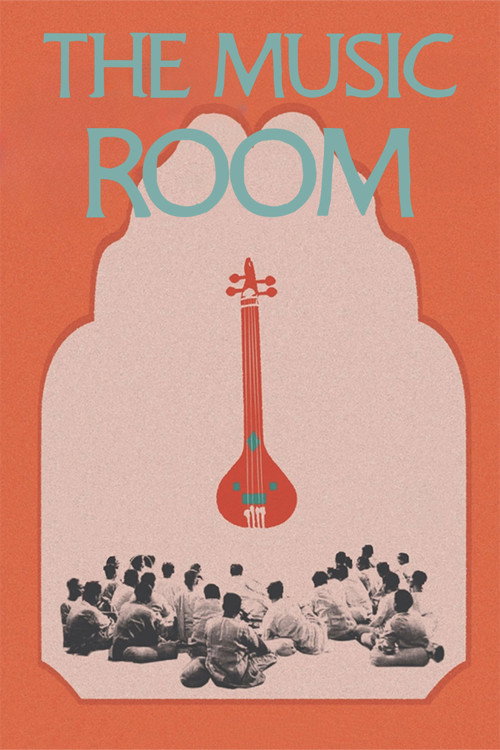
The Music Room1958
Satyajit Ray's study of a man clinging to status and wealth through music and entertainment, watching it all collapse. Like Aar Paar, it examines the delusion of chasing respectability in a rigged system.
But Slow, austere, and resolutely unhappy. No glamour, no music as entertainment—music as desperation. Ray's minimalism might feel cold.
Ek Tha Tiger2012
Both trap their hero between two competing claims on his loyalty: love and a system that demands he stay corrupt. The difference is tone, not theme.
A contemporary Bollywood spy thriller with Salman Khan. What connects it is structural: a man trained for crime, caught between personal love and loyalty to a system that owns him. The form is totally different—modern action movie, not 1950s melodrama—but the trap is the same.
But Formulaic. Glossy. Shallow. If you value Dutt's moral weight, this will feel like eating candy after steak. It's a commercial product, not art.

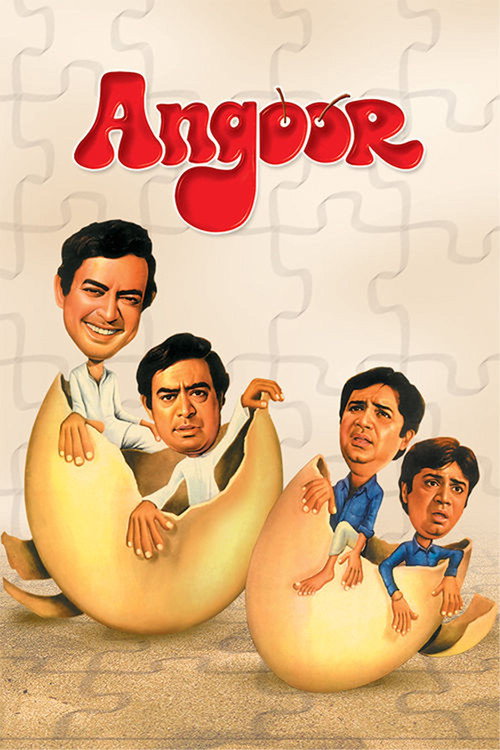
Angoor1982
Both films use Bombay's criminal economy as the setting for a working man's moral crisis. Angoor treats it as cosmic comedy; Aar Paar treats it as tragedy. Same world, different lightbulb.
Gulzar's absurdist comedy about two sets of twins navigating Bombay's criminal underworld while chasing romance and money. Utterly different in mood—it's hilarious, farcical, and light—but it's asking the same question about survival, choice, and morality in the city, just through laughter instead of melancholy.
But The tone is so distant from Aar Paar that some viewers won't see the connection. It's broad, sometimes silly. If you want Dutt's poetry, you'll find the comedy jarring.
People
Cast
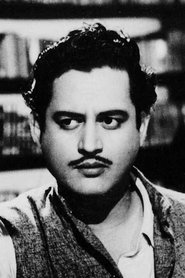 Guru DuttKalu
 Shyamaas Nikki
 Jagdish SethiLalaji
 Johnny WalkerRustom
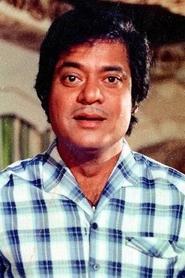 JagdeepElaichi Sandow
 ShakilaDancer
- Bir SakujaCaptain
 Noor JehanRustom's girlfriend
Directing
- Atma RamAssistant Director
- NiranjanAssistant Director
- Raj KhoslaAssistant Director
- Guru DuttDirector
Writing
- Abrar AlviDialogue
- Nabendu GhoshScreenplay
- Abrar AlviWriter
Production
- Guru DuttProducer
- Navnit BhamProduction Manager
- S. GuruswamiProduction Supervisor