Television series
Tamas
- Period drama
- Very dark
Tamas is a brutal, unflinching four-hour television drama about the 1947 Partition of India. It focuses on ordinary people caught in communal violence rather than political machinery, tracing how quickly neighbourhoods fracture into terror. Essential viewing: difficult, angry, historically vital.
If you liked this
Earth1998
Deepak Mehta's film covers similar ground with particular attention to the women's experience of Partition violence. Visually sophisticated and emotionally raw, it finds beauty even in horror.
But Slower paced than you might expect. Some may find the focus on sexual violence gratuitous rather than illuminating.

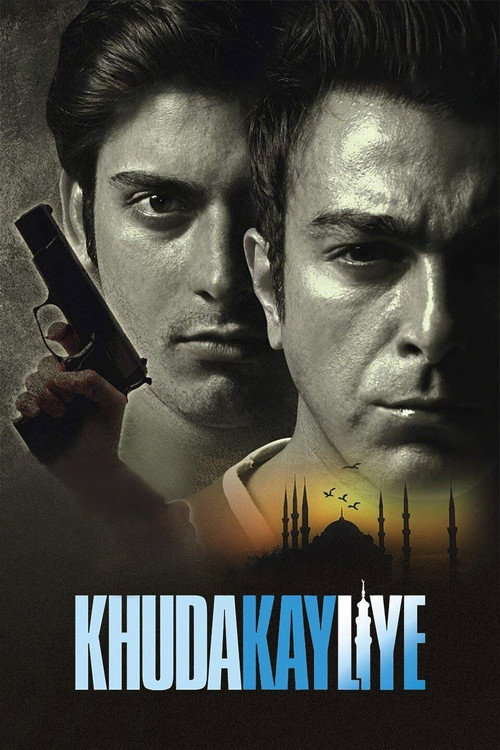
Hey Ram2000
Kamal Haasan's ambitious, formally daring exploration of Hindu-Muslim relations before and after Partition. A personal reckoning wrapped in a murder mystery; intellectually restless and genuinely weird.
But Structurally complex and sometimes self-indulgent. The tonal shifts won't work for everyone, and it's long.
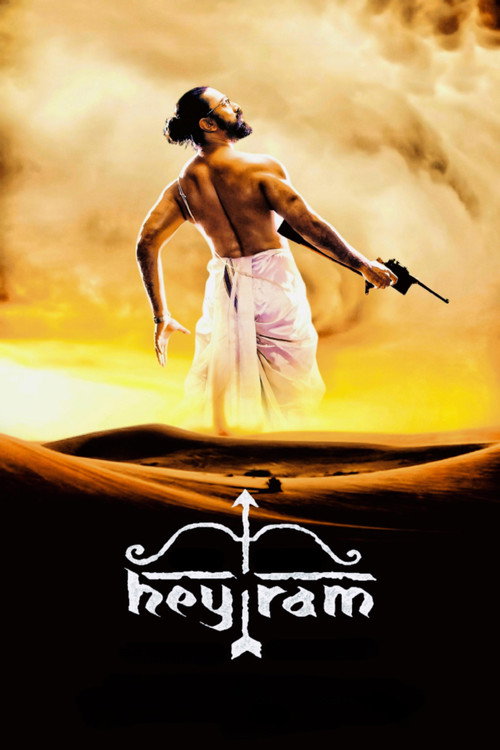
Khuda Kay Liye2007
A Pakistani film about two musicians navigating faith and friendship across the modern divide that Partition created. Warm-hearted without being naive; asks how people stay human after violence.
But More intimate and contemporary than historical. If you want epic Partition drama specifically, this moves in a different register.
Not sure tonight? Get a pick in a minute, starting from Tamas
The wildcard
Something you would not have found on your own.
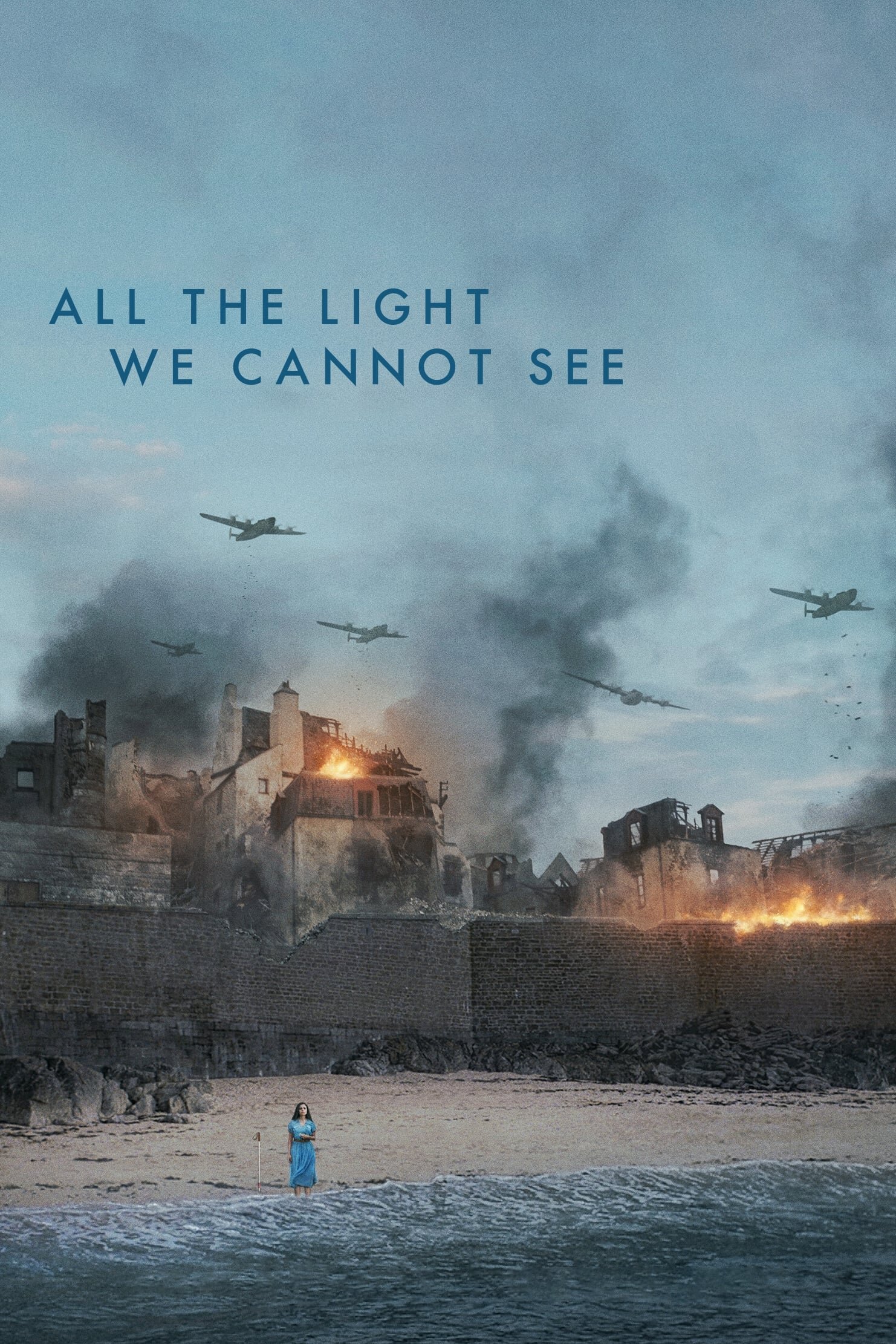
All the Light We Cannot See2023
Both dramatise how state-sanctioned division turns neighbours into enemies. Both centre the domestic and intimate rather than the political. Both ask: how do you stay human?
Netflix miniseries about ordinary lives during WWII in occupied France and Nazi Germany. Like Tamas, it refuses grand narratives and shows how quickly ordinary people become perpetrators or victims. The machinery of violence matters less than its human cost.
But Different conflict, different geography. Some viewers want their history situated specifically; abstraction feels evasive.
More like this (6)
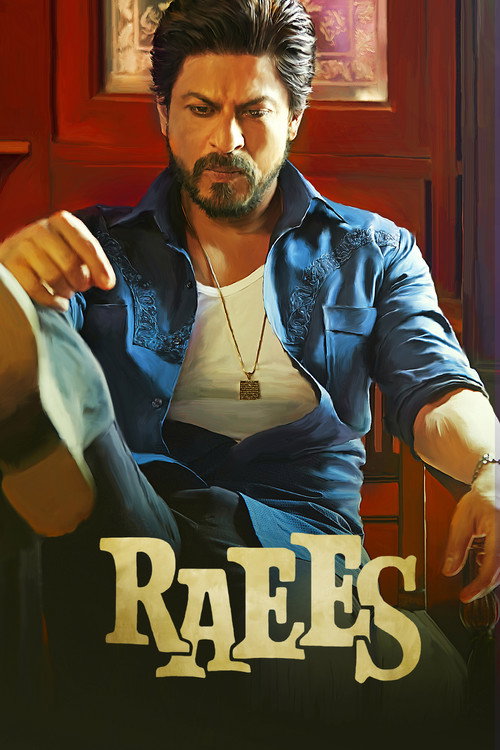
Raees2017
Shah Rukh Khan crime thriller set in smuggling economies along the India-Pakistan border. Uses Partition's aftermath as context for exploring corruption and complicity rather than dwelling on trauma.
But Commercial Bollywood film; the emotional weight is lighter than Tamas. Violence is stylised rather than documentary.
Rang De Basanti2006
Contemporary Indian politics through the eyes of idealistic young people. Not about Partition, but about how India's post-independence promises were kept or betrayed—a necessary follow-up question.
But More optimistic and populist. Some find the resolution too tidy for the problems it raises.

Bhaag Milkha Bhaag2013
Farhan Akhtar's biopic of athlete Milkha Singh, framed around his family's Partition trauma. Sport as metaphor for recovery and resilience after communal violence.
But Biographical structure means it moves away from Partition into personal achievement. The tone shifts considerably.

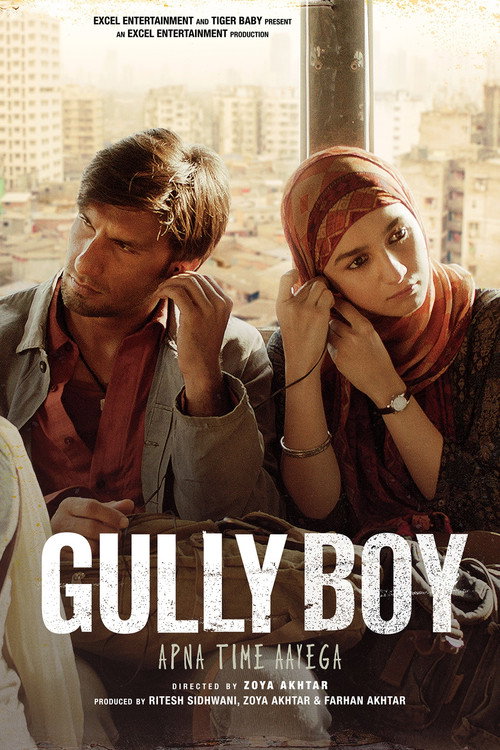
Gully Boy2019
Rap drama about Mumbai's underworld and class struggle. Not historical, but about how modern India's deep inequalities trace back to Partition's unresolved tensions and divisions.
But Contemporary genre film; if you want actual Partition content, this is thematic rather than literal. Some find it style-over-substance.
Safe2018
Both use television to force prolonged engagement with irresolvable communal violence. Both refuse catharsis. Both demand you sit with anger and complicity rather than distance yourself through narrative.
Israeli-Palestinian drama series. Shifts perspective between Jewish and Palestinian characters week to week, forcing viewers into perpetual discomfort. Refuses to resolve the conflict or choose sides. Structurally radical.
But Deliberately antagonistic to easy viewing. Some find the back-and-forth gimmicky. Not resolved, which infuriates some and liberates others.

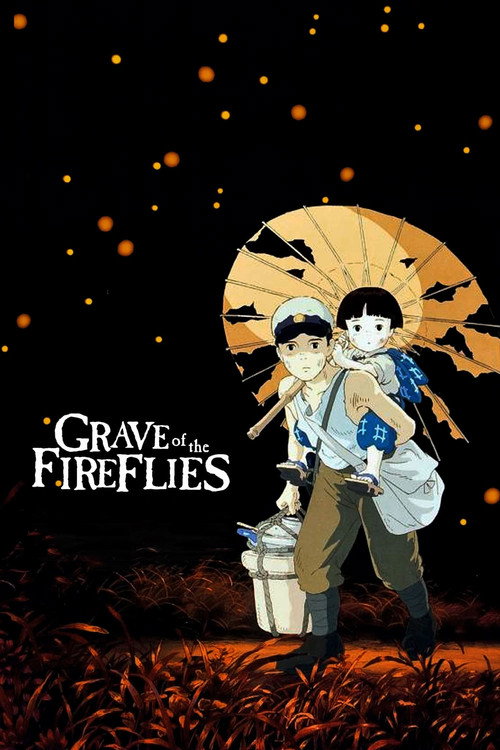
Grave of the Fireflies1988
Both refute the possibility of heroism in the aftermath of state violence. Both use intimate family stories to measure historical tragedy. Both have the moral clarity that comes from never looking away.
Isao Takahata's animated film about two Japanese siblings surviving after WWII firebombing. Heartbreaking, intimate, devastating. Animation allows a kind of emotional directness impossible in live action. One of the most affecting films about violence ever made.
But Animated form may seem like avoidance to some, though it's the opposite. Genuinely traumatic; not entertainment. Ends in grief.