
Film
Earth
This is the cinema cut of the BBC's Planet Earth footage, reshaped into a linear migration story following a polar bear, an elephant, and a humpback whale through one year on the planet. Patrick Stewart's narration keeps it accessible and family-friendly, trading the TV series' encyclopedic scope for a tighter, more emotional 90 minutes. Good for a lazy Sunday, or introducing kids to jaw-dropping nature photography without a six-hour commitment.
If you liked this
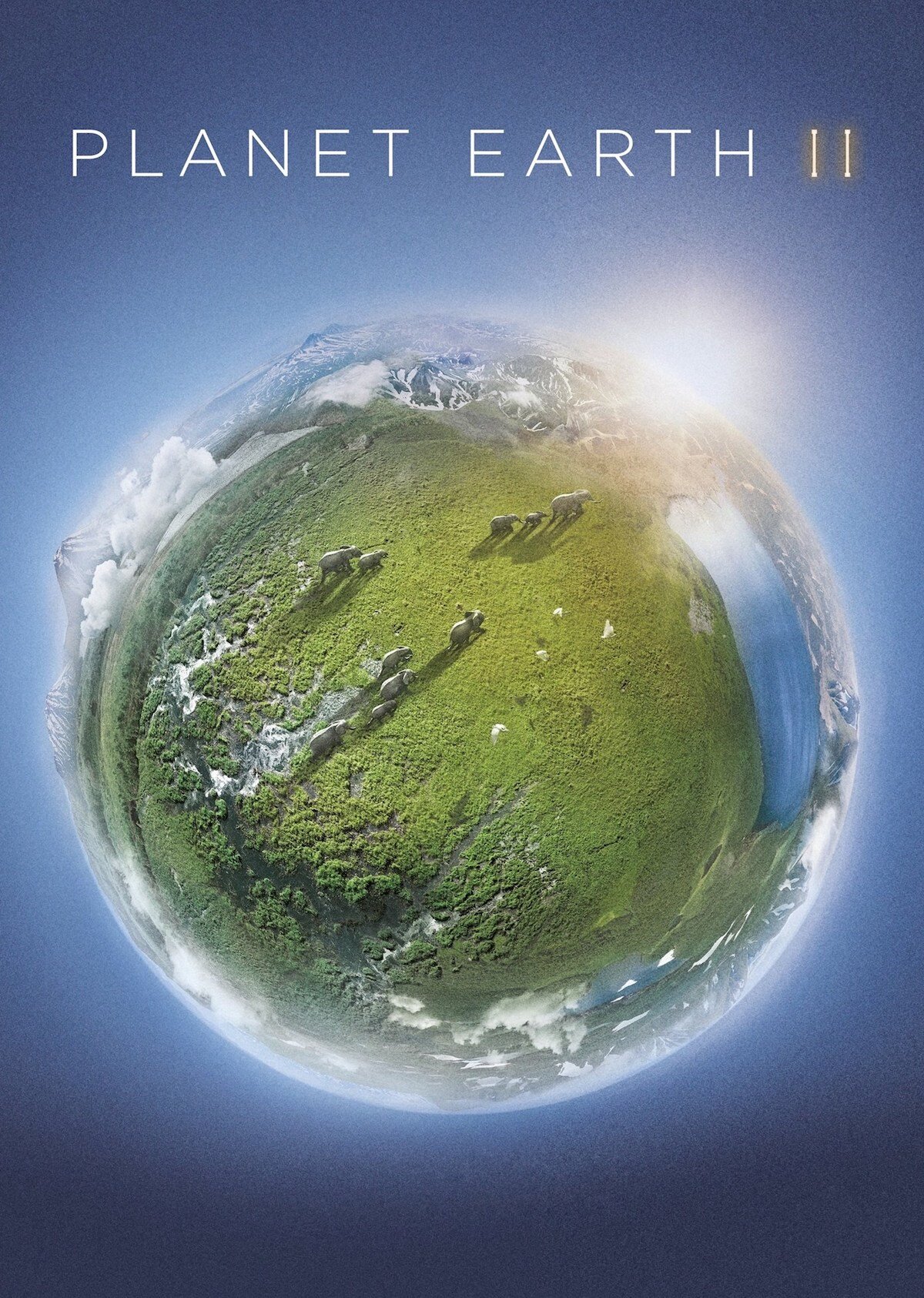
Planet Earth II2016
The spiritual sequel from the same team, with a decade's worth of camera advances. The iguana-versus-snake chase alone is more thrilling than most action films you'll watch this year.
But Six hour-long episodes is a bigger ask than ninety cinematic minutes.
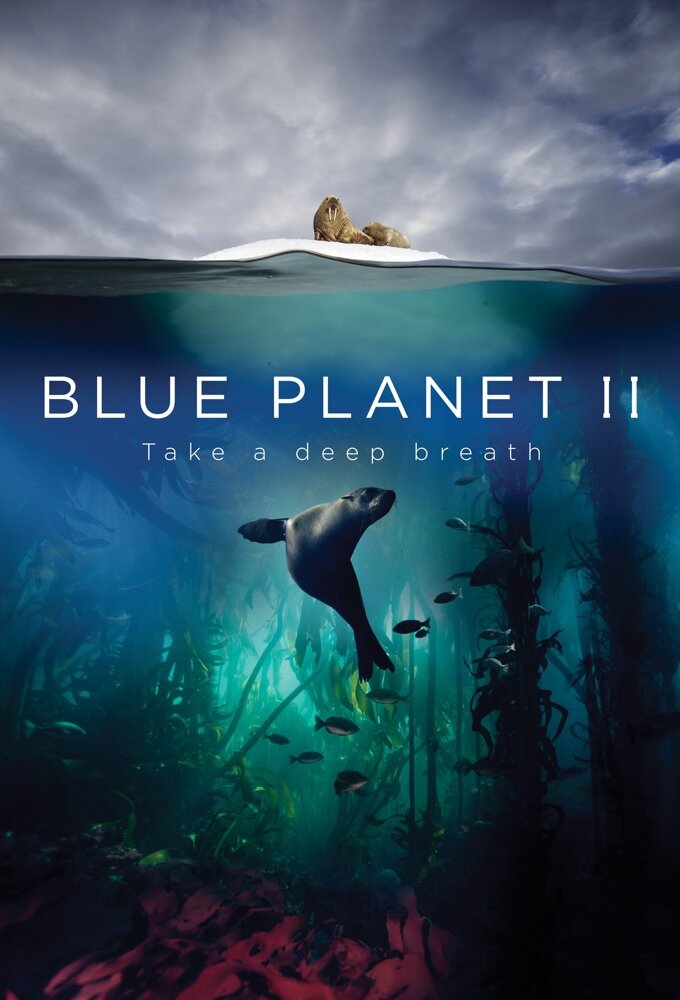
Blue Planet II2017
If the whale sequences were your favourite part, this goes all in on the ocean, from coral reefs to the crushing dark of the abyss, with equally lush photography.
But Some episodes lean hard into climate grief rather than pure wonder — more sobering than escapist.
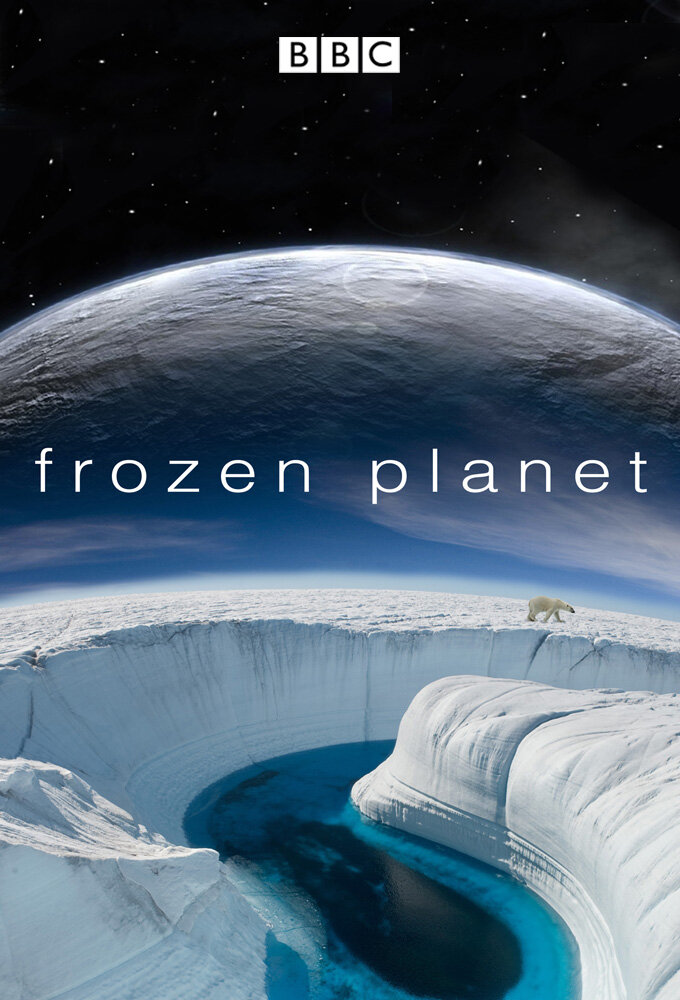
Frozen Planet2011
For anyone who wanted more polar bear, this is an entire series devoted to both poles, with intimate den footage you simply don't get in a 90-minute film.
But The icy vistas can start to blur together if you're not fully absorbed.
The wildcard
Something you would not have found on your own.
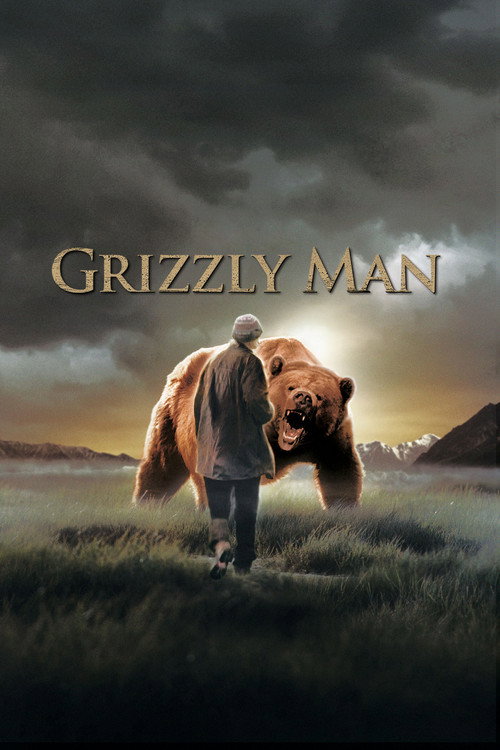
Grizzly Man2005
Same raw wildlife photography and grand landscapes as Earth, but flipped from uplifting family narrative into a dark, real-life tragedy about a man who filmed these animals until they killed him.
Herzog takes stunning bear footage and turns it into a meditation on obsession, hubris and death — the same wilderness awe, aimed at a completely different, unsettling truth.
But Sad and disquieting rather than wondrous; not one for kids or anyone wanting nature to feel benevolent.
More like this (8)
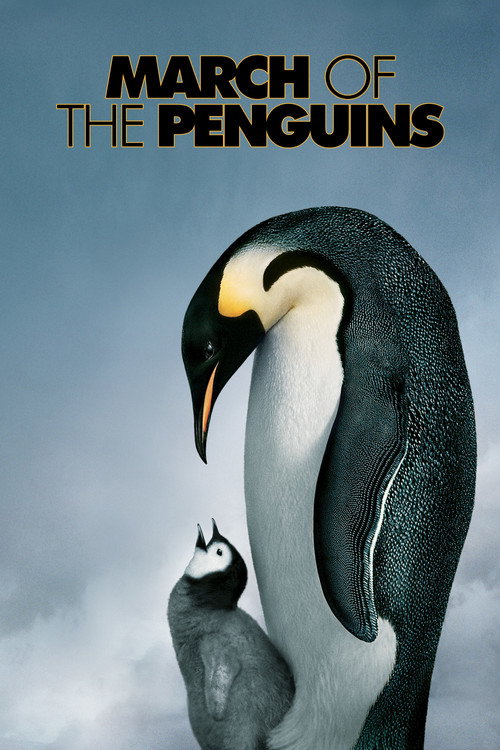
March of the Penguins2005
The film that arguably kicked off this whole boom — a single-species migration epic across Antarctica, narrated with the same mythic, family-journey structure Earth borrows.
But Morgan Freeman's narration is more somber and elegiac, less rousing adventure than Earth's.
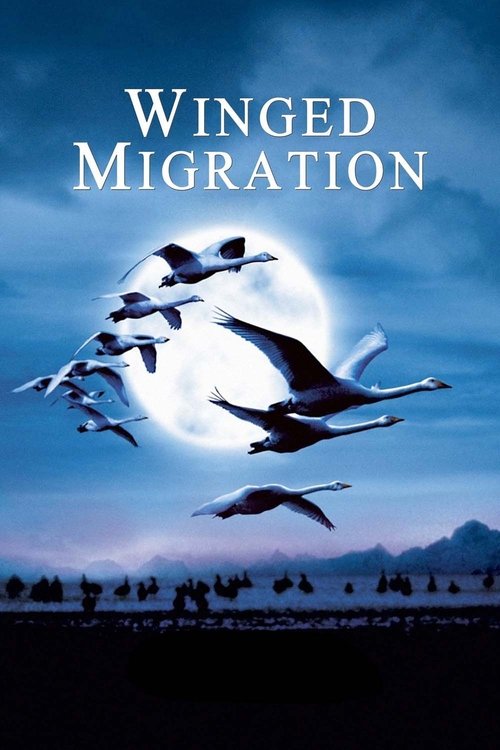
Winged Migration2001
Cameras strapped to gliders and balloons fly alongside birds across continents, with almost no narration at all — a purer, more immersive version of the same idea.
But The meditative pace and near-silence could test viewers wanting a clearer story.
Oceans2010no page yet
Same French/Disney pedigree, with whales, sharks and reef life shot in similarly poetic, painterly style — a natural next stop for the underwater sequences.
But Looser and more freeform than Earth's tidy three-family structure; less of a throughline.
Chimpanzee2012no page yet
Disneynature's jungle entry uses the same trick — following one animal family as a storybook narrative — for a change of scenery and cast.
But Leans harder into cute, anthropomorphized framing; feels more like a kids' film than Earth does.
African Cats2011no page yet
Lions and cheetahs get the family-drama treatment against gorgeous savanna cinematography, in the same crowd-pleasing Disneynature mould.
But The narrative is thin and sentimental, pitched squarely at younger viewers.
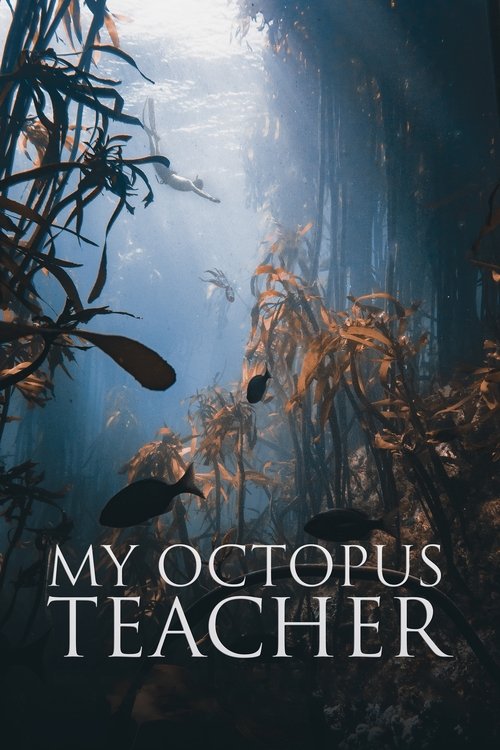
My Octopus Teacher2020
Proof that a nature documentary doesn't need continents and family sagas to be astonishing — one diver, one octopus, and a genuinely moving relationship.
But No globe-trotting scale here; it's a small, single story rather than an epic sweep.
The Living Desert1953no page yet
This is the direct ancestor of Earth's storytelling style — the same instinct to turn wildlife footage into a storybook narrative, just from 1953 and considerably scrappier.
The Oscar-winning Disney True-Life Adventure that basically invented the narrated-animal-family-drama template Earth still uses, with jaunty scores and cheeky editing.
But Some sequences use staged setups that wouldn't pass muster by today's documentary standards.
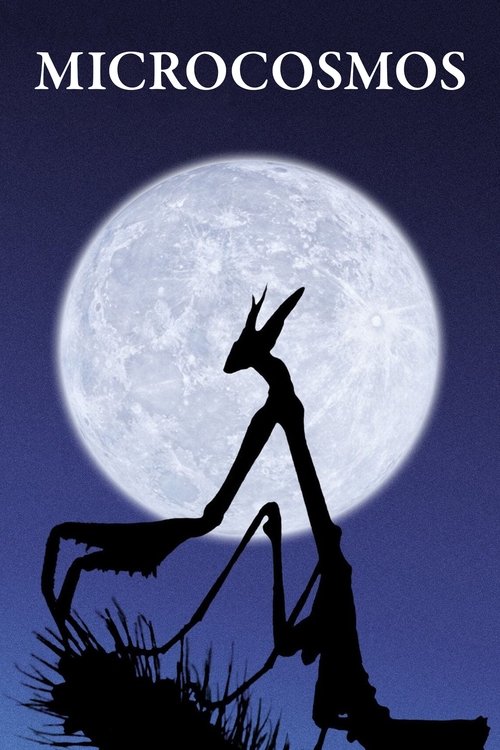
Microcosmos1996
The same ambition to make you gasp at the natural world, shrunk from planetary scale down to a back garden and stripped almost entirely of narration.
Swap continents for a French meadow and elephants for snails and beetles — the macro photography is so astonishing you forget you're watching insects, not lions.
But No narration and no story arcs to hold your hand; demands patience rather than delivering epic sweep.
People
Cast
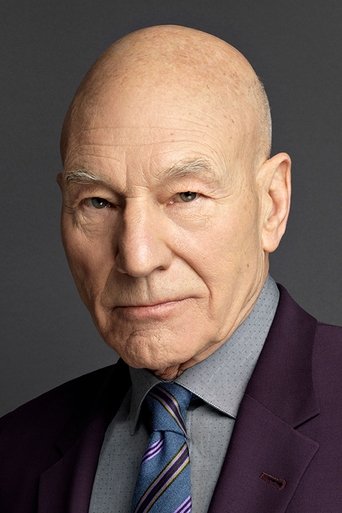 Patrick StewartNarrator (voice)
 Constantino RomeroNarrator (voice)
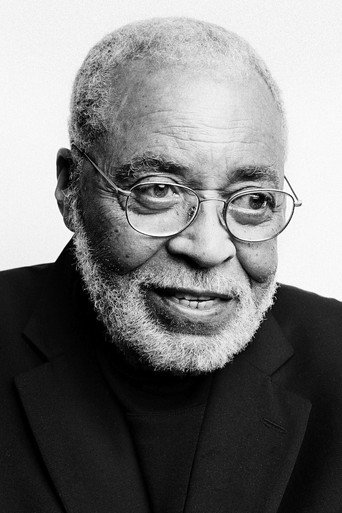 James Earl JonesNarrator (voice)
 Ken WatanabeNarrator (voice)
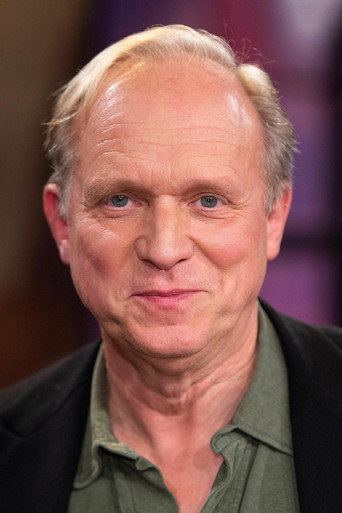 Ulrich TukurNarrator (voice)
 AnggunNarrator (voice)
Directing
- Alastair FothergillDirector
- Mark LinfieldDirector
Writing
- Alastair FothergillScreenplay
- Leslie MegaheyScreenplay
- Mark LinfieldScreenplay
Production
- Andre SikojevExecutive Producer
- Nikolaus WeilExecutive Producer
- Stefan BeitenExecutive Producer
- Alix TidmarshProducer
- Sophokles TasioulisProducer