
Film
Darna Zaroori Hai
A Bollywood horror anthology where five friends enter a decrepit mansion and an elderly woman regales them with six interconnected ghost stories. It's genuinely atmospheric in stretches, with practical scares and a fondness for the macabre that Indian cinema wasn't trafficking in heavily at the time. For anyone who loves horror that takes itself seriously but doesn't take itself too solemnly.
Should you watch it?
Watch it if you like anthology horror built from separate short tales, where each segment has its own jolt and the frame story ties them loosely together, and you don't mind a rough edge or two.
Skip it if you need one sustained, steadily building scare; the separate tales change pace and tone from one to the next, so momentum comes in fits.
What it asks of you: Set aside just under two hours, and expect to switch gears every time a new tale begins, since your attention resets with each one.
Not sure? Find tonight's pick in a minute.
If you liked this
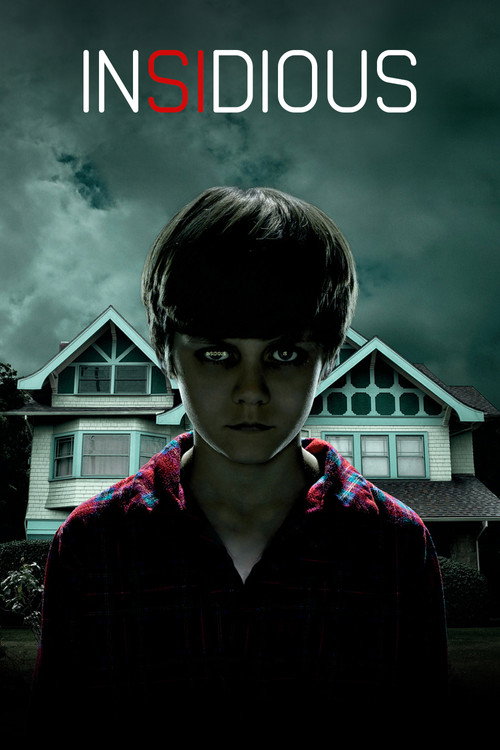
Insidious2011
A masterclass in building dread through sound design and patient camera work. James Wan proves you don't need gore—just the right shadow in the wrong place. If Darna Zaroori Hai's atmosphere worked for you, this escalates that tension into genuine sustained terror.
But The third act pivots to astral-plane exposition, and some find the logic of the haunting underwhelming. Also fairly relentless—no comedic breathers.
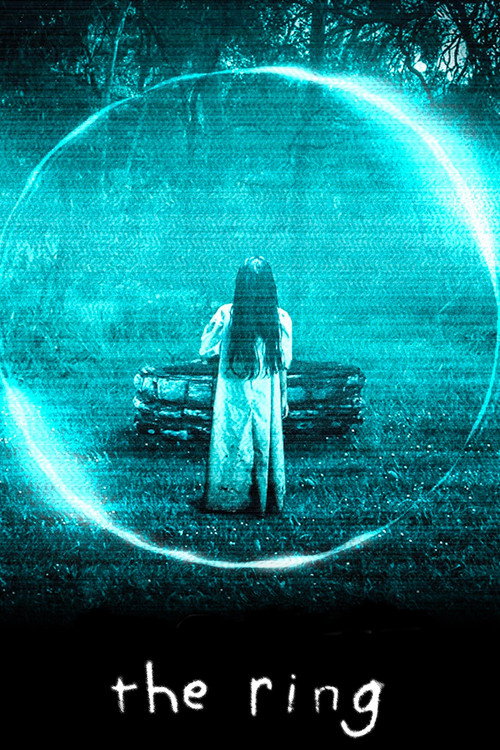
The Ring2002
Gore Verbinski's American remake of a Japanese classic, structured around a central mythic object with its own savage logic. Like Darna Zaroori Hai, it understands that horror lives in waiting—the inevitability of the curse matters more than jump scares.
But By 2024 standards the digital effects look primitive. Some viewers find the teenage-girl protagonist's passivity frustrating rather than tragic.
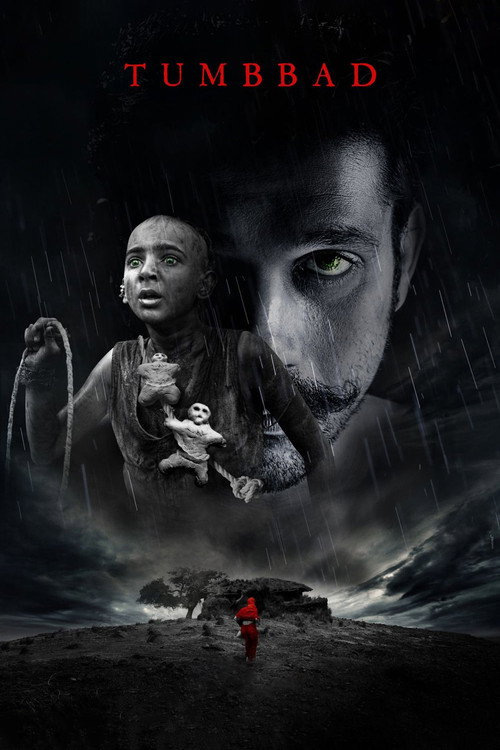
Tumbbad2018
An Indian film that does something Darna Zaroori Hai only gestures toward: horror as genuine folklore, steeped in myth and decay. Visually sumptuous, morally murkier, with scares that feel earned and mythic. Essential if you want Indian horror that swings for the fences.
But Glacially paced in places and deliberately obscure about its mythology. Not a comfortable watch—it's oppressive by design.
Not sure tonight? Get a pick in a minute, starting from Darna Zaroori Hai
The wildcard
Something you would not have found on your own.
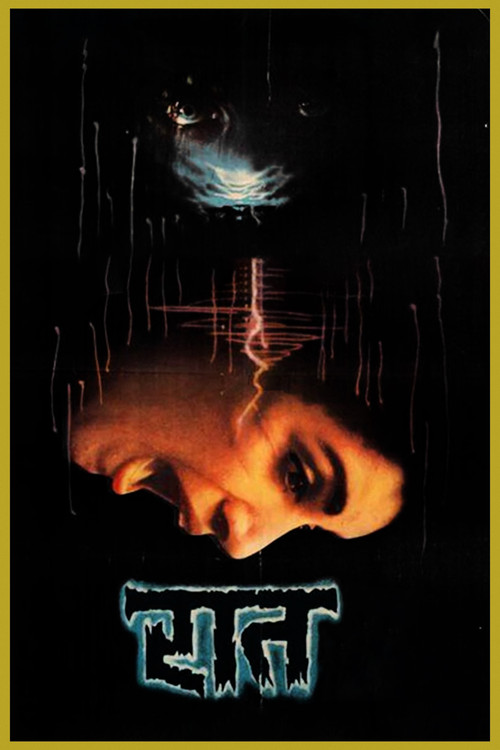
Raat1992
Both are Indian horror films that prioritize atmosphere and dread over plot coherence. Both treat horror as something rooted in place rather than narrative explanation.
Sripal Joshi's apocalyptic nightmare: a family is trapped in their car during a single terrible night on an empty highway. India made very little horror in the nineties, and this is India's answer to body-horror and cosmic dread. Genuinely strange and visually nightmarish.
But The print quality is poor, and it was shot on a shoestring. Pacing is experimental. By mainstream standards it's forbiddingly avant-garde.
More like this (8)
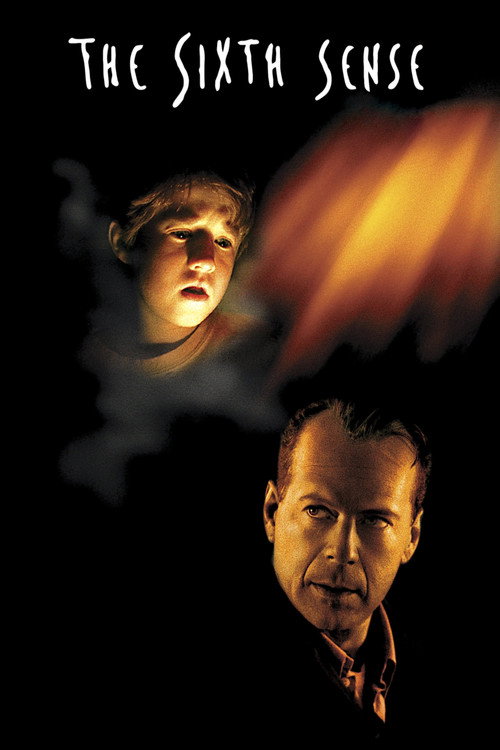
The Sixth Sense1999
Another anthology-ish film where each scene is a small haunting punctuated by a larger mystery. M. Night Shyamalan's command of mood is immaculate here, and the twist actually earns the emotions that precede it. If Darna Zaroori Hai made you want more of that structure, start here.
But The twist is famous now. Watching it post-spoiler, some find the film overly sentimental. Bruce Willis does very little, which bothers people.
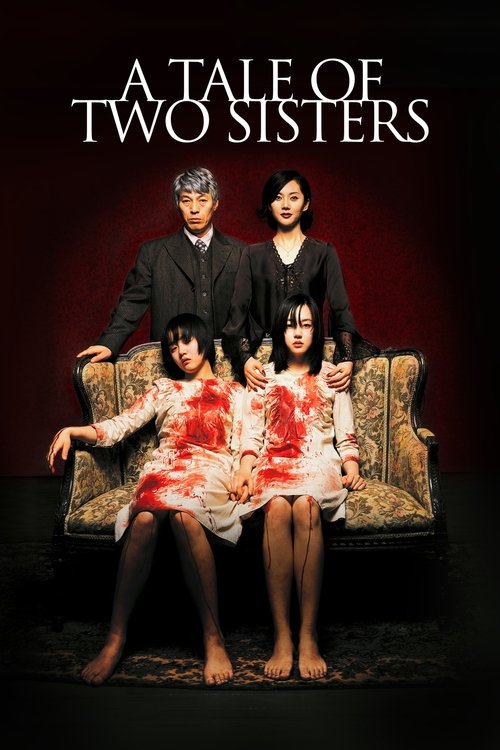
A Tale of Two Sisters2003
A Korean horror film that trades jump scares for creeping wrongness—the whole film feels diseased, and you won't realize until the end why. It's about grief and guilt wearing the mask of the supernatural. Visually ravishing and genuinely unsettling.
But The plot logic is deliberately obscure. If you need everything explained, you'll leave frustrated. Also quite bleak.
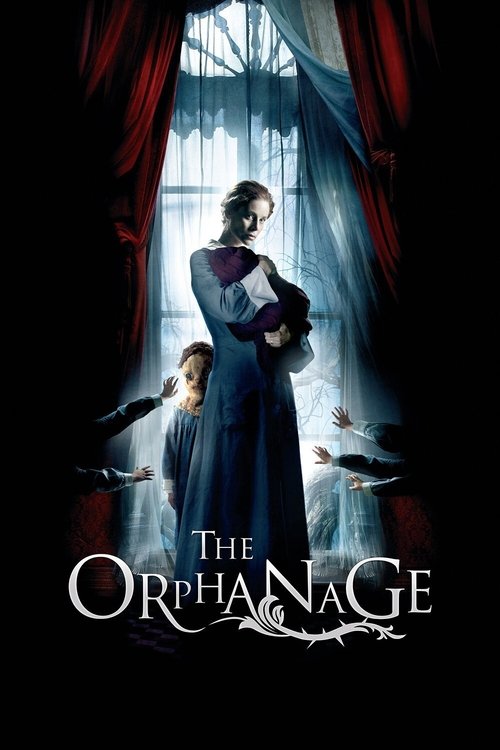
The Orphanage2007
Spanish horror that feels like Darna Zaroori Hai's more sophisticated cousin. A woman investigates a children's home and uncovers what happened there. Atmosphere is everything, and the film builds to a gut-punch of an ending that lingers.
But Slow-burn to the point of frustration if you're not in the mood. The finale is devastating in a way that some find more sad than scary.
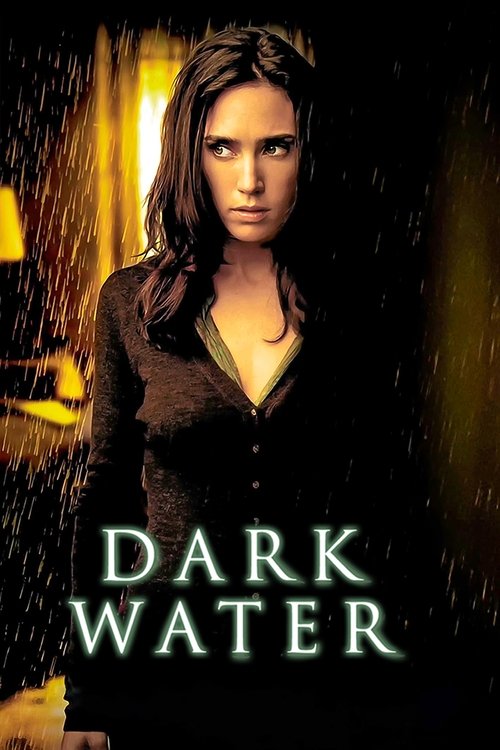
Dark Water2005
Hideo Nakata's masterpiece of mood over action. A woman and her daughter move into a decaying apartment building where something ancient waits in the water. Entirely focused on texture and dread—you feel the mildew.
But Nothing happens for long stretches. The plot is thin. Some viewers find it boring rather than hypnotic.
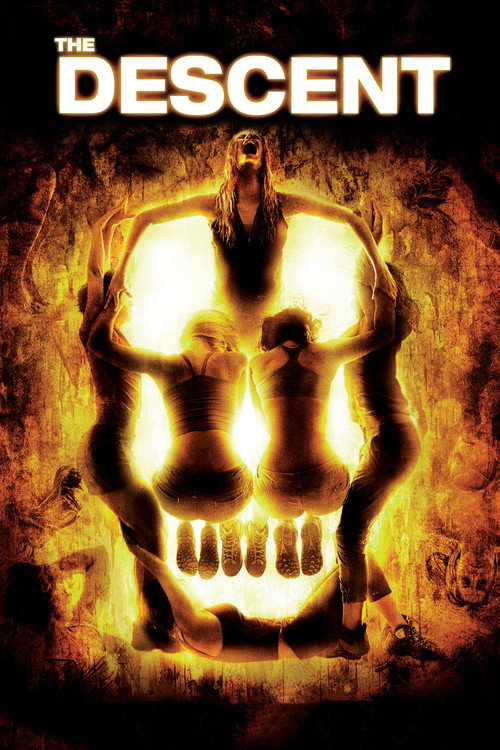
The Descent2005
A caving expedition goes catastrophically wrong in a claustrophobic cave system. Combines practical creature horror with genuine geography-of-terror filmmaking. Relentlessly tense and doesn't pause to explain itself.
But Extremely violent and nihilistic. Some find the creature design derivative of better films. The protagonist's arc is bleak.
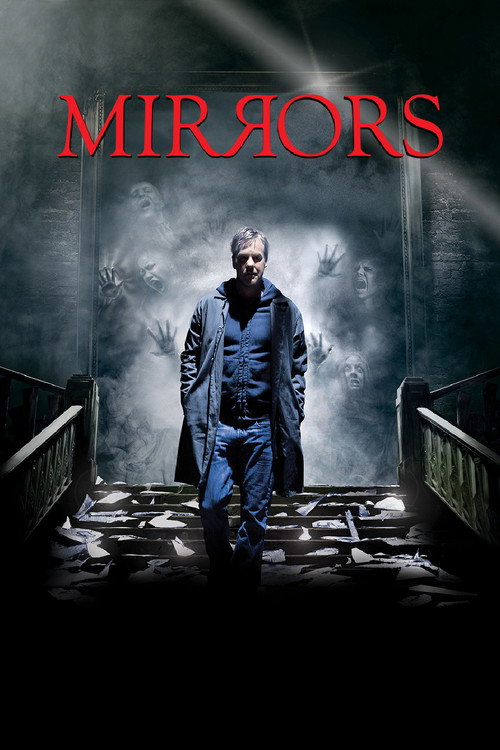
Mirrors2008
An Iranian-born director (Nora-Mithra Samii) brought a concept to American horror: objects that reflect don't just show what's there. Kiefer Sutherland investigates an abandoned department store. More clever than it has any right to be.
But The film keeps inventing new rules for how mirrors work to serve the plot. CGI-heavy and sometimes the scares feel mechanical. Not scary so much as inventive.
The Wailing2016
Both use the anthology/testimony structure as a way to explore how horror is understood differently by different witnesses. Both suggest the truth might be stranger than any single explanation.
Na Hong-jin's Korean masterpiece: a police officer investigates a string of killings in a mountain village where a stranger has appeared. Anthology-like in structure (each witness has a story), metaphysically vast, and genuinely ambiguous about who the villain is.
But Nearly three hours long and refuses to clarify its mythology. You'll leave the theatre debating what actually happened. Some find that enriching; others find it maddening.

Mulholland Drive2001
Both use horror as a lens to explore memory and unreliable perception. Both suggest that the scariest thing is not knowing which version of events is true—or if any of them are.
David Lynch's Hollywood nightmare: a woman loses her memory after a car crash and becomes entangled with an aspiring actress. Not a horror film in the categorical sense, but more genuinely unsettling than films that try to scare you. The logic is dreamlike and ultimately traumatic.
But Willfully obscure. The narrative doesn't resolve, and interpretation requires multiple viewings. Some see it as genius; others see it as pretentious obfuscation.

People
Cast
 Manoj PahwaSatish
 Sarita JoshiSatish's Mother
 Amitabh BachchanProfessor Sunil Khanna
 Riteish DeshmukhAltaaf
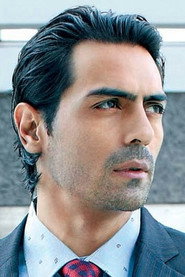 Arjun RampalKunal
 Bipasha BasuVarsha
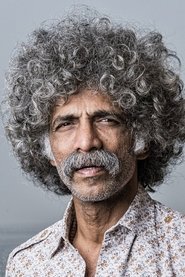 Makrand DeshpandeRahul
 Suniel ShettyVishwas Talegaonkar
 Sonali KulkarniVishwas Talegaonkar's Wife
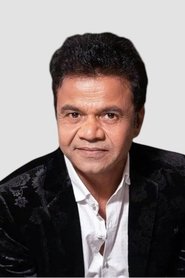 Rajpal YadavPrabhakar Pandit
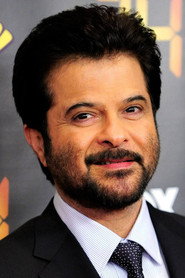 Anil KapoorKaran Chopra
 Mallika SherawatRiya
Directing
- Abhishor SolomanAssistant Director
- Bhavini BhedaAssistant Director
- Kusum PunjabiAssistant Director
- Partha MukherjeeAssistant Director
- Priya AhluwaliaAssistant Director
- Ranjeet JhaAssistant Director
- Saahil SapleAssistant Director
- Sameer SiddiquiAssistant Director
- Sheel NimbalkarAssistant Director
- J. D. ChakravarthiDirector
- Jijy PhilipDirector
- Manish GuptaDirector
- Prawaal RamanDirector
- Ram Gopal VarmaDirector
- Sajid KhanDirector
- Vivek ShahDirector
- Jagdish BabuFirst Assistant Director
- Prashant NagFirst Assistant Director
- Amitha RaoSecond Assistant Director
Writing
- Arshad SayedStory
- Ashish DeoStory
- Manish GuptaStory
- Prawaal RamanStory
- Sajid KhanStory
Production
- Sanjeevkumar NairAssociate Producer
- Yogesh TevatiaExecutive Producer
- Ram Gopal VarmaProducer
- Dilawar Singh RanaProduction Assistant
- Sheel NimbalkarProduction Assistant
- Shambu AryalProduction Manager