
Film
Ju-on: The Grudge
A haunted house that spreads like an infection, told out of order across fractured chapters, each one following whoever wanders into the cursed home next. Rather than one hero, you get a rotating cast of doomed visitors, all converging on the same rage-soaked tragedy. It's less scary in the jump-scare sense, more relentlessly, structurally dreadful — for people who like their dread cumulative.
If you liked this
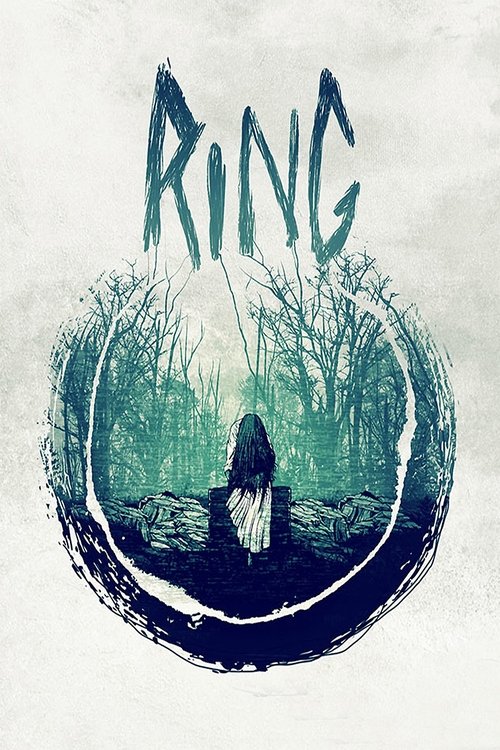
Ring1998
The other pillar of J-horror's curse-that-spreads formula, with the same sense that once you've seen the thing, you're already marked. Slower, colder, and arguably even more influential.
But Its central image has been so thoroughly copied and parodied that it can land softer than it did in 1998.
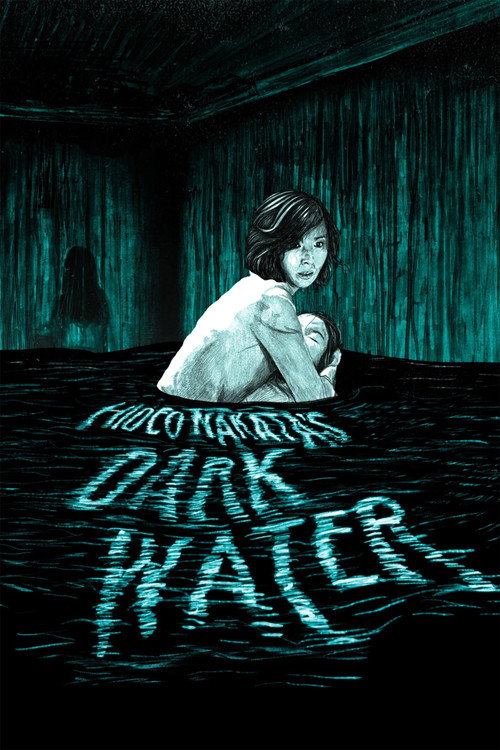
Dark Water2002
Same director, same year, same fascination with domestic spaces gone wrong — but grief-soaked rather than rage-soaked, with a mother-daughter story underneath the dampness and stains.
But Much sadder and slower than Ju-on; if you wanted pure scares, this trades them for melancholy.
The Grudge2004no page yet
The American remake, made by the same director, so you get the exact same house and curse logic filtered through a Hollywood budget and Sarah Michelle Gellar. Genuinely uncanny to compare.
But It's essentially the same film again with English dialogue — diminishing returns if you just finished the original.
The wildcard
Something you would not have found on your own.
Kwaidan1965
Ju-on's ghosts are direct descendants of the onryo tradition Kwaidan dramatises — the wronged woman whose grief becomes a curse that outlives her.
A gorgeous 1964 anthology of Japanese ghost stories, shot on stylised soundstages that look like moving woodblock prints. The template for the vengeful, sorrowful spirit Ju-on's Kayako descends from.
But Three hours long, deliberately theatrical, and closer to folklore recitation than modern scares.
More like this (8)
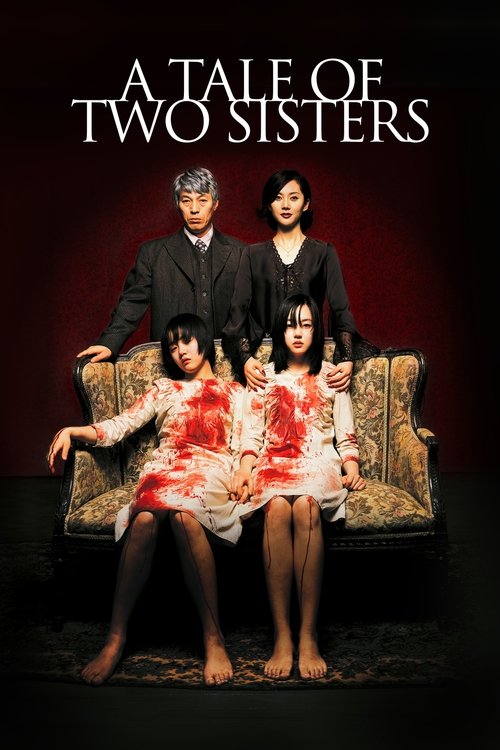
A Tale of Two Sisters2003
Korean horror with a similarly fractured, non-linear structure hiding a domestic tragedy at its core. Gorgeous, unsettling, and rewards a second viewing once you know what actually happened.
But Its twist-heavy plotting demands patience and attention that pure atmosphere-horror fans might not want to give.
Pulse2001no page yet
Ghosts spreading through connection and technology rather than a single house — same creeping, hopeless dread, with an ending that feels genuinely apocalyptic rather than merely spooky.
But Deliberately obtuse and slow; it prioritises mood over explanation to a degree that frustrates plot-hungry viewers.
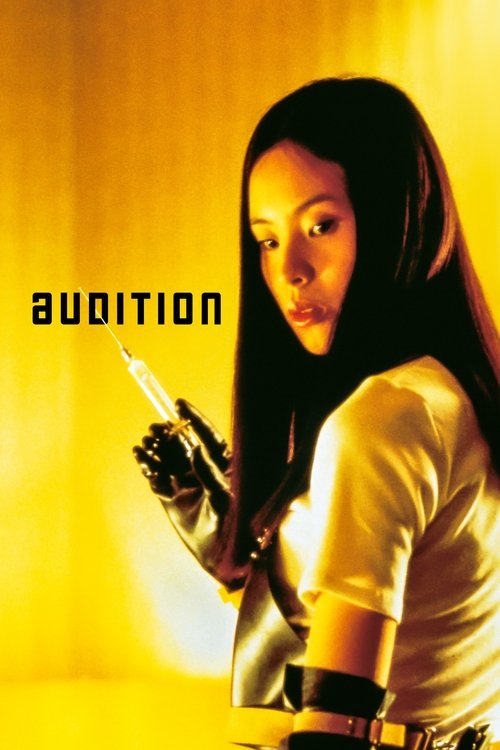
Audition2000
Takashi Miike's infamous slow-burn horror, for anyone who wants the same patient dread curdling into something far more visceral and disturbing by the end.
But The final act is genuinely brutal and has upset far tougher horror fans than you'd expect.
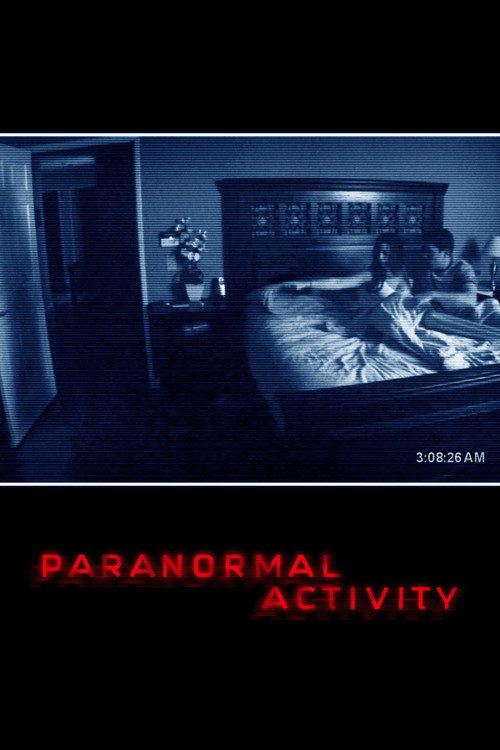
Paranormal Activity2007
A Western cousin in the haunted-domestic-space genre, built on the same idea that home should be safe and isn't. Cheap, effective, and unnervingly plausible.
But Found-footage shakiness and a very different, jumpier rhythm than Ju-on's slow dread.
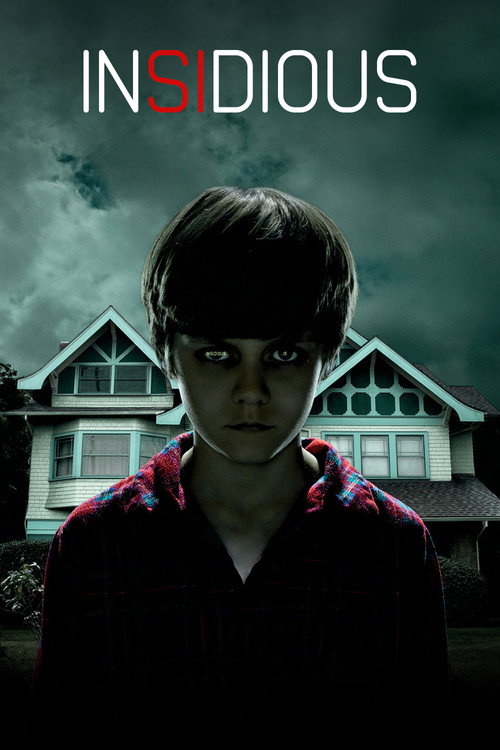
Insidious2011
A more mainstream, jump-scare-heavy haunted house film that still takes the curse mythology seriously, with an ambition that goes further than most modern haunted house films dare.
But Broader and more crowd-pleasing than Ju-on; the restraint and creeping dread give way to bigger, louder scares.
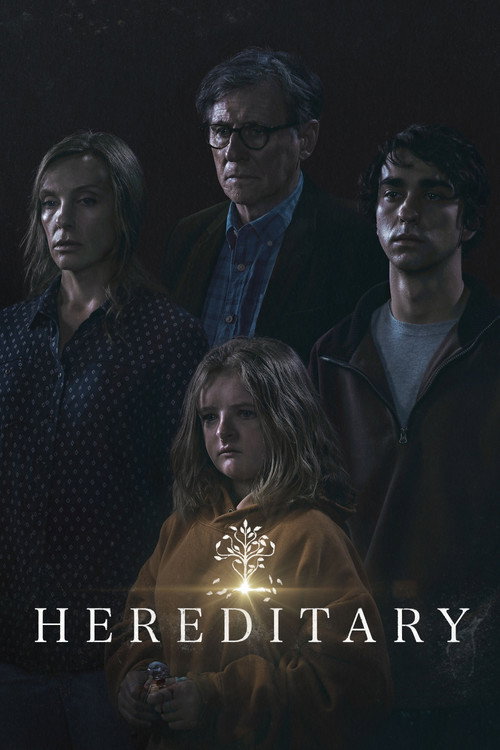
Hereditary2018
For anyone who wants the family-curse idea taken to a devastating, prestige-horror extreme, with grief as the real engine underneath the supernatural machinery.
But Much longer, heavier, and more emotionally punishing — this is horror as tragedy, not horror as scare-delivery.
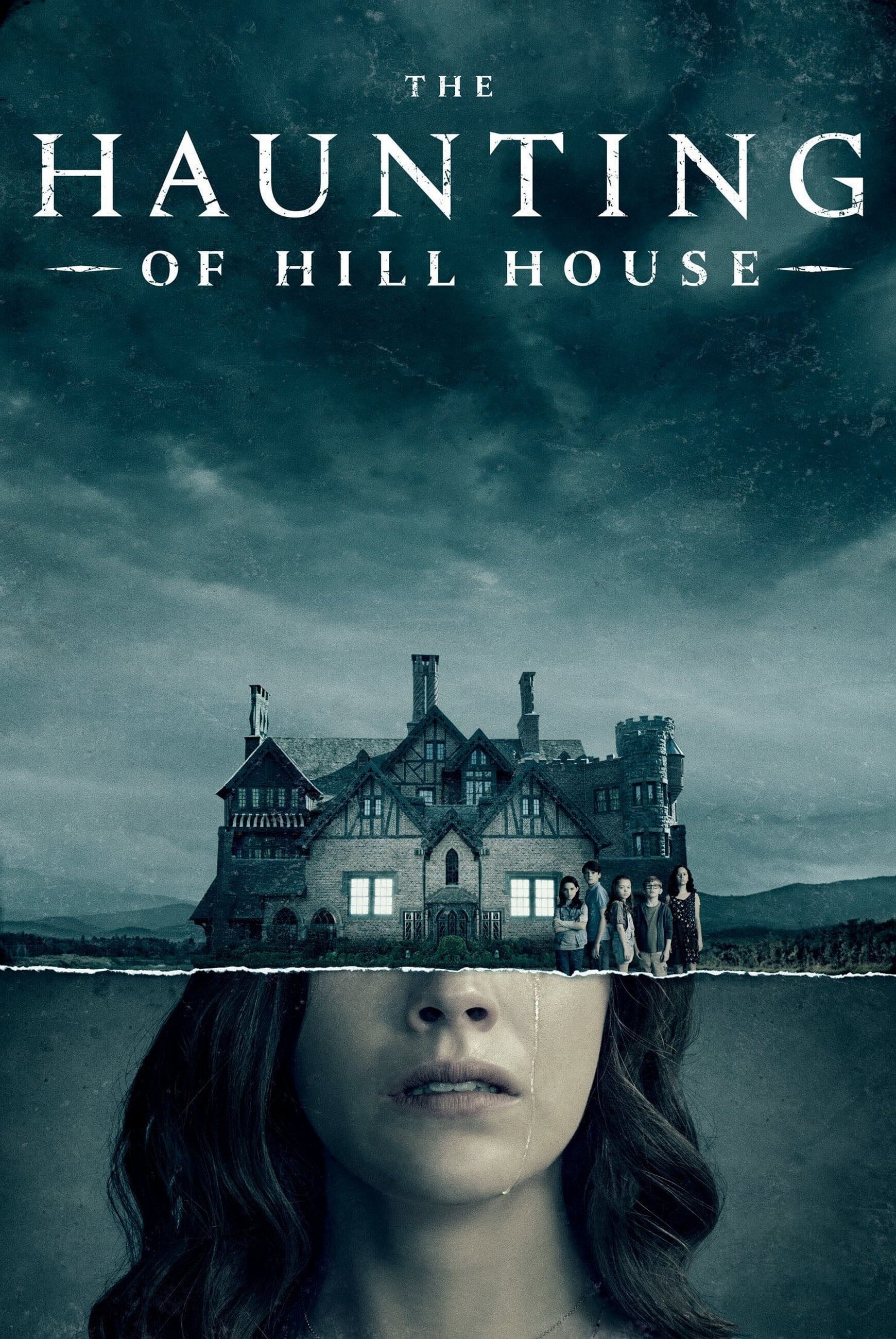
The Haunting of Hill House2018
Same non-linear structure built around a haunted house and the people it ruins across time, just given room to breathe over ten episodes instead of ninety-two minutes.
A ten-hour Netflix series that does what Ju-on does in miniature — fractured timelines, a house that infects everyone who lives there — but stretches it into genuine family drama across decades.
But Much warmer and more sentimental than Ju-on; it wants you crying as often as scared.
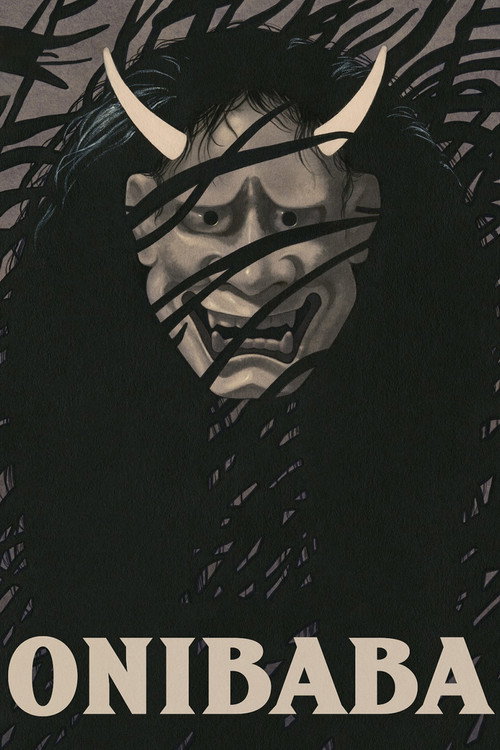
Onibaba1964
Same rural Japanese setting and moral rot festering in an isolated home — the register drops from ghost story to human horror, but the dread is identical.
A stark, sweat-and-mud black-and-white film about two women driven to horror by desperation and jealousy, no ghosts required. It's what Ju-on's dread looks like stripped of the supernatural entirely.
But Slow, folkloric, and more concerned with human cruelty than any jump-scare payoff.
People
Cast
 Megumi OkinaRika Nishina
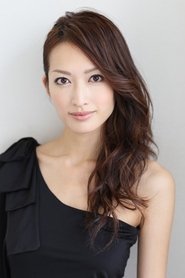 Misa UeharaIzumi Toyama
 Yoji TanakaYuji Toyama
 Misaki ItōHitomi Tokunaga
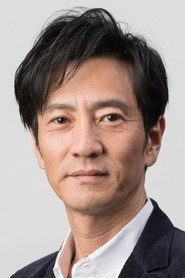 Kanji TsudaKatsuya Tokunaga
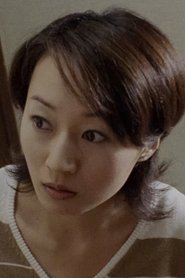 Shuri MatsudaKazumi Tokunaga
 Kayoko ShibataMariko
 Yui IchikawaChiharu
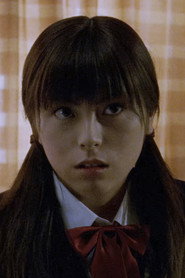 Yukako KukuriMiyuki
 Takako FujiKayako Saeki
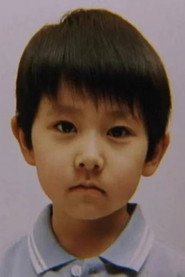 Yuya OzekiToshio Saeki
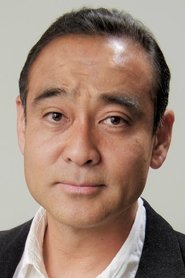 Takashi MatsuyamaTakeo Saeki
Directing
- Masaki AdachiAssistant Director
- Takashi ShimizuDirector
- Yuki YuzawaScript Supervisor
Writing
- Takashi ShimizuWriter
Production
- Rintaro HamasakiLocation Manager
- Hiroki NumataProducer
- Kunio KawakamiProducer
- Takashige IchiseProducer
- Yoshinori KumazawaProducer
- Toshiharu TokiwaProduction Designer
- Katsuhiro OgawaProduction Manager