
Film
The Rope Curse
- Supernatural horror
- Fantasy
- Very dark
A Taiwanese horror film that taps into genuine internet-age dread: the idea that streaming the wrong thing could invite something genuinely dangerous into your home. It's a curse narrative built on modern paranoia—what if the ritual works, and worse, what if it broadcasts? Stylish, tense, and rooted in recognizable contemporary anxieties rather than dusty ghost stories.
If you liked this
The Wailing2016
A South Korean masterpiece about a curse spreading through a village, building dread through ambiguity and character rather than jump scares. Every revelation recontextualizes what came before, and the finale will haunt you.
But It's 156 minutes, deliberately paced, and refuses easy answers. If you need a tidy resolution or constant action, you'll find it slow.

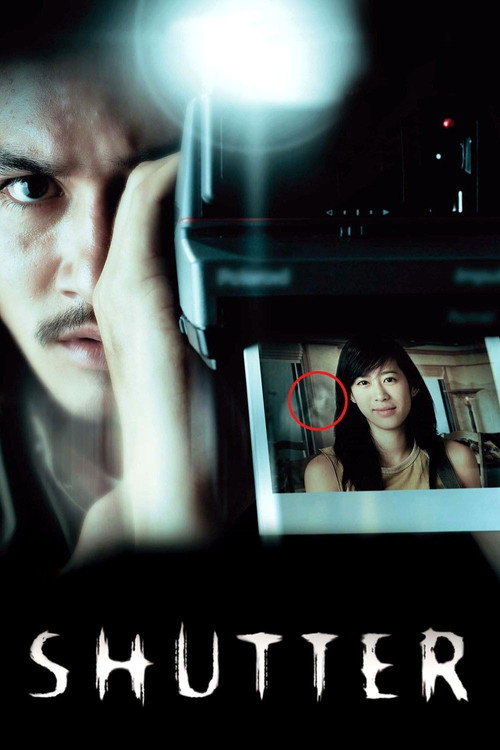
Shutter2004
A Thai film about a supernatural presence attached to a photograph, exploring guilt and digital permanence with real style. The scares are precise and the atmosphere creeps under your skin rather than shouting.
But The twist involves a deeply uncomfortable act. Some viewers find it morally repugnant rather than tragic, which sours the whole experience.
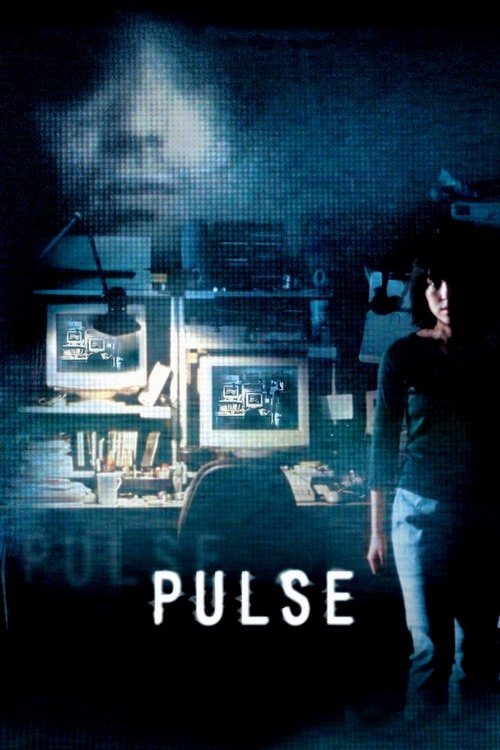
Pulse2001
The original Japanese film that made the internet itself feel haunted—ghosts communicating through your computer. It's eerie, weird, and ahead of its time in capturing how technology can feel invasive.
But The pacing is glacial and the scares are more unsettling than visceral. It's more philosophical dread than thrills.
Not sure tonight? Get a pick in a minute, starting from The Rope Curse
The wildcard
Something you would not have found on your own.
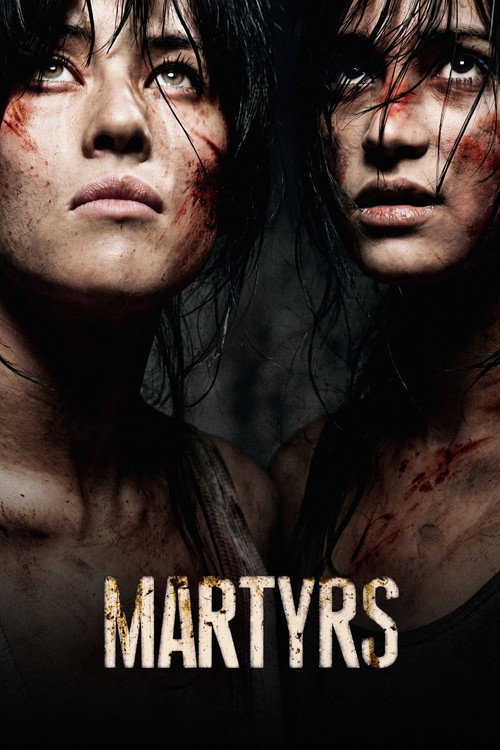
Martyrs2008
Both use a contemporary catalyst—a video, a revelation—to unleash a curse that escalates beyond the protagonists' control, trapping them in something incomprehensible.
A French-Canadian horror film that starts as a revenge thriller and transforms into something metaphysical and theologically terrifying. It asks what we're willing to endure to know the truth about the afterlife.
But It's brutally violent and dedicated to depicting suffering in graphic detail. Some scenes exist purely to punish the viewer. It's an ordeal, not entertainment.
More like this (8)
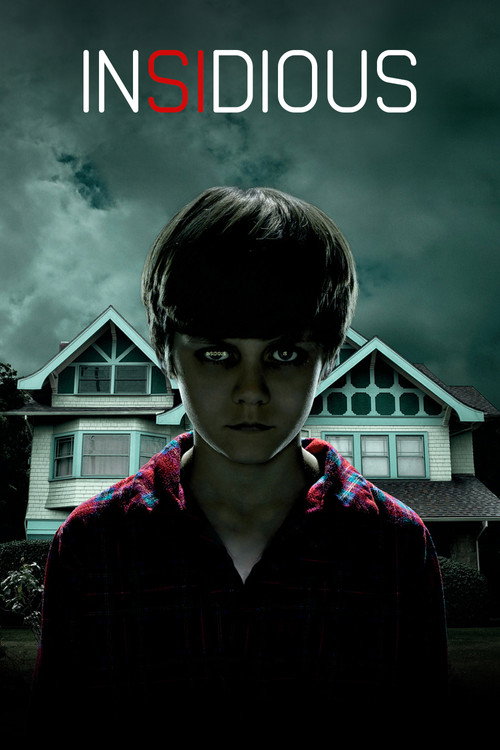
Insidious2011
James Wan at his best: a haunted-house story that remembers that the real horror is family trauma. Expertly paced, genuinely jumpy, and the second half pivots into something stranger and more unsettling.
But The third act relies on sudden loud noises, which feels like a step down from the subtle tension of the first half.
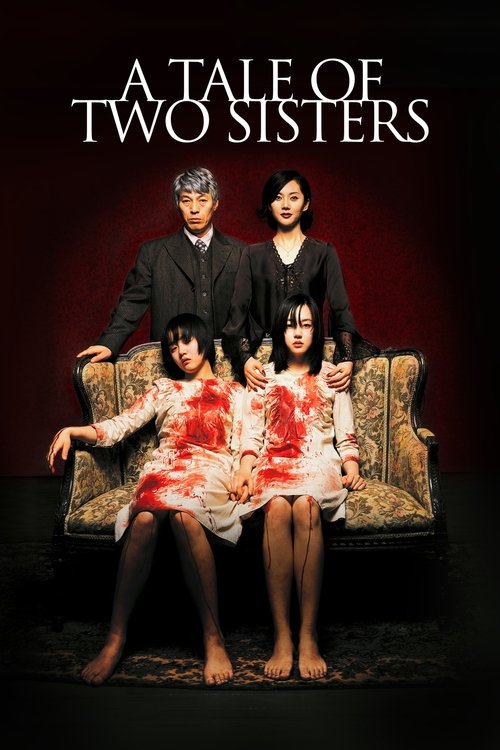
A Tale of Two Sisters2003
A South Korean ghost story that's actually about grief and delusion, told with stunning visual precision. Every frame is composed like a painting, and the horror comes from watching reality fracture.
But It's not scary in a conventional sense. It's unsettling and sad, which might not scratch the itch if you want traditional scares.
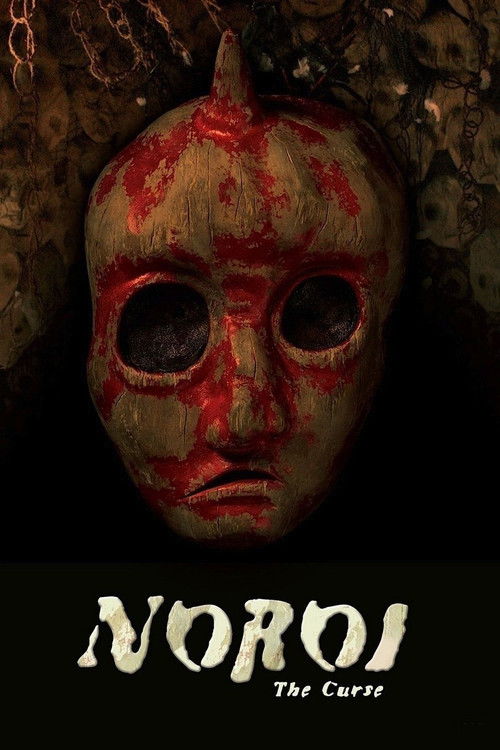
Noroi: The Curse2005
A Japanese found-footage horror film that plays like a detective story about an ancient curse. The slow burn accumulation of details and the genuine creepy-weird atmosphere make it special.
But Found-footage format feels dated now, and the runtime (110 minutes) strains the style. It also has quiet stretches that will test your patience.
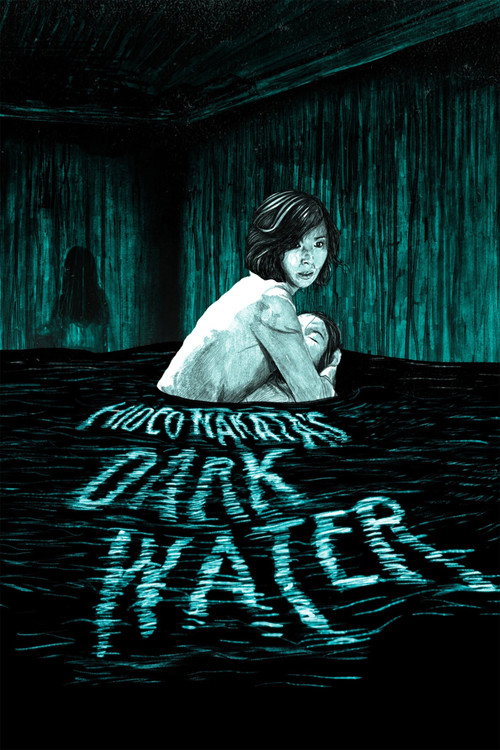
Dark Water2002
Hideo Nakata's masterpiece about a curse passed through an apartment. It's less about scares and more about the slow erosion of safety, with visual elegance that turns decay into art.
But It's a slow, melancholic film that privileges mood over incident. If you're after gore or fast-paced action, you'll be disappointed.
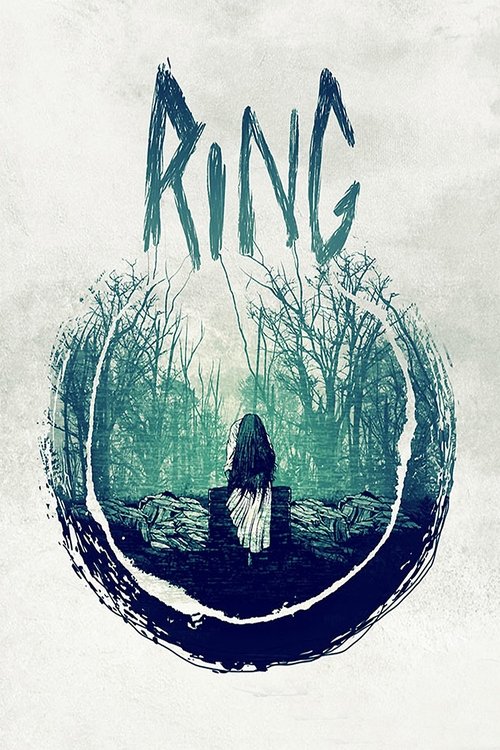
Ring1998
The film that started everything: a video tape that kills you seven days after watching. It's impossibly tense, smartly constructed, and the supernatural logic is airtight. Essential viewing.
But Western audiences have seen so many imitators that the original sometimes feels familiar. The final act is also more conventional than what precedes it.
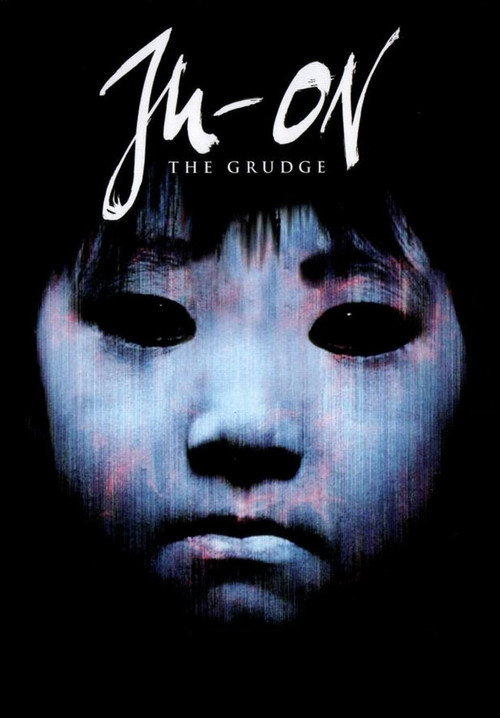
Ju-on: The Grudge2002
A haunted-house curse that spreads to everyone who encounters it, structured as interconnected vignettes. The scares are brutal and the mythology is genuinely unsettling, with a sense of inevitability.
But The non-linear structure and parade of victims means thin character development. It's pure atmosphere and jump scares—no real emotional stakes.
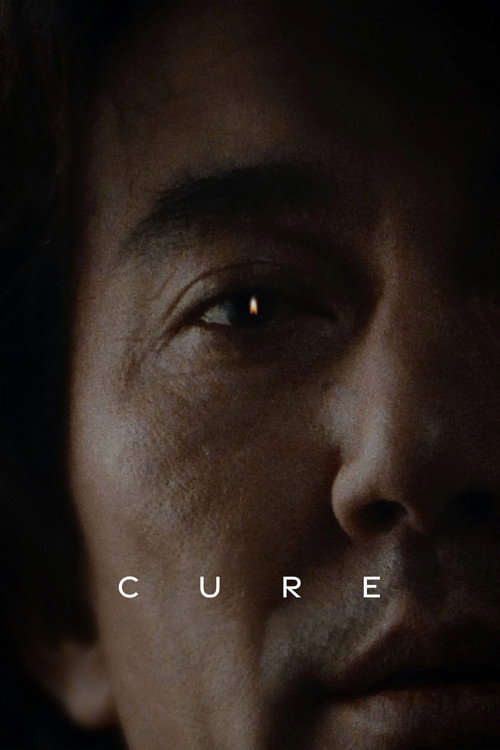
Cure1997
Like The Rope Curse, it's about a single act or idea that spreads contagiously, multiplying in ways the original perpetrator can no longer control. The modern world becomes the mechanism of the curse.
A Japanese film about a man who seems to inspire copycat murders wherever he goes, turning the curse inward: what if the contamination isn't supernatural, but psychological and social? Hypnotic and deeply unsettling.
But There's no traditional narrative. It's more a series of scenes exploring an idea, with minimal plot. Some find it pretentious rather than profound.
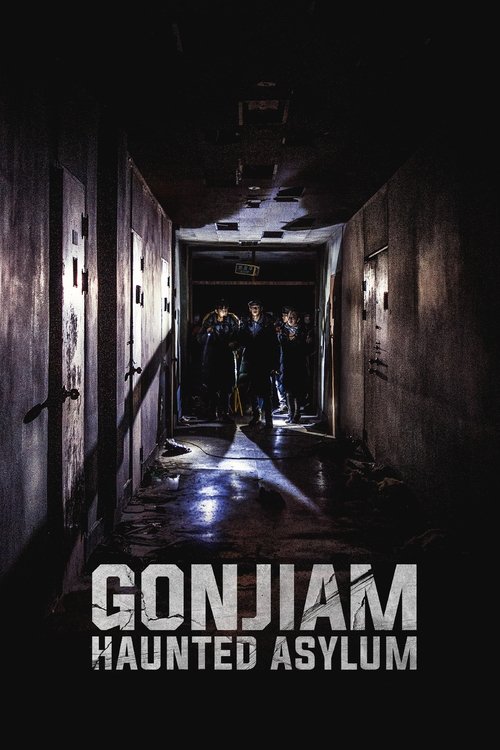
Gonjiam: Haunted Asylum2018
Both center on people streaming or documenting a supernatural encounter, collapsing the distance between witness and victim. The act of broadcasting the horror doesn't contain it—it spreads it.
A South Korean found-footage film about streamers exploring an abandoned hospital, which is basically The Rope Curse's direct thematic twin but inverts it—the curse isn't summoned, it's triggered by investigation. Brilliantly constructed jump scares with real narrative stakes.
But Found-footage remains divisive, and if shaky-cam gives you motion sickness, this will test your tolerance. The scares can feel mechanical if you're tired of the format.
People
Cast









Directing
- Liao Shih-hanDirector
Writing
- Ma Tzu-mingWriter