
Film
The Spiral
The Spiral is a direct sequel to Ring that follows a pathologist investigating his friend's death and discovering the cursed videotape's origins. It's introspective and atmospheric, leaning into tragedy and psychological dread rather than jump scares. For viewers who loved Ring but want deeper mythology and character complexity over straight horror thrills.
If you liked this
Ring1998
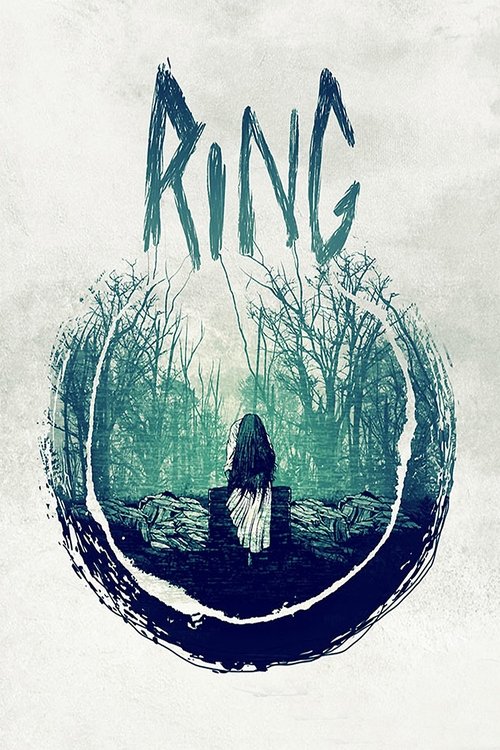
The original that defined J-horror. Pacing, dread, and a genuinely unsettling premise about a videotape that kills you in seven days. Essential viewing and the obvious starting point.
But The special effects look dated now, and the pacing is deliberate—some find it slow rather than atmospheric.
Dark Water2002
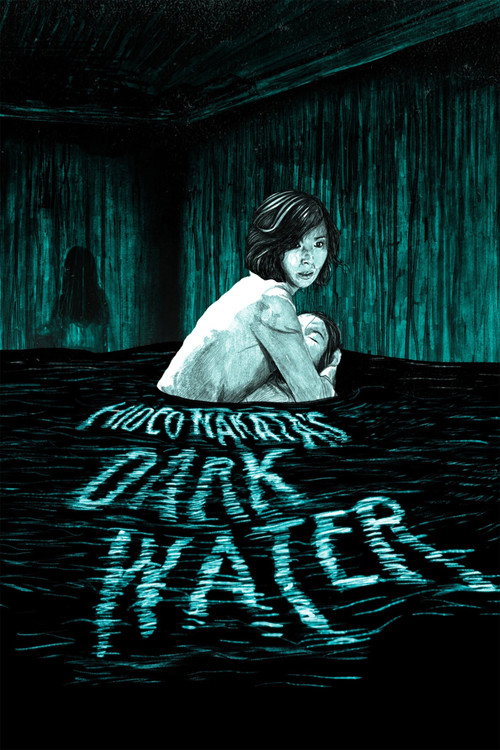
From the same horror universe, explores grief and motherhood through supernatural mystery. Visually haunting and emotionally devastating in a way that stays with you long after.
But Slower-burn than Ring; relies on mood and character over scares. The ending is bleak and offers no catharsis.
Cure1997
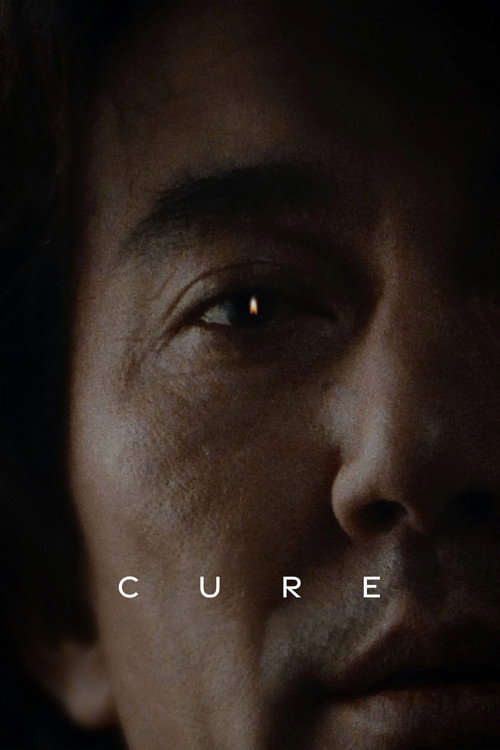
Kiyoshi Kurosawa's masterpiece of psychological horror. A detective investigates a series of seemingly unconnected murders. Subtle, disorienting, endlessly rewatchable—the thinking person's horror film.
But Almost no plot in the traditional sense. Deliberately cryptic and unsatisfying answers. Demands patience and interpretation.
Not sure tonight? Get a pick in a minute, starting from The Spiral
The wildcard
Something you would not have found on your own.
Suicide Club2001
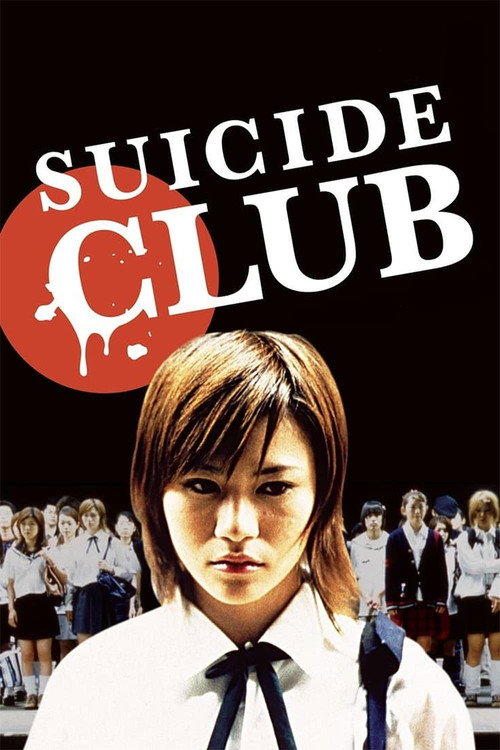
Both use a contagion metaphor—a force spreading through society that targets specific victims. Both explore Japanese anxieties about technology, connection, and isolation beneath their genre surfaces.
Sion Sono's audacious, formally inventive film about a mysterious epidemic of suicides in Tokyo. Shocking, satirical, and visually wild. Horror as social commentary rather than scares.
But Graphic and transgressive. The plot is deliberately disjointed and philosophical. If you want answers, you won't get them—it's about questions instead.
More like this (7)
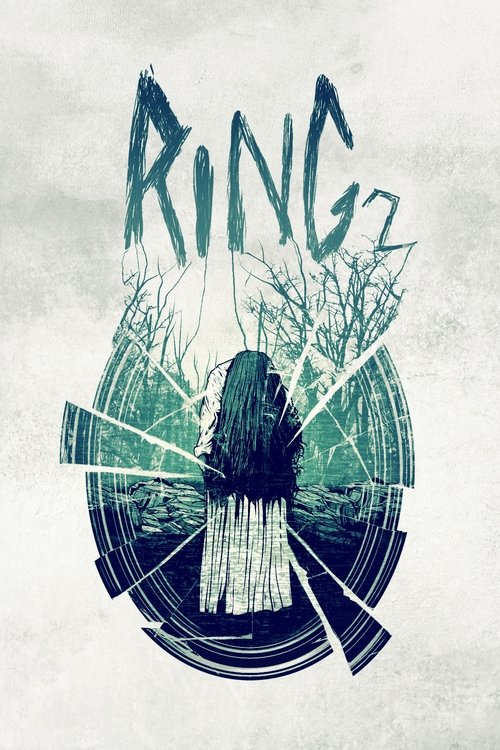
Ring 21999
The original Ring sequel, released the same year as Spiral. Expands the mythology and raises the stakes with new characters pulled into the curse. More action-oriented than Spiral.
But Some consider it a step down from the first. The mythology becomes muddled and the scares feel more conventional.
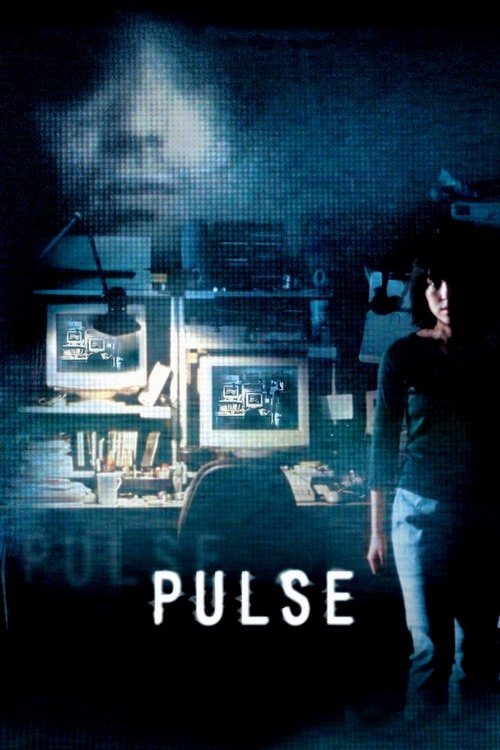
Pulse2001
Kiyoshi Kurosawa's masterwork on urban isolation and technology. People are mysteriously vanishing. Haunting, slow-burn dread that accumulates into existential horror.
But Deliberately paced and often abstract. The horror is philosophical rather than visceral—many find it frustrating rather than frightening.
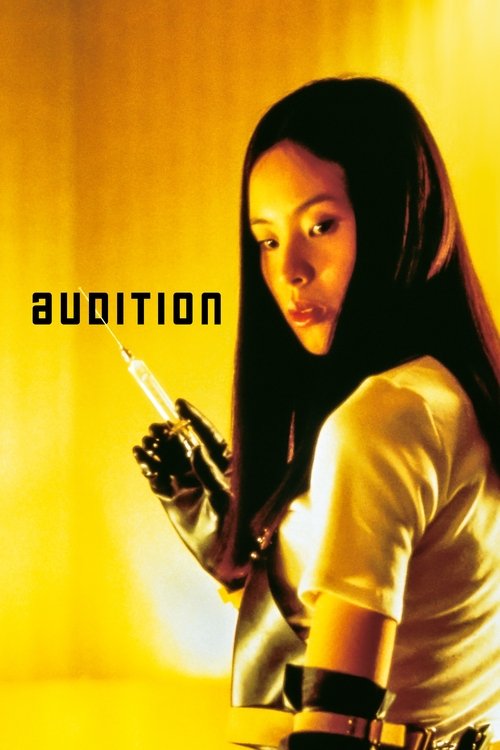
Audition2000
Takashi Miike's visceral exploration of desire and violence. Deceptively begins as romantic comedy before twisting into something genuinely disturbing. Unforgettable and deeply unsettling.
But Contains graphic violence and body horror that's intentionally difficult to watch. The tonal shifts may feel jarring rather than clever.
The Wailing2016
Korean horror-mystery about a mysterious illness spreading through a village. Layered, ambiguous, and endlessly interpretable. A modern masterpiece that rivals the best J-horror.
But Nearly three hours long and deliberately vague about what's actually happening. Requires active engagement and rewards obsessive rewatching.

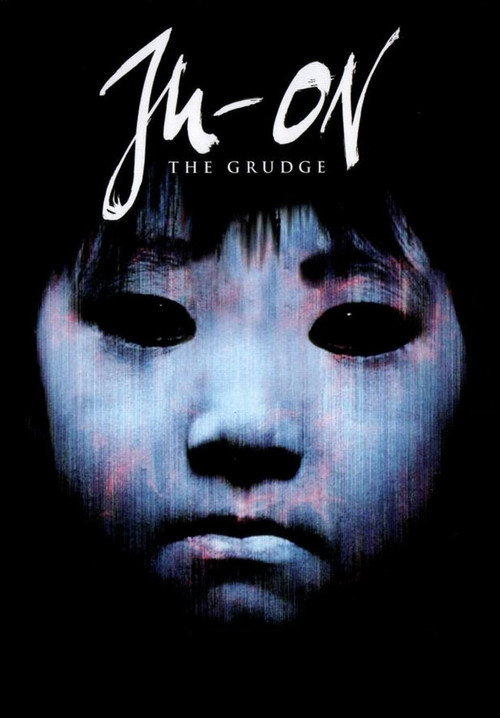
Ju-on: The Grudge2002
Takashi Shimizu's iconic haunted-house film that became the template for modern Japanese horror. Genuinely creepy and influenced an entire generation of filmmakers.
But The non-linear narrative can feel confusing on first viewing. Less subtle than Ring, relying more on sudden scares.
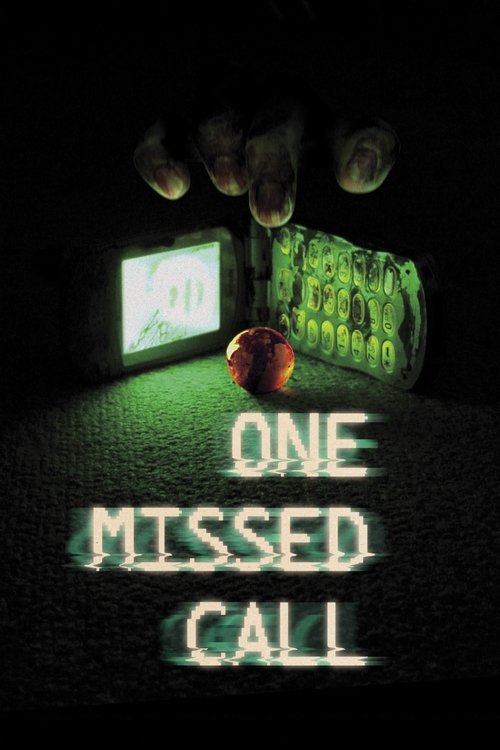
One Missed Call2003
Another J-horror entry about a curse transmitted through technology—this time via cell phone voicemails. Fun premise and solid execution with some genuinely unsettling moments.
But Lighter and less ambitious than its peers. The concept is clever but the execution is more routine horror-thriller fare.
I'll See You in My Dreams2015
Both follow someone pulling at a thread of death that connects them to a ghost. Both treat the supernatural as a byproduct of unresolved guilt and psychological damage rather than external threat.
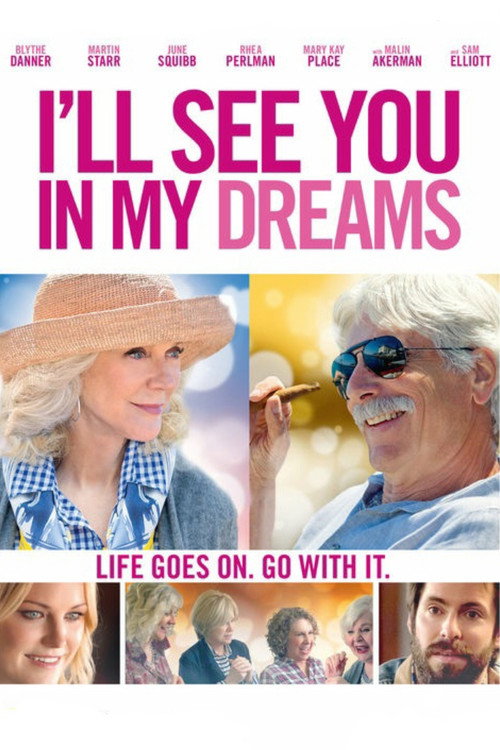
Japanese mystery-horror about a woman investigating a death she may have caused. Dreamlike, intimate, and built on genuine emotional pain. Supernatural elements emerge from character and consequence, not plot mechanics.
But Extremely slow. The supernatural never fully clarifies. More experimental drama than horror—viewers wanting genre momentum will find this frustrating.
People
Cast
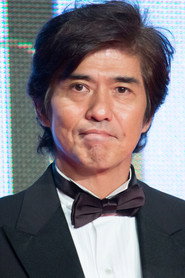 Koichi SatoMitsuo Ando
 Miki NakataniMai Takano
 Hinako SaekiSadako Yamamura
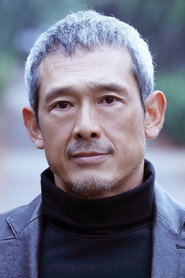 Shingo TsurumiMiyashita
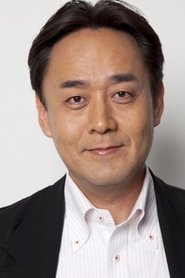 Shigemitsu OgiMaekawa Keibuho
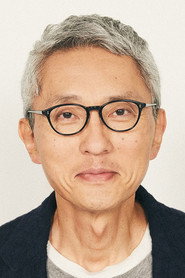 Yutaka MatsushigeYoshino
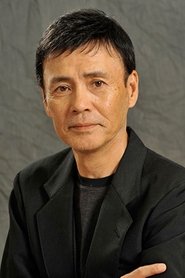 Daisuke BanHeihachirô Ikuma
- Naoaki ManabeKobayashi
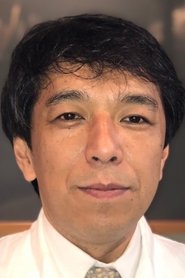 Naoto AdachiFunakoshi
- Eri KakuraiRieko Andô
- Ryûichi SugaharaTakanori Andô
 Masanobu YadaJunsa Buchô
Directing
- George IidaDirector
Writing
- Kōji SuzukiAuthor
- George IidaWriter
Production
- Masato HaradaProducer
- Takashige IchiseProducer
- Takenori SentôProducer