
Film
Suicide Club
- Detective mystery
- Crime
- Thriller
- Very dark
Sion Sono's visionary shock-horror about a cascading suicide epidemic that defies rational explanation. Formally daring, deliberately obscene, and genuinely unsettling—it refuses easy answers or catharsis. For viewers drawn to transgressive cinema that asks uncomfortable questions about contagion, media, and what we're really afraid of.
Should you watch it?
Watch it if you like horror that unsettles through strangeness and dread rather than gore, and you enjoy a mystery that keeps widening into something stranger than its premise suggests.
Skip it if you want a tidy whodunit or steady scares; its logic is loose, its pacing lurches between quiet and chaotic, and some scenes lean hard into the bizarre and sometimes the crude.
What it asks of you: Around ninety-nine minutes, with long unhurried stretches broken by sudden jolts, so it rewards patience and a willingness to let the odd moments sit without being explained.
Not sure? Find tonight's pick in a minute.
If you liked this
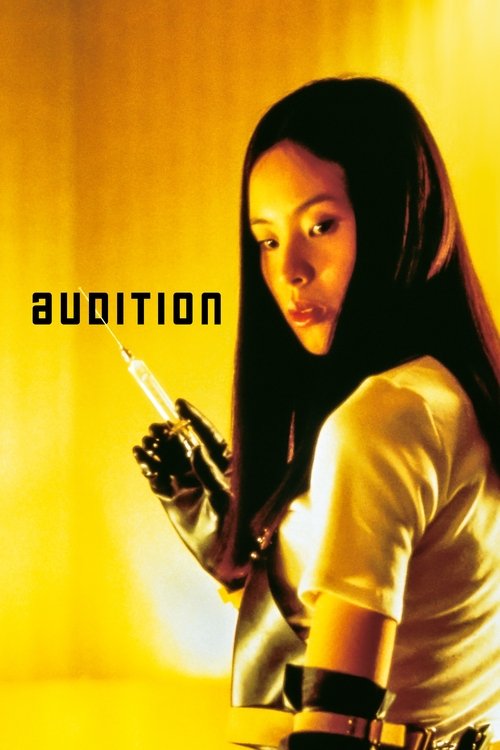
Audition2000
Takashi Miike's masterpiece of escalating dread and body horror. Like Suicide Club, it lures you into complicity, then violates your trust. Visually inventive and morally corrosive.
But The violence is prolonged and sexualised in ways designed to make you deeply uncomfortable. Not an easy watch, and some find it exploitative rather than meaningful.
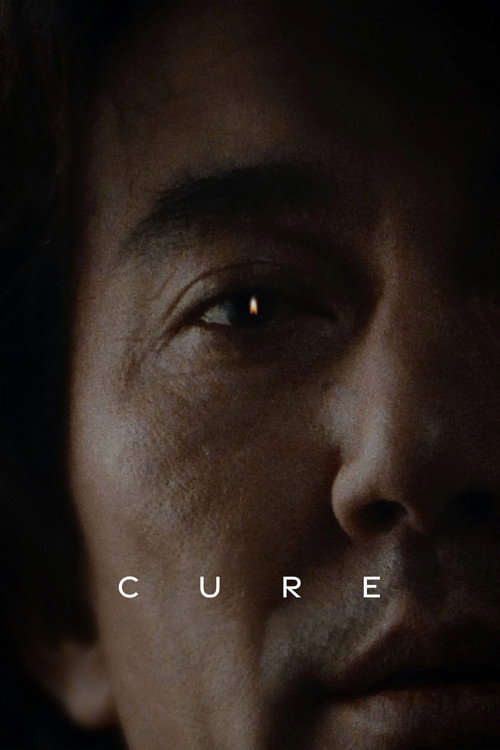
Cure1997
Kiyoshi Kurosawa's hypnotic thriller about a serial killer who 'infects' others with the urge to murder. Same obsession with psychological contagion and inexplicable mass behaviour; similarly elegant and chilling.
But Deliberately paced and abstract. If you want plot momentum or neat resolutions, you'll find it frustratingly opaque and slow.
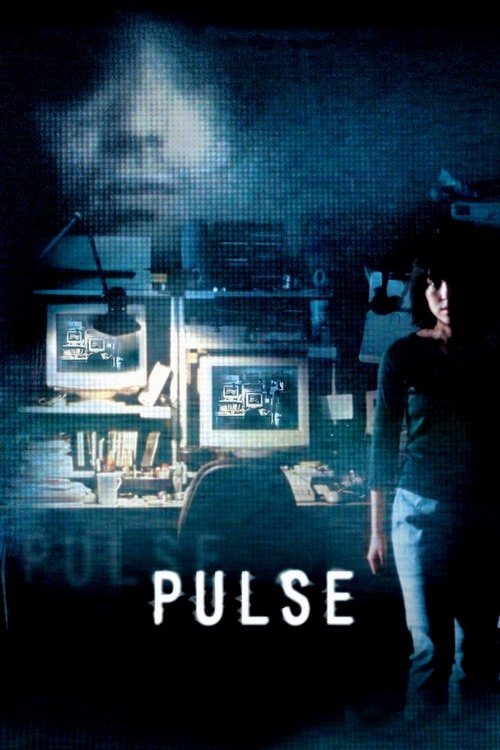
Pulse2001
Kurosawa again, this time exploring how technology spreads despair like a virus. Shares Suicide Club's dread about invisible forces and collective panic. Haunting and genuinely frightening.
But The mood is relentlessly bleak and the pacing glacial. It's more interested in atmosphere than narrative drive, which some find tedious.
Not sure tonight? Get a pick in a minute, starting from Suicide Club
The wildcard
Something you would not have found on your own.
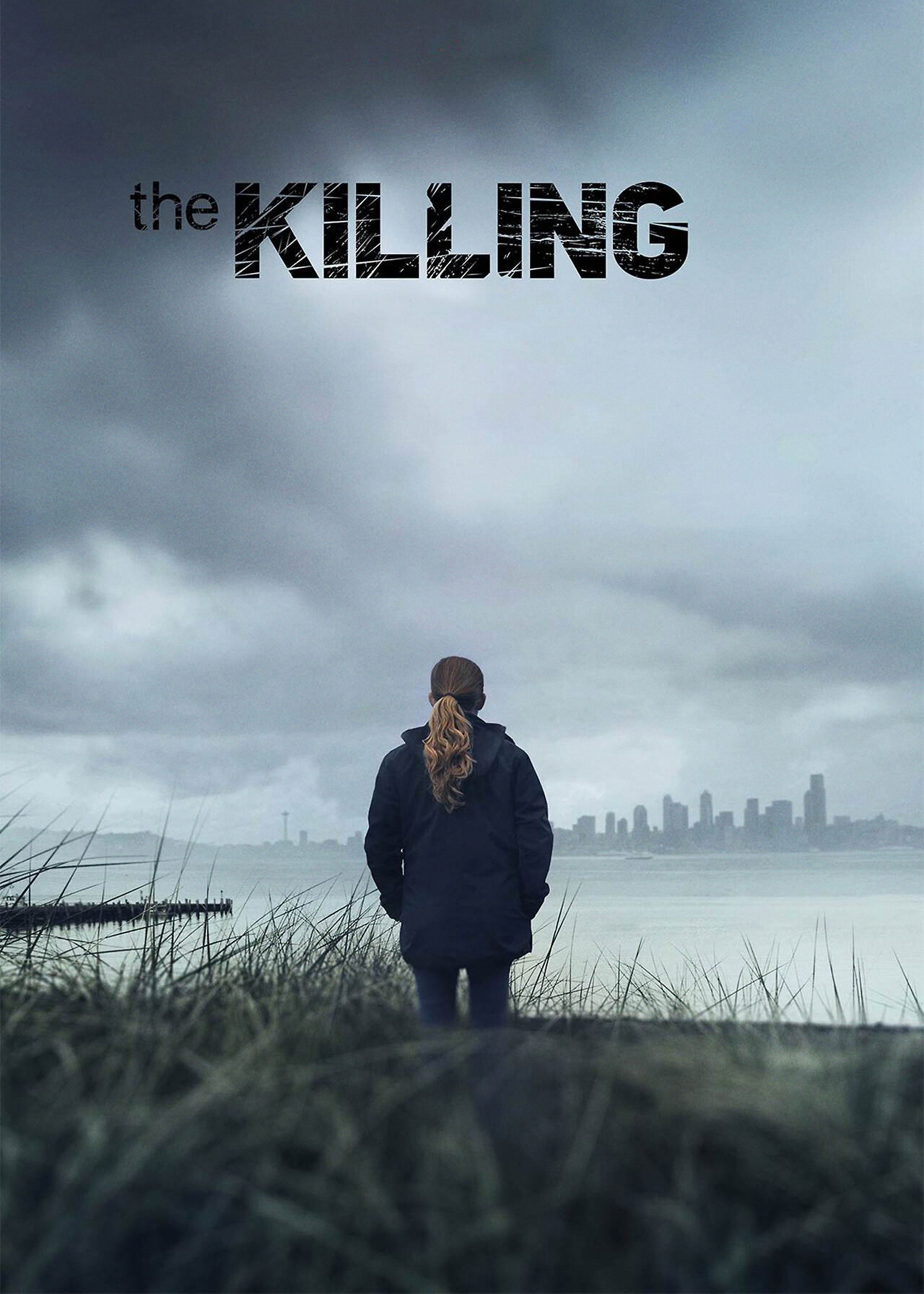
The Killing2011
Both use a single death (or deaths) as the trigger for a story that's really about systemic failure and the impossibility of understanding collective human behaviour.
Sarah Lund's investigation into a murdered teenager spirals into institutional rot and moral numbness. Like Suicide Club, it's obsessed with what lies beneath surface calm in modern society. Scandinavian noir's masterpiece.
But It's a 20-episode commitment with a glacial pace and a plot that sprawls beyond coherence. If you want answers, you'll be disappointed.
More like this (8)
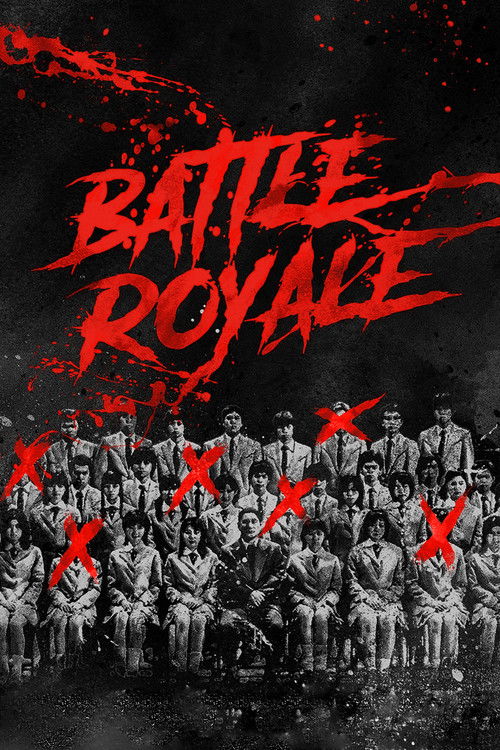
Battle Royale2000
Kinji Fukasaku's savage satire about forced student violence. Both films treat youth as a site of horror and social critique. Darkly funny where Suicide Club is icier, but equally provocative.
But It's visceral and frequently cartoonish, which undercuts the seriousness. The tonal shifts can feel exploitative to some viewers.
Ichi the Killer2001
Miike at his most formally reckless, deconstructing violence and victimhood. Like Suicide Club, it's visually transgressive and asks you to sit with your own complicity in watching brutality.
But The graphic violence and sexual content are extreme. Miike revels in provocation for its own sake, which reads as adolescent to many.

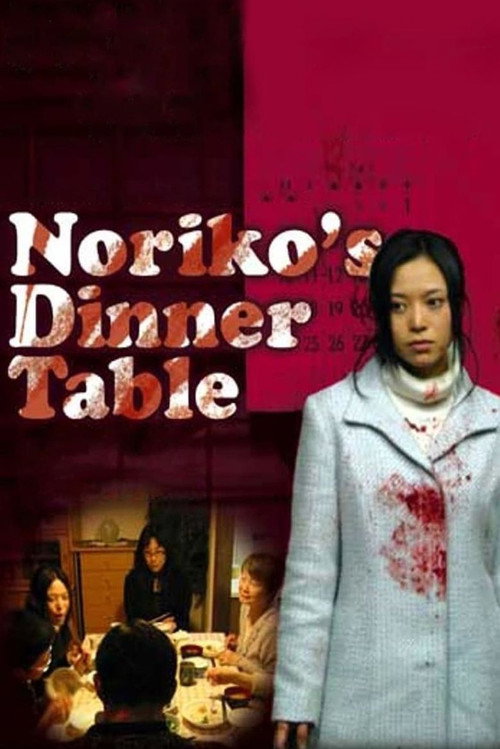
Noriko's Dinner Table2005
Sion Sono's own thematic sequel, investigating families and alienation through a slow-burn mystery. More narrative coherence than Suicide Club, but the same unsettling worldview and formal ambition.
But It's long, digressive, and deliberately obscure about what actually happened. Patience and tolerance for ambiguity are essential.
The Wailing2016
Na Hong-jin's labyrinthine mystery about a village gripped by inexplicable violence and paranoia. Builds dread through withholding answers, like Suicide Club, but with more accessible storytelling and visual richness.
But At over two hours, it's densely plotted and requires active engagement. The ending is deliberately ambiguous in ways some find frustrating.

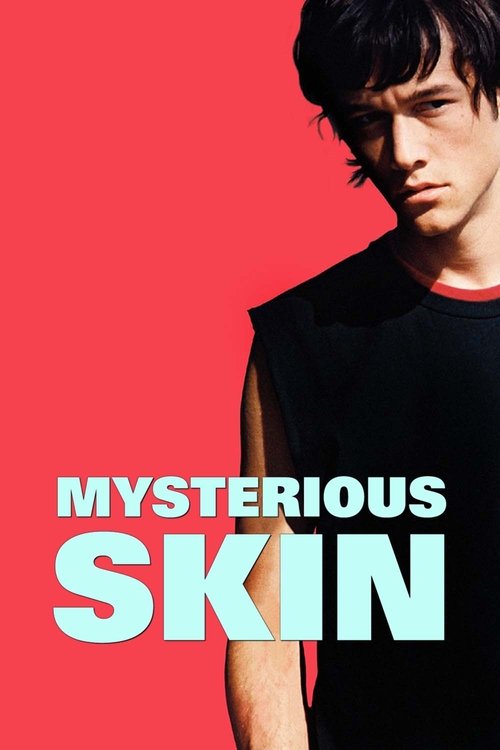
Mysterious Skin2005
Gregg Araki's devastating look at trauma and false memory shaping identity. Like Suicide Club, it's unflinching about psychological damage and resistant to easy emotional catharsis. Quietly devastating.
But It deals with child sexual abuse and its aftermath with uncomfortable honesty. The mood is mournful and the narrative fractured, which isn't for everyone.
Come and See1985
Elem Klimov's apocalyptic vision of war's dehumanising horror. Both films refuse to look away from atrocity or offer viewers moral comfort. A masterpiece of unflinching cinema.
But It's a Soviet film from the 1980s—black and white, slow, and tonally punishing. The subject matter is the Holocaust through a partisan's eyes; it's not a pleasant evening.

Under the Skin2014
Both treat their central horror as inevitable and unstoppable, rejecting the detective-thriller's promise that understanding brings safety. Both are formally experimental to the point of alienation.
Jonathan Glazel's alien-as-predator film told almost without dialogue—a formal exercise in visual dread and the violation of bodily autonomy. Hypnotic, strange, and radically committed to its vision of horror.
But It's glacially slow, narratively cryptic, and features extended scenes of real humans being filmed without their knowledge. Not remotely conventional filmmaking.

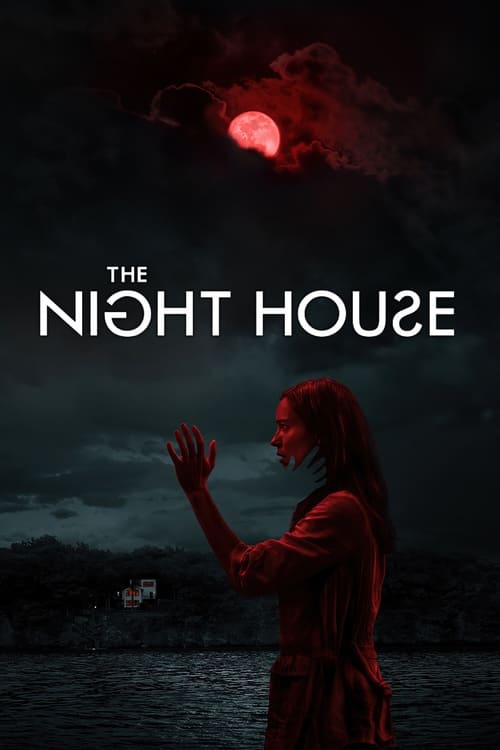
The Night House2021
Both use genre horror as a vehicle for exploring psychological contagion and the impossibility of truly knowing another person. Both suggest that what we don't understand about those close to us is sometimes the most terrifying thing of all.
David Bruckner's portrait of grief as a kind of haunting, where a widow investigates her husband's hidden life and secret desires. Formally adventurous and genuinely eerie—horror that earns its weight from loss, not jump scares.
But It's subdued and introspective where Suicide Club is baroque and transgressive. Some find the pacing too intimate and the scares too restrained.
People
Cast
 Masatoshi NagaseDetective Shibusawa
 Ryo IshibashiDetective Kuroda
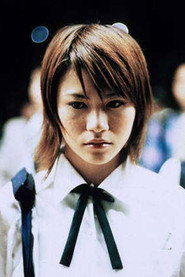 Sayako HagiwaraMitsuko
 Mai HoshoNurse Atsuko Sawada
 Tamao SatoNurse Yôko Kawaguchi
 Takashi NomuraSecurity Guard Jiro Suzuki
 Akaji MaroDetective Murata
 Hideo SakoDetective Hagitani
 Nao NagasawaClassmate
 ROLLYMuneo 'Genesis' Suzuki
 Masato TsujiokaGenesis' Gang
- Kôsuke HamamotoGenesis' Gang
Directing
- Sion SonoDirector
Writing
- Sion SonoWriter
Production
- Atsushi NumataExecutive Producer
- Toyoyuki YokohamaExecutive Producer
- Junichi TanakaProducer
- Seiji YoshidaProducer
- Seiya KawamataProducer
- Toshiie TomidaProducer
Recommended by
Tag, Ichi the Killer, Hellevator: The Bottled Fools, The Spiral