
Film
I'll See You in My Dreams
A widow in her seventies rediscovers herself after twenty years of quiet grief, awkwardly stumbling into romance and friendship. Blythe Danner anchors a film that treats aging with unsentimental warmth: messy, funny, sometimes sad, never patronizing. For anyone who's worried that life ends when love does, or that reinvention requires youth.
If you liked this
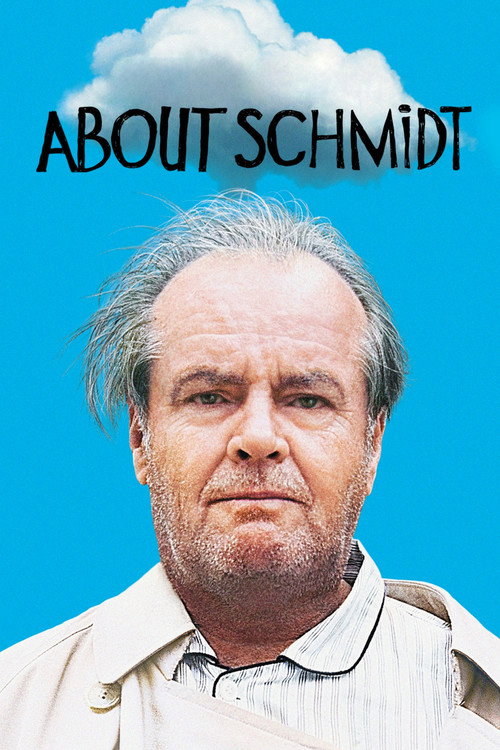
About Schmidt2002
Jack Nicholson as a retired widower confronting emptiness and his own assumptions—another film about late-life disruption that finds both comedy and genuine ache in starting over.
But Nicholson's curmudgeonly performance grates on some viewers, and the tone swings between comedy and cringe in ways that don't always land.
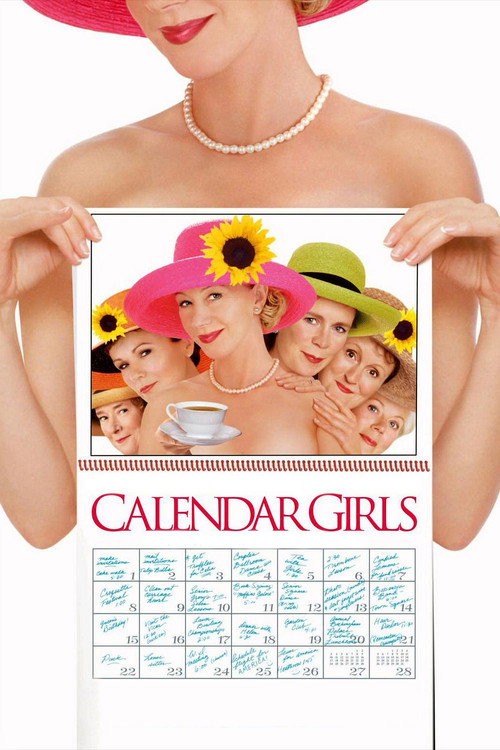
Calendar Girls2003
Middle-aged British women tear up the rulebook to raise funds for charity. It's similarly warm-hearted about mature women refusing to fade quietly, with humour that comes from character rather than compromise.
But The tone is sunnier and more conventionally uplifting, which means it sidesteps some of the sadness that gives the best moments weight.
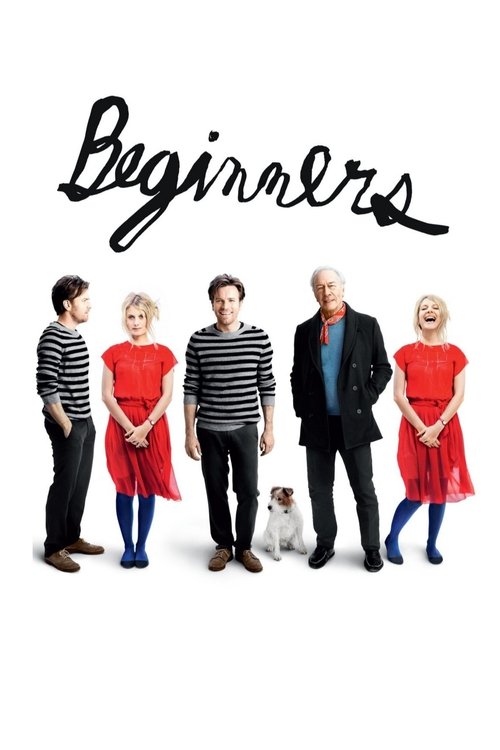
Beginners2011
A son processes his father's late-life coming-out and reinvention. Tender, funny, and structurally daring, it has the same feeling of gently shattered expectations and lives lived in the wrong key.
But The narrative jumps in time and mood; some find it precious or overly clever rather than moving.
Not sure tonight? Get a pick in a minute, starting from I'll See You in My Dreams
The wildcard
Something you would not have found on your own.
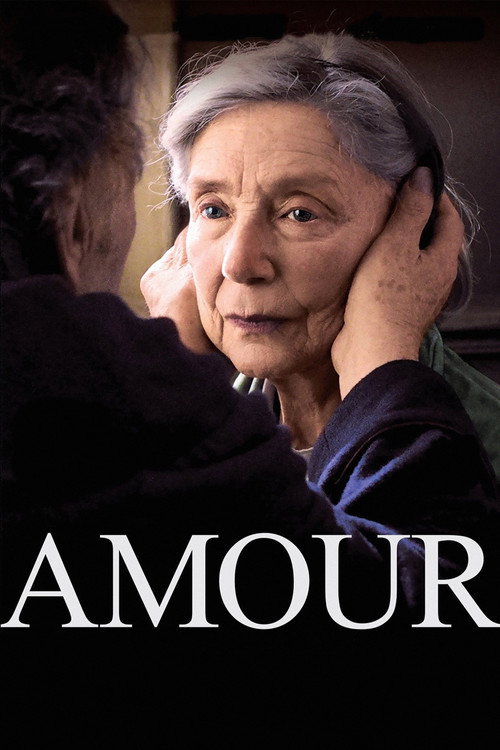
Amour2012
Both are films about older people that refuse to sentimentalize or diminish them; the inverse emotional arc reveals how brave the lighter film is.
Michael Haneke's film about an elderly Parisian couple confronting illness and dependency is a companion piece about late love, but told in the opposite register: where *I'll See You in My Dreams* is about awakening, this is about bearing witness to decline. Both trust aging as a subject that deserves artistic seriousness.
But It is profoundly difficult to watch—not tragic, but unflinching about suffering in ways that make it a different kind of film entirely. You have to be ready for that.
More like this (7)
Thelma & Louise1991
Women of a certain age reclaim agency by refusing to apologize for existing. The throughline of female friendship and the decision to live by your own rules connects directly to Carol's quiet revolution.
But The ending is famous and devastating in a way that leaves no room for the tentative hope that grounds *I'll See You in My Dreams*.

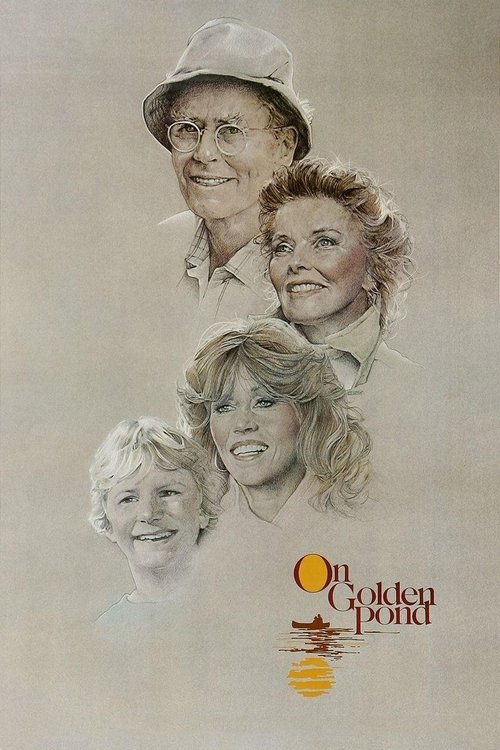
On Golden Pond1981
Katharine Hepburn and Henry Fonda as aging partners confronting mortality and each other. A masterclass in how to photograph aging without flinching, and how love can still surprise.
But The sentimentality is thicker, the drama more melodramatic; it feels like a different century in tone and substance.
Grace and Frankie2015
Jane Fonda and Lily Tomlin as women in their seventies navigating divorce, friendship, and desire. The series premise shares the DNA—aging women refusing invisibility—and the tone is similarly unsentimental.
But It's a long-form commitment; if you want a story that ends, a two-hour film will feel more satisfying.

The Leisure Seeker2018
An elderly married couple embark on a road trip. Both films centre older protagonists and trust their interior lives to carry the story. The quiet attention to how people age is identical.
But The mood is more valedictory; it's a film about saying goodbye rather than saying hello.

The Best Exotic Marigold Hotel2012
A ensemble of older British and American actors playing people who reinvent themselves abroad. Cheerfully optimistic about late-life possibility in ways that feel earned rather than sappy.
But The comedy is broader and the stakes are lighter; it never quite finds the melancholy notes that give *I'll See You in My Dreams* its depth.

Our Souls at Night2017
Robert Redford and Jane Fonda as neighbors who become lovers. A sincere, beautifully lit meditation on companionship and second chances, with the same faith in older people as romantic subjects.
But It plays things safer and sweeter; there's less mess and fewer rough edges than what makes Carol's story genuinely complicated.

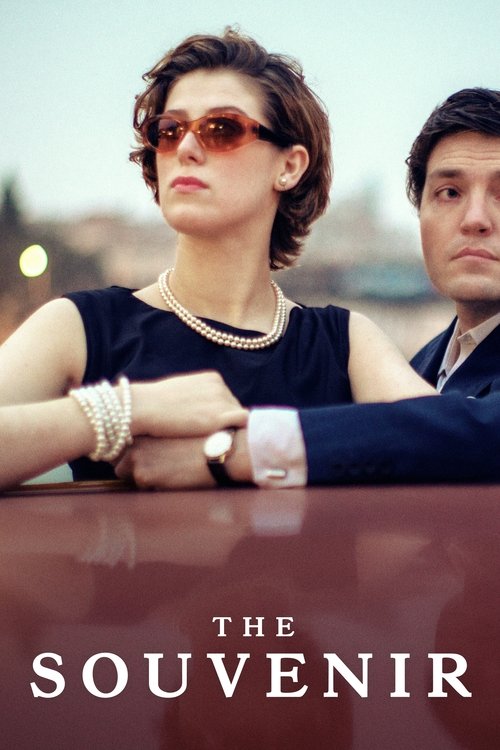
The Souvenir2019
Both understand that reinvention—whether into new love at seventy or into an adult woman at twenty-five—doesn't resolve neatly, and the formal choices reflect that refusal to comfort the audience.
Honor Swinton Byrne plays a film student in the 1980s processing a toxic relationship through retrospection and formal experiment. It's a debut's inventory of grief, shot in gauzy, dislocated ways. Completely opposite in era and register to *I'll See You in My Dreams*—yet both films use formlessness (Carol's bumbling, the film's visual dissolution) to suggest how life actually happens: messily, without narrative shape.
But The visual language is deliberately fragmented and the emotional payoff is ambiguous. If you want clarity and resolution, this will feel deliberately obscure.
People
Cast
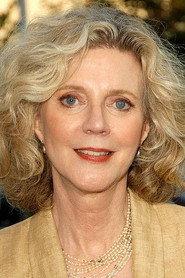 Blythe DannerCarol Petersen
 Martin StarrLloyd
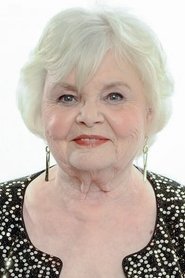 June SquibbGeorgina
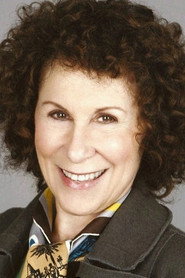 Rhea PerlmanSally
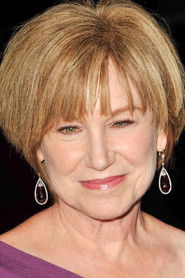 Mary Kay PlaceRona
 Sam ElliottBill
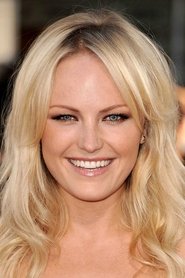 Malin AkermanKatherine Petersen
 Aarti MannDr. DaSilva
 Mark Adair-RiosExterminator
 Ashley Rae SpillersVitamin Store Clerk
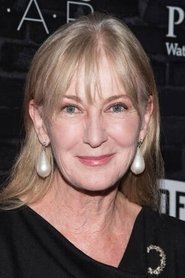 Caroline LagerfeltLeslie
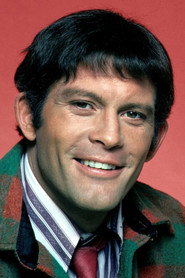 Max GailCarl
Directing
- Brett HaleyDirector
- Chad RosenFirst Assistant Director
- Elizabeth MarighettoScript Supervisor
- Stephanie CluffSecond Assistant Director
- Mikhaela RosenSecond Second Assistant Director
Writing
- Brett HaleyWriter
- Marc BaschWriter
Production
- Emily SchweberCasting
- Msaada NiaCasting Associate
- Ele BardhaExecutive Producer
- Jan Miller CorranExecutive Producer
- Justin R. WilliamsExecutive Producer
- Brett HaleyProducer
- Laura D. SmithProducer
- Rebecca GreenProducer