
Film
Never After Dark
A Japanese horror film about a traveling psychic drawn into a nightmare at an isolated house. Atmospheric and methodical, it builds dread through suggestion rather than spectacle, favoring creeping unease over jump scares. For viewers who want their horror to feel genuinely unsettling and strange.
Should you watch it?
Watch it if you like horror built on slow dread and a mystery that unspools in layers, where the scares come from atmosphere and a lone investigator's unease rather than constant noise.
Skip it if you want a brisk, jump-heavy chiller; this is a 104-minute film that takes its time settling in, and its eeriness can feel more like a mood than a series of payoffs.
What it asks of you: Give it an unhurried evening and patience for a long, quiet build before the tension tightens; it is dark and serious rather than playful, and it rewards close attention.
Not sure? Find tonight's pick in a minute.
If you liked this
The Wailing2016
A South Korean masterpiece that layers mystery, faith, and supernatural terror into something that lingers for days. Deliberately ambiguous in the best way—you'll still be arguing about what it means.
But Nearly three hours long, morally murky, and refuses to give you easy answers or comfortable closure. Demands your full attention.

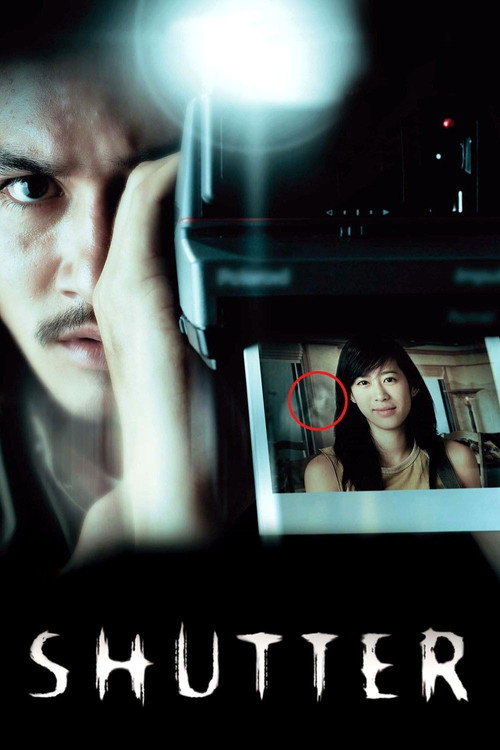
Shutter2004
Thai horror about photography and ghosts that understands how to make you afraid of an image itself. Builds atmosphere with restraint and delivers genuine shock through suggestion rather than gore.
But The twist lands differently on rewatches, and the pacing feels deliberately slow if you're not in the mood for it. Subtitled, obviously.
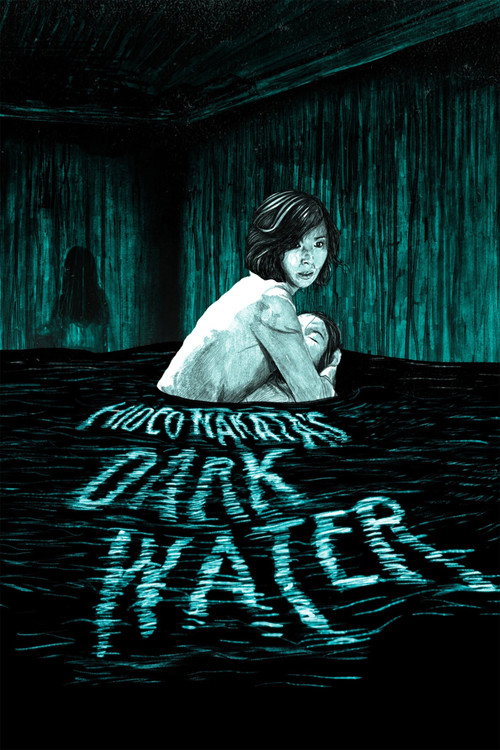
Dark Water2002
Kiyoshi Kurosawa's film about a mother and daughter haunted by something rising from below. Gorgeously composed dread punctuated by moments of real terror. Emotionally devastating in unexpected ways.
But Slow-burn to its core—if you need constant momentum or scares, you'll check your phone. The ending is deliberately melancholic rather than cathartic.
Not sure tonight? Get a pick in a minute, starting from Never After Dark
The wildcard
Something you would not have found on your own.
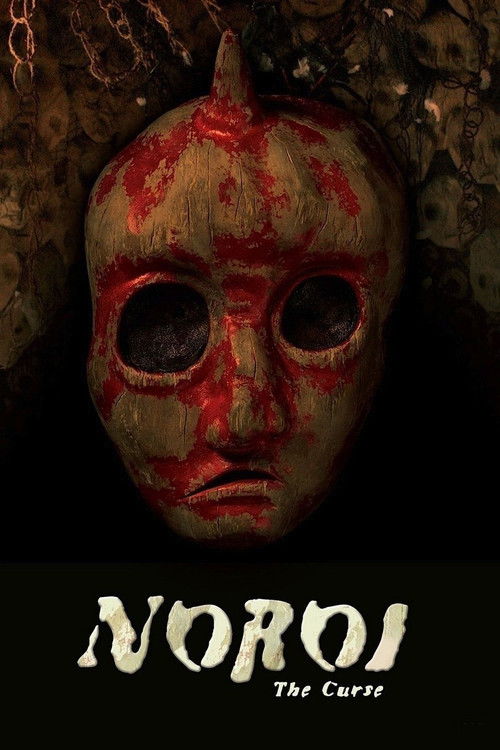
Noroi: The Curse2005
Both use investigation and accumulation of strange details to suggest something vast and malevolent just beyond the frame. Both trust the audience to feel dread from what's *not* shown.
Found-footage horror made a decade before the format became exhausted. Constructed as a documentary of paranormal investigation, it builds an entire mythology of wrongness that feels real and claustrophobic. Genuinely one of the best horror films ever made, full stop.
But Shot on terrible camera quality by design—it's visually rough and deliberately unglamorous. The pacing is glacial and the payoff is existential dread rather than spectacle. Patience is mandatory.
More like this (8)
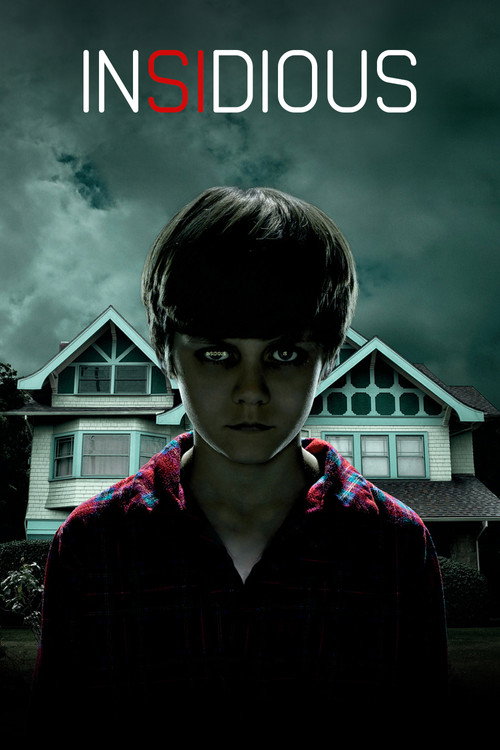
Insidious2011
James Wan proved you could make genuinely frightening horror on a modest budget by understanding spatial dread and sound design. The Lipstick Face Demon is one of cinema's great creations.
But The sequels got silly, so there's baggage. The first half is scarier than the second, and some effects haven't aged perfectly.
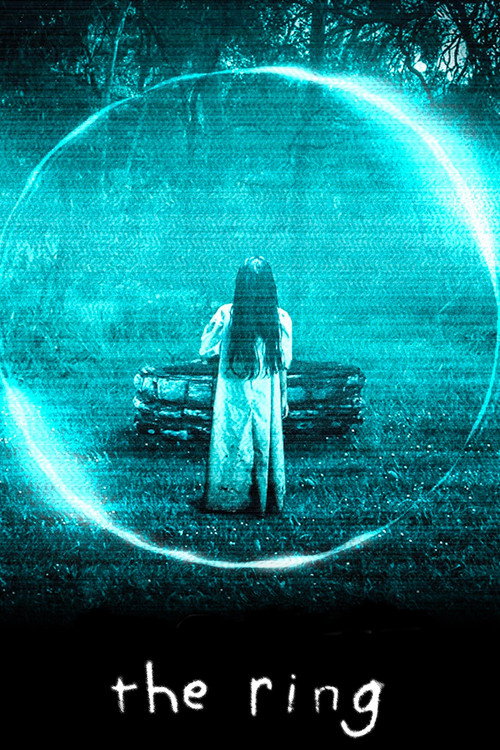
The Ring2002
Gore Verbinski's adaptation of the Japanese classic brought something genuinely new to American horror. The videotape mythology is bulletproof, and Naomi Watts carries it all on her shoulders.
But If you've seen the original Ringu, this feels like a careful translation rather than a reinvention. Some '00s digital effects are showing their age.
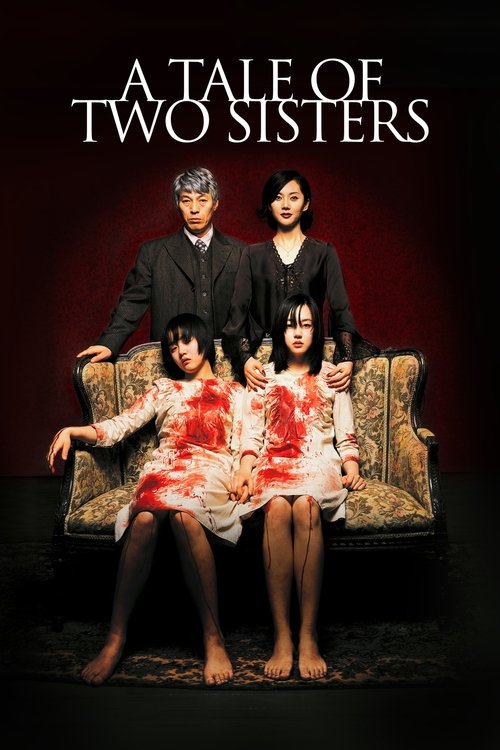
A Tale of Two Sisters2003
Korean horror that uses color, performance, and production design to suggest trauma and psychological unraveling. Visually stunning and genuinely creepy, with a gut-punch of a final act.
But Deliberately disorienting and the narrative threads don't always feel clear. Some viewers find it frustratingly vague rather than mysteriously open.
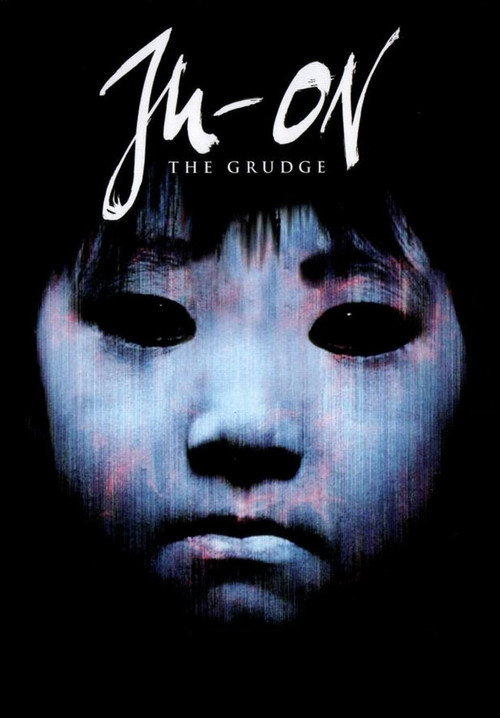
Ju-on: The Grudge2002
The Japanese original that spawned a dozen inferior copycats. Hanabishi Yoko is unforgettable, and the film understands that the scariest horror is the kind that feels inevitable and inescapable.
But The American remake probably dulled the impact for many. The structure is deliberately fragmented and dreamlike, which some find confusing rather than effective.
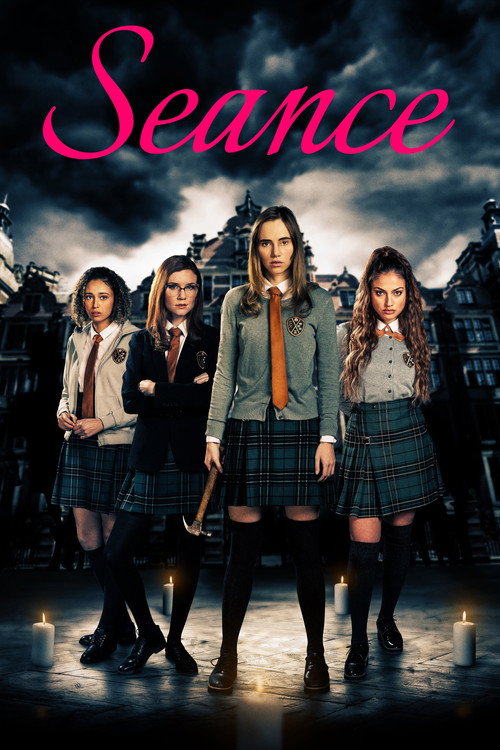
Seance2021
Kübler's debut about teenage girls attempting a séance at school turns into genuine atmosphere and moral complexity. Surprisingly intelligent about friendship, belief, and how quickly groups turn on their own.
But The supernatural elements are secondary to the social horror, which might feel thin if you came for pure genre thrills. Deliberately ambiguous about what's actually happening.
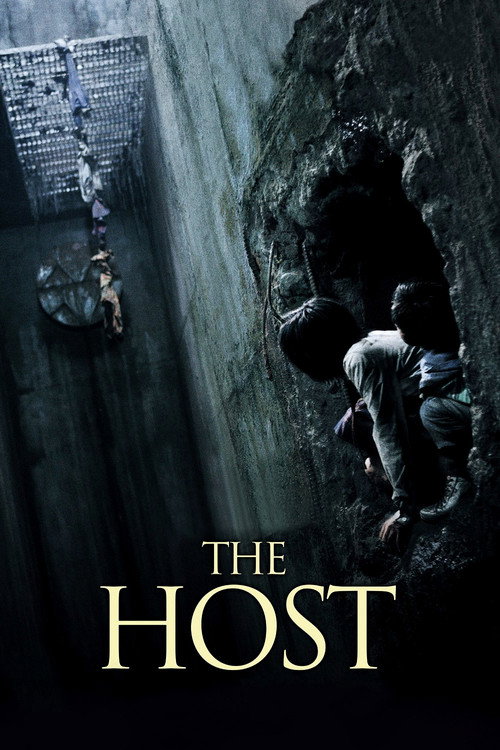
The Host2006
Bong Joon-ho's creature feature that's also a family drama and social commentary. Moves between tones brilliantly, genuinely moving one moment and viscerally terrifying the next.
But Tonal whiplash if you're not in the mood for it. The CGI creature looks a bit dated now, though the film's intelligence masks it.
The Night House2021
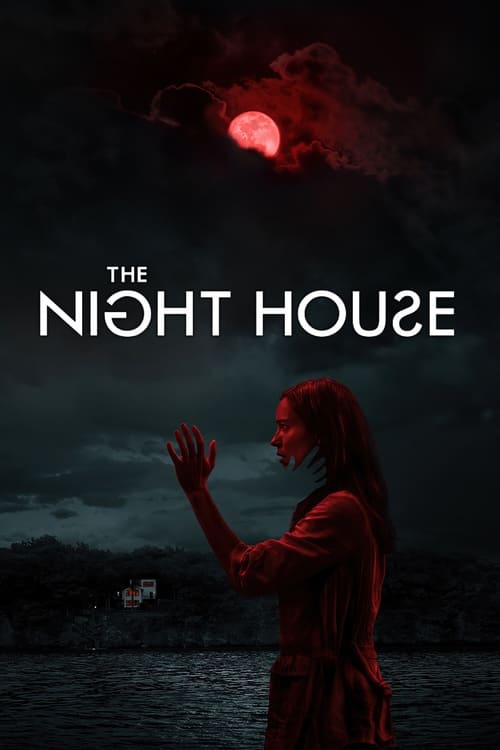
Both explore how the supernatural becomes a lens for processing something deeper and stranger inside the psyche. Both suggest the house itself might be less the problem than what the protagonist brings into it.
Rebecca Hall's performance as a widow unraveling after her husband's death transforms what could be a simple haunting into something far more complex—about how grief itself can feel like possession. Visually stunning and emotionally devastating.
But Not a traditional ghost story, which will frustrate pure horror fans. Hall's performance is so internal that if you don't connect with her character, the film empties out. It's intimate in a way that doesn't scale to group viewing.
Kwaidan1965
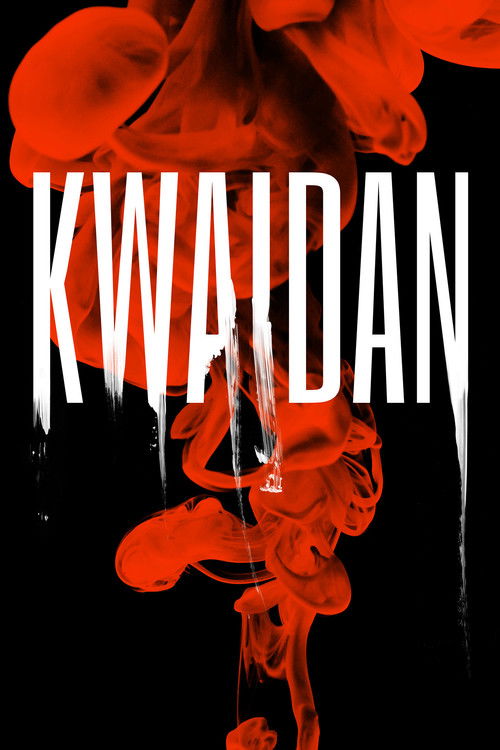
Both favor suggestion and atmosphere over explanation. Both treat the supernatural as something that simply *is* rather than something that needs to be rationalized or defeated. Both are interested in mood as the primary story.
Masaki Kobayashi's four-part anthology of Japanese ghost stories photographed like moving paintings. Pure atmosphere, no gore, nothing rushed—just dread building through color, sound, and the weight of tradition. Looks like nothing else ever made.
But Two hours of very deliberate, very stylized cinema. The stories don't resolve in conventional ways. If you need plot momentum or contemporary pacing, this will feel like watching paint dry in the most beautiful way possible.
People
Cast
 Moeka HoshiAiri
 Kurumi InagakiMiku
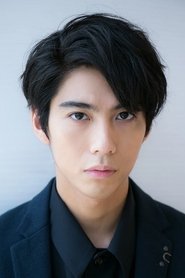 Kento KakuGunji
 Tae KimuraTeiko
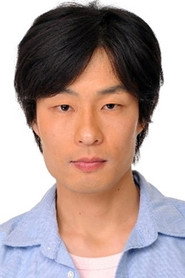 Mutsuo YoshiokaMysterious Man
 Bokuzo MasanaPolice Officer
Directing
- Dave BoyleDirector
- Shôichi KuroyanagiFirst Assistant Director
- Katsuya MitsuokaSecond Assistant Director
Writing
- Dave BoyleScreenplay
Production
- Shun SakaguchiCo-Producer
- Tomoo FukatsuCo-Producer
- Aram TertzakianExecutive Producer
- Maxime CottrayExecutive Producer
- Nate BolotinExecutive Producer
- Todd BrownExecutive Producer
- Toshiyuki SuzukiExecutive Producer
- Dave BoyleProducer
- Kento KakuProducer
- Kosuke TsutsumiProducer