
Film
The Wailing of the Maghrib
An Indonesian horror film that grounds supernatural dread in spiritual transgression and community guilt. The Wailing of the Maghrib uses the liminal time of dusk prayer as a frame for mounting terror, building atmosphere through slow accumulation rather than jump scares. It's for viewers who want horror that feels rooted in a specific cultural and religious landscape, where the real threat is internal shame made manifest.
Should you watch it?
Watch it if you enjoy slow-burning village horror where dread grows out of ritual, superstition and a community's shared unease rather than jump scares.
Skip it if you need fast pacing or relentless scares, since this takes its time and leans on atmosphere and folklore more than shocks.
What it asks of you: Settle in for just under two hours of patient build-up, with long quiet stretches and a dark, unhurried mood that needs close attention to its rituals.
Not sure? Find tonight's pick in a minute.
If you liked this
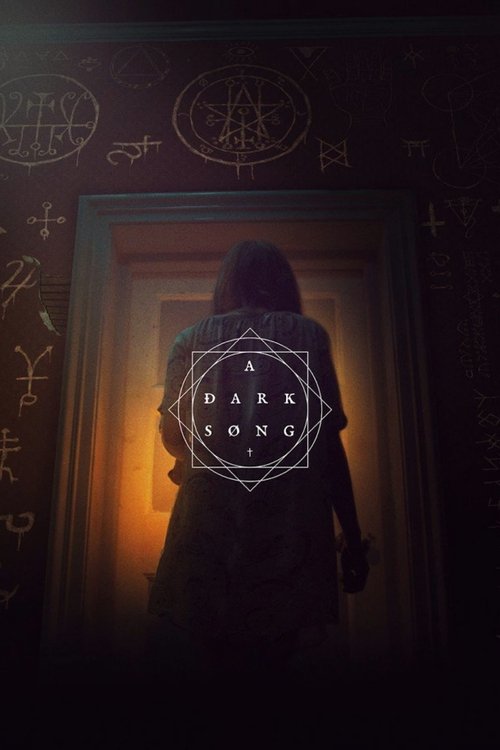
A Dark Song2016
A woman hires an occultist to conduct a dangerous ritual. Like The Wailing of the Maghrib, it's a slow-burn horror about spiritual seeking and painful personal reckoning, where the supernatural becomes a mirror for internal torment.
But The pacing is glacial and deliberately austere. Very little happens for long stretches, which will test patience.
The Wailing2016
A Korean masterpiece about how faith, doubt, and community suspicion spiral into chaos when evil enters a small town. Shares the Indonesian film's interest in how religious tradition collides with modern uncertainty and moral ambiguity.
But Nearly three hours long and deliberately cryptic about what's really happening. The ending offers no easy answers, which some find frustrating rather than thought-provoking.

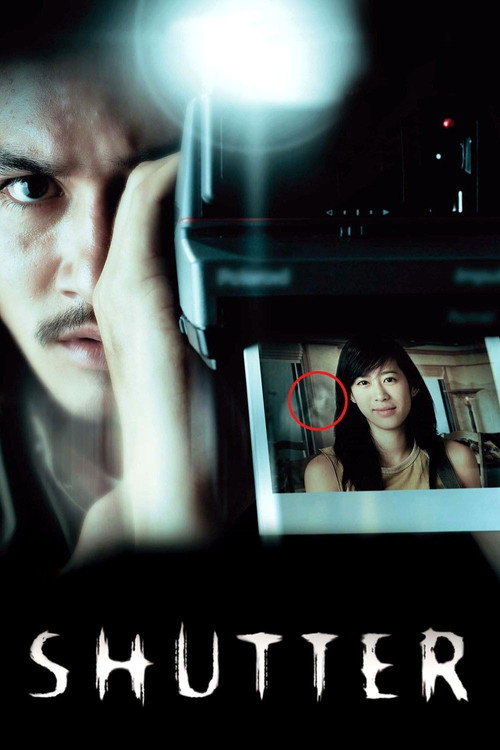
Shutter2004
A Thai supernatural horror about guilt made visible through photography. It builds dread through mounting strangeness and has the same sense of inescapable consequences for a hidden transgression.
But The central act that triggers the haunting is genuinely upsetting. The film doesn't look away from what the protagonists deserve.
Not sure tonight? Get a pick in a minute, starting from The Wailing of the Maghrib
The wildcard
Something you would not have found on your own.
Come and See1985
Both films understand that the deepest horror comes not from ghosts but from guilt made visible, and that witnessing atrocity changes you in ways that cannot be undone.
A Belarusian war film of devastating power that shows how horror—true horror—lives in human cruelty and the corruption of innocence. It shares The Wailing of the Maghrib's refusal to separate the supernatural from the moral weight of transgression, except here the transgression is war itself.
But One of the most unrelentingly brutal films ever made. Not horror in the genre sense, but horror in the truest sense. It is difficult to watch and harder to forget.

More like this (8)
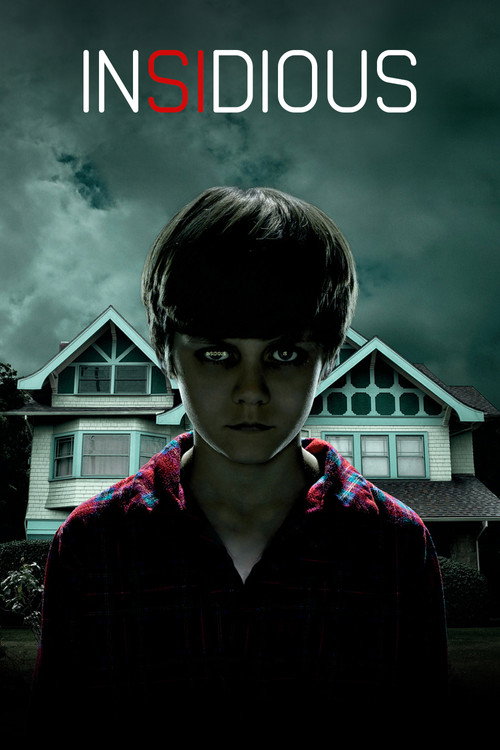
Insidious2011
A haunted-house film that trades gore for atmosphere and psychological unease. It understands how horror deepens when you have time to sit with dread rather than constant scares.
But The third act pivots toward more conventional supernatural action. If you want sustained tension, it wobbles.
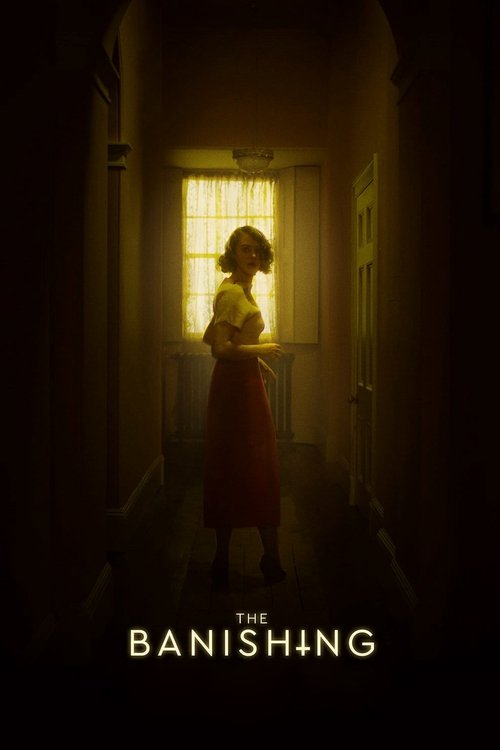
The Banishing2021
A post-war British supernatural drama where a clergyman and his wife move into a home with a malevolent history. Atmospheric and morally complex, with horror that emerges from human darkness and spiritual crisis.
But Visually subdued and emotionally heavy. It prioritizes unease over excitement, and some viewers find it too slow to engage.
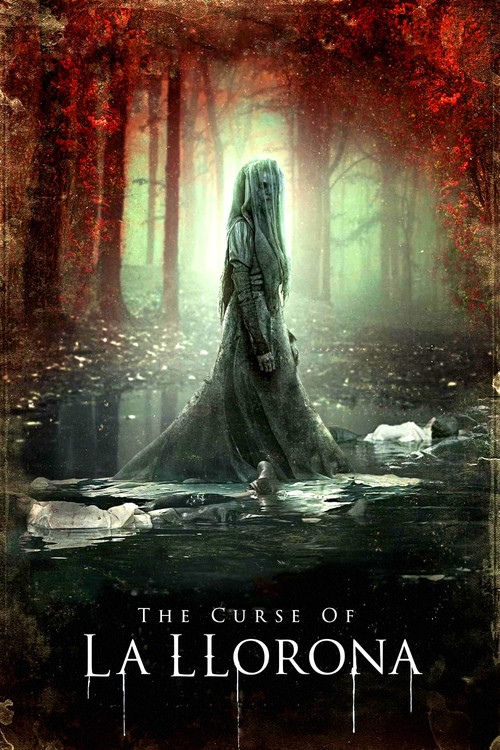
The Curse of La Llorona2019
A haunting rooted in Latin American folklore and maternal trauma. It shares The Wailing of the Maghrib's approach of grounding horror in cultural belief systems rather than generic jump-scare mechanics.
But The screenplay is thin and the scares become repetitive. It doesn't dig as deep into its mythology as it promises.
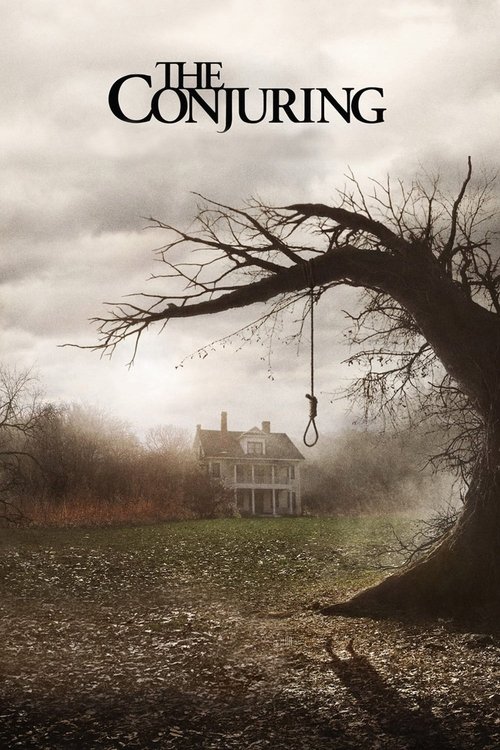
The Conjuring2013
A masterclass in tension-building that respects the audience's intelligence. Paranormal investigators work through layers of a haunting with craft and patience—no cheap tricks, just earned scares.
But It's been imitated so many times that the original now feels familiar. Also deliberately old-fashioned in style, which isn't for everyone.
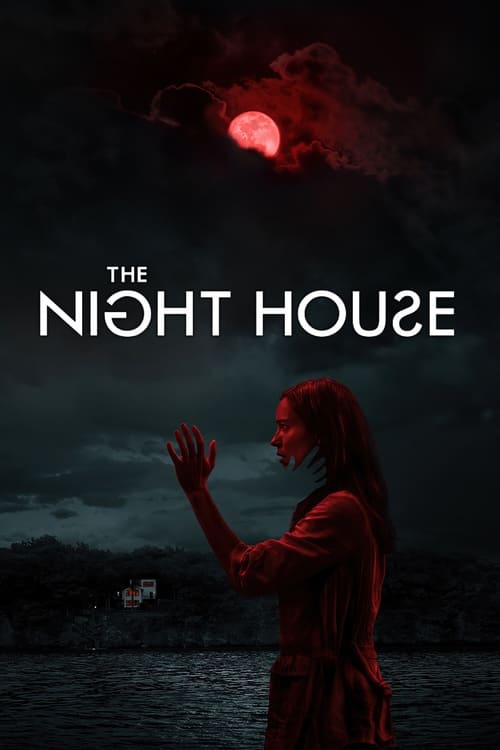
The Night House2021
An Iranian-German psychological horror about a couple trapped in a hotel where reality becomes unstable. Haunting and surreal, it emphasizes mood and disorientation over narrative clarity.
But Deliberately abstract and fragmentary. It demands active interpretation and refuses to explain itself.
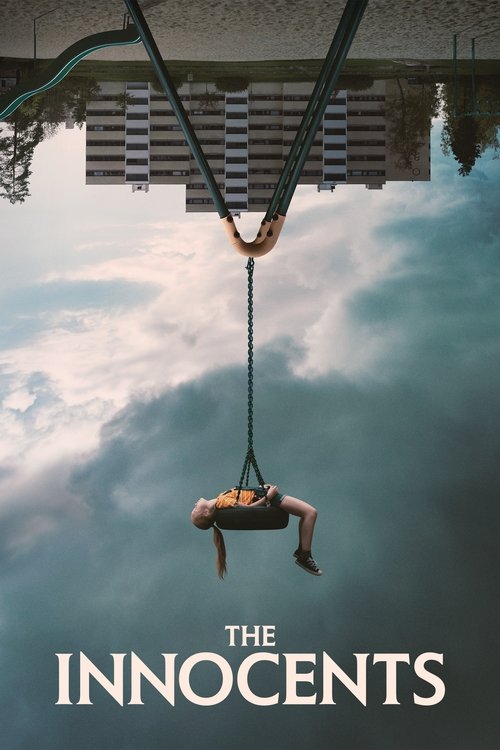
The Innocents2021
A French-Swiss film about possession and trauma in a convent during WWII. It's unsettling and intellectually rigorous, finding horror in suffering and the collision of faith with atrocity.
But Bleak, slow, and finally quite disturbing. Not a film that offers catharsis or comfort.
Mulholland Drive2001
Both films use a specific location and time as a container for psychological and spiritual collapse, where the real horror emerges from what characters refuse to see about themselves.
David Lynch's fractured Los Angeles nightmare where identity dissolves and reality splits. It's a horror film masquerading as a noir, building dread through atmosphere, symbolism, and the slow realization that nothing is as it seems—like unraveling why the sin at Maghrib time matters.
But Deliberately nonlinear and resistant to interpretation. It rewards rewatching but frustrates viewers who want clear narrative resolution.

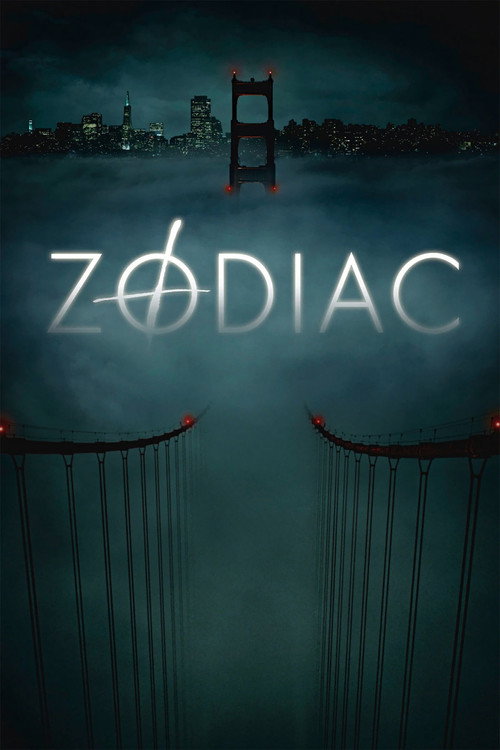
Zodiac2007
Both films suggest that some questions, once asked, cannot be unasked, and that seeking the truth about transgression may destroy you more thoroughly than the transgression itself.
Fincher's obsessive true-crime procedural functions as a horror film about the corruption that comes from chasing certainty and truth at any cost. Like The Wailing of the Maghrib, it's about how searching for answers—about sin, about guilt, about what happened—can consume and transform you.
But Three hours of detective work with minimal violence and an ambiguous ending. If you want resolution or catharsis, this will disappoint you.
People
Cast
 Ali FikryAdi

 Bima SenaSaman Abdullah
 Aulia SarahSri Woro Hadisono
 Taskya NamyaNingsih
 Andri MashadiKarta
- Kevin AbaniSamiun
 Muhammad AbeVillage headman
- Sulis KusumaVillage headman's wife
 Bambang PaningronUstadz
 Bebe GraciaWati
- RiyantoKasan
Directing
- Sidharta TataDirector
- Mario KartawinattaFirst Assistant Director
Writing
- Sunar SamtaniCreative Producer
- Agasyah KarimWriter
- Bayu KurniaWriter
- Khalid KashogiWriter
- Sidharta TataWriter
Production
- Widhi Susila UtamaCasting Director
- Priya NKExecutive Producer
- Sunil SamtaniExecutive Producer
- Wicky V. OlindoExecutive Producer
- Bagas Luhur PribadiLine Producer
- Ignatius Dimas YuliantoLine Producer
- Gope T. SamtaniProducer