
Film
The Banishing
A 1930s haunted-house film that treats its gothic premise with genuine unease. The Banishing leans into atmosphere and period detail over jump scares, following a clergyman and his family as their new home reveals something fundamentally wrong. It's for viewers who want dread to accumulate slowly, who appreciate craft in service of mood, and who don't mind ambiguity about what's actually happening.
Should you watch it?
Watch it if you love slow-burn dread inside an old house, where the unease comes from silence, period detail and a marriage under strain rather than from jump scares.
Skip it if you want a brisk pace or plenty of visible scares, since this takes its time and keeps its menace largely in the background for long stretches.
What it asks of you: Settle in for a patient ninety-seven minutes, with long quiet scenes that build dread gradually and little urgency until the final stretch.
Not sure? Find tonight's pick in a minute.
If you liked this
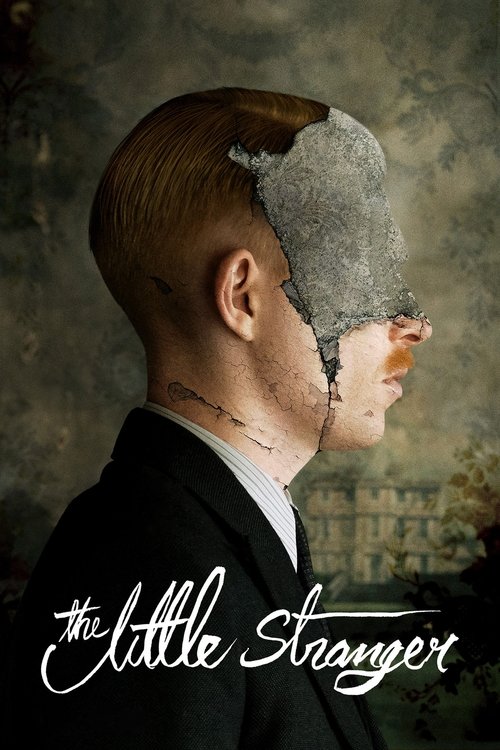
The Little Stranger2018
Post-war Britain, a stately home harbouring something unknowable, a slow-burn that privileges unease over explanation. Domhnall Gleeson and Ruth Bradley anchor it with genuine emotional weight while the house itself becomes a character.
But The pacing is glacial. If you need clear answers or forward momentum, you'll find yourself frustrated well before the end.
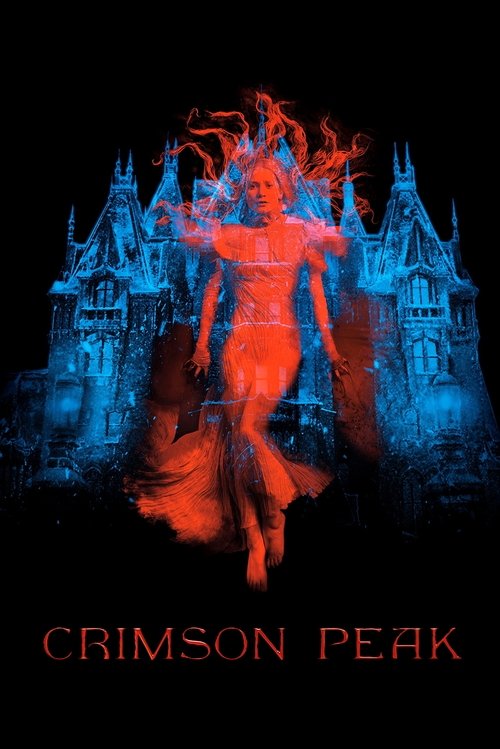
Crimson Peak2015
Guillermo del Toro's love letter to gothic horror: gorgeous production design, a genuinely unsettling atmosphere, and Tom Hiddleston doing menace so well it feels effortless. The film trusts you to feel dread without explaining everything.
But Some find it overstuffed, and the twist is readable from miles away if you've seen this type of film before.
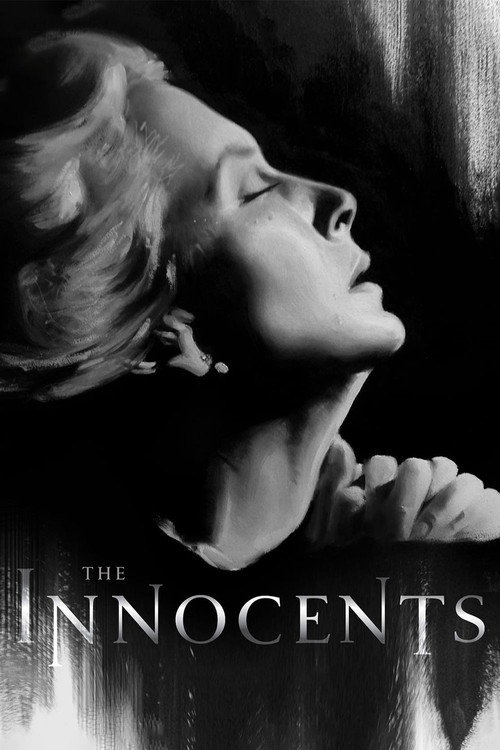
The Innocents1961
A masterclass in psychological horror that refuses to tell you what's real. Deborah Kerr in a haunted house with two children: is it supernatural or something worse? The ambiguity is the entire point, and it's devastating.
But Black and white, glacial pacing, and the climax relies on interpretation rather than resolution. Not for viewers who need certainty.
Not sure tonight? Get a pick in a minute, starting from The Banishing
The wildcard
Something you would not have found on your own.
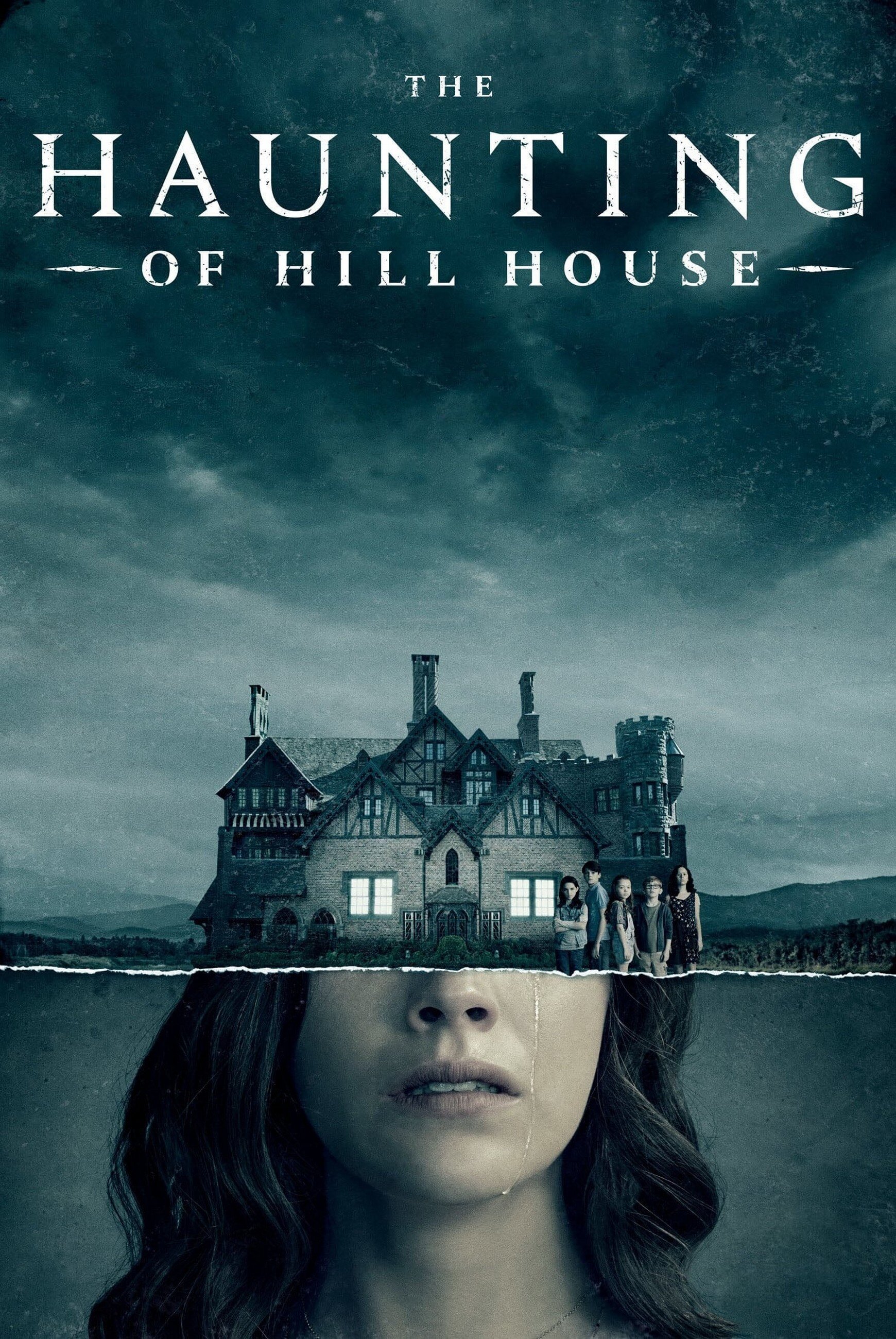
The Haunting of Hill House2018
Both treat the house as a repository of darkness that forces characters to confront what they already carry. The horror isn't purely external—it surfaces what's buried in the people living there.
Netflix's adaptation uses the haunted house as a trauma engine: each character carries a piece of what the house took from them. It's horror that functions as family therapy, devastating and intelligent in equal measure. Mike Flanagan understands that what we fear most lives inside us.
But Ten episodes is a commitment. Some find the emotional weight exhausting rather than cathartic, and the slow-burn approach will lose impatient viewers by episode three.
More like this (7)
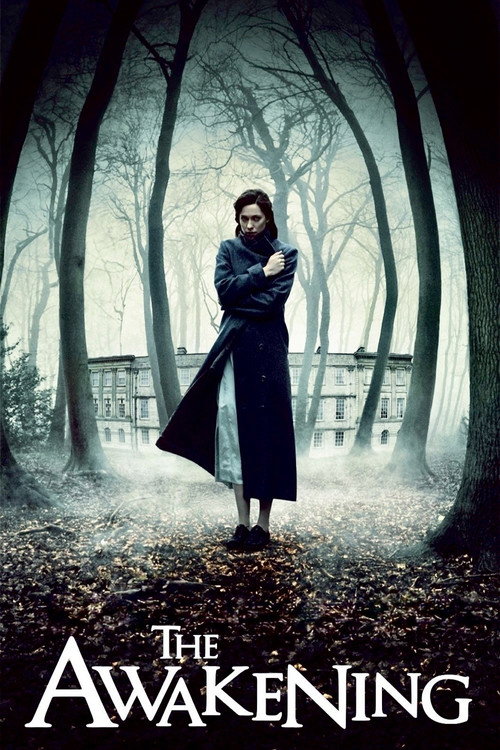
The Awakening2011
A post-WWI séance thriller with Rebecca Hall investigating a haunting at a British manor. It builds genuine dread through atmosphere and slow reveals, with a protagonist as intelligent and sceptical as the audience.
But The period setting means slower rhythms throughout. Some resolutions feel convenient in retrospect.
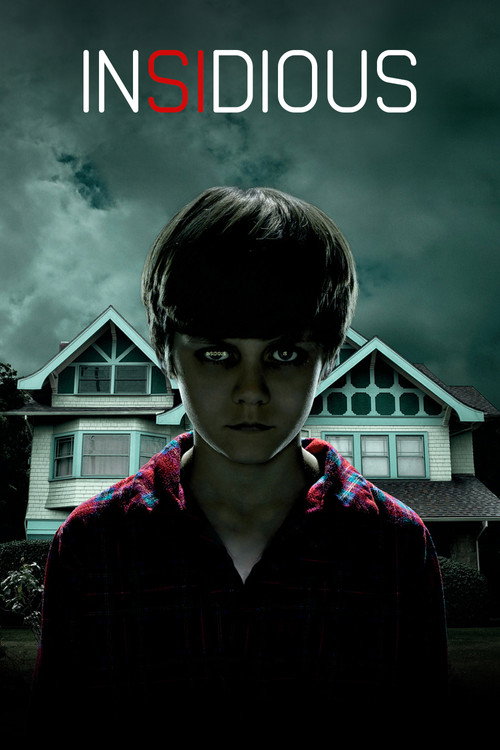
Insidious2011
James Wan proved you could make genuinely terrifying modern horror on a small budget. It's inventive, viscerally frightening, and the mythology it builds is compelling even as it unfolds.
But It leans hard on jump scares and loud music stings. If you find that technique manipulative, you'll resent it.
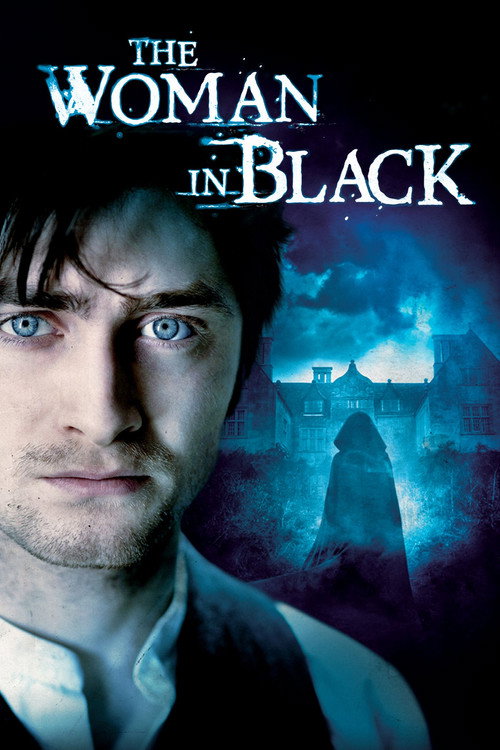
The Woman in Black2012
Daniel Radcliffe in a proper haunted-house yarn set in a remote English village. It's handsomely shot, plays fair with its scares, and understands that suggestion is scarier than spectacle.
But The plotting is familiar. If you've seen a handful of haunted-house films, you'll anticipate most beats.
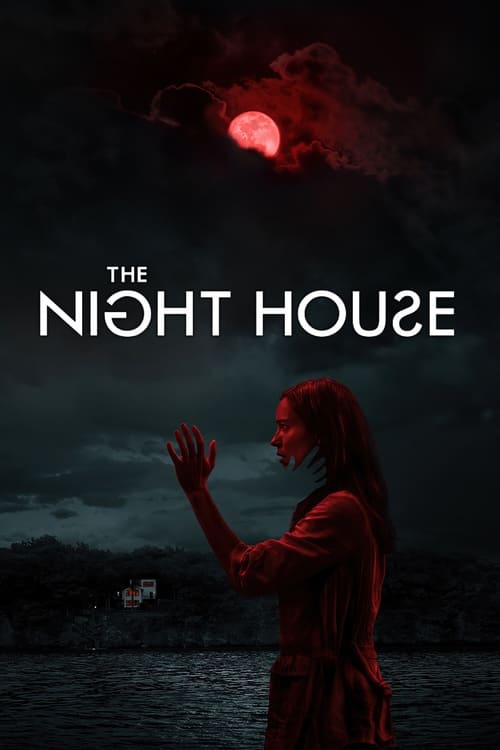
The Night House2021
Rebecca Hall, grief-stricken after her husband's death, discovers something deeply wrong with their beautiful lakeside home. It's modern horror that uses supernatural terror as a metaphor for loss and doesn't shortchange either element.
But The tone shifts between domestic drama and genuine horror. Some viewers find the tonal mixing unsettling in the wrong way.
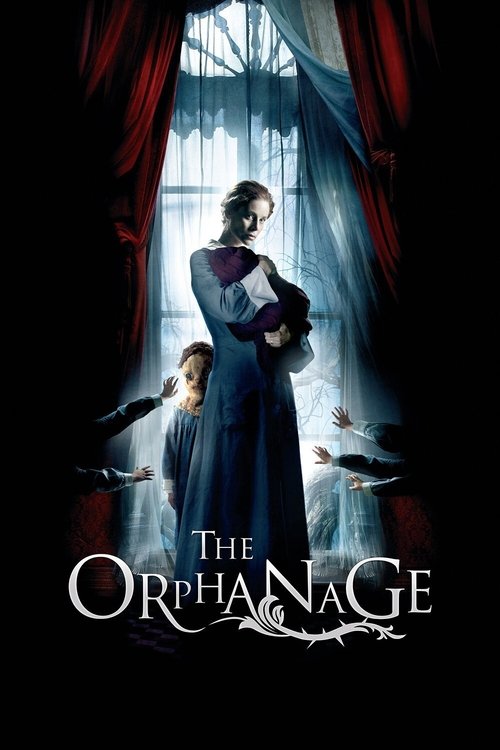
The Orphanage2007
A Spanish haunted-house film where a woman investigates the disappearance of her son in her childhood home. It's elegant, emotionally grounded, and builds to a reveal that recontextualises everything before it.
But Subtitles, and the final act asks you to sit with ambiguity rather than closure.
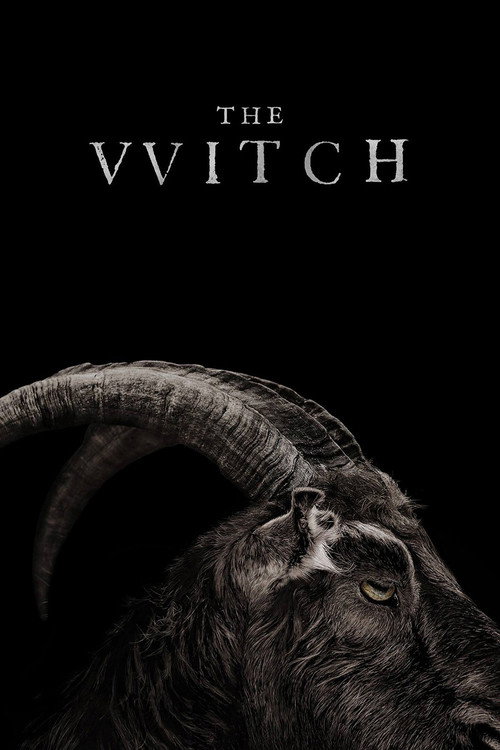
The Witch2016
Both are period-specific horrors where setting and atmosphere matter more than plot. The era itself becomes claustrophobic, and modernity offers no refuge.
Robert Eggers' New England folk horror uses period language and isolation to create a film that feels genuinely ancient. Anya Taylor-Joy as a teenage girl caught between her family's collapse and something genuinely malevolent. It's bleak, beautiful, and terrifying.
But The dialogue is stilted and archaic by design. If you can't adjust to the register, it reads as affected rather than atmospheric.
Possession1981
Both build horror from intimate spaces turned wrong: a house becomes a trap, a marriage becomes a battlefield. The true horror is relational, not decorative. And both trust the audience to sit with what they don't fully understand.
Andrzej Żuławski's surreal masterpiece: a marriage dissolving in Berlin, body horror that becomes metaphorical, and a creature in the underground that represents desire itself. It's unsettling and operatic, transgressive without being exploitative. Isabelle Adjani is extraordinary.
But It's bewildering, sexually explicit, and makes no attempt to be comfortable. The narrative logic is dreamlike rather than causal, which frustrates viewers seeking clarity.

People
Cast
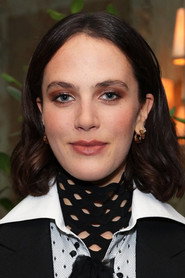 Jessica Brown FindlayMarianne
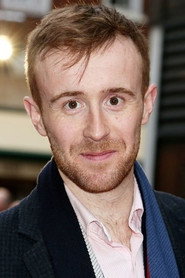 John HeffernanLinus
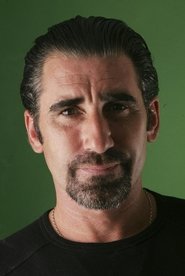 John LynchMalachi
 Sean HarrisHarry Price
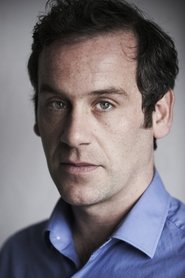 Jason ThorpeDr. Sutter
 Anya McKenna-BruceAdelaide
- Jean St. ClairBetsy
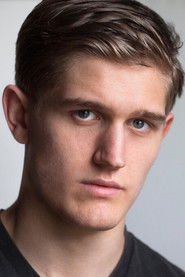 Adam HugillFrank
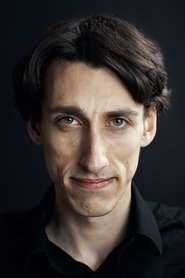 James SwantonMonk
Directing
- Christopher SmithDirector
Writing
- David BetonWriter
- Dean LinesWriter
- Ray BogdanovichWriter
Production
- Emily JacobsCasting
- Adam NagelExecutive Producer
- Alistair MacLean-ClarkExecutive Producer
- Aurélie DusausoyExecutive Producer
- Bastien SirodotExecutive Producer
- Beata SaboovaExecutive Producer
- David BetonExecutive Producer
- Ed FraimanExecutive Producer
- Hannah LeaderExecutive Producer
- Ken SteeleExecutive Producer
- Manuel ChicheExecutive Producer
- Nick WildExecutive Producer
- Violaine BarbarouxExecutive Producer
- Jason NewmarkProducer
- Laurie CookProducer
- Maya AmsellemProducer
- Neil JonesProducer
- Sharon Harel-CohenProducer
- Dot KyleProducer's Assistant
- Kenneth O'TooleProducer's Assistant
- Neil JonesProducer's Assistant