
Film
Dreams of a Life
- Mystery
- Very dark
- Slow-burning
Carol Morley's hybrid film reconstructs the life of Joyce Vincent, a woman who died unnoticed in her London flat and lay undiscovered for three years. Part documentary, part drama, it blends interviews, archival material and scripted scenes to resurrect a person almost entirely erased from public record. A meditation on invisibility, connection and how lives disappear.
Should you watch it?
Watch it if you are drawn to quiet portraits built from testimony, fragments and reconstruction, where the gaps in a record matter as much as what is filled in.
Skip it if you want a clear narrative arc and steady momentum, this one circles its subject with interviews and staged scenes, and may feel slow and frustratingly incomplete.
What it asks of you: Around ninety-five minutes of patient, mostly hushed material, with a deliberately slow rhythm and a melancholy tone that rewards sitting still rather than scanning.
Not sure? Find tonight's pick in a minute.
If you liked this
The Act of Killing2012
A documentary that uses performance and reconstruction to excavate moral history, asking subjects to enact their own atrocities. Like Dreams of a Life, it makes invisible trauma visible through unconventional means and forces uncomfortable reckoning.
But Extremely dark and lengthy at nearly three hours. The reenactments are deliberately grotesque, and the film trusts viewers to sit with moral complexity without neat resolution.

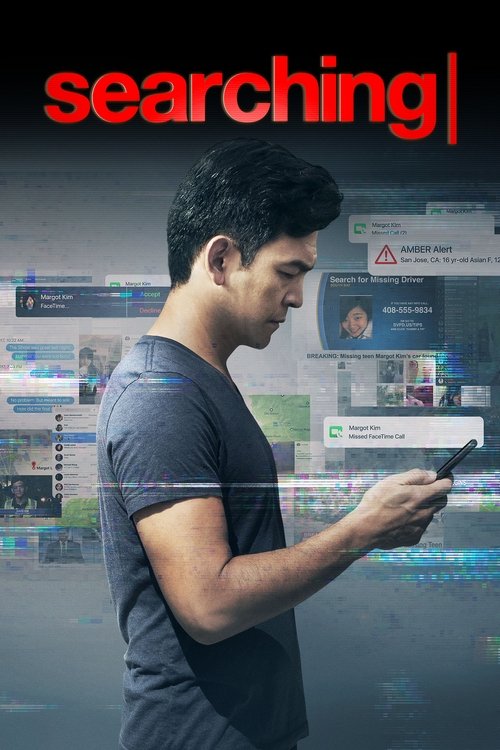
Searching2018
A thriller told entirely through screens—police reports, social media, news coverage—that captures how a person becomes a missing persons case. It shares Dreams' investigation into how identity fragments across documents and platforms.
But The gimmick of screen-based storytelling can feel mannered, and the plot mechanics sometimes override the emotional weight of what's being described.
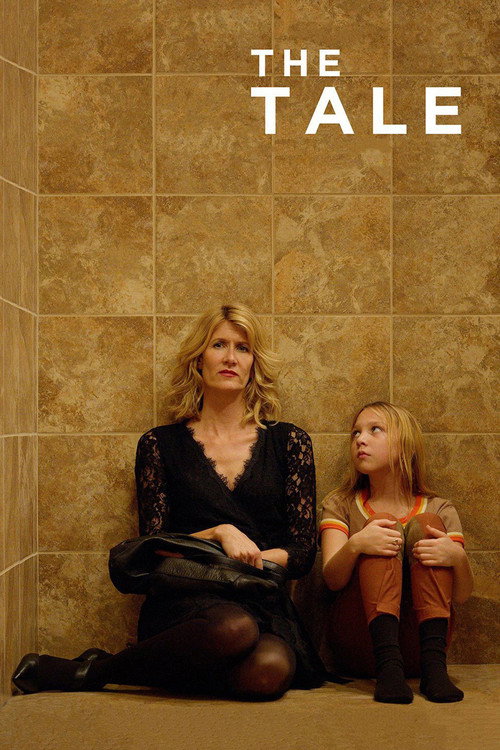
The Tale2018
Jennifer Fox reconstructs her own childhood abuse through interviews, reenactments and memory work, blending documentary with drama to show how narrative gets rewritten. It's about how we know what happened to us, and to others.
But Emotionally exhausting. The fragmented structure asks a lot of viewers, and trauma is not treated as something to be neatly resolved.
Not sure tonight? Get a pick in a minute, starting from Dreams of a Life
The wildcard
Something you would not have found on your own.
Sans Soleil1983
Both use documentary materials and performance (or voice) together to investigate what it means to preserve a life or moment against erasure. Both ask: what methods let us know someone we cannot meet?
Chris Marker's essay film moves across continents and time, using found footage, photography and voice-over to ask how memory and history are constructed. It's a formal ancestor to Dreams' hybrid approach: part document, part poem, part investigation.
But Radically non-narrative and abstract. Without a clear plot or throughline, it demands active interpretation and repeated viewing.

More like this (7)
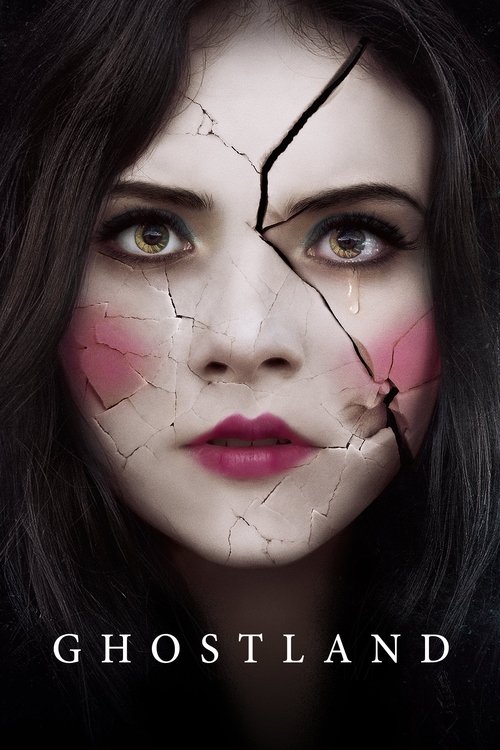
Ghostland2018
Pascal Laugier's film about female survival uses genre to process trauma—horror becomes the only language adequate to what happened. Both films understand that drama and reconstruction can access truth that documentation alone cannot.
But Extremely violent and graphic. The horror elements are not there for entertainment, which some viewers may find either necessary or unnecessarily brutal.
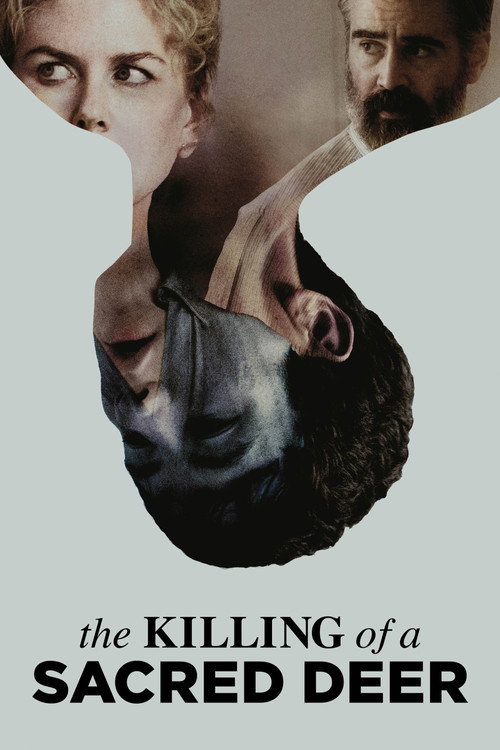
The Killing of a Sacred Deer2017
Yorgos Lanthimos creates a precise, ritualistic study of culpability and invisibility within a family unit. Like Dreams, it's about what we choose not to see and the cost of that blindness.
But Deliberately artificial and cold. The deliberate pace and refusal of emotional catharsis frustrate viewers looking for conventional narrative satisfaction.
A Ghost Story2017
David Lowery makes a film about presence and erasure, about how people haunt the spaces they inhabited and how time renders us invisible. It shares Dreams' quiet meditation on what remains when someone is gone.
But Moves with deliberate slowness. The metaphysical questions it poses never resolve, and some find the approach overly precious.

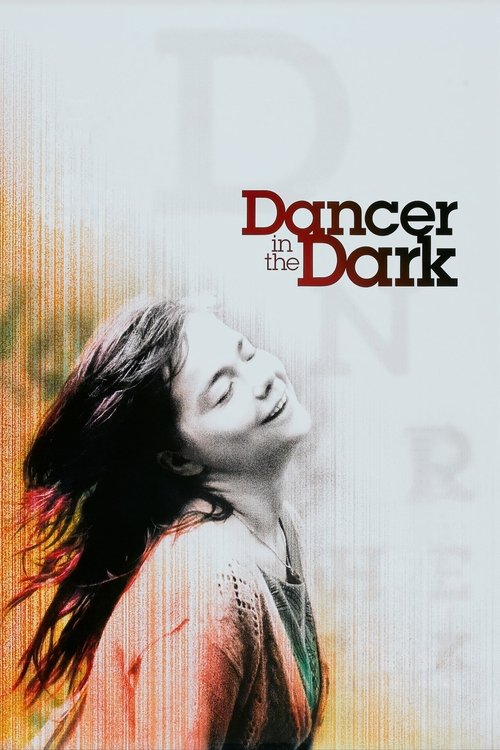
Dancer in the Dark2000
Lars von Trier's film about a woman whose inner life sustains her through grinding poverty is performed by Björk, blending realism and musical performance. Like Dreams, it's about the life invisible to those around you.
But Emotionally devastating and uncompromising. The ending is unbearable by design, and some viewers resent the cruelty with which the film treats its protagonist.
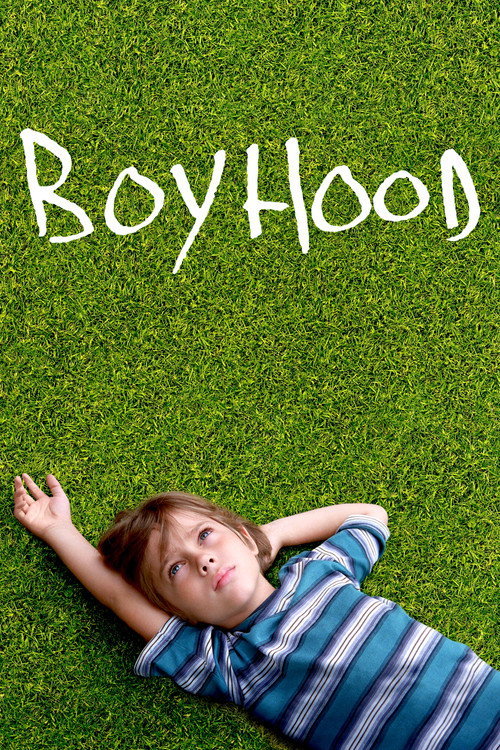
Boyhood2014
Richard Linklater shot this over twelve years, watching a boy grow into a man in real time. Like Dreams, it's about time and invisibility—how a life accumulates and how the quotidian becomes the archive.
But Three hours of deliberately paced naturalism. Some find the lack of dramatic structure tedious, and the film's privilege is sometimes uncomfortable.
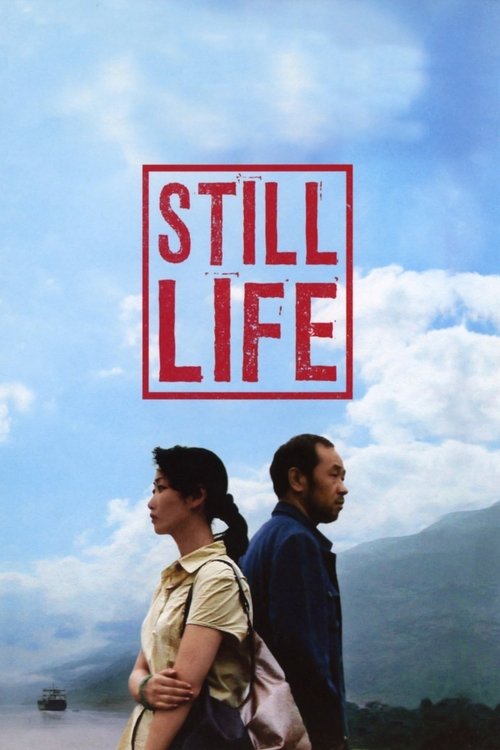
Still Life2006
Jia Zhangke's film follows a man searching for his wife in a city being demolished, amid documentary footage of erasure and displacement. Both films are about how people get lost within systems that don't record them.
But Slow, observational cinema in Mandarin Chinese. The long takes and political subtlety require patience and may feel distant.
Synecdoche, New York2008
Both films are about the impossibility and necessity of recreating a life after the fact. Both blur the line between documentary truth and artistic reconstruction, and both ask whether that blur matters.
Charlie Kaufman's film about a theater director building a replica of New York inside a warehouse explores how we reconstruct reality through performance and archive. It's obsessed with the gap between a life and its representation.
But Deliberately confusing and recursive. The script is often impenetrable, and some find Kaufman's self-regard exhausting.

People
Cast
 Zawe AshtonJoyce Vincent
- Alix Luka-CainYoung Joyce
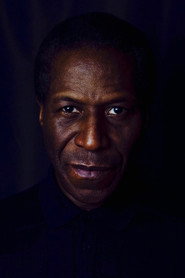 Cornell JohnFather
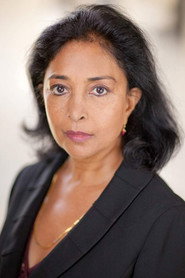 Neelam BakshiMother
- Frances CooperSister
- Kelly AgbowuSister
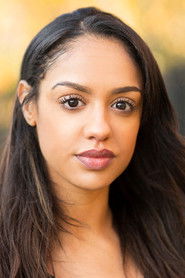 Sophia LeonieSister
- Nadia Di MambroSister
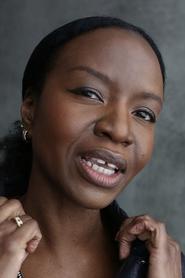 Diveen HenryHousing Officer
 Jay SimpsonCaretaker
 Daren Elliott HolmesBailiff
 Angela SimsCleaner
Directing
- Carol MorleyDirector
Writing
- Carol MorleyWriter
Production
- Cairo CannonProducer
- James MitchellProducer