Television series
Paradise Lost
- Crime
- Investigative journalism
- Very dark
Paradise Lost documents the 1993 murders of three boys in Arkansas and the arrests of three teenagers accused of a satanic ritual killing. It's a meticulous, outrage-generating examination of justice failure, small-town hysteria, and how the system can devour the innocent. Essential viewing for anyone who believes documentary matters.
Should you watch it?
Watch it if you want a patient, forensic account of how a town's panic can build a case, the kind of documentary that treats every interview as evidence and lets you do the weighing.
Skip it if you need the crimes dramatized or a tidy villain handed to you, since this stays in courtrooms and living rooms and asks you to sit with ambiguity.
What it asks of you: Expect a slow, talky shape: long stretches of testimony and procedure, with the tension coming from small contradictions rather than cliffhangers, and sustained attention to detail.
Not sure? Find tonight's pick in a minute.
If you liked this
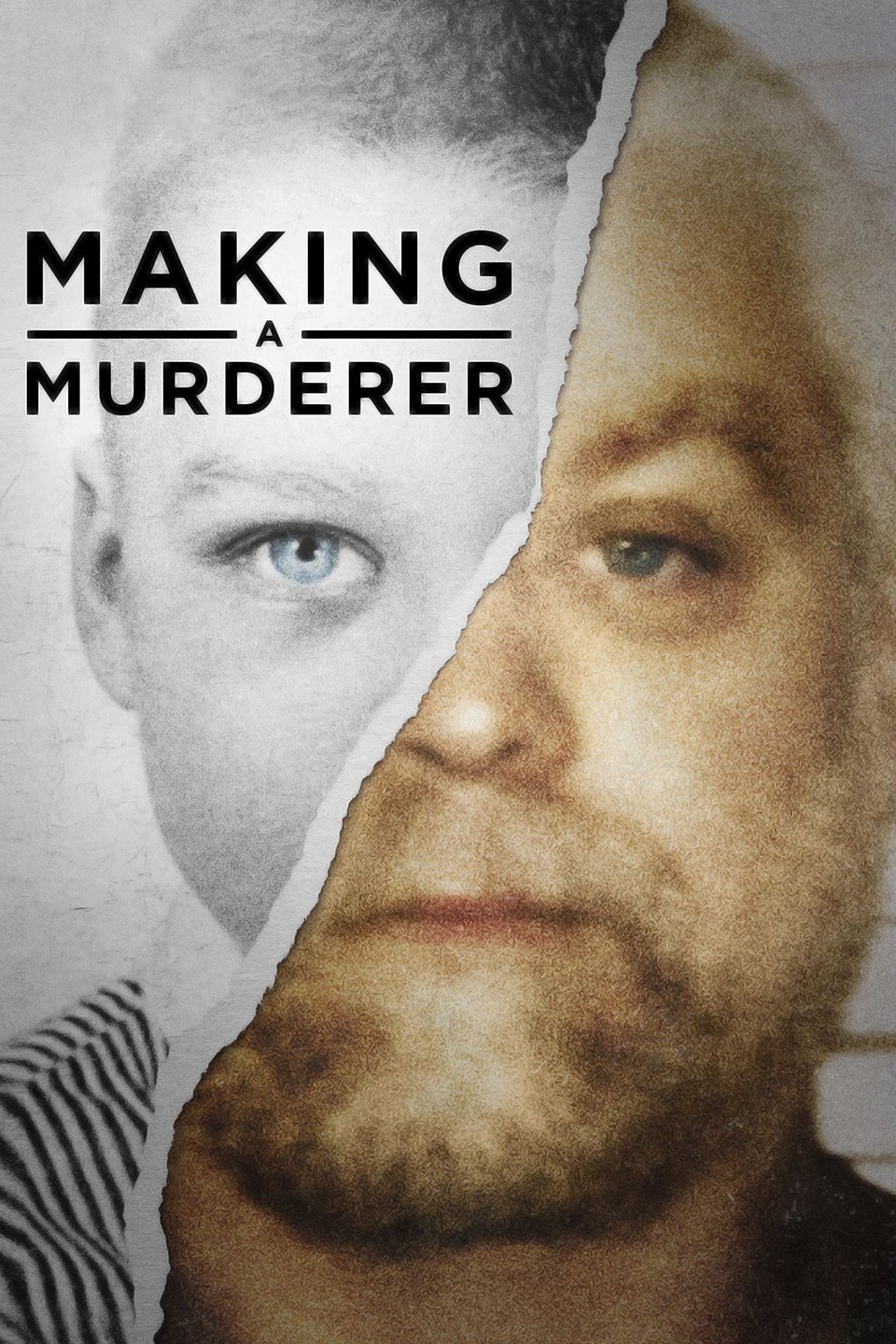
Making a Murderer2015
A Netflix masterclass in how conviction doesn't require guilt. Steven Avery's case unfolds with the same slow-burn horror as Paradise Lost, and you'll be shouting at your screen within an hour.
But It's long, manipulative in places, and the narrative sometimes favours drama over nuance. Some details disputed by those involved.
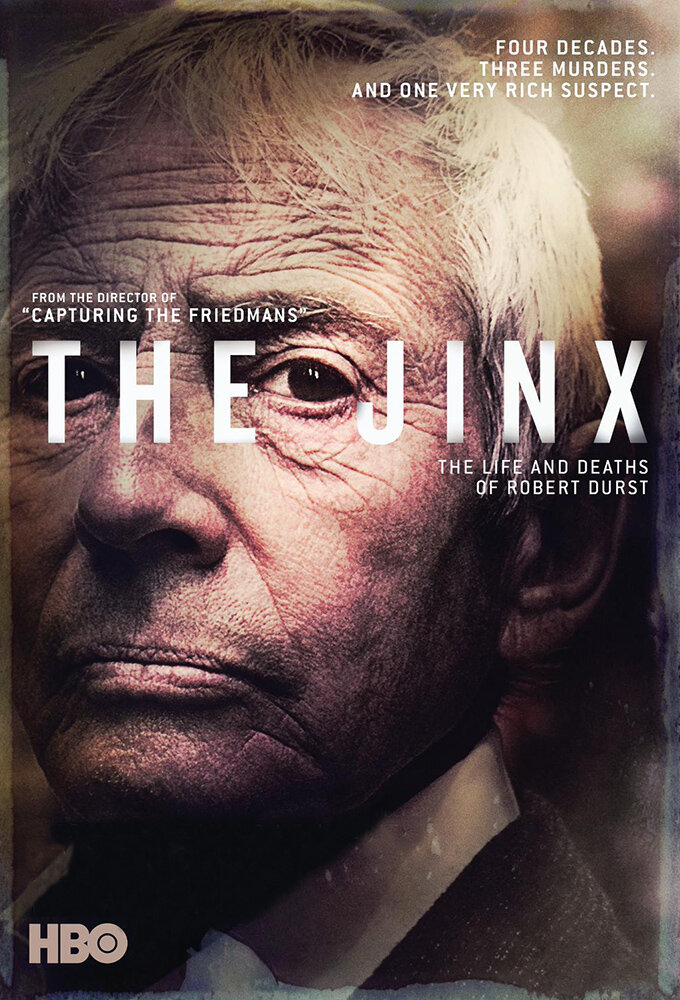
The Jinx: The Life and Deaths of Robert Durst2015
HBO's other towering crime documentary. Robert Durst is grotesquely fascinating, and the filmmaking is surgical—every moment precisely placed to unsettle you and land the investigation's gut-punches.
But It's six hours of proximity to a possibly unreliable sociopath. The depiction of women's deaths is grim, and some viewers find the entertainment value troubling.
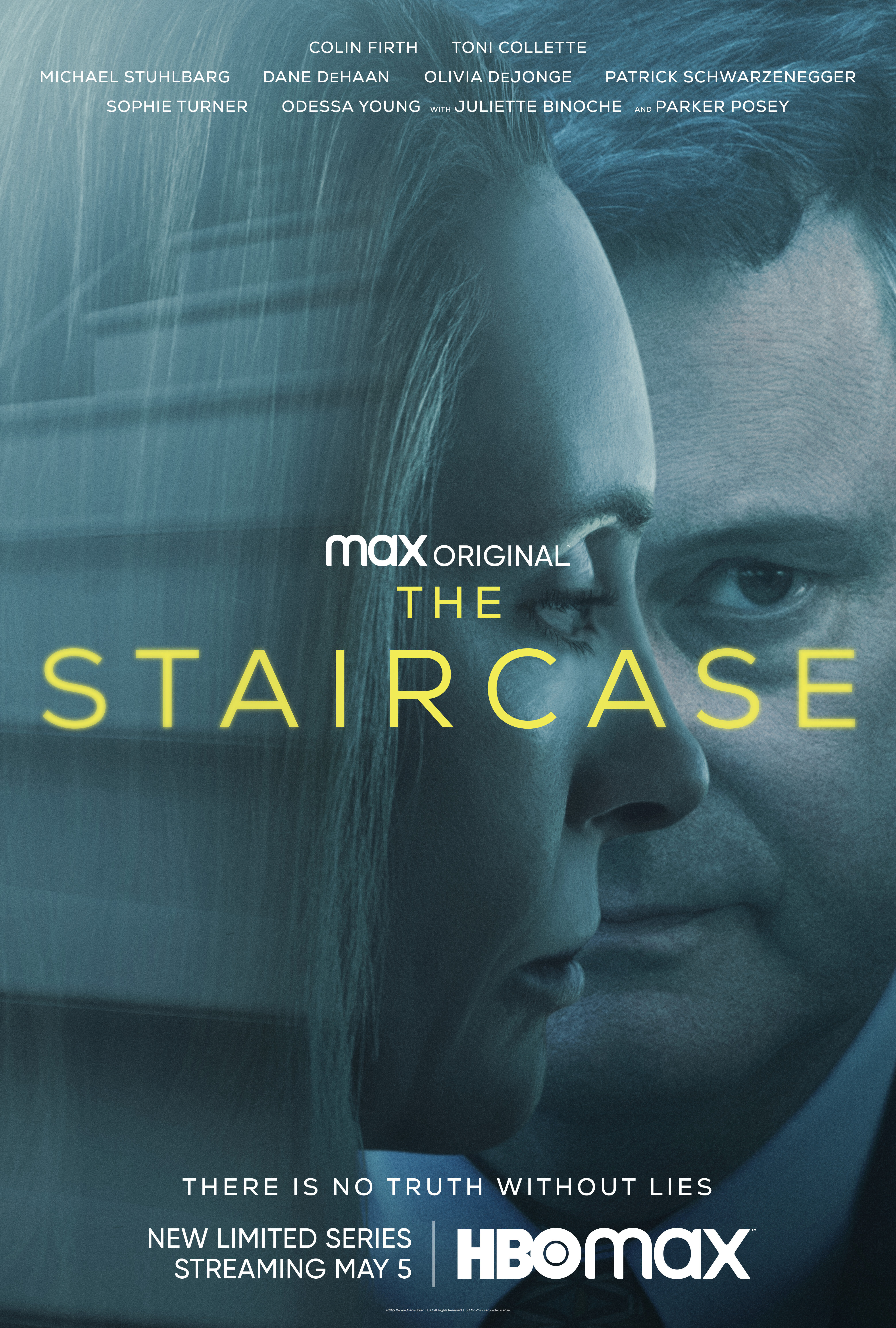
The Staircase2022
A marriage, a death, an impossible staircase, and the question of whether prosecutors convicted the right man. This Max miniseries has the obsessive depth and moral complexity that makes Paradise Lost so vital.
But It sprawls across eight episodes; some details rehash without advancing the argument. The original documentary is longer and more thorough if you want that instead.
Not sure tonight? Get a pick in a minute, starting from Paradise Lost
The wildcard
Something you would not have found on your own.
The Act of Killing2012
Both examine how communities construct narratives to avoid confronting horror. One covers-up through hysteria, the other through spectacle. Both ask: what does a society become when it refuses to see clearly?
A 1960s Indonesian genocide's perpetrators recreate their murders on film. It's a shocking inversion: instead of investigating innocence, it watches guilt perform itself. Same structural revelation as Paradise Lost—how does a society live with what it's done?—but from the opposite angle.
But It's morally vertiginous and deeply disturbing. Watching killers laugh about their crimes is almost unwatchable, and you may question if witnessing their performance implicates you.

More like this (8)
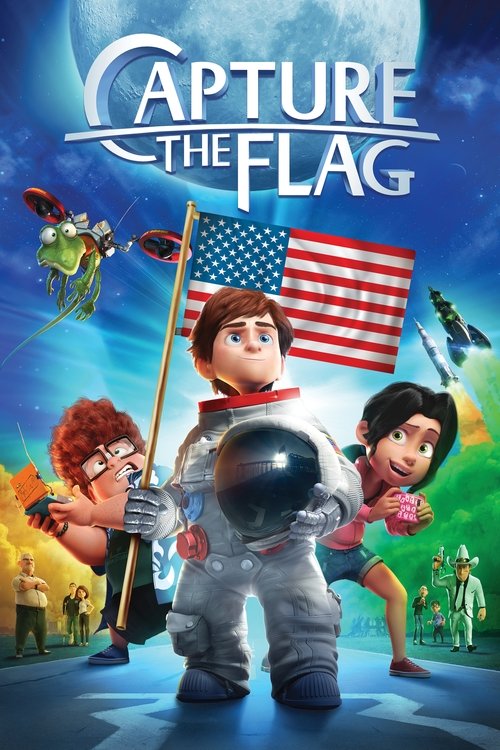
Capture the Flag2015
A taut, intelligent look at a false accusation that nearly destroyed an innocent man. It has Paradise Lost's fury at injustice but compresses it into 90 minutes of absolute clarity.
But It's less visually inventive than some documentaries and relies heavily on talking heads and archival material. The pacing is workmanlike.
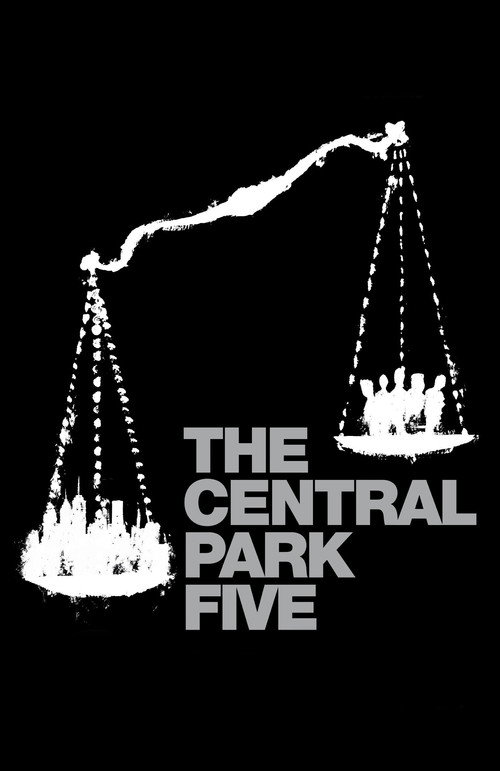
The Central Park Five2012
Ken Burns documents another American horror: five teenagers wrongly convicted of rape through interrogation and racism. His filmmaking is stately and damning, the crimes of the system laid bare.
But Burns's style prioritizes gravity over propulsion. It can feel slow if you need faster momentum to stay engaged.
Spotlight2015
Not a documentary, but a procedural about journalists uncovering Boston's priesthood abuse. It has Paradise Lost's patient methodology and fury at institutional evil protecting the guilty.
But It's conventional in form and some find it too measured for its explosive subject. The ensemble cast dilutes individual heroism.

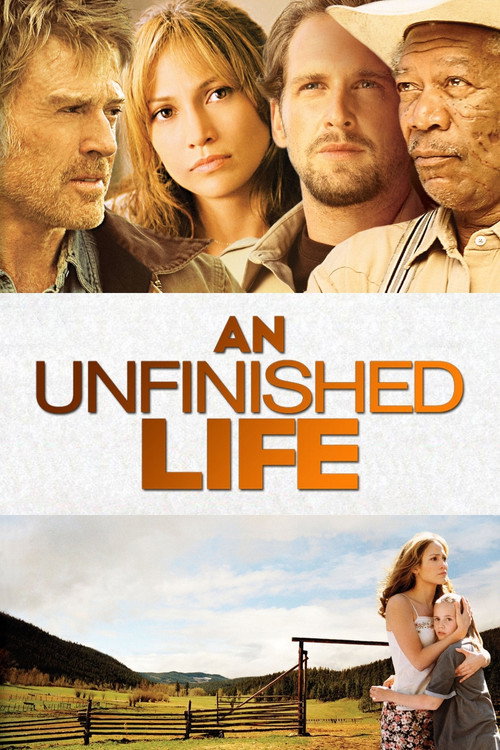
An Unfinished Life2005
A narrative film about a wrongful conviction for murder. It treats the subject with the seriousness and structural care you want after watching how easily the system fails.
But It's not a thriller and offers no catharsis. The emotional heaviness can feel punishing rather than revelatory.
The Night Of2016
HBO's eight-part limited series about a murder arrest. Riz Ahmed gives a performance of devastating specificity as a young man caught by circumstantial evidence and the machinery of law.
But It prioritizes moral ambiguity over clarity, which some find frustrating when you want simple answers. The pacing in the middle episodes drags.
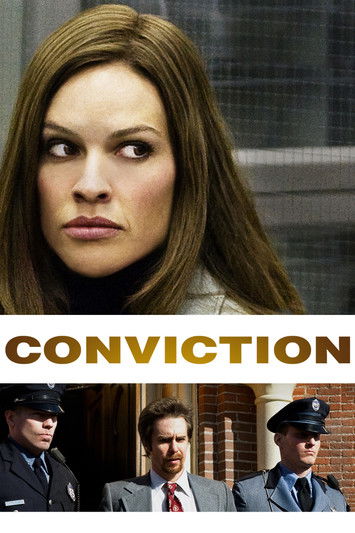
Conviction2010
A documentary about the Innocence Project, following lawyers who fight to overturn convictions through DNA evidence. It's procedural and quietly powerful, a natural companion to Paradise Lost's rage.
But It covers multiple cases, so no single story gets deep development. The tone is hopeful, which some find insufficiently angry given the crimes.
The Name of the Rose1986
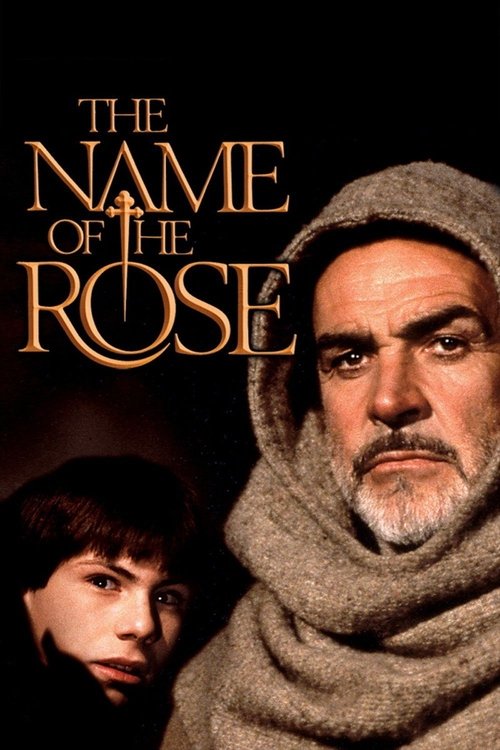
Both show how religious panic (satanic ritual, heresy) becomes a tool for powerful institutions to destroy the powerless. Both ask: who benefits from the lie?
A narrative film, not a documentary. Sean Connery investigates murders in a medieval monastery where faith and fear twist the truth. It's a study in how institutions protect themselves and how the innocent are sacrificed to preserve order.
But It's a 130-minute intellectual puzzle, leisurely and dense with medieval theology. If you want propulsive narrative, you'll be frustrated by its meditative pace.
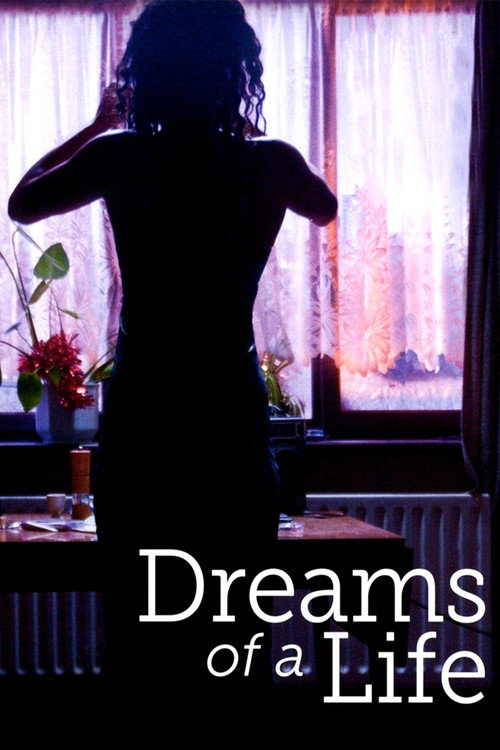
Dreams of a Life2011
Both are about people the system failed or erased. One asks 'who did this?' The other asks 'does anyone even notice?' Both are acts of witness in the face of institutional indifference.
Carol Morley's essay-documentary about Joyce, a woman who died alone in her London flat and wasn't discovered for weeks. It's formally strange—part documentary, part reconstructed drama—and it grieves for the invisible. Paradise Lost shows injustice to the powerful; this remembers injustice to the forgotten.
But It's abstract and impressionistic in a way that may feel evasive if you want clarity. At 95 minutes, it demands interpretive work rather than providing answers.