
Film
Helter Skelter
- Serial killer
- Drama
- Mystery
- Very dark
A methodical reconstruction of the Manson murders and trial, where prosecutor Vincent Bugliosi builds his case against Charles Manson. Told through investigation rather than spectacle, it's a 1976 TV movie that treats true crime with documentary rigor. For anyone drawn to how law works under pressure, or fascinated by how one man could command such devotion.
If you liked this
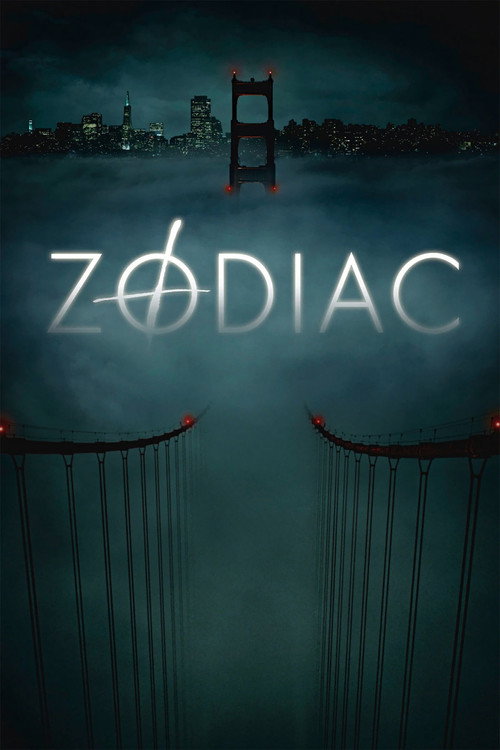
Zodiac2007
Fincher's obsessive procedural about tracking a serial killer through decades. Like Helter Skelter, it's about the investigator's grip on evidence and psychology, not the killer's mythology.
But Three hours of men in rooms studying photographs. No catharsis, no neat answers. The obsession never quite resolves.
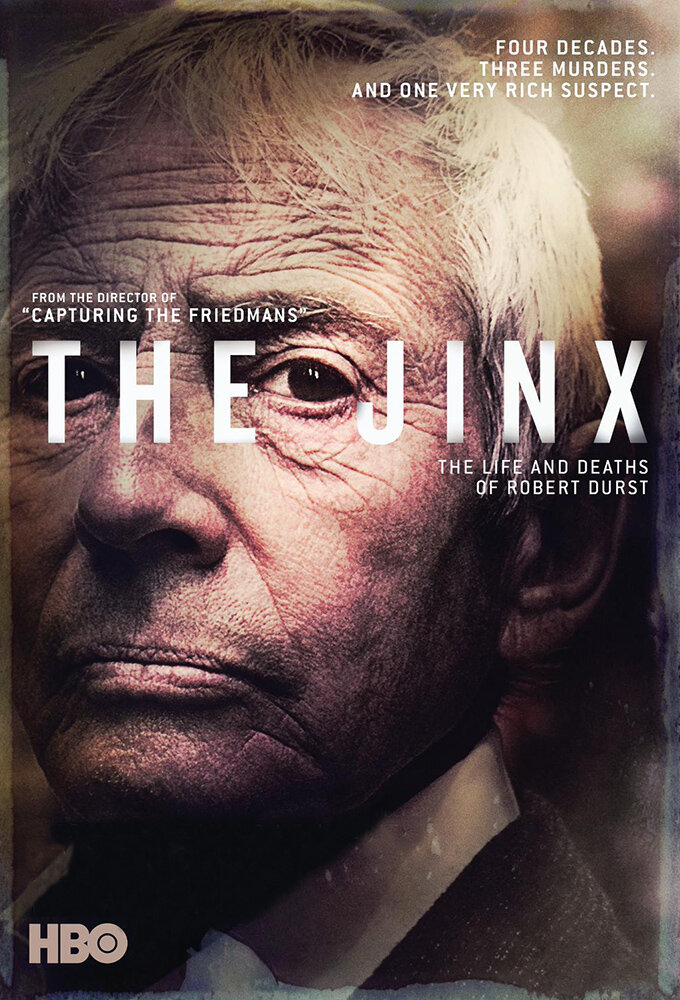
The Jinx: The Life and Deaths of Robert Durst2015
A six-part documentary that unravels a real-life mystery through meticulous reporting. Shows how investigation actually works: slow, uncertain, then suddenly damning.
But It moves at documentary pace. The resolution hinges on a confessional that feels almost too good to be true—because it might be.
In Cold Blood1967
Capote's true-crime novel made into film with the same dispassionate eye. Examines how two ordinary men became killers, and how law moves against them.
But Made in 1967, it feels austere and distant. No score, minimal sentiment. The style asks more of you than most.
Not sure tonight? Get a pick in a minute, starting from Helter Skelter
The wildcard
Something you would not have found on your own.
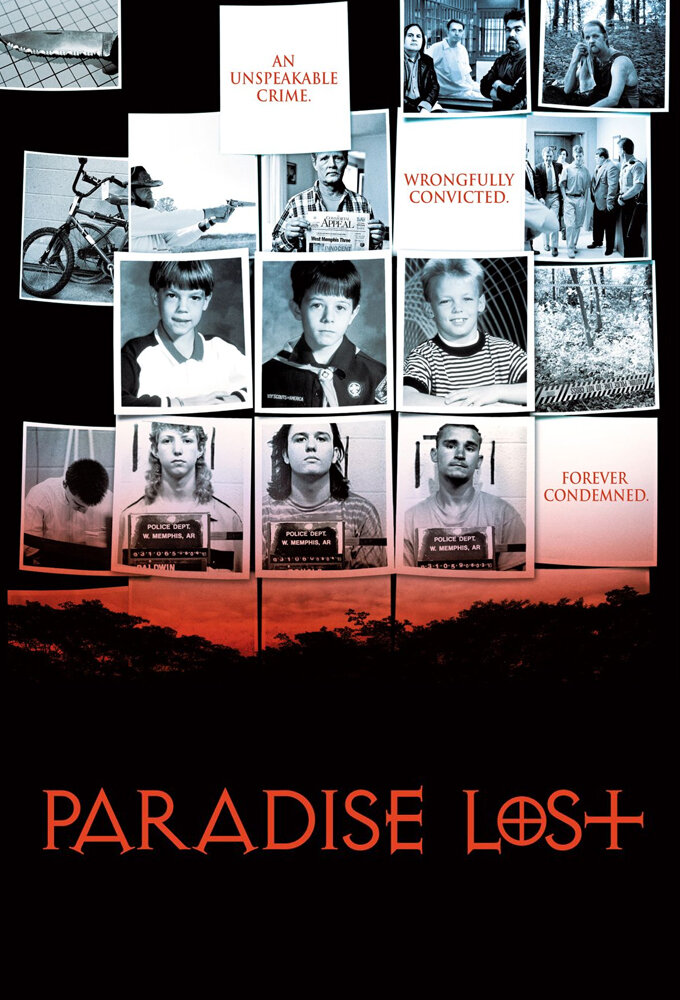
Paradise Lost1996
Both trust that careful presentation of evidence can move the viewer toward justice, but Paradise Lost proves that evidence can also deceive. It's Helter Skelter's moral counterpart.
A documentary that becomes a real-time legal case as viewers watch innocent men imprisoned. It does what Helter Skelter does—let evidence speak—but questions the verdict itself. Spanned decades and changed outcomes.
But Three parts, nearly eight hours. Made during the case, it has the uncertainty and frustration of live events unfolding.
More like this (8)
MINDHUNTER2017
Two seasons of FBI profilers in the 1970s learning to think like killers. Helter Skelter is the case study; this is the methodology developing in real time.
But The second season loses focus. Even season one can feel procedurally repetitive—which is oddly true to how criminal psychology actually works.
Murder on the Orient Express1974
Finney's Poirot solving an impossible crime through logic and observation. Like Helter Skelter, it trusts the audience to follow complex investigation.
But A puzzle-box mystery rather than true crime. If you want historical weight, you'll feel a remove from real suffering.
All the President's Men1976
Released the same year, it shares Helter Skelter's obsession with how truth emerges through patient reporting and bureaucratic friction.
But Watergate can feel distant now. Two newspaper guys on phones and in libraries—thrilling only if you care about the craft.
The Staircase2022
A real murder trial told through thirteen episodes, questioning the evidence and the narrative. Same era obsession with what we can actually prove.
But Very long, and you may find yourself frustrated by the legal system rather than gripped by it. Ambiguity frustrates some viewers.
Spotlight2015
Boston Globe reporters investigating institutional crime through documents and interviews. The investigation is the story; the system is the antagonist.
But Ensemble cast means no single viewpoint. For some, the methodical pace reads as remote rather than gripping.

Memories of Murder2003
A Korean procedural about detectives chasing a serial killer in the 1980s. Investigation versus incompetence, evidence versus fury. Morally complex in ways that linger.
But Subtitled, and the investigation doesn't resolve cleanly. Some viewers need closure that this refuses to give.

Contempt1963
Both are about how identity fractures under scrutiny—Manson performing for jury and press, Contempt's characters performing for camera and each other. One is literal trial, one is existential.
Godard's film about a marriage collapsing during a film shoot. Seems unrelated until you realize it's about how people perform versions of themselves under observation. Same register as Helter Skelter's courtroom scenes.
But Utterly abstract. No plot momentum, long scenes of people talking or not talking. Deliberately slow in the opposite direction.

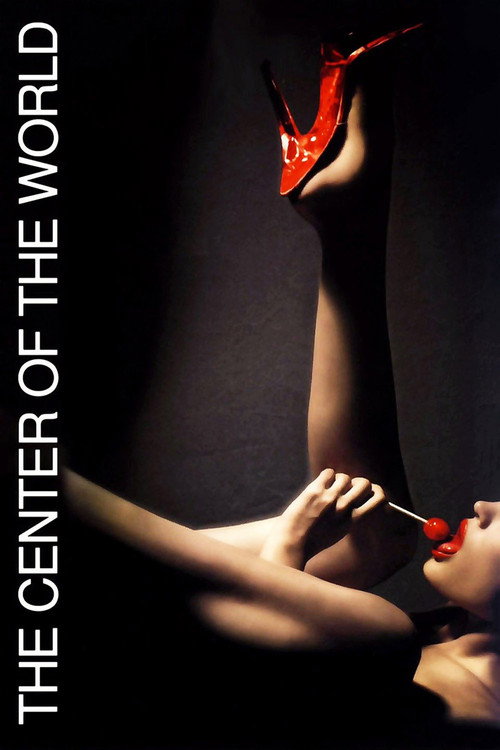
The Center of the World2001
Helter Skelter is built on testimony and cross-examination. The Center of the World is what happens when one witness's story becomes unreliable to herself. Both ask: how do we know what someone actually did?
A three-part audio drama about a woman's testimony in a criminal trial. Told entirely through her voice, shifting, contradicting, reconsidering itself. Challenges what it means to tell the truth under oath.
But It's radio drama released on film. No visual spectacle. Asks you to trust audio in an era of visual proof.
People
Cast
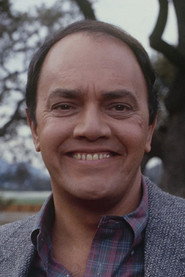 George DiCenzoVincent Bugliosi
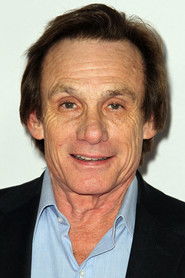 Steve RailsbackCharles Manson
- Nancy WolfeSusan Atkins
 Marilyn BurnsLinda Kasabian
 Christina HartPatricia Krenwinkel
- Cathey PaineLeslie Van Houten
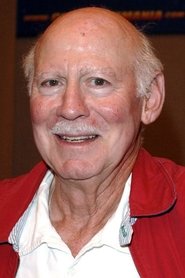 Alan OppenheimerAaron Stovitz
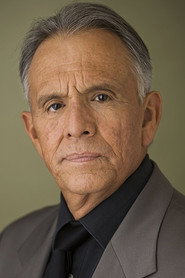 Rudy RamosDanny DeCarlo
 Sondra BlakeRonnie Howard
- George GarroRosner
 Larry PennellSgt. White
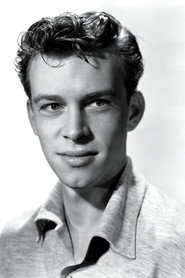 Skip HomeierJudge Older
Directing
- Tom GriesDirector
Writing
- Curt GentryAuthor
- Vincent BugliosiAuthor
- J.P. MillerTeleplay
Recommended by
In Cold Blood, Once Upon a Time... in Hollywood, The Killing of America