
Film
Red Eye
A locked-room thriller set at 35,000 feet: Rachel McAdams' resourceful woman is trapped beside a charming assassin who demands her help murdering a political target. Eighty-five minutes of compressed tension, witty sparring, and genuine peril. For anyone who likes their thrills intimate, clever, and utterly airborne.
Should you watch it?
Watch it if you like lean, tightly wound thrillers where the tension comes from quick thinking and cat-and-mouse talk in a confined space, the way a good hour-and-a-half chase should feel.
Skip it if you want a slow build or a lot of room to breathe, since it moves briskly and stays almost entirely in the cabin and airport, with little interest in the wider world around it.
What it asks of you: Ninety minutes of close attention with few breaks, keeping pace with a plot that tightens steadily and rarely lets up, whether or not the lighting and setting feel gloomy to you.
Not sure? Find tonight's pick in a minute.
If you liked this
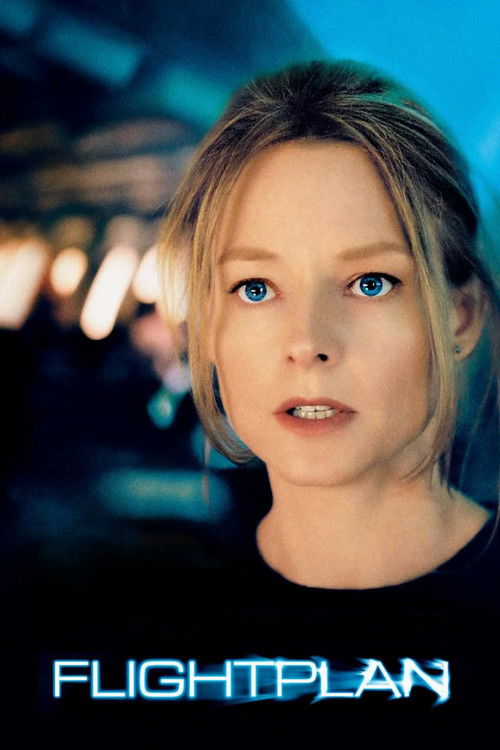
Flightplan2005
Jodie Foster hunted across a transatlantic flight by forces she can't trust or fully understand. Similar claustrophobic setup with a woman fighting her isolation, plus the added dread of not knowing who's complicit.
But Becomes increasingly implausible as it goes, and the third act reveals undercut much of the clever earlier work.
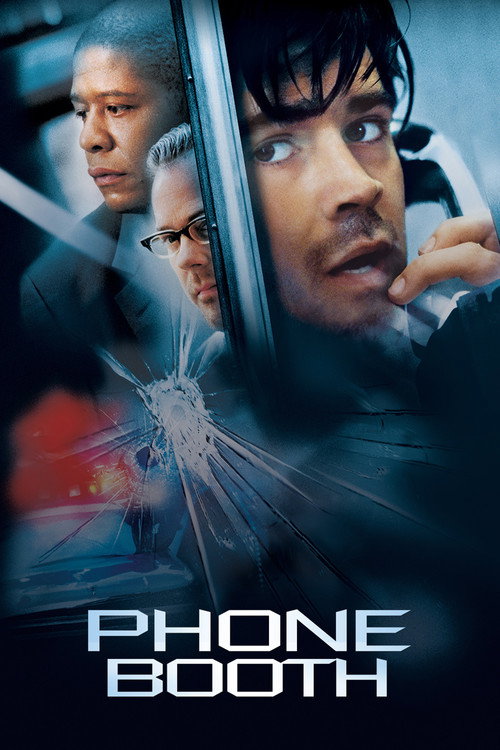
Phone Booth2003
Colin Farrell trapped in a glass box by an unseen voice, forced into moral choices he can't escape. Shares Red Eye's love of constraint—maximum threat in minimum space, minimal runtime, maximum pressure.
But The premise can feel gimmicky, and some of the dialogue veers into preachy moralism that stops the forward motion.
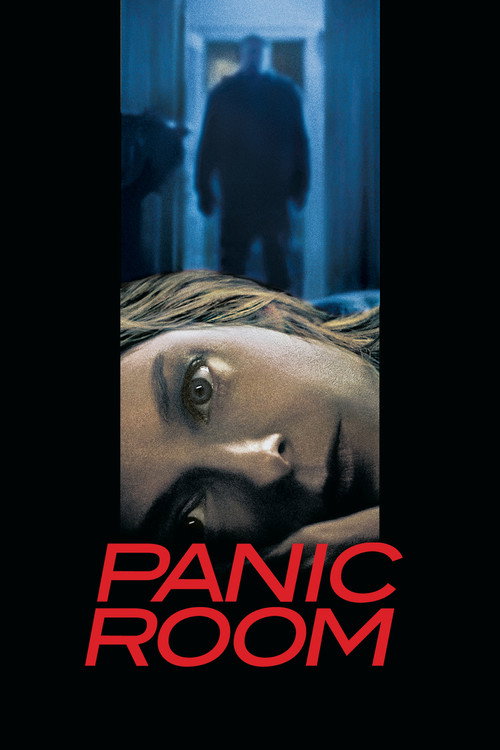
Panic Room2002
Jodie Foster again, now locked inside her own panic room during a home invasion, forced to outsmart intruders. Fincher's mastery of spatial tension and the cat-and-mouse psychology between pursuer and trapped prey.
But Sometimes the geography becomes confusing, and the ending resolves more through chance than through earned cleverness.
Not sure tonight? Get a pick in a minute, starting from Red Eye
The wildcard
Something you would not have found on your own.
Rope1948
Both films weaponize proximity and silence. Lisa and Jackson's duel across armrests; the murderers and their guests at dinner—same idea: maximum threat, nowhere to run, the only escape is talking your way out.
Hitchcock's masterpiece: two men confess a murder to a dinner party while the body sits in a trunk behind them. Shot to seem like one unbroken take, it's pure psychological torture. No action, no explosions—just the pressure of keeping a secret when everyone's watching.
But The real-time constraint and single location make it feel stagey by modern standards. The pacing is glacial if you're not attuned to Hitchcock's control.

More like this (8)
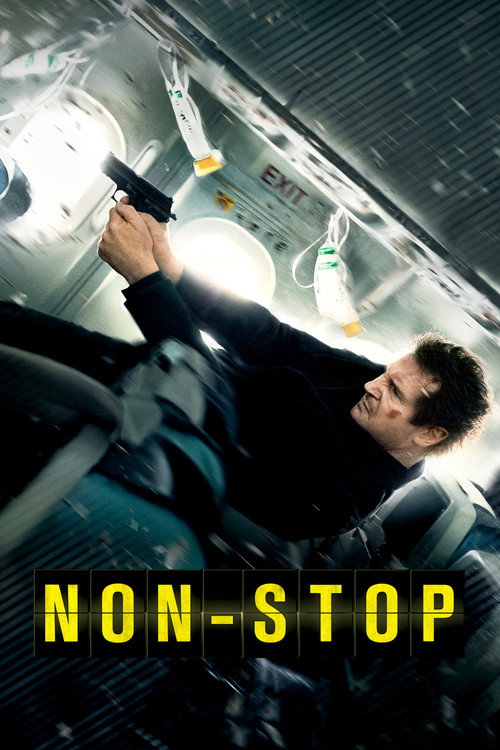
Non-Stop2014
Liam Neeson as a marshal pursued across an Atlantic flight by an invisible antagonist sending threats. Takes the Red Eye template and stretches it into paranoia and procedural mystery; same altitude, higher body count.
But Juggles too many plot threads and the reveal feels more convenient than satisfying. Loses the intimate duel quality.
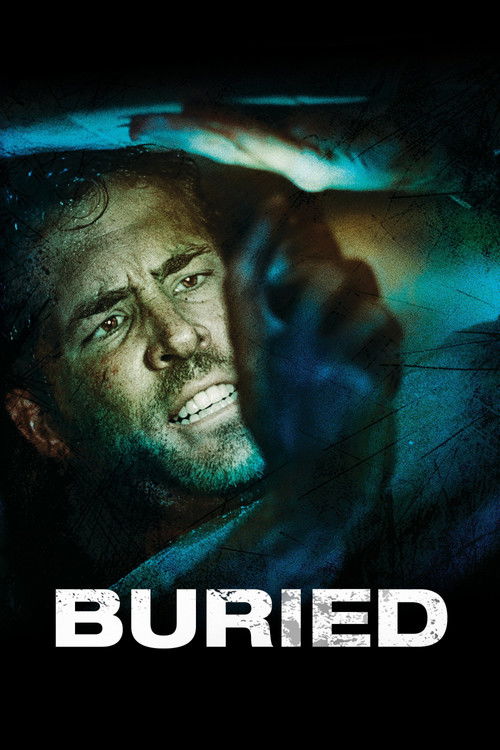
Buried2010
Ryan Reynolds alone in a coffin with only a lighter and a phone, solving the puzzle of his own survival. Extreme constraint, extreme focus. Proof that real tension doesn't need movement, just stakes and ingenuity.
But The immobility and single location will exhaust some viewers. It's brutal in a way that doesn't relent.
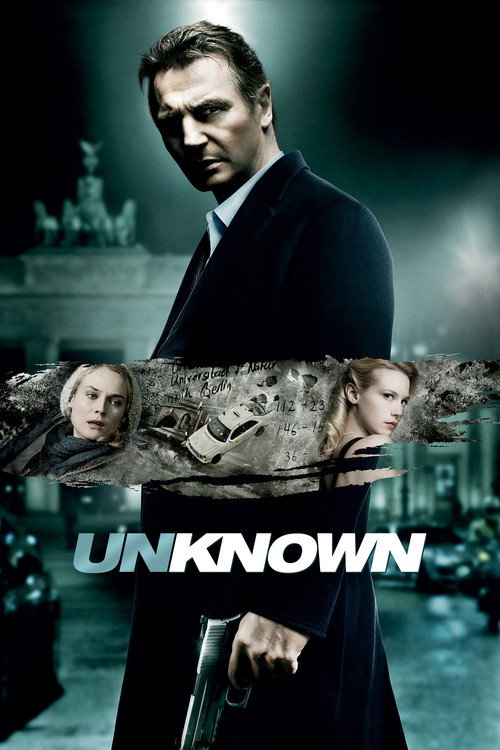
Unknown2011
Liam Neeson wakes from a coma unsure of his own identity, hunted by forces he can't remember or trust. Paranoia thriller with genuine uncertainty about who's lying and what actually happened.
But The twist, when it lands, feels like it bends logic to serve the plot rather than the other way around.
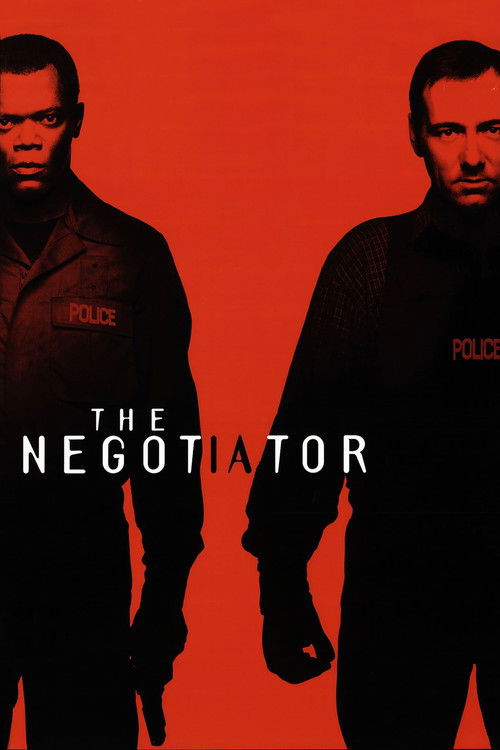
The Negotiator1998
Samuel L. Jackson and Kevin Spacey in a contained hostage standoff built entirely on dialogue, intelligence, and mutual respect between opponents. Real-time pressure with genuine wit and movie-star chemistry.
But The early '90s action-thriller genre trappings feel dated now, and some of the technical details about negotiation procedure don't hold up.
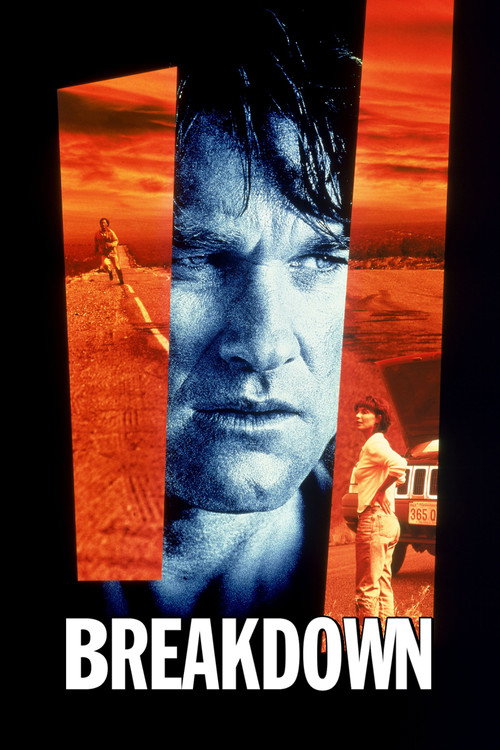
Breakdown1997
Kurt Russell stranded in the desert, racing against time to save his wife from kidnappers using only a payphone and his wits. Taut, efficient, and often underrated—a genuine man-versus-impossible-odds scenario.
But The second half becomes more conventional action-thriller than the smart first half suggested it would be.
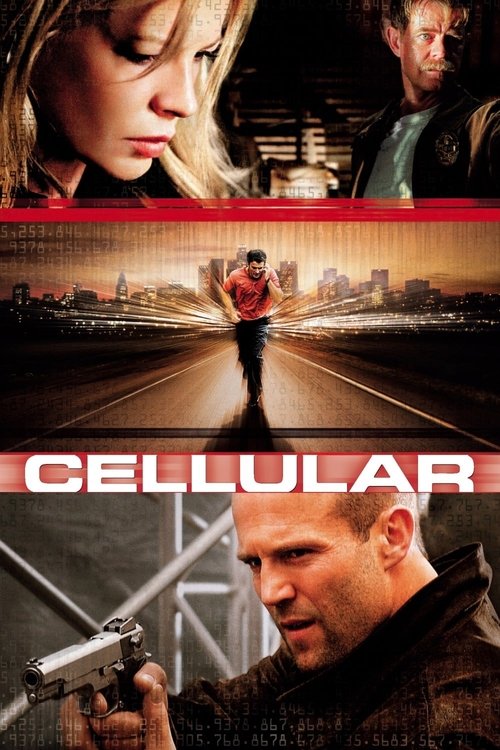
Cellular2004
Chris Evans pulled into a stranger's crisis through a random wrong number, forced to help her or let her die. Real-time thriller that trusts its premise: what if you couldn't hang up and walk away?
But The plotting becomes increasingly convoluted and the climax relies on coincidence. It's fun but doesn't earn its own twists.
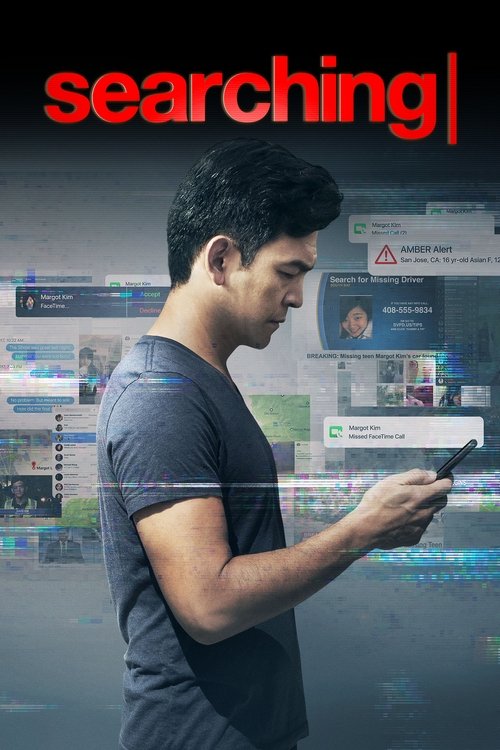
Searching2018
Both compress their worlds to force urgency. Red Eye: one airplane row. Searching: one laptop screen. In both, the constraint is the whole point—nowhere to hide, nowhere to decompress, only forward motion toward an answer.
A father hunts for his missing daughter through Google searches, Facebook messages, and computer screens. Shot entirely on devices and screens, it's claustrophobic and modern, building dread through information and the terror of not understanding what you're seeing.
But The screen-based format will frustrate viewers who find it a gimmick. Some find the genre twist patronizing rather than earned.
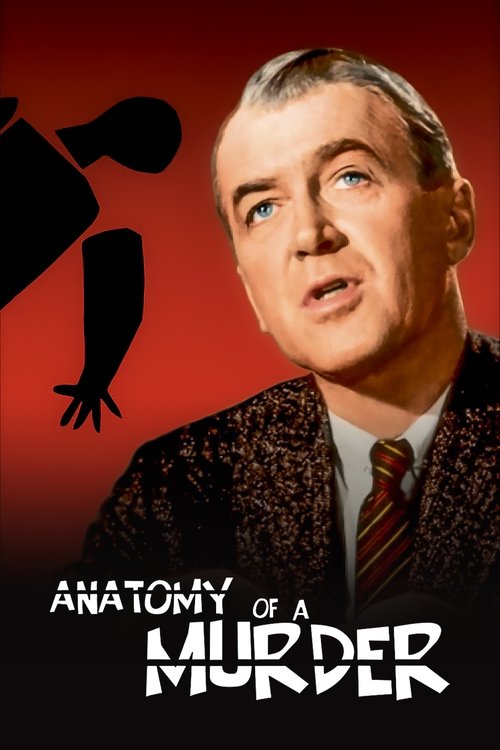
Anatomy of a Murder1959
Red Eye is a trial in microcosm: two adversaries, one with information, one with leverage, both trying to outthink the other. Jackson prosecutes Lisa; the film is their deposition at 35,000 feet, played for survival instead of law.
A small-town lawyer defends a man accused of murder, the trial becomes a chess match of testimony and legal maneuvering. Courtroom thriller built on dialogue, intelligence, and the slow revelation of truth through cross-examination.
But It's a deliberate, talky film from 1959—no car chases, no action, just argument. Viewers wanting momentum will find it slow.
People
Cast
 Rachel McAdamsLisa Reisert
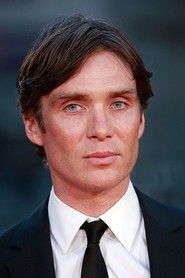 Cillian MurphyJackson Rippner
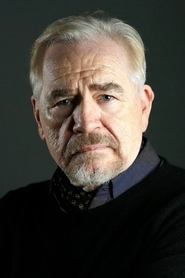 Brian CoxJoe Reisert
 Jayma MaysCynthia
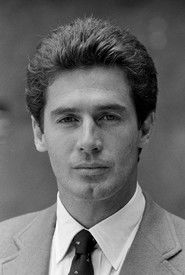 Jack ScaliaDep. Sec. Charles Keefe
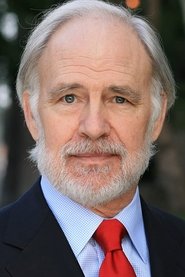 Robert PineBob Taylor
- Terry PressMarianne Taylor
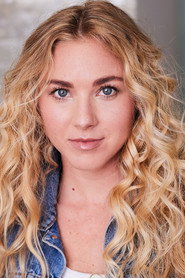 Brittany OaksRebecca
 Laura JohnsonBlonde Woman
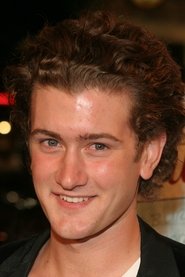 Max KaschHeadphone Kid
 Kyle GallnerHeadphone Kid's Brother
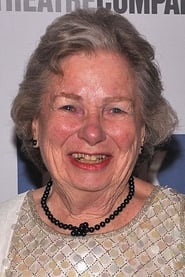 Angela PatonNice Lady
Directing
- Wes CravenDirector
- Sheila WaldronScript Supervisor
Writing
- Carl EllsworthScreenplay
- Carl EllsworthStory
- Dan FoosStory
Production
- Lisa BeachCasting
- Sarah KatzmanCasting
- Bonnie CurtisExecutive Producer
- J.C. SpinkExecutive Producer
- Jim LemleyExecutive Producer
- Mason NovickExecutive Producer
- Chris BenderProducer
- Marianne MaddalenaProducer