
Film
Missing
Other titles called Missing: the 1982 film.
A taut thriller about a young woman using every tech tool available to find her missing mother in Colombia. Storm Reid carries the film as June, glued to screens and phones, piecing together a mystery that keeps shifting beneath her fingers. It's smart, propulsive, and genuinely concerned with how we investigate the world through screens rather than boots on the ground.
Should you watch it?
Watch it if you enjoy puzzle-box thrillers told through laptops, phone screens and browser tabs, where every search result feels like a clue and the mystery doubles as a portrait of a parent you thought you knew.
Skip it if you want human faces and wide-open locations, because nearly all of it is someone staring at a glowing screen, which can feel thin across its runtime.
What it asks of you: It runs a tight 111 minutes of cursor clicks, video calls and half-read messages, building tension through patient detective work rather than big set pieces.
Not sure? Find tonight's pick in a minute.
If you liked this
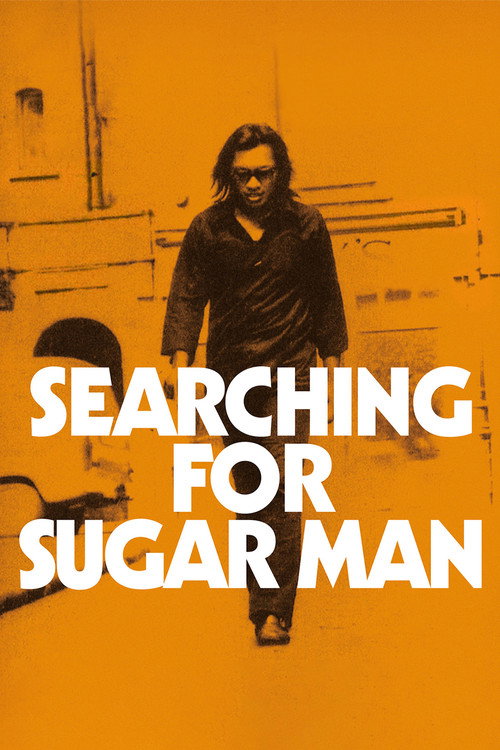
Searching for Sugar Man2012
John Cho's character hunts for his missing daughter entirely through his laptop screen, building dread from pixels and browser tabs. It's the film *Missing* clearly learned from—a masterclass in making digital investigation feel urgent and intimate.
But The gimmick of watching someone work a computer can feel static if you're not engaged with the mystery itself. Some find it visually monotonous.
Unforgettable2017
Katherine Heigl's psychological thriller turns on secrets within a family and the unreliable nature of what we think we know about people close to us. Sharp, soapy, and propelled by genuine mystery.
But It tips into melodrama by the third act. If you need grounding realism, this will test your patience.

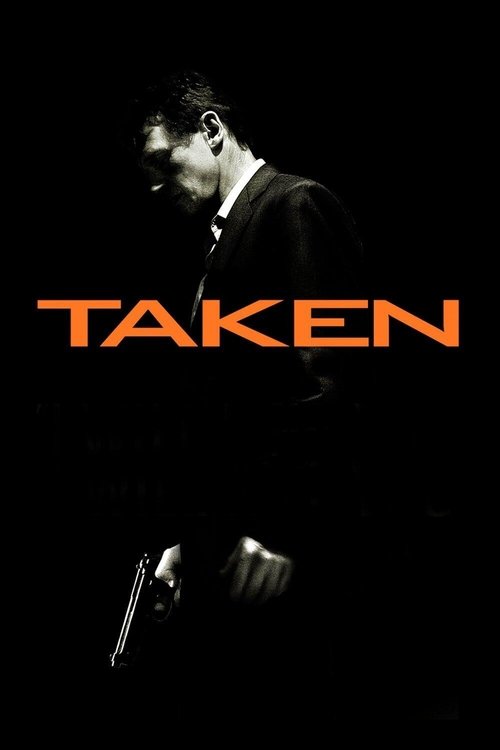
Taken2008
A parent vanishes, and the protagonist must use every resource—contacts, guile, determination—to find them across borders. The international kidnapping plot and ticking clock are direct DNA ancestors of *Missing*.
But It's built on action and revenge fantasy, not investigation. If you want subtlety, this bulldozes past it.
Not sure tonight? Get a pick in a minute, starting from Missing
The wildcard
Something you would not have found on your own.
Memories of Murder2003
Both films are fundamentally about how investigation fails us—how digging deeper doesn't guarantee truth, and how certainty can be a dangerous illusion. The search itself can be more important than the answers.
Bong Joon-ho's masterpiece follows two detectives hunting a serial killer in 1980s South Korea. It shares *Missing*'s obsession with the gaps between what we know and what's true, but operates as high tragedy rather than thriller. Hypnotic and heartbreaking.
But It's long, deliberately paced, and Korean cinema operates on different narrative rhythms. Subtitles and patience are mandatory; certainty is denied.

More like this (8)
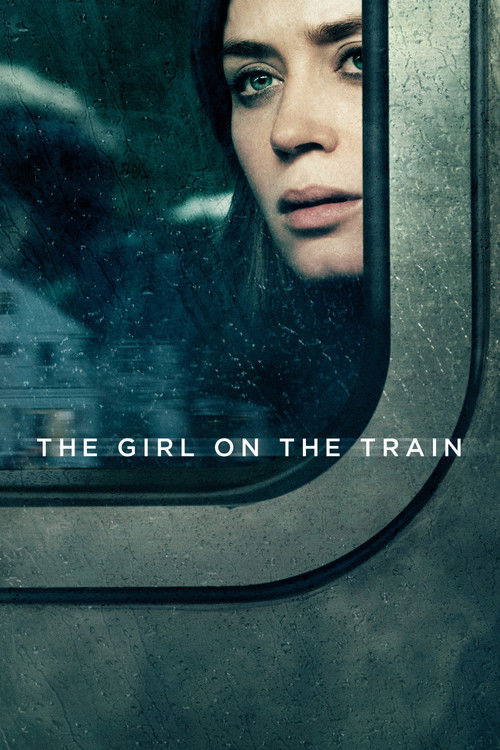
The Girl on the Train2016
A woman pieces together a mystery from fragments and half-truths, discovering nothing is as it appeared. Like *Missing*, it's about how perspective and information can mislead us about people we thought we knew.
But The narrative jumps between timelines and unreliable narrators. It demands attention and can feel frustrating if that's not your mode.
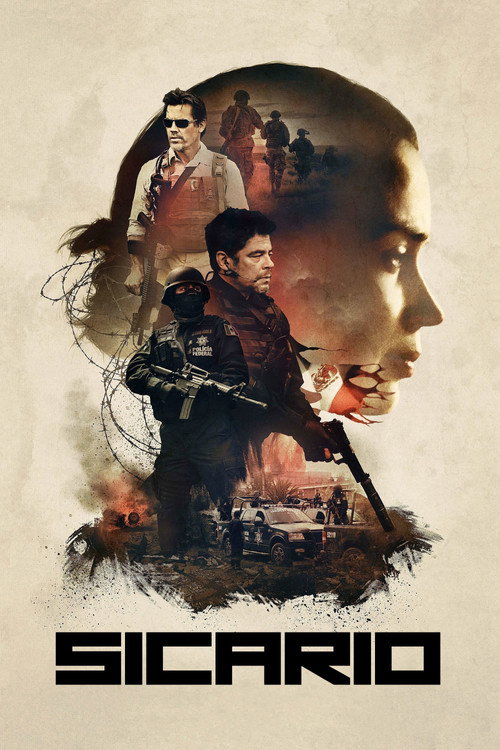
Sicario2015
An FBI agent ventures into Colombia and discovers that the operation she thought she understood is something far darker. Gorgeously shot, morally ambiguous, and deeply unsettling about corruption and hidden agendas.
But It's slow-burn and bleak, with minimal character development. If you need catharsis or humor, you won't find it here.
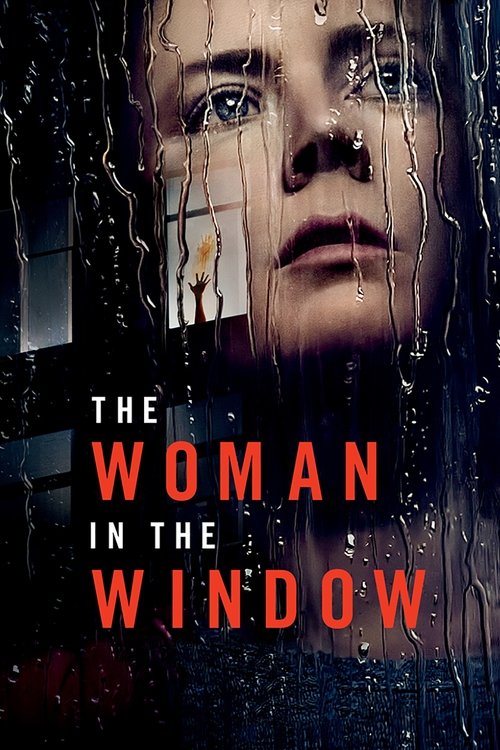
The Woman in the Window2021
Amy Adams plays a woman investigating a crime from inside her home, sifting through what she's seen and what she imagines. A puzzle built on unreliable observation and the gaps between truth and assumption.
But The twist fumbles the landing, and the film occasionally loses its grip on logic. Some find it frustratingly convenient in the final stretch.
Heroine2012
A Bollywood thriller about a woman caught in a web of secrets, fame, and betrayal. It pulses with energy and has genuine stakes; the mystery unfolds through character rather than exposition.
But If you're unfamiliar with Bollywood style, the tonal shifts and melodrama may feel jarring. It operates on different narrative rules.

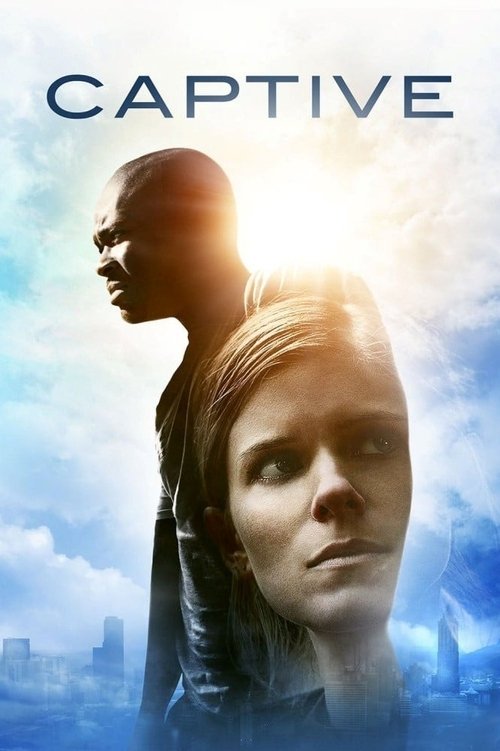
Captive2015
A woman must navigate a hostage situation while uncovering the truth about her captor. Tense, intimate, and genuinely concerned with the psychology of survival and secrets.
But The pacing staggers in places. It leans on performance over plot, which can feel slow if you're seeking momentum.
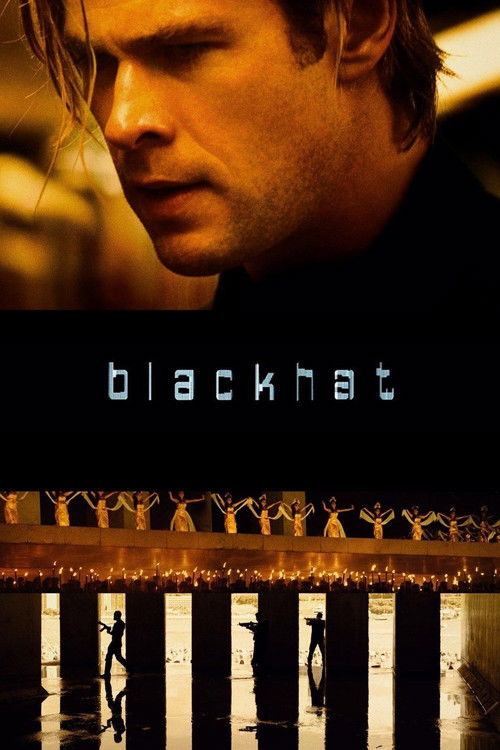
Blackhat2015
A cybercriminal and an FBI agent pursue a digital attacker across continents. It takes the digital-investigation premise seriously and grounds it in real locations and genuine technical tension.
But Michael Mann's style is severe and distancing. If you need emotional warmth or character connection, this austere approach will leave you cold.
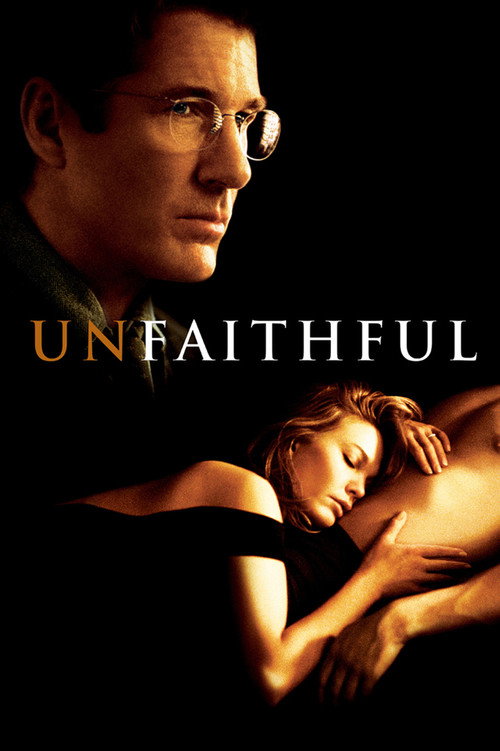
Unfaithful2002
Both explore how intimate relationships can conceal complete alternate identities. *Missing*'s mother and *Unfaithful*'s wife are separate people within the frame the protagonist believed was complete.
Adrian Lyne's film unravels a marriage through infidelity and escalating deception. Like *Missing*, it's about discovering that the person you thought you knew best harbored an entire hidden life. Erotically charged and genuinely unsettling.
But It's built on sexual transgression and moral ambiguity rather than external mystery. If you need your characters redeemed, you won't find it here.
Searching Eva2019
Both films take digital investigation as their primary medium and visual language, making the technology itself part of the character. But where *Missing* uses tech as a practical tool, *Searching Eva* interrogates whether digital traces can ever reveal truth at all.
A woman obsessively traces the life of a disappeared girl through internet archives and digital traces. It's formally wild—part documentary, part thriller, part essay—and deeply strange. It asks what we can ever truly know from screens and data.
But It's deliberately fragmented and refuses conventional narrative. It can feel inaccessible and pretentious; clarity is not its priority.

People
Cast
 Storm ReidJune
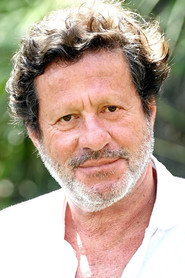
 Ken LeungKevin
 Amy LandeckerHeather
 Daniel HenneyAgent Park
 Nia LongGrace
 Megan SuriVeena
 Tim GriffinJames
 Rick ChambersMorning Host
 Tracy VilarDetective Gomez
 Kimberly ChengField Reporter
 Lauren B. MosleyRachel
Directing
- Nicholas D. JohnsonDirector
- Will MerrickDirector
- Alexander ArmeroFirst Assistant Director
- Shawn TiraScript Supervisor
- Allan AguilarSecond Assistant Director
- Congyu ESecond Unit Director
Writing
- Nicholas D. JohnsonScreenplay
- Will MerrickScreenplay
- Aneesh ChagantyStory
- Sev OhanianStory
Production
- Lindsey WeissmuellerCasting
- Congyu ECo-Producer
- Adam SidmanExecutive Producer
- Jo HenriquezExecutive Producer
- Timur BekmambetovExecutive Producer
- Morgue MarcusExtras Casting
- Aneesh ChagantyProducer
- Natalie QasabianProducer
- Sev OhanianProducer
- David HerreraUnit Production Manager
- Eric BinnsUnit Production Manager