
Film
Captive
Other titles called Captive: the 1986 film, the 2012 film.
A 2015 true-crime drama about a woman held hostage who connects with her captor through faith and conversation. It's a quietly intense character study that trusts the audience to sit with moral ambiguity rather than offering easy answers. For viewers interested in real-world crime stories that centre human complexity over spectacle.
Should you watch it?
Watch it if you like hostage stories built on two people in one cramped room, where the tension comes from conversation and faith rather than gunfire, and the true-story grounding matters to you.
Skip it if you find faith-based uplift hard to stomach, since the devotional thread sits right at the centre and the thriller beats can feel like the backdrop.
What it asks of you: Mostly confined to one apartment and two people talking, it runs about ninety-seven minutes and rewards patience with quiet stretches and close attention to dialogue over action.
Not sure? Find tonight's pick in a minute.
If you liked this
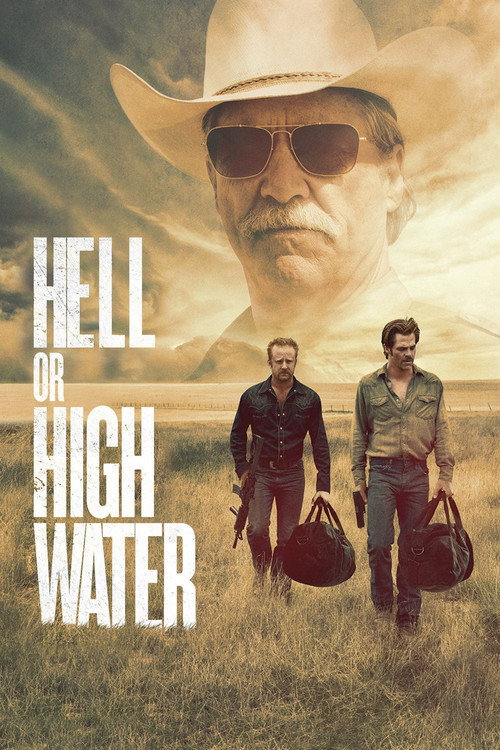
Hell or High Water2016
A modern Western that builds tension through talk and character rather than action. Two men with legitimate grievances commit crimes; the film never asks you to root for them, only to understand them. Morally precise and gripping.
But Takes its time establishing mood and backstory. If you want quick plot resolution and clear heroes, this will feel deliberately paced.
Spotlight2015
Journalists uncover institutional crime through patience, conversation, and moral persistence. Like Captive, it finds drama in people talking through difficult truths. Ensemble cast, all pitch-perfect in restraint.
But No action sequences. The climax is a newspaper article. If you need external stakes and movement, this is a slow burn about paperwork.

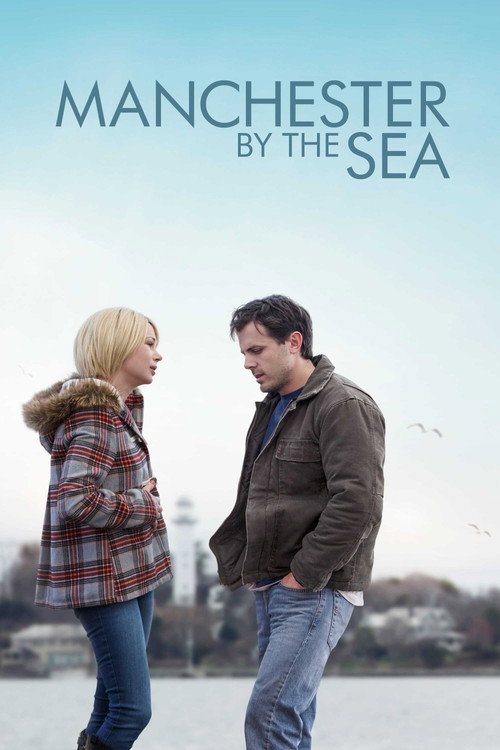
Manchester by the Sea2016
Casey Affleck's portrait of grief and responsibility is heartbreaking and unsentimental. Captures how people actually talk when they're trying not to feel things. Quiet, devastatingly human.
But Relentlessly sad. The story doesn't resolve so much as pause. Beautiful, but it won't lift your mood.
Not sure tonight? Get a pick in a minute, starting from Captive
The wildcard
Something you would not have found on your own.
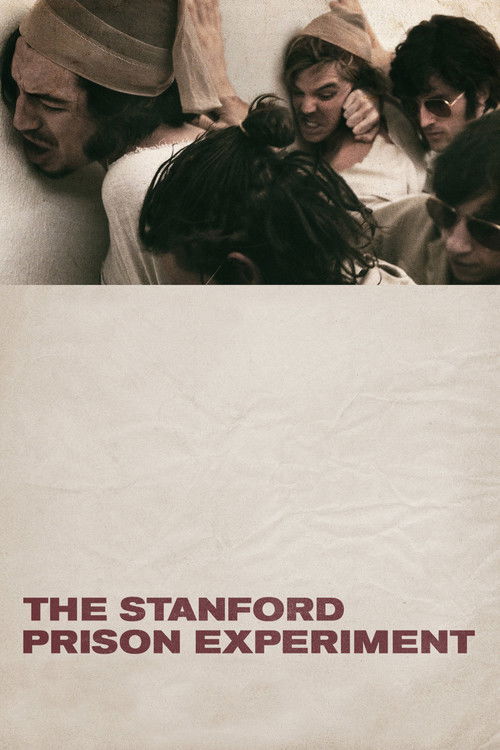
The Stanford Prison Experiment2015
Both examine how quickly circumstance can reshape identity and morality—not through action, but through slow psychological pressure and the choices people make under constraint.
A recreation of the notorious 1971 psychological study. Like Captive, it watches ordinary people placed in extraordinary circumstances and asks how quickly we become the role we're assigned. Unsettling and precise about human nature.
But Bleak and claustrophobic. The film doesn't provide the reassurance you might want about human decency. Based on a study now questioned for its methodology.
More like this (8)
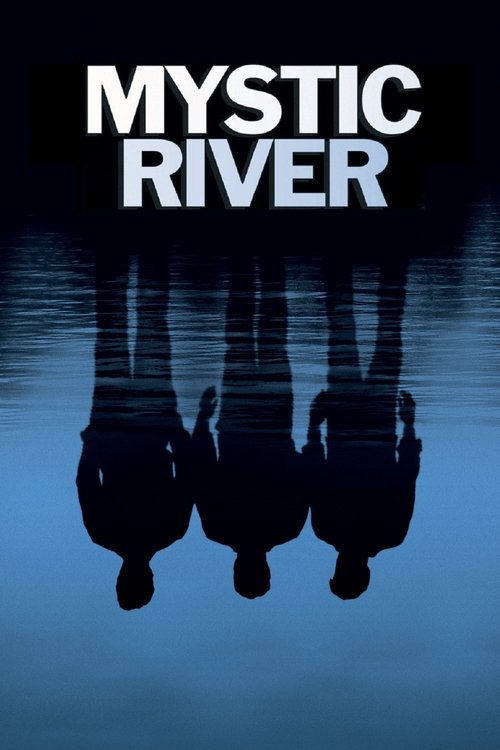
Mystic River2003
Three men marked by a childhood crime must confront what it means when violence touches them again. Dense with character, moral weight, and the damage secrets do. Masterful ensemble work.
But Deliberately bleak. The resolution offers no catharsis, only consequence. Clint Eastwood doesn't soften the edges.
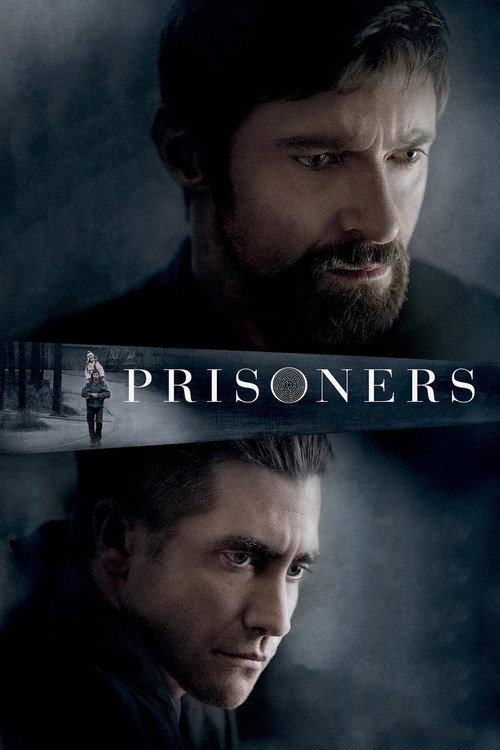
Prisoners2013
A desperate father and a cop pursuing the same suspect; the film asks whether justice and revenge are the same thing. Visceral, morally unresolved, anchored by two magnetic leads.
But Punishing to watch. Sustained tension and implied violence. Not designed to make you feel better about human nature.
Zodiac2007
Two men obsess over a serial killer across decades. The real drama is investigation itself—how a case consumes you. Fincher's control is surgical; the atmosphere is suffocating.
But Three hours with no guns firing. The killer barely appears. If you need a procedural that wraps up neatly, this doesn't.
In Cold Blood1967
The definitive true-crime film. Shows both the victims and the killers as people. Robert Blake's performance is quietly terrifying. Influenced everything that came after.
But Bleak and unsentimental in a way that can feel clinical. Made in 1967; the pacing and style take adjustment.
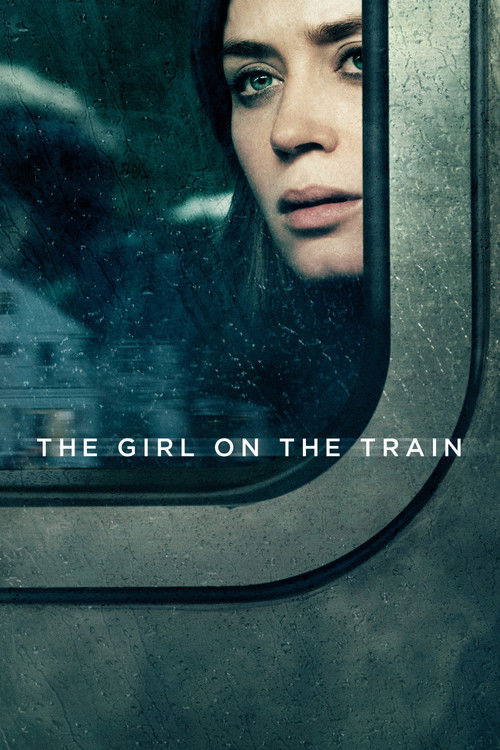
The Girl on the Train2016
A woman becomes entangled in a crime she barely understands. Character-driven mystery with an unreliable lead. Rainey, Blunt, and the film's formal control keep you off balance.
But The plot requires you to track multiple timelines and unreliable narrators. Can feel needlessly complicated if you're just looking for answers.
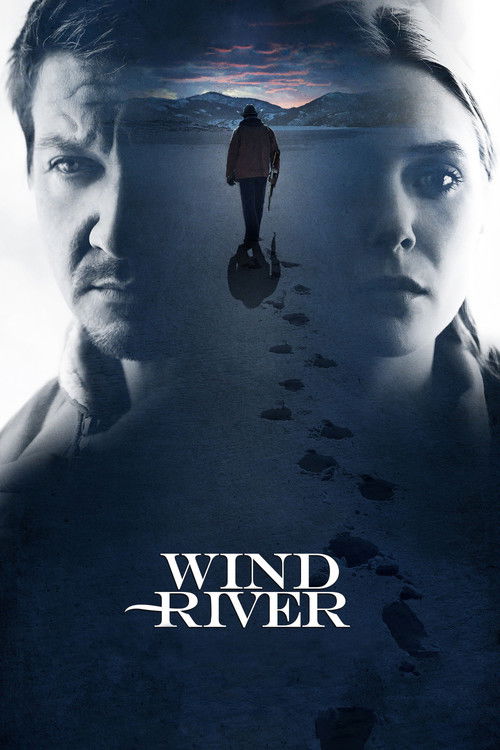
Wind River2017
A detective and FBI agent investigate a murder on Shoshone land. Grounded procedural that takes grief and indigenous experience seriously. Taylor Sheridan writes character over sensation.
But Quiet and angry rather than explosive. The investigation matters less than what it reveals about systemic indifference.
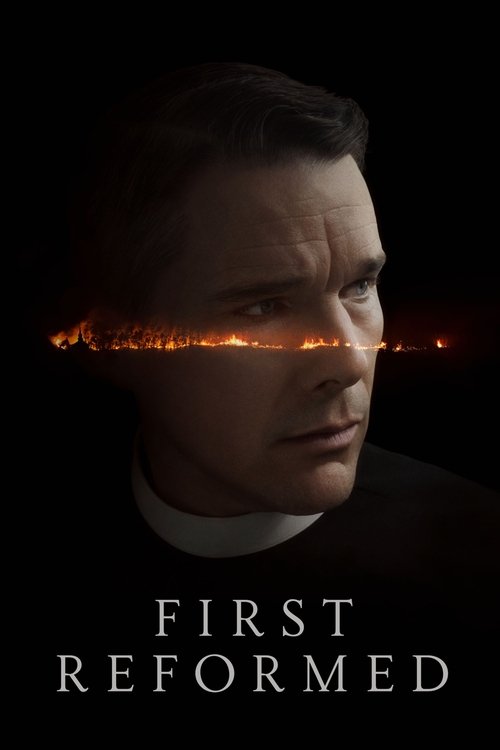
First Reformed2018
Both centre a person in isolation turning to faith and scripture not as comfort but as a tool to understand themselves and their captor/crisis. Both treat religious conviction as genuinely urgent, not quaint.
Paul Schrader's portrait of a pastor in spiritual crisis. A man alone with his conscience, searching for meaning and purpose through scripture and faith. Visually austere, emotionally shattering. Operates at the intersection of despair and devotion.
But Deliberately slow and mournful. The film withholds catharsis. If you need resolution or uplift, this will feel punishing and incomplete.
The Act of Killing2012
Both ask the difficult question: what do we learn about humanity by trying to understand the inner lives of people who have committed terrible acts? Neither film offers easy judgment or distance.
A documentary where genocide perpetrators in Indonesia restage their murders. Shocking premise that becomes a psychological portrait of how people justify atrocity to themselves and rewrite their own histories. Hypnotic and horrifying.
But Deeply disturbing. You watch men laugh while describing killing. No voiceover moralizing; the film trusts your disgust. Long, and designed to make you uncomfortable, not satisfied.

People
Cast
 Kate MaraAshley Smith
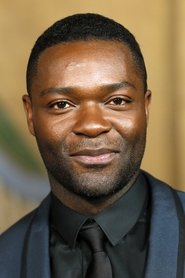 David OyelowoBrian Nichols
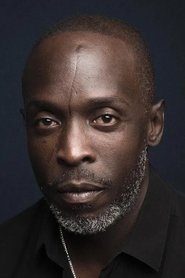 Michael Kenneth WilliamsDetective John Chestnut
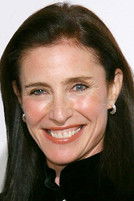 Mimi RogersKim Rogers
 Leonor VarelaSergeant Carmen Sandoval
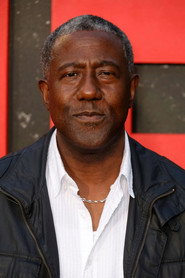 E. Roger MitchellSergeant Teasley
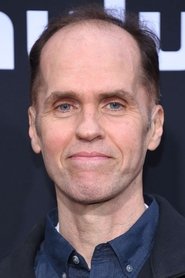 Kevin J. O'ConnorFBI Agent
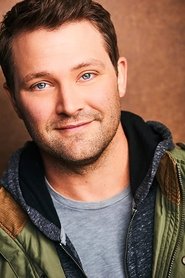 Matt LoweRandy
 Jessica OyelowoMeredith MacKenzie
 J. Karen ThomasMrs. Nichols
- Melissa EastwoodDrug Rehab Patient
 Marlo ScheitlerCheryl
Directing
- Jerry JamesonDirector
Writing
- Ashley SmithBook
- Brian BirdScreenplay
Production
- Reinhard DenkeAssociate Producer
- Mark FincannonCasting
- Matthew SpiegelCo-Producer
- Brian BirdExecutive Producer
- Elliott LesterExecutive Producer
- Jonathan GrayExecutive Producer
- Ralph WinterExecutive Producer
- Santiago Garcia GalvanExecutive Producer
- Alex GarcíaProducer
- David OyelowoProducer
- Katrina WolfeProducer
- Ken WalesProducer
- Lucas AkoskinProducer
- Terry BotwickProducer
Recommended by
Waco, The Boy Next Door, Escape at Dannemora, Special Forces, Missing, The Hole, Darkroom, Stranded