
Film
Unmanned: America's Drone Wars
- Western
- Very dark
A rigorous investigation into U.S. drone warfare conducted through 70+ interviews: operators, victims' families, journalists, military officials. Greenwald's documentary strips away abstractions to show the human cost of remote killing—the psychological toll on those behind the controls, the grief and rage of those beneath the strikes. Essential viewing for anyone who's ever wondered what "collateral damage" actually means.
Should you watch it?
Watch it if you want an argument built from testimony rather than spectacle, the kind of plainspoken interview film that lets Pakistani families and a former drone operator make the case directly to you.
Skip it if you want the technology explained or a balanced hearing; this one is openly arguing a position, and it leans on talking heads.
What it asks of you: Sixty-three minutes of mostly seated testimony, grave and unrelenting, with little light relief; it rewards steady attention more than it rewards any visual pleasure.
Not sure? Find tonight's pick in a minute.
If you liked this
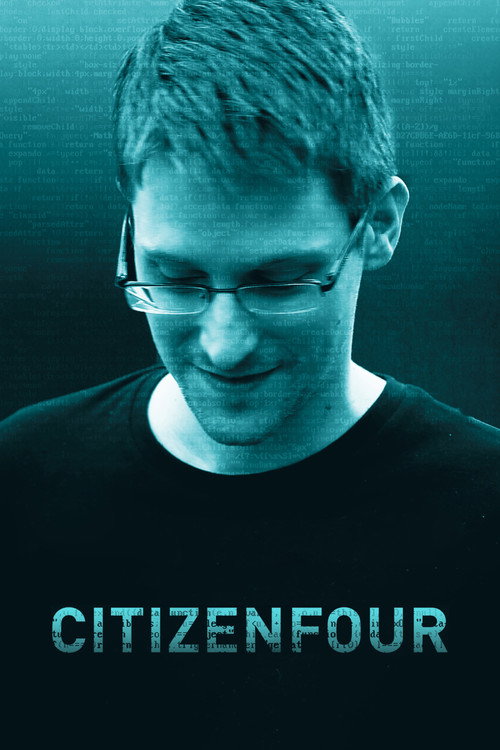
Citizenfour2014
Laura Poitras's stunning portrait of Edward Snowden and the NSA revelations. Like Unmanned, it pulls back the curtain on classified U.S. surveillance machinery through firsthand testimony and painstaking investigation. Hypnotic and morally urgent.
But Deliberately paced and technically dense. If you need constant momentum or visual spectacle, it can feel glacial.
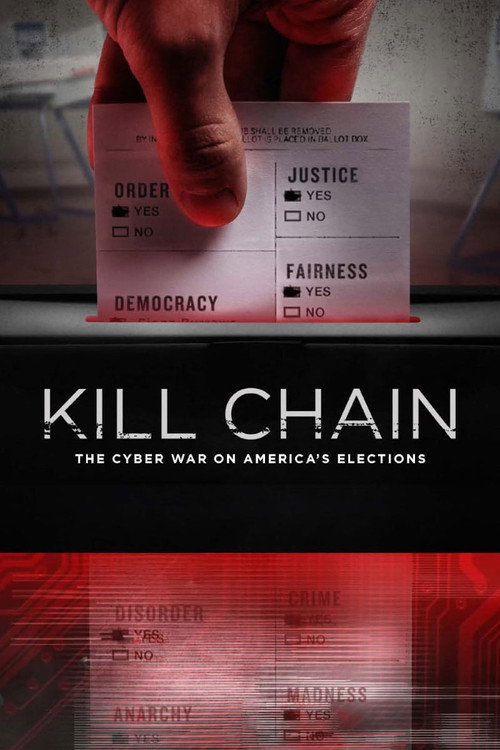
Kill Chain: The Cyber War on America's Elections2020
Sonia Kennebeck follows another drone operator grappling with the weight of what he's done—a companion piece that deepens the psychological portrait. Intimate, unflinching, necessary.
But Heavy subject matter. There's no catharsis here, just the slow accumulation of moral reckoning.
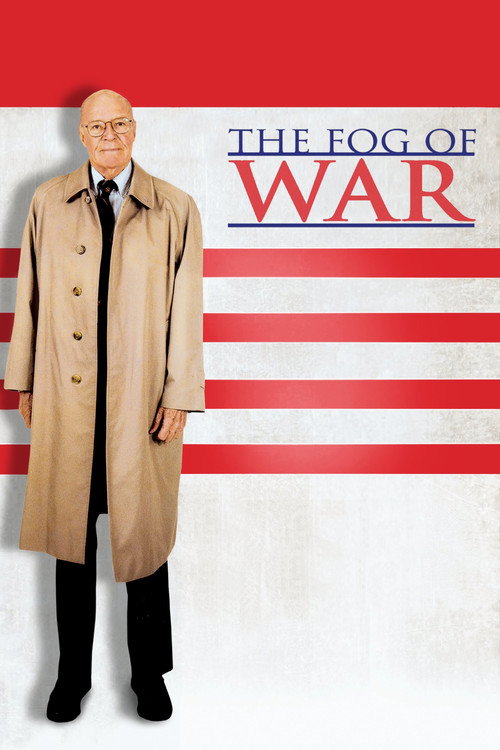
The Fog of War2003
Errol Morris interviews Robert McNamara about military decision-making and unintended consequences. Unmanned echoes its questions: who decides what's acceptable loss, and at what cost?
But McNamara's reflections can feel oblique. Some viewers want more direct moral reckoning.
Not sure tonight? Get a pick in a minute, starting from Unmanned: America's Drone Wars
The wildcard
Something you would not have found on your own.
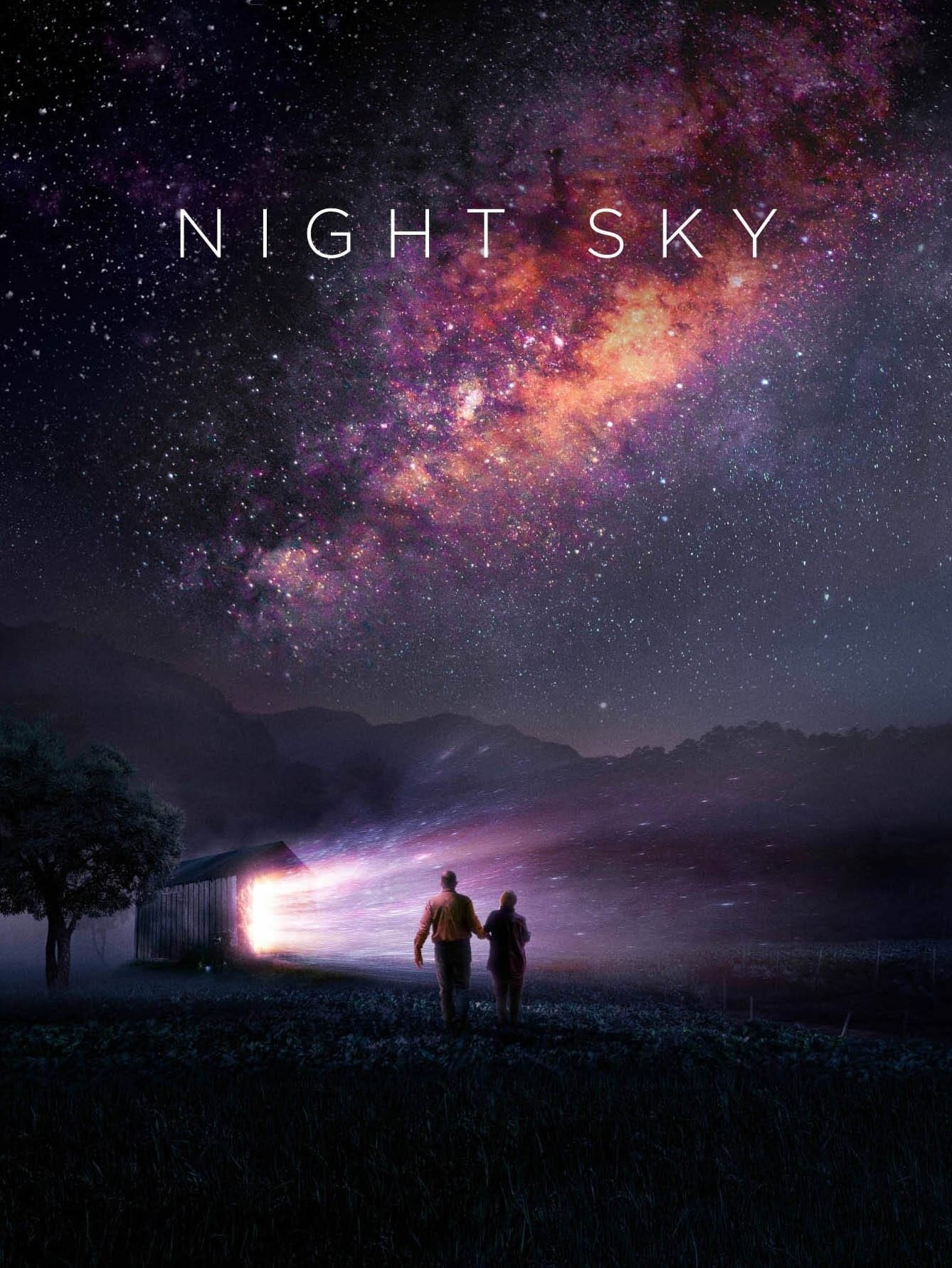
Night Sky2022
Both examine the machinery of state secrecy and the corrosive effect it has on trust and consciousness. Unmanned asks 'What if we knew the truth?' Night Sky asks 'What if we lived in the knowing without understanding?'
Amazon series about two retirees discovering an inexplicable phenomenon. Sounds unrelated, but it's about the weight of secrets, government concealment, and the lies we accept as normal. Haunting and quiet where Unmanned is urgent. Same moral question reframed: what happens when institutions hide the truth from us?
But Slow, meditative, deliberately cryptic. If you want clear answers and propulsive narrative, it's frustrating.
More like this (7)
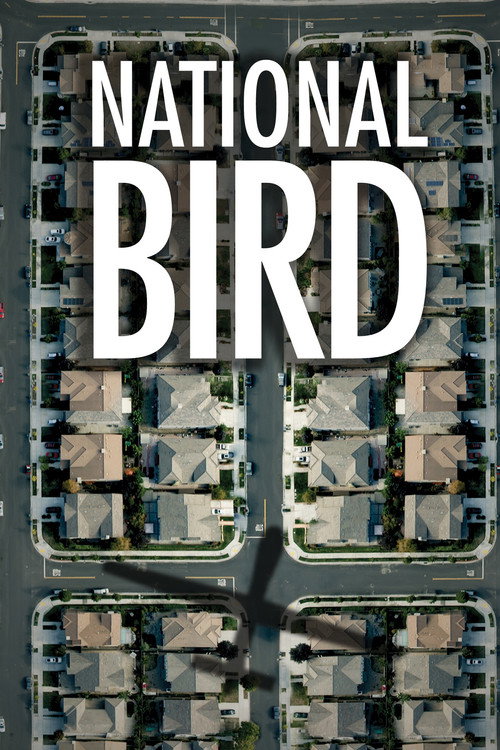
National Bird2016
Three former NSA/military whistleblowers confront the drone program's impact. More personal than policy-focused; raw testimony from people who lived inside the machine.
But Structurally looser than Unmanned. The narrative threads don't always cohere into one argument.
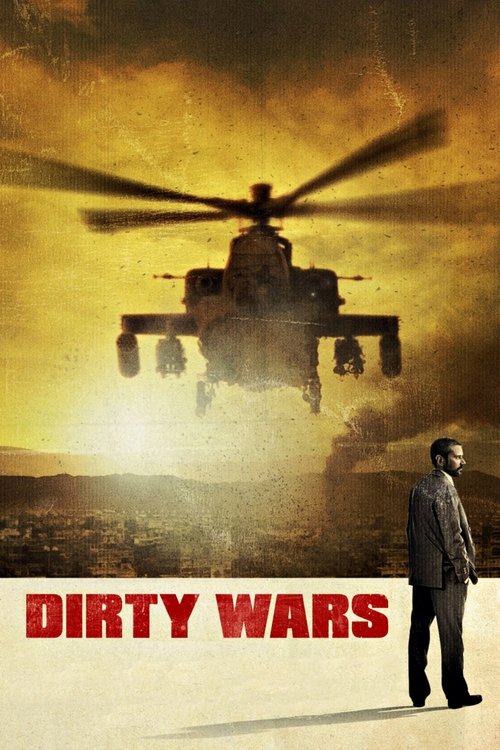
Dirty Wars2013
Jeremy Scahill's investigation into U.S. special operations and targeted killings across the globe. Wider scope than just drones, but the same investigative urgency and moral clarity.
But Scahill's presence sometimes overshadows the story. It can feel like a journalist's crusade rather than pure documentary inquiry.
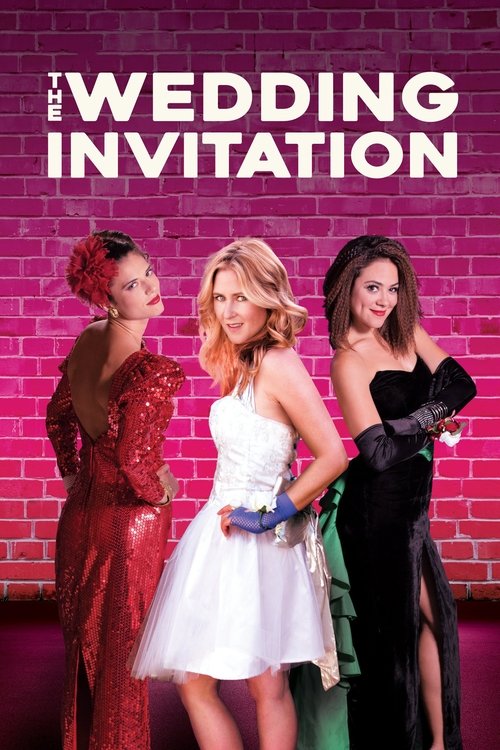
The Wedding Invitation2017
Kinda Alwash documents a drone strike that killed family members in Yemen. Devastating specificity—a single incident, one day, rippling consequences. Shows what statistics obscure.
But Extremely difficult to watch. Grief and rage are the entire film; there's no intellectual distance.
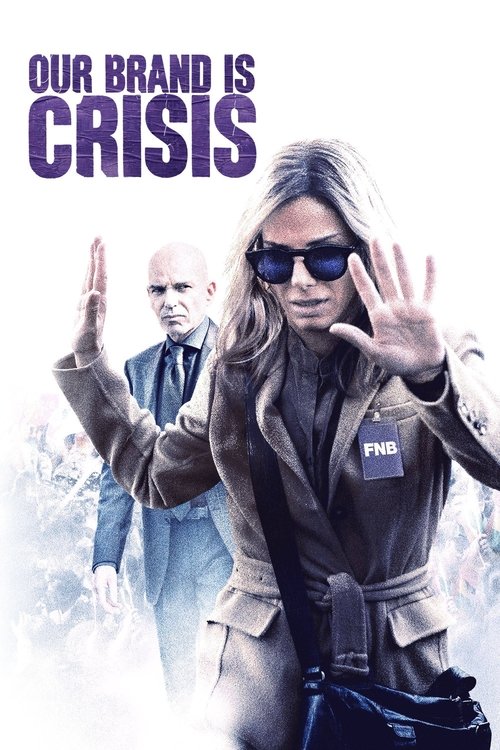
Our Brand Is Crisis2015
Documentary about American political consultants engineering a Bolivian election. Shares Unmanned's critique of U.S. intervention, but through soft power instead of violence. Clever and chilling.
But Lighter tone than what you might expect. The absurdity sometimes outweighs the moral weight.
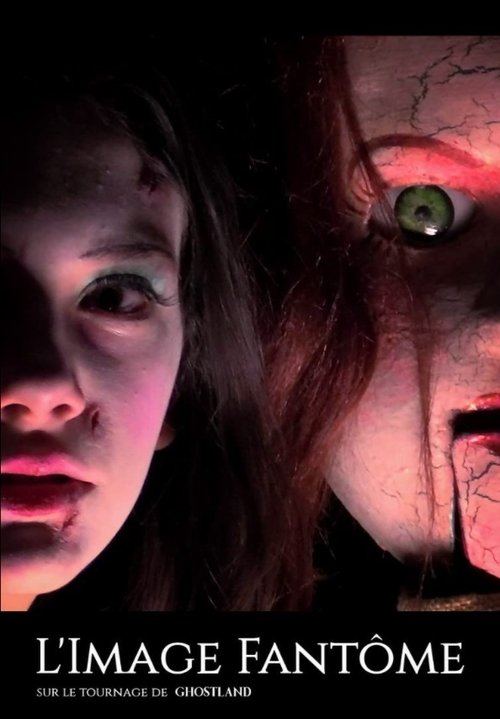
The Ghost Image - On the set of Ghostland2018
Pascal Laugier's fiction film about trauma and fractured reality. Thematic link: how do we process horror when we can't make sense of it? What happens when violence ruptures the mind?
But Completely different form—horror-adjacent, surreal, often confusing. Requires tolerance for ambiguity and discomfort.
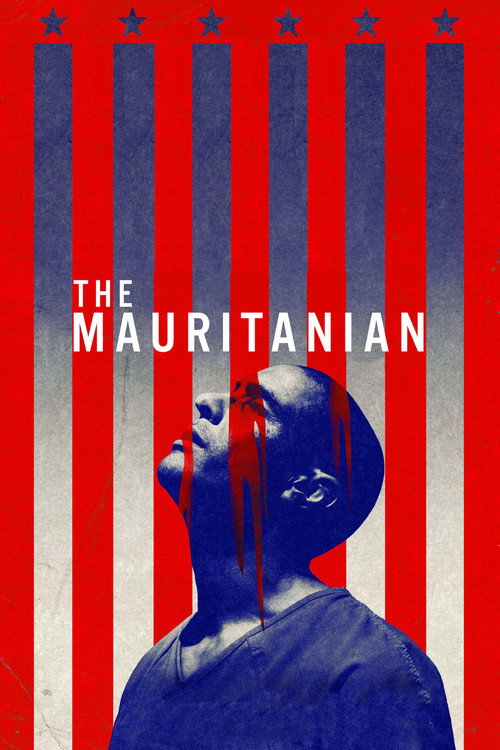
The Mauritanian2021
Both interrogate American systems of violence and ask who's accountable. Unmanned shows operators and victims; The Mauritanian shows the machinery turning on an individual. Same questions, narrower focus.
Kevin Macdonald's film about Mohamedou Ould Slahi's detention and interrogation. Inverse perspective: instead of those who operate the machinery, we see its human cost on the imprisoned. Gripping courtroom drama that's also a moral reckoning.
But Narrative structure can feel conventional after documentary rawness. Some waterboarding sequences are graphically depicted.
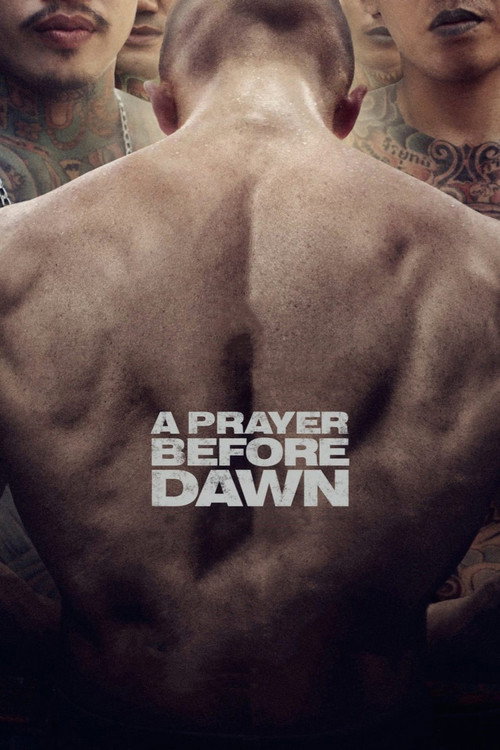
A Prayer Before Dawn2018
Unmanned explores American power wielded remotely; this explores American powerlessness up close. Both ask what violence—inflicted or received—does to the self.
Jean-Stéphane Sauvaire's film about an American boxer imprisoned in Thailand. Brutal, sensory, visceral. Asks what happens to the American body when it's rendered powerless. Thematic complement to Unmanned's question about power and distance.
But Unrelentingly violent and degrading. The film doesn't flinch from depicting suffering in excruciating detail. Exhausting to sit with.
People
Cast
 Jemima KhanSelf - Associate Editor, New Statesman
Directing
- Robert GreenwaldDirector
Production
- Jemima KhanCo-Executive Producer
- Robert GreenwaldProducer