
Film
The Mauritanian
A gripping true-story courtroom drama about a Mauritanian detainee fighting for his freedom from Guantanamo Bay. Tahar Rahim delivers a remarkable performance as a man stripped of rights, while Jodie Foster and Benedict Cumberbatch anchor the legal and moral struggle. It's intelligent, urgent, and deeply humane—the kind of film that makes you angry and hopeful simultaneously.
Should you watch it?
Watch it if you want a courtroom-and-prison drama built on patient, quiet dignity rather than speeches, where the tension lives in what a man refuses to give up under pressure.
Skip it if you need a brisk pace or a clear emotional release; this is grim, procedural and often painful to sit through, and its anger simmers rather than bursting out.
What it asks of you: Just over two hours of sustained seriousness, with long stretches of confinement and interrogation rooms that rely on your patience more than on any rush of plot.
Not sure? Find tonight's pick in a minute.
If you liked this
Spotlight2015
Another ensemble legal thriller about ordinary people uncovering institutional injustice. It has the same methodical, cumulative power—you watch the truth emerge piece by piece, each revelation harder to ignore.
But Less emotionally raw than The Mauritanian; it's procedural and measured where this film burns with personal stakes.

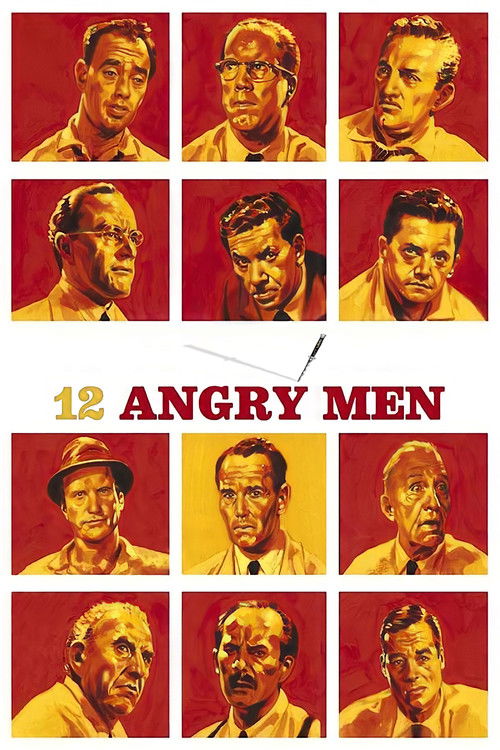
12 Angry Men1957
The godfather of courtroom drama. One room, one jury, one man's conscience versus the system. It proves that moral clarity and suspense don't need explosions—just stakes and conviction.
But In black and white, shot in a single room, made in 1957. If you need spectacle or motion, it'll feel slow.
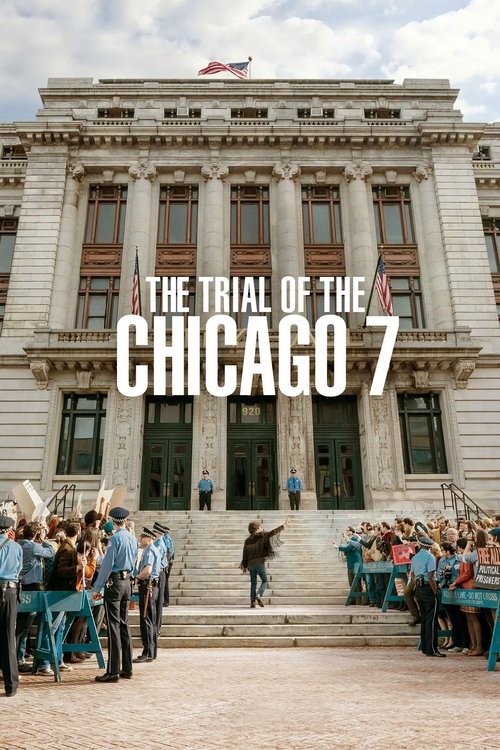
The Trial of the Chicago 72020
Sorkin's electrifying take on state power versus individual conscience. Fast-paced, clever dialogue, ensemble cast firing on all cylinders. It has the same righteous fury as The Mauritanian but channeled through chaos.
But Aaron Sorkin's trademark rapid-fire speeches can feel theatrical. Some find it didactic rather than dramatically ambiguous.
Not sure tonight? Get a pick in a minute, starting from The Mauritanian
The wildcard
Something you would not have found on your own.
A Prophet2009
Both explore how state institutions destroy individuals. Rahim's performance as a man stripped of agency is the emotional core of both films.
French thriller about a young Muslim man navigating a brutal prison system. It's The Mauritanian's mirror—instead of fighting the system from outside, Tahar Rahim's character survives it from within. Immersive, tense, and a masterclass in survival under dehumanization.
But Not in English; subtitled. Graphic prison violence and moral compromise throughout. No heroes here, only calculation.

More like this (8)
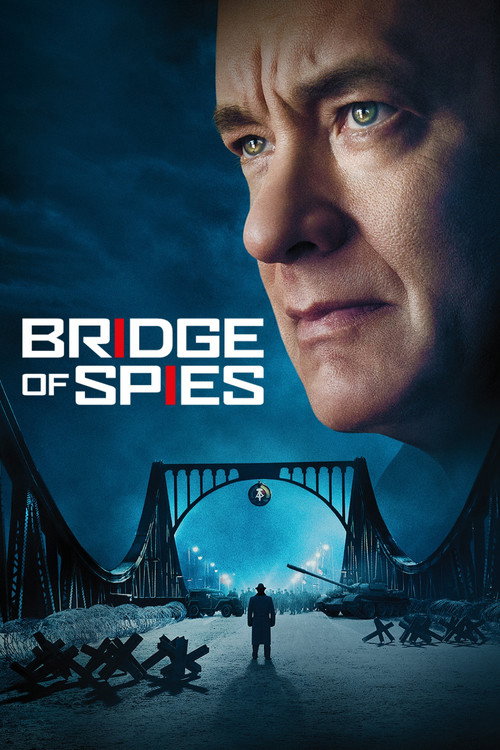
Bridge of Spies2015
Spielberg's Cold War legal thriller, with Tom Hanks as a lawyer navigating geopolitical powers far above his pay grade. It's methodical, tense, and morally clear-eyed about American contradictions.
But Slower-paced than you might expect from Spielberg. The tension is cerebral, not visceral.
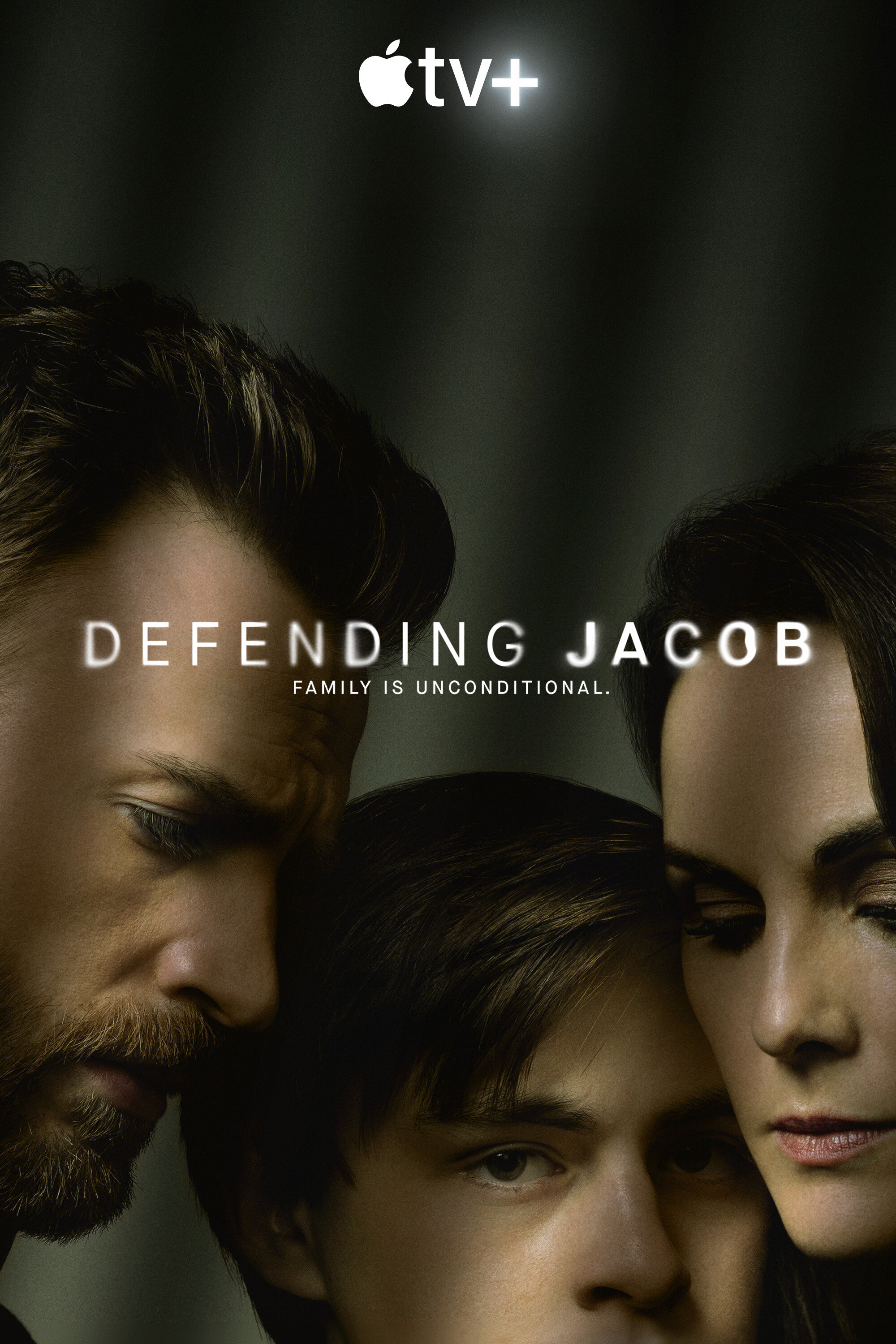
Defending Jacob2020
A gripping miniseries about a father defending his son against a murder accusation. It shares The Mauritanian's exploration of how the system can turn on you, and how lawyers grapple with moral complexity.
But It's a whodunit first, a legal drama second. If you want pure courtroom argument, the mystery might distract.
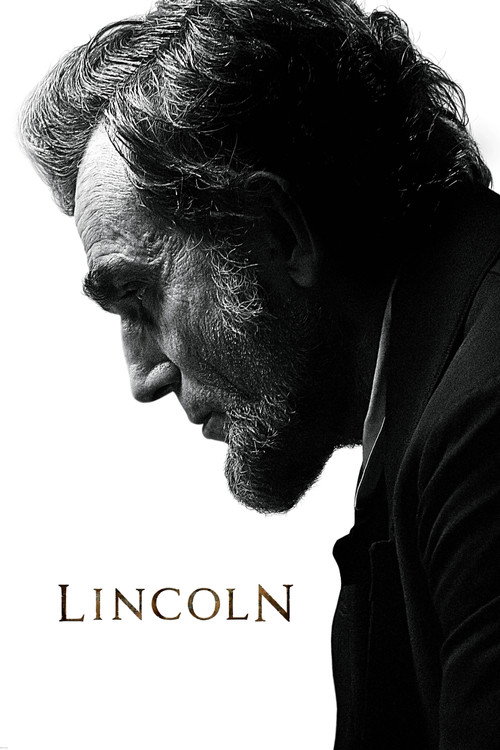
Lincoln2012
Daniel Day-Lewis anchors this film about principle in politics. Like The Mauritanian, it's about how law and conscience intersect when stakes are existential. Beautifully crafted, deeply intelligent.
But Three hours of 19th-century political negotiation. If you want plot momentum, this film moves at its own glacial pace.
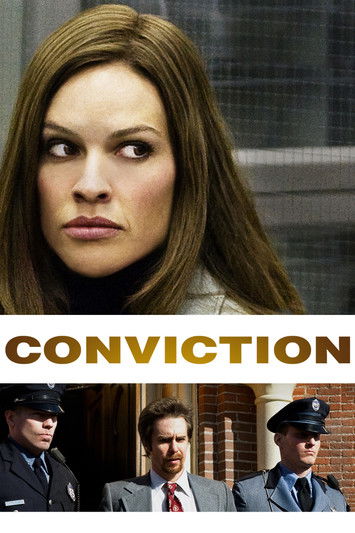
Conviction2010
Hilary Swank fights for her wrongly convicted brother. It's a lean, earnest story about one woman's refusal to accept injustice. Direct and moving without being sentimental.
But Smaller in scope and less dramatically complex than The Mauritanian. It hits its notes rather than exploring the grey.
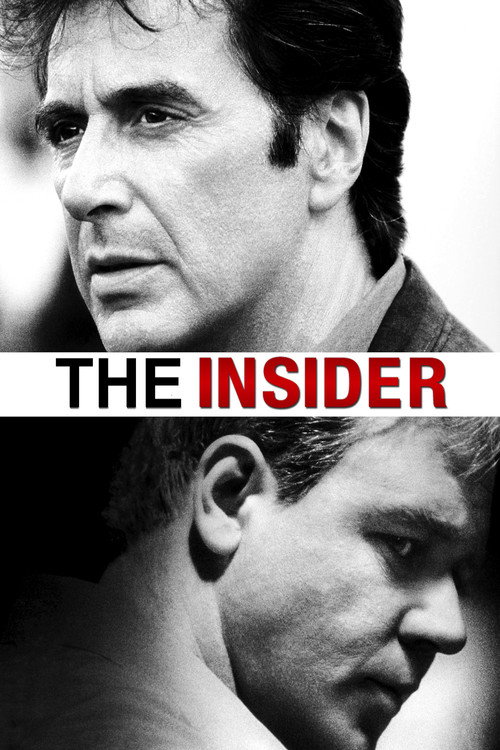
The Insider1999
Al Pacino and Russell Crowe in Michael Mann's tense cat-and-mouse about a whistleblower taking on corporate power. Paranoid, beautifully shot, morally uncompromising. Gripping throughout.
But It's about tobacco litigation and business corruption rather than terrorism or military power. The stakes feel less immediately urgent.
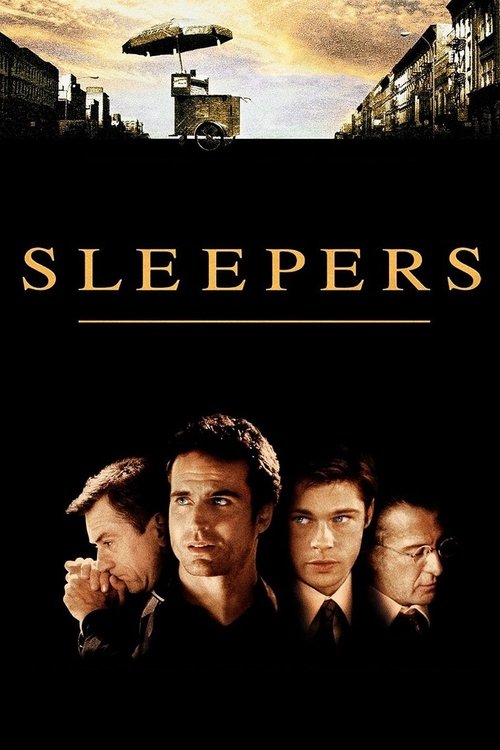
Sleepers1996
A sprawling ensemble revenge-and-justice narrative with an all-star cast. It interweaves childhood trauma, corruption, and courtroom catharsis. Raw and ambitious, if uneven.
But It's Grisham-adapted melodrama from the 90s. Sometimes overwrought; the moral compass spins rather than pointing true.
The Act of Killing2012
Both films insist that you witness injustice and ask uncomfortable questions about who bears responsibility for institutional cruelty.
A documentary that interviews Indonesian death-squad executioners. Utterly unlike The Mauritanian in form, but asks the same question: how do systems make ordinary people complicit in atrocity, and how do we reckon with that truth?
But Deeply disturbing. You're sitting with men who murdered hundreds, sometimes hearing them justify it. Not cathartic, rarely comfortable.

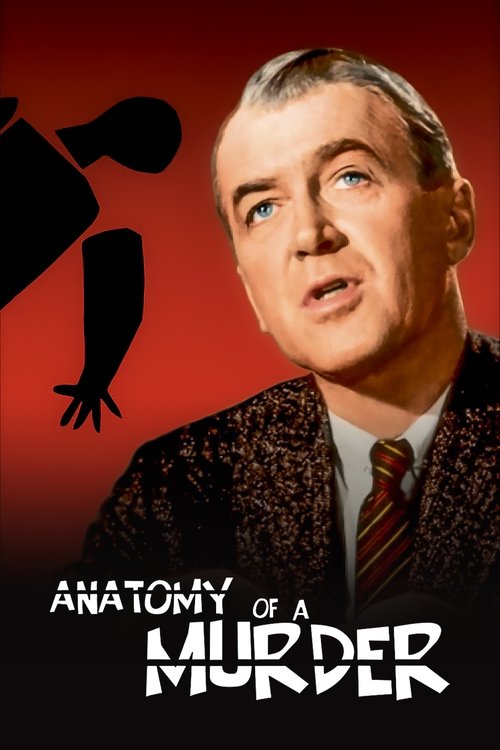
Anatomy of a Murder1959
Both trust the legal process itself as drama. Where most films use the courtroom as backdrop, both films understand that law is where justice and conscience collide.
Otto Preminger's slow-burn courtroom classic about a lawyer defending a man accused of killing his wife's rapist. It's methodical legal procedure elevated to moral philosophy. The entire film is the trial—no shortcuts, no easy answers.
But Nearly three hours of 1950s courtroom dialogue and sexual history that was scandalous then but casual now. The pacing is glacial by modern standards.
People
Cast
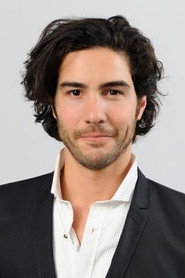 Tahar RahimMohamedou Ould Slahi
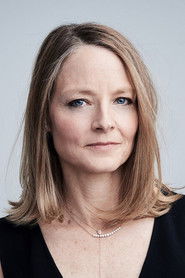 Jodie FosterNancy Hollander
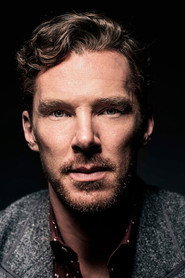 Benedict CumberbatchLt. Stuart Couch
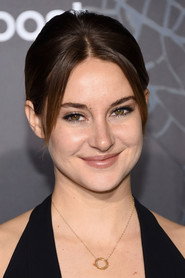 Shailene WoodleyTeri Duncan
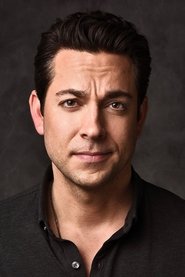 Zachary LeviNeil Buckland
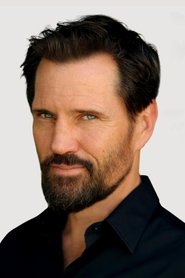 Langley KirkwoodSergeant Sands
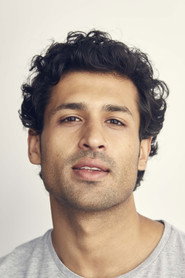 Saamer UsmaniArjun
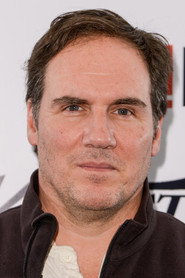 Corey JohnsonBill Seidel
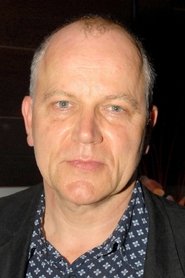 Matthew MarshGeneral Miller
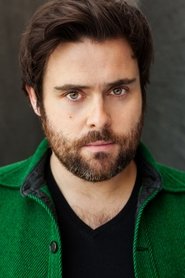 David FynnKent
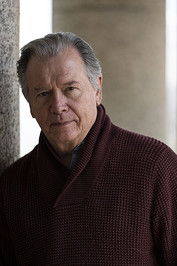 André JacobsJudge Robertson
 Meena RayannWafa
Directing
- Kevin MacdonaldDirector
Writing
- Mohamedou Ould SlahiBook
- Michael BronnerScreenplay
- Rory HainesScreenplay
- Sohrab NoshirvaniScreenplay
- Michael BronnerStory
Production
- Nina GoldCasting
- Donald SabourinCo-Producer
- Larry SiemsCo-Producer
- Mohamedou Ould SlahiCo-Producer
- Adam FogelsonExecutive Producer
- Dan FriedkinExecutive Producer
- Daniel SteinmanExecutive Producer
- Jim ReeveExecutive Producer
- John FriedbergExecutive Producer
- Maria ZuckermanExecutive Producer
- Micah GreenExecutive Producer
- Michael BloomExecutive Producer
- Robert HalmiExecutive Producer
- Robert SimondsExecutive Producer
- Rose GarnettExecutive Producer
- Russell SmithExecutive Producer
- Ryan HellerExecutive Producer
- Zak KilbergExecutive Producer
- Adam AcklandProducer
- Beatriz LevinProducer
- Benedict CumberbatchProducer
- Branwen Prestwood-SmithProducer
- Christine HolderProducer
- Leah ClarkeProducer
- Lloyd LevinProducer
- Mark HolderProducer
- Michael BronnerProducer