Television series
Seconds from Disaster
- Investigative journalism
- Dip in and out
Seconds from Disaster meticulously reconstructs famous catastrophes, isolating the precise moment and chain of failures that turned near-misses into tragedy. Each episode builds forensic tension through animation and expert testimony, asking what had to go wrong—and what might have gone right. It's compulsively watchable disaster archaeology for people who find human error and systemic failure more gripping than fiction.
Should you watch it?
Watch it if you enjoy patient forensic detective work, where a chain of small mistakes slowly reveals how a famous catastrophe actually unfolded, and you like seeing the reconstruction drawn out precisely.
Skip it if you want human stories or emotional weight, since this stays with engineering and procedure, and the format can feel samey across so many episodes.
What it asks of you: Sixty-minute episodes, sixty-seven of them across six seasons, so settle in for a long haul and pay close attention to diagrams and timelines.
Not sure? Find tonight's pick in a minute.
If you liked this
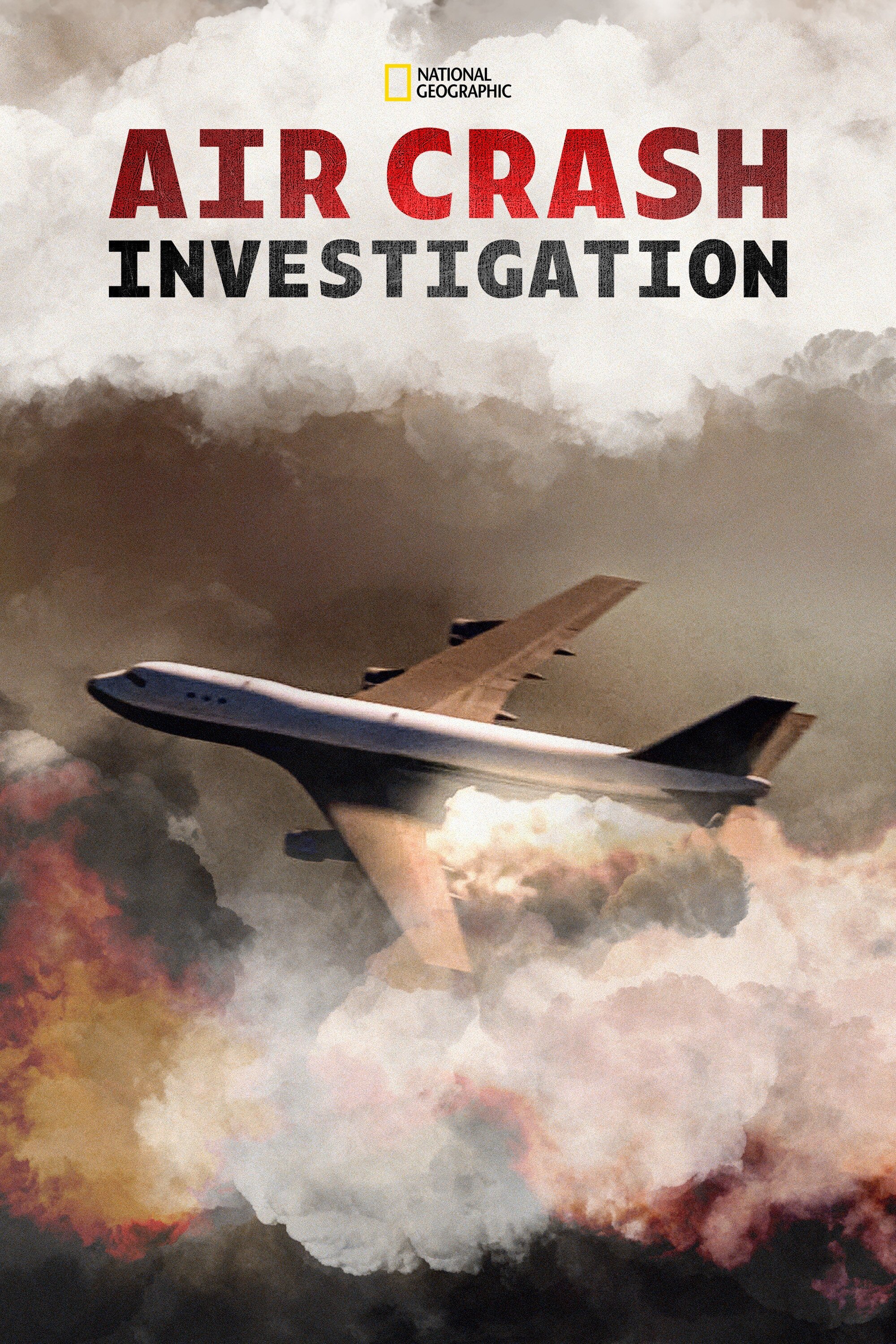
Air Crash Investigation2003
The gold standard of disaster documentaries. Each episode dissects a real aviation accident with the same meticulous, suspenseful approach, building toward the moment everything fails. Hypnotic and harrowing in equal measure.
But Relentlessly grim. If you fly frequently, this will make you anxious for weeks. Some episodes feel like watching a predetermined tragedy unfold.
The Last Breath2014
A taut account of a deep-sea diving accident told through documentary footage and testimony. Single incident, laser focus. The kind of tense, unravelling narrative that Seconds from Disaster traffics in, but compressed into feature length.
But Claustrophobic and genuinely disturbing. The technical jargon may lose you if you don't stay with it. Not comforting viewing.
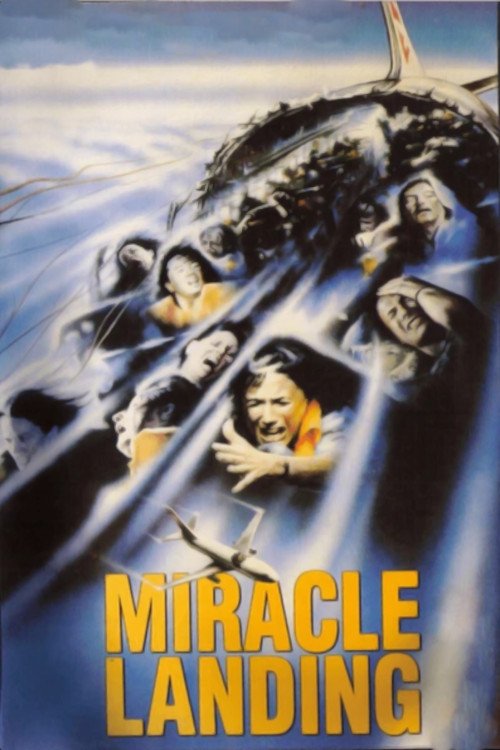
Miracle Landing1990
A dramatisation of Japan Airlines Flight 123's crash investigation, built around the same obsessive hunt for cause-and-effect. Less polished than Air Crash Investigation but more emotionally alive and thrilling.
But Made for TV in the 1980s, so production values feel dated. The dramatisation sometimes oversimplifies the technical detail that makes disaster narratives tick.
Not sure tonight? Get a pick in a minute, starting from Seconds from Disaster
The wildcard
Something you would not have found on your own.
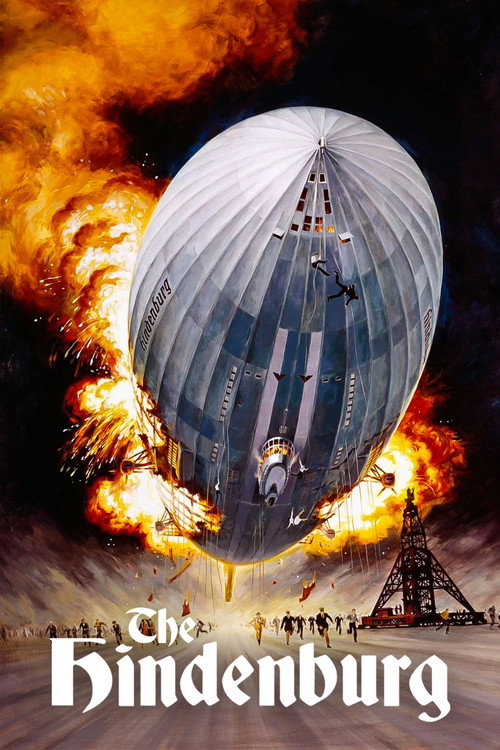
The Hindenburg1975
Both dissect major catastrophes through forensic investigation of evidence and testimony, asking not just what went wrong but why the disaster became inevitable. The Hindenburg applies that approach to history rather than recent events.
Not about the disaster itself—a historical documentary using archival film and contemporary accounts to trace the LZ 129's construction and final voyage. The obsession with reconstructing a catastrophe from fragments mirrors Seconds from Disaster's methodology, but in a historical register. You're watching a tragedy assemble itself.
But Black-and-white archival footage is often grainy and hard to follow. No dramatic reconstructions, no easy answers—just documents and inference. Glacially paced by modern standards.
More like this (5)
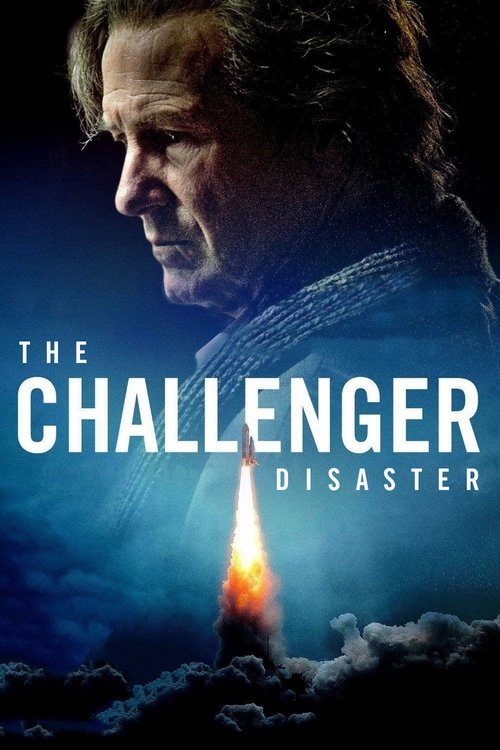
The Challenger Disaster2013
Documentary examining the 1986 shuttle disaster through contemporary footage and expert analysis. The episodic pressure—meetings, decisions, weather delays—builds with the same mounting dread as Seconds from Disaster at its best.
But The tragedy involves loss of human life, which some find too close to home. The pacing is deliberate, slow-burn rather than immediately gripping.
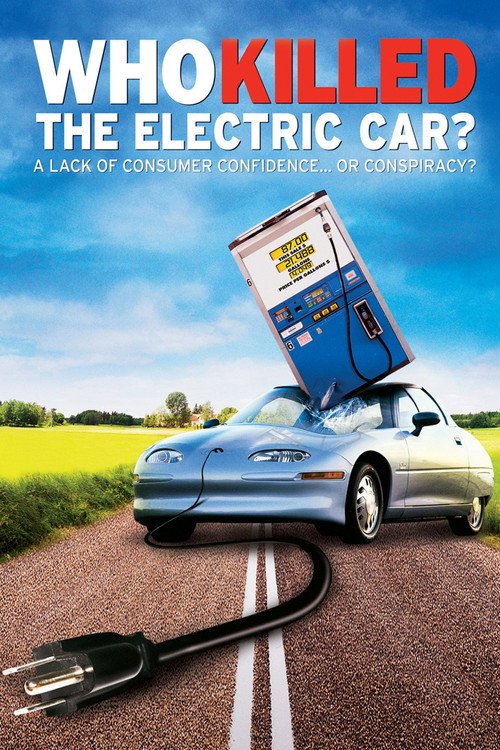
Who Killed the Electric Car?2006
A different flavour of catastrophe investigation: a brilliant project mysteriously derailed by institutional failure. Structures its argument like a detective story, isolating the moment things went wrong.
But Political rather than technical. If you're not invested in automotive history or conspiracy angles, it can feel like you're being lectured. The answer feels predetermined.
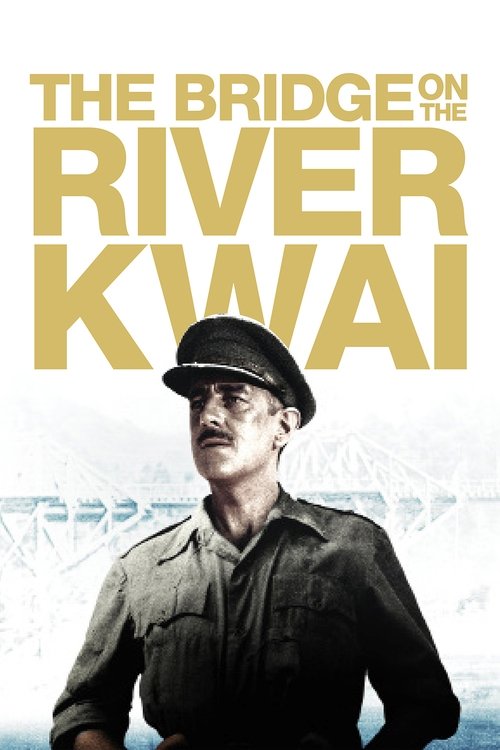
The Bridge on the River Kwai1957
A documentary about the Golden Gate Bridge's suicide hotspot, told through surveillance footage and interviews. Methodical, clinical, and deeply unsettling. The investigation structure mirrors Seconds from Disaster's appeal.
But Profoundly depressing subject matter. Some footage is disturbing. The film doesn't offer comfort or easy answers—it just observes.
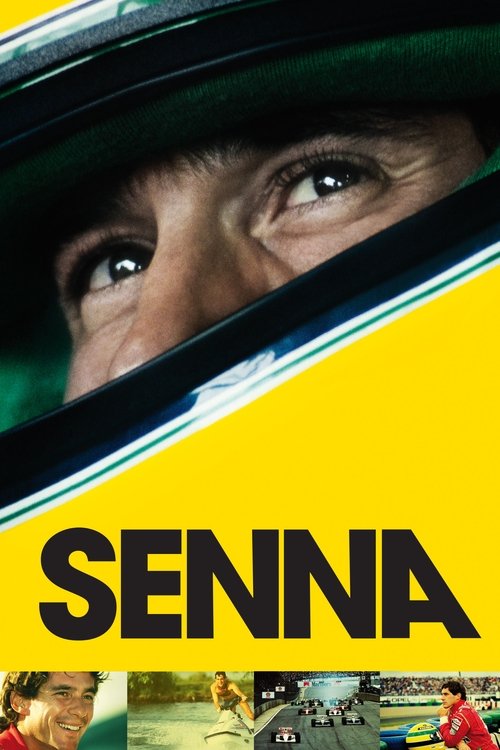
Senna2010
A richly reconstructed narrative of Ayrton Senna's fatal 1994 crash, woven from archival footage and testimony. The same obsessive attention to the split-second decisions that precede disaster.
But Requires some interest in Formula 1 racing to fully land. The reconstruction feels almost mythologised at times, which can undercut the investigative clarity.
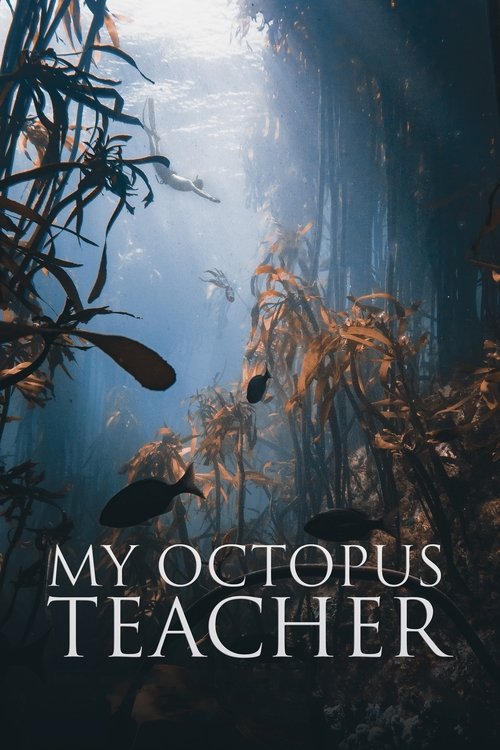
My Octopus Teacher2020
A different kind of unravelling story: a year-long relationship with an octopus, filmed with patient observation. Not a disaster, but shares Seconds from Disaster's obsessive focus and intimate attention to living systems in crisis.
But Meandering, meditative. If you want answers and momentum, this is the opposite. Some find it slow or sentimental rather than gripping.