
Film
The Challenger Disaster
A taut procedural about physicist Richard Feynman's investigation into the 1986 Challenger disaster. This is a thriller about bureaucracy, integrity, and the cost of asking uncomfortable questions—not a hagiography. William Hurt embodies Feynman's restless intelligence and moral clarity as he bulldozes through NASA's defensive evasions to find what really happened.
Should you watch it?
Watch it if you like a hearing-room puzzle where the clues are physical and the pressure is institutional, and where one stubborn mind refuses to accept a convenient answer.
Skip it if you want the disaster itself or big spectacle; this is mostly talk, paperwork and committee rooms, with a sober, unhurried tone and a made-for-television look.
What it asks of you: Ninety minutes of close attention to technical argument and political maneuvering, with few big emotional swings and a deliberate build that rewards patience over reaction.
Not sure? Find tonight's pick in a minute.
If you liked this
Apollo 131995
The gold standard of space-disaster storytelling. It has the same high stakes, the same focus on brilliant people under pressure solving an unsolvable problem, and the same sense that competence and honesty are the only things between you and catastrophe.
But Hopeful and even celebratory in tone—it's about survival and recovery, not about the systemic failures that led to the crisis in the first place.
Chernobyl2019
A five-part miniseries about another disaster investigation, driven by the same question: who knew what, and when did they choose not to act? It has the same claustrophobic dread and the same sense of institutions protecting themselves.
But Bleak to the point of suffocation, and the Soviet context means the parallels with Challenger feel abstract rather than intimate.
The Right Stuff1983
The mythmaking film about the space program's early glory. Watching it before or after Challenger offers essential contrast—this is why the fall felt so catastrophic, and why the program's defenders fought so hard to minimize the blame.
But Three-and-a-half hours long, and it prioritizes swagger and legend-building over the nuts-and-bolts detail that Challenger revels in.
Not sure tonight? Get a pick in a minute, starting from The Challenger Disaster
The wildcard
Something you would not have found on your own.
The Fog of War2003
Both are about extremely intelligent men trying to force institutions to acknowledge what they've done wrong, and both conclude that the machinery of power is better at self-protection than at truth.
An Errol Morris documentary in which Robert McNamara reflects on decision-making, responsibility, and the stories powerful people tell themselves. Like Challenger, it's an investigation into how intelligence and good intentions fail against institutional inertia.
But Documentary rather than drama, and abstract in a way that demands you sit with ambiguity instead of narrative momentum—no clear villain, just the weight of complexity.
More like this (8)
Spotlight2015
Another procedural about institutions lying, investigators persisting, and the gap between what powerful people want to be true and what is actually true. Same moral engine, different catastrophe.
But The victory feels earned but distant—journalism operates at a remove from immediate human stakes in a way that Challenger does not.

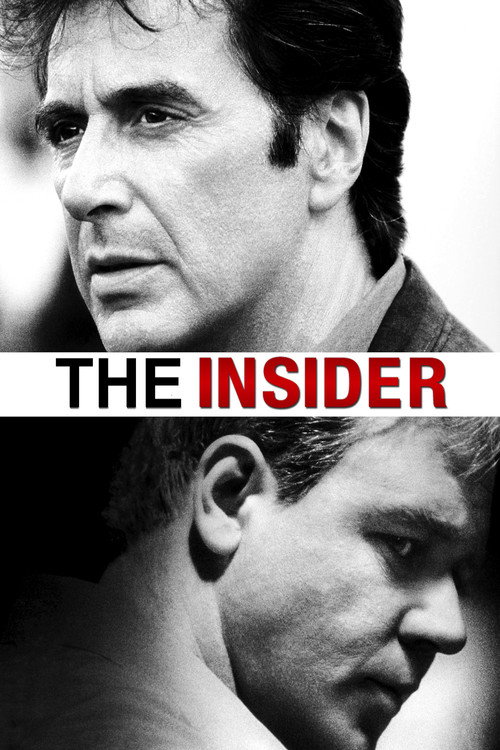
The Insider1999
Michael Mann's sprawling meditation on one expert's decision to tell the truth despite overwhelming pressure to stay quiet. It has Challenger's obsessiveness and its faith that competent people can force competence on institutions.
But The pacing is deliberate to the point of exhaustion, and the outcome is morally murky in ways that might frustrate you.
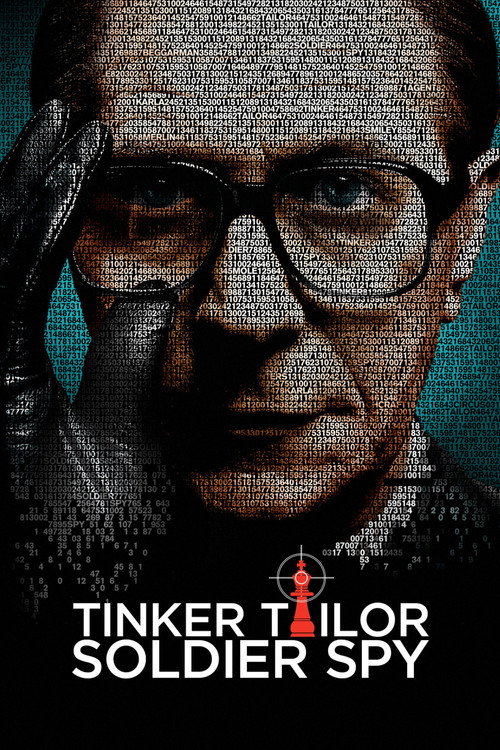
Tinker Tailor Soldier Spy2011
A Cold War thriller about seeing through institutional lies and performance. Like Challenger, it's preoccupied with the gap between official narratives and hidden truths, and with the price of demanding clarity.
But Deliberately obscure and slow-moving—the puzzle matters more than the characters, and if you're not watching closely, you'll lose the thread entirely.
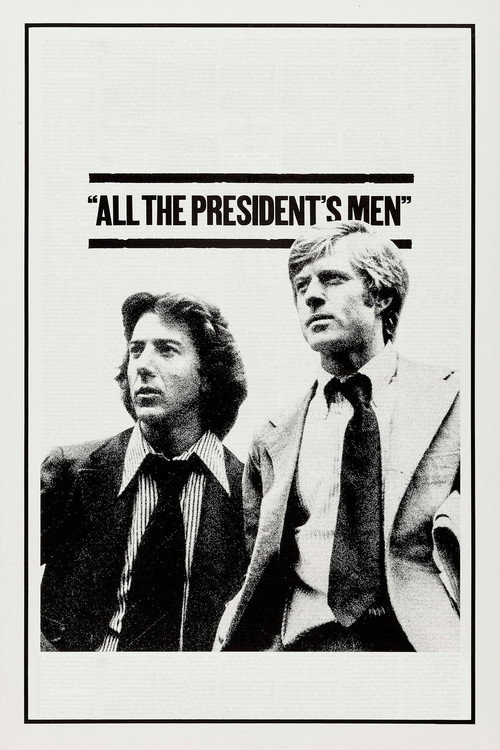
All the President's Men1976
The template for procedurals about institutions being forced to give up their secrets. Two reporters, relentless, asking the right questions, convinced that persistence and evidence will eventually compel truth.
But Made in a moment of institutional skepticism that feels almost naive now; the system actually works here, which can feel wishful.
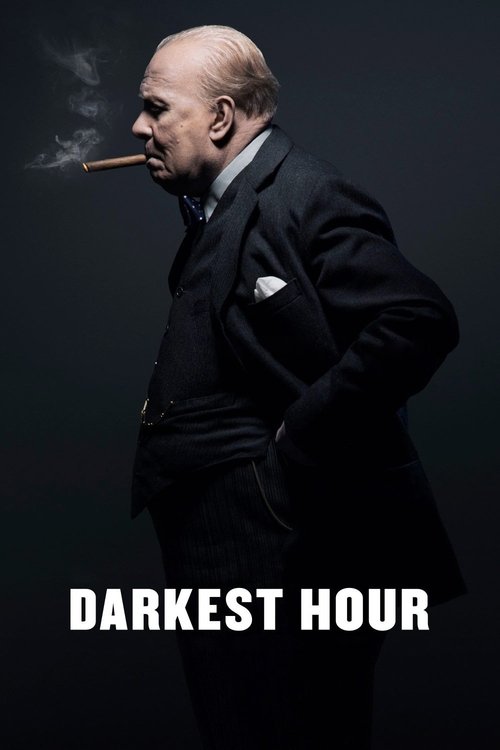
Darkest Hour2017
Gary Oldman as Churchill navigating catastrophe and moral choice in an institution that does not want honest counsel. It's about what it costs a single person to insist on truth when the machinery prefers comforting lies.
But The grandeur of the subject matter and the performance can feel theatrical—it's less about process and more about individual moral weight.
Hidden Figures2016
Another space program story, but this one focuses on the brilliant people whose work was systemically erased. It sits well with Challenger as a double portrait: what the program achieved, and what it cost to cover up what went wrong.
But Offers a cleaner, more hopeful narrative arc than Challenger's darker reckoning—it's heroism, not forensics.

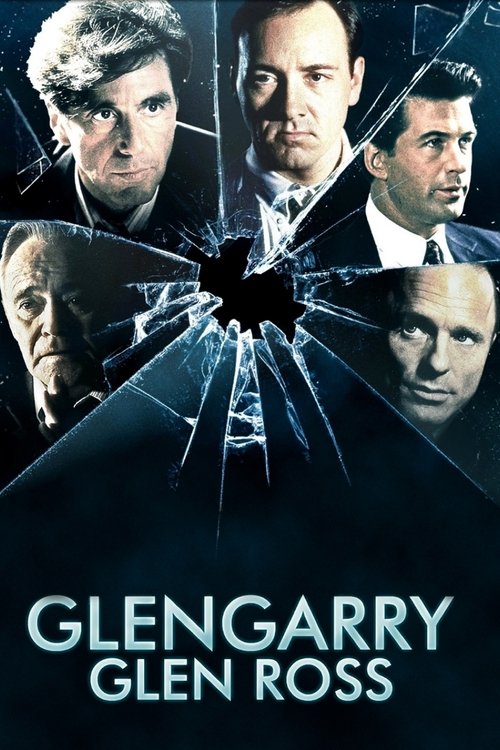
Glengarry Glen Ross1992
Both dissect how bureaucracies incentivize lying; Challenger shows what happens when the lies have consequences measured in lives, while Glengarry Glen Ross shows the quotidian version where only careers die.
David Mamet's savage comedy about salesmen under pressure, lying to survive, and institutions that reward deception. It's about the same gap between what you're supposed to say and what you know to be true—just in a real estate office instead of NASA.
But A black comedy about desperation and moral collapse—if you're looking for heroes or hope, this will feel cruel and punishing.
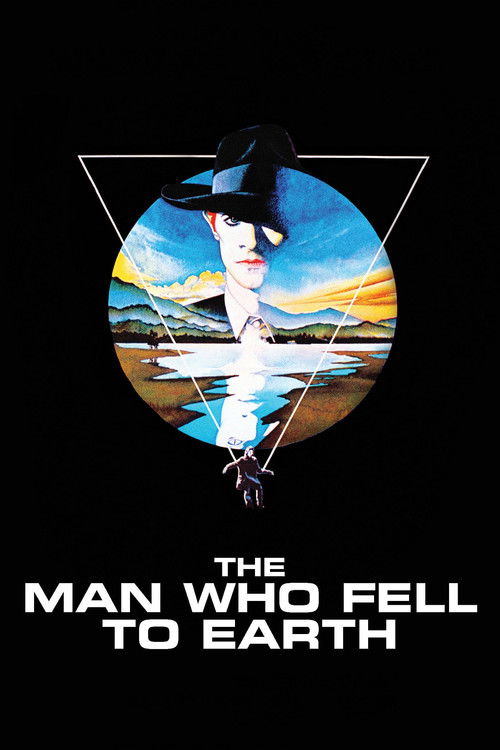
The Man Who Fell to Earth1976
Both feature protagonists trying to impose clarity and honesty on systems designed to obscure and deceive; the difference is that Feynman is working within the system and Bowie's alien is trapped by it.
David Bowie as an alien trying to navigate human institutions and being systematically betrayed and compromised by them. Strange and remote, yes, but it shares Challenger's preoccupation with competence and integrity being ground down by systems that are indifferent to both.
But Absolutely of its era and mood—weird, elliptical, not interested in conventional narrative satisfaction. If you want things explained, this will frustrate you.
People
Cast
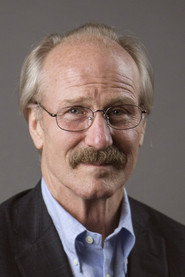 William HurtRichard Feynman
 Bruce GreenwoodGeneral Kutyna
 Joanne WhalleyGweneth Feynman
 Brian DennehyRogers
 Eve BestSally Ride
 Kevin McNallyLawrence Mulloy
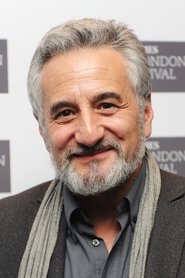 Henry GoodmanDr. Weiss
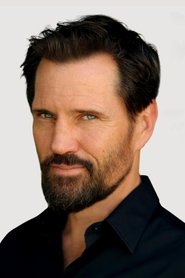 Langley KirkwoodAvionics Engineer
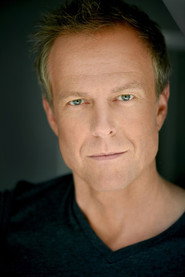 Nick BoraineSRB Engineer
 Meganne YoungMichelle Feynman
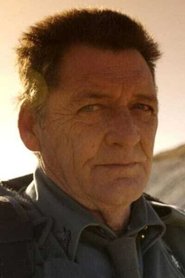 Danny KeoghHead Of Recovery
 Sean Cameron MichaelJudson Lovingood
Directing
- James HawesDirector
Writing
- Allan McDonaldBook
- James R. HansenBook
- Richard FeynmanBook
- Kate GartsideWriter
Production
- Laurie BorgProducer
Recommended by
From the Earth to the Moon, Charlie Victor Romeo, Seconds from Disaster, Air Crash Investigation