
Film
Charlie Victor Romeo
Charlie Victor Romeo stages six real aviation disasters entirely from black box transcripts, performed by actors in a bare theatre and filmed in 3D. It's a haunting, precisely-crafted film about the final moments of catastrophe—how professionals communicate under absolute extremity, what they choose to say when death becomes probable. For anyone drawn to how systems fail and how humans behave when there's no escape.
Should you watch it?
Watch it if you are drawn to stripped-down craft, where a bare set, a few actors and real recorded voices build dread more surely than spectacle ever could.
Skip it if you need plot, characters you get to know, or a cinematic sweep; its procedural focus on cockpit chatter and checklists can feel thin and repetitive over eighty minutes.
What it asks of you: Its eighty minutes are sustained tension with little relief, so you need to sit with rising unease, reading faces and voices rather than waiting for a story to explain itself.
Not sure? Find tonight's pick in a minute.
If you liked this
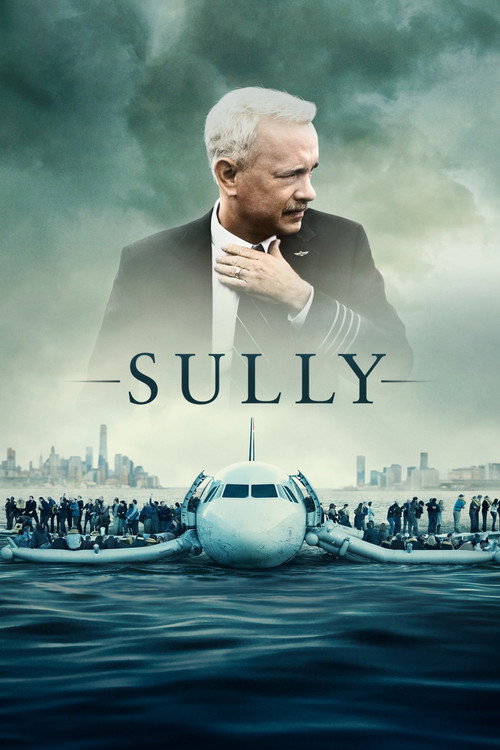
Sully2016
Clint Eastwood's account of a pilot's split-second decision to save his plane and passengers. A shorter, more triumphant cousin of Charlie Victor Romeo—it shows the same professionalism and quick thinking, but with a happier ending.
But The heroism is largely already settled before the film begins, so there's less of the grinding uncertainty and dread that Charlie Victor Romeo sustains throughout.
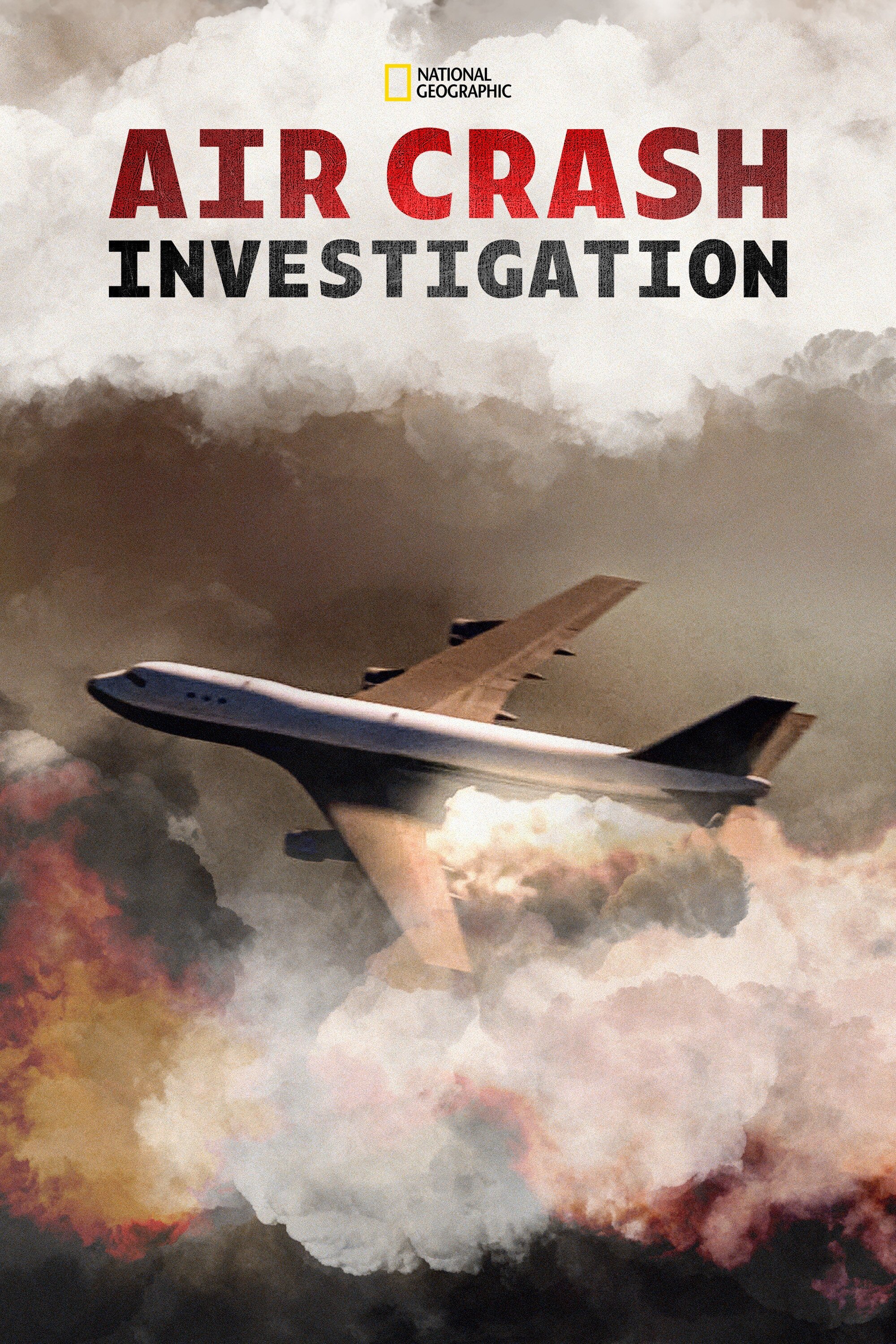
Air Crash Investigation2003
A documentary series that reconstructs real aviation accidents using animation, interviews and archive footage. It has the same forensic fascination with how things go wrong, but with the comfort of hindsight and explanation.
But The dramatisation is gentler and more explanatory. It doesn't have Charlie Victor Romeo's claustrophobic immediacy or the raw power of hearing the voices as they happen.
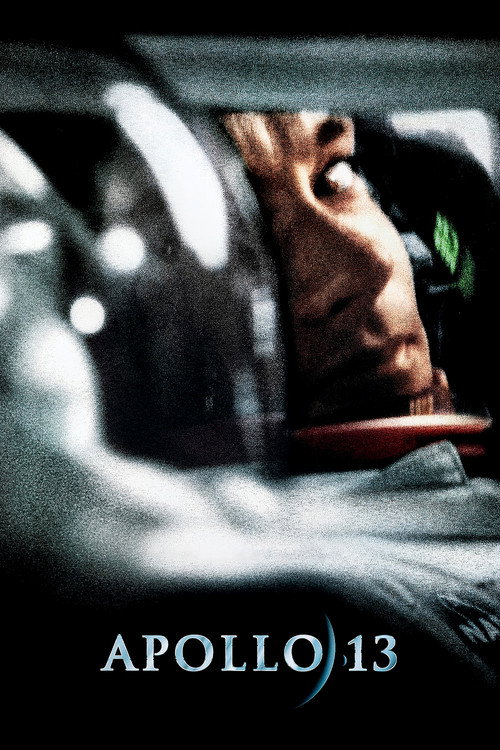
Apollo 131995
Tom Hanks and Ron Howard at their peak, telling the true story of NASA engineers and astronauts solving an impossible problem under pressure. The same combination of technical precision, teamwork, and men in mortal danger keeping their voices steady.
But It's a Hollywood film with a well-known outcome and a more hopeful arc. It doesn't replicate Charlie Victor Romeo's sense of approaching inevitability.
Not sure tonight? Get a pick in a minute, starting from Charlie Victor Romeo
The wildcard
Something you would not have found on your own.
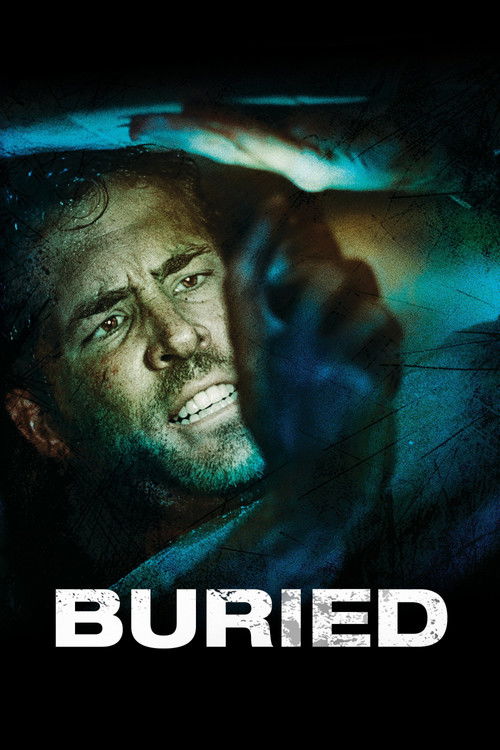
Buried2010
Both films refuse to cut away. They commit to a single perspective during absolute extremity—the cockpit, the coffin—and make you experience time the way the trapped person does.
Ryan Reynolds trapped in a coffin for 95 minutes, filmed almost entirely from inside it. One man, one space, mounting panic—and like Charlie Victor Romeo, it uses constraint and real-time pressure to create unbearable tension.
But It's claustrophobic to the point of being unwatchable for some people. The premise is gimmicky, and the film doesn't have Charlie Victor Romeo's emotional weight or historical resonance.
More like this (6)
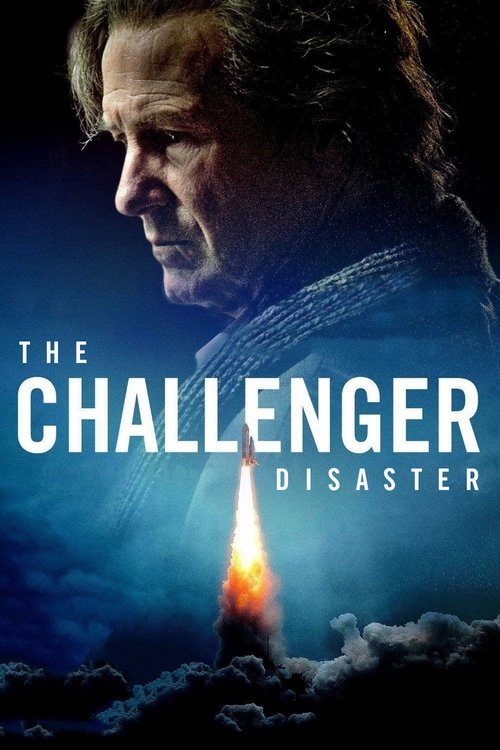
The Challenger Disaster2013
A meticulous examination of how and why the Space Shuttle Challenger failed on launch. It combines testimony, technical investigation, and a searing critique of institutional failure—the same unflinching clarity as Charlie Victor Romeo.
But It's a documentary rather than theatre, so it lacks the uncanny, performed quality that makes Charlie Victor Romeo so affecting and strange.
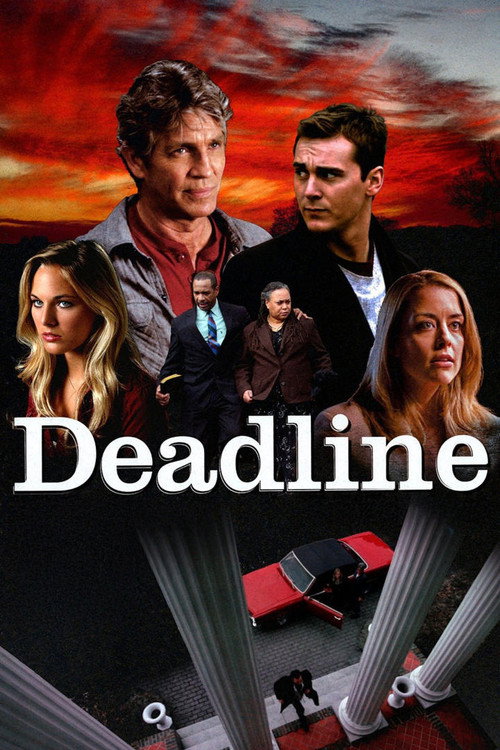
Deadline2012
A taut procedural about a Mexican journalist hunting a story while corruption and violence close in. It shares Charlie Victor Romeo's sense of time running out and professionals trying to do their jobs despite mounting horror.
But It's darker and messier; there's no triumph, no rescue, and the pacing is intentionally choppy rather than controlled.
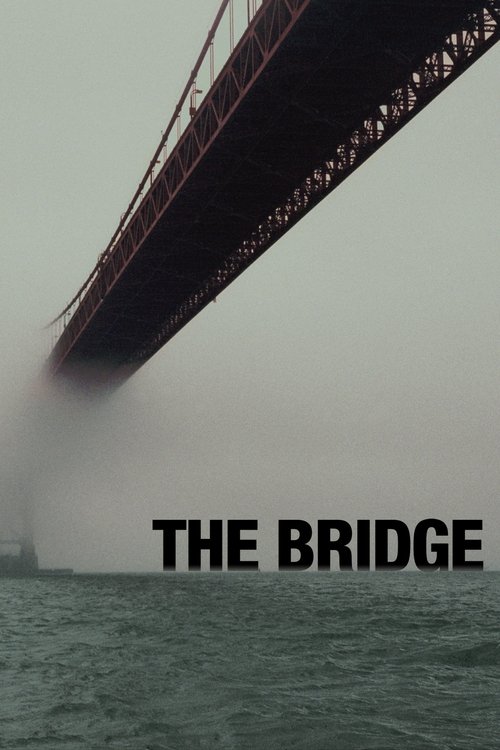
The Bridge2006
A documentary about the Golden Gate Bridge and the people who jump from it. It's about final moments, the gravity of decision, and what people say or don't say when they've reached the end.
But It's devastating and claustrophobic in a different key. Some viewers find it exploitative or simply too painful to sit with.
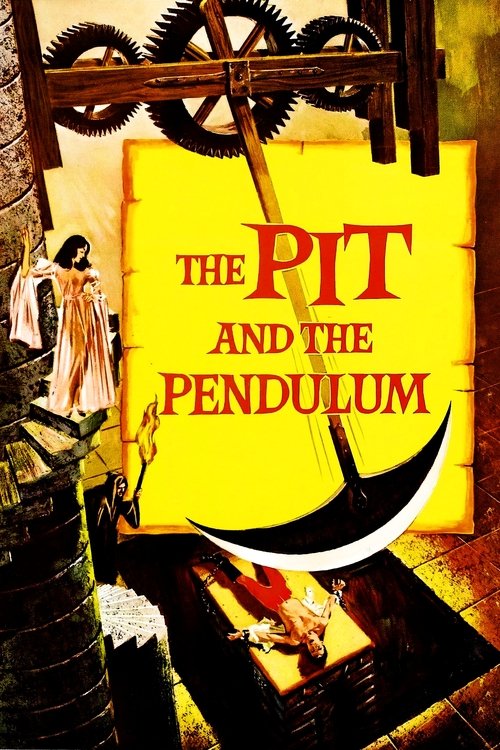
The Pit and the Pendulum1961
Roger Corman's Gothic chamber piece about a man trapped in a castle with no escape, filmed in CinemaScope. Shares Charlie Victor Romeo's sense of theatrical confinement and inevitability, but in a very different register.
But It's lurid horror rather than factual drama. If you want realism, this is the opposite—and it shows its age.
Ghostland2018
A sisters-in-peril survival film with a carefully constructed narrative. Like Charlie Victor Romeo, it uses a stripped-down setting and carefully controlled dialogue to build unbearable tension.
But It pivots into revenge and becomes a different film altogether. Some viewers hate the tonal shift; others find it restorative.

The Act of Killing2012
Both use performance, transcripts and restraint to make the unbearable tangible. Charlie Victor Romeo lets us hear the last words of the innocent; this makes us hear the words of the guilty. Both ask us to sit with voices we'd rather not.
A documentary in which Indonesian death-squad perpetrators stage reconstructions of the mass murders they committed in 1965. It's a formal inversion of Charlie Victor Romeo—using theatrical performance and the subjects' own words, but to confront evil instead of chronicling catastrophe.
But It's morally sickening to watch, sometimes nearly unwatchable. Some viewers feel the method itself is ethically compromised, and the length is punishing.

People
Cast
- Robert BergerAir Traffic Control
- Patrick DanielsPilot / Air Traffic Control
- Noel DinneenAutomatic Terminal Information Service/Pilot/Flight Engineer...
- Irving GregoryCo-Pilot / Pilot / Air Traffic Control
 Debbie TrocheFlight Attendant / Air Traffic Control / Co-Pilot
- Nora WoolleyFlight Attendant / Flight Engineer / Co-Pilot
- Sam ZuckermanAir Traffic Control / Co-Pilot / Pilot / Denny Fitch
Directing
- Karlyn MichelsonDirector
- Patrick DanielsDirector
- Robert BergerDirector
Writing
- Irving GregoryScreenplay
- Patrick DanielsScreenplay
- Robert BergerScreenplay
Production
- Caterina BarthaProducer
- Patrick DanielsProducer
- Robert BergerProducer