
Film
Deadline
A Nashville reporter digs into a two-decade-old murder of a Black teenager in rural Alabama, facing institutional resistance, personal threats, and mounting family tragedy. Deadline is a modest but earnest Southern noir about how journalism and conscience collide with power and indifference. It's for viewers who want moral stakes without sentimentality, and who believe small acts of investigation matter.
If you liked this
Spotlight2015
Boston Globe journalists methodically expose systemic Catholic Church abuse. Like Deadline, it's about how institutions protect their own and how persistence—not heroics—cracks the façade.
But It's procedural and deliberately paced. There are no big dramatic confrontations, just meetings and documents and phone calls.

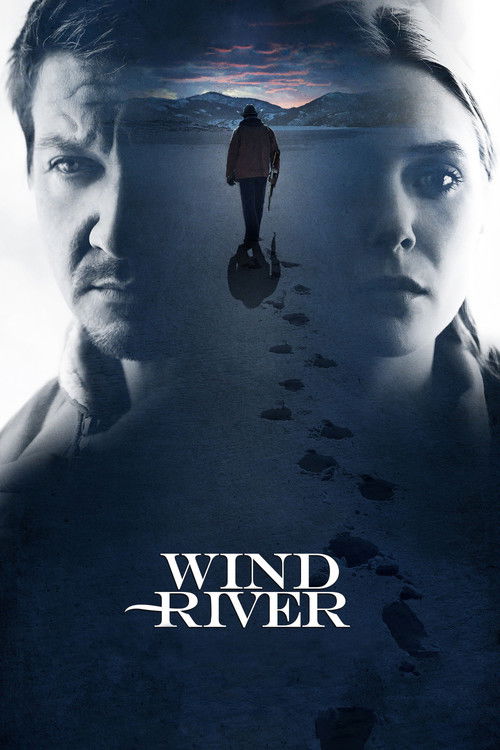
Wind River2017
A federal agent investigates murdered Indigenous women on a Wyoming reservation, facing tribal politics, federal indifference, and her own complicity. Sharp dialogue, real anger, structural similarities to Deadline.
But It's bleaker and angrier. The film doesn't offer much comfort, and the violence is depicted directly rather than implied.
Mississippi Burning1988
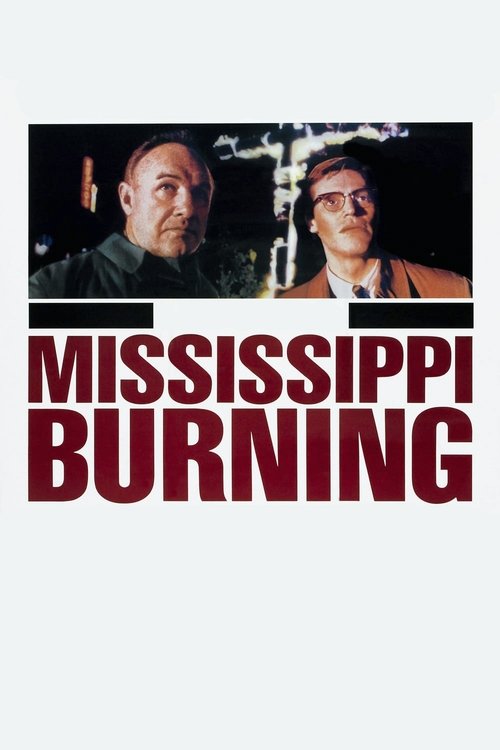
FBI agents investigate the 1964 murder of three civil rights workers in rural Mississippi. It's the spiritual ancestor of Deadline—the same setting, the same institutional resistance, the same slow burn of revelation.
But Made in 1988, it centers white investigators solving a Black tragedy. The perspective is complicated by its own era in ways that date it.
Not sure tonight? Get a pick in a minute, starting from Deadline
The wildcard
Something you would not have found on your own.
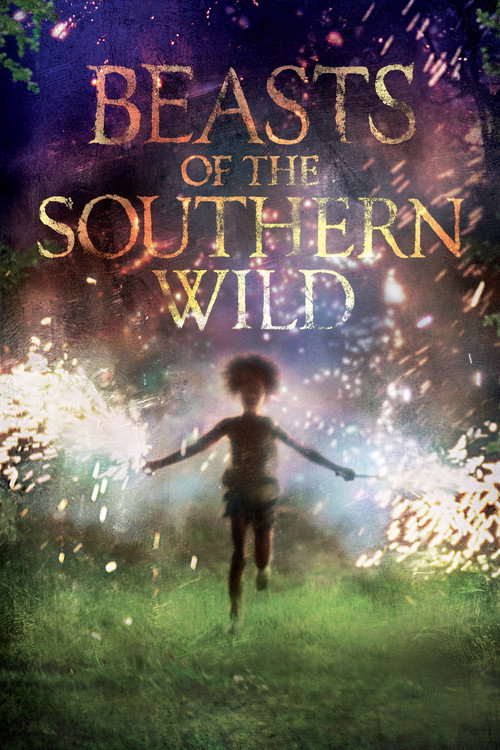
Beasts of the Southern Wild2012
Both grapple with institutional abandonment and survival in the rural American South, but one investigates power structures while the other mythologizes resistance outside them.
A girl and her father live outside society in the Louisiana bayou as environmental collapse approaches. Shot in the same landscape as Deadline but in myth rather than journalism. Both are about refusing erasure—one through investigation, one through survival and witness.
But It's lyrical, fragmented, and dreamlike. If you want linear narrative clarity, you won't find it. The plot is secondary to mood and metaphor.
More like this (8)
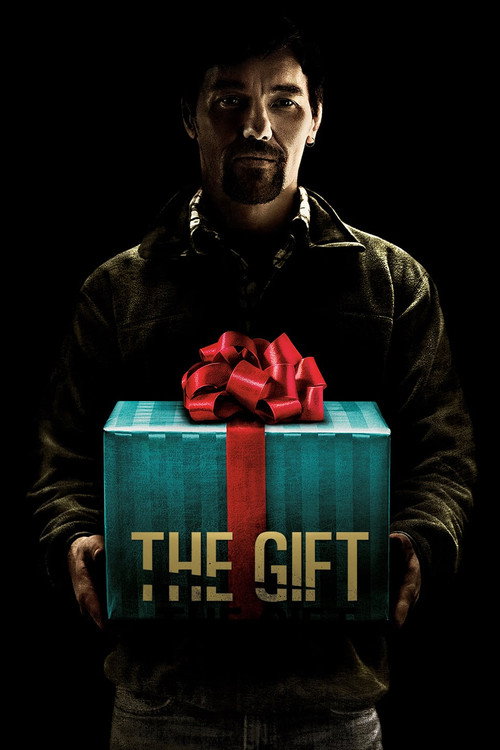
The Gift2015
Joel Edgerton digs into the violent history of his quiet neighborhood. Mystery unfolds through investigation and conversation, with genuine dread and moral ambiguity throughout.
But It's a thriller first, journalism second. The ending pivots toward genre satisfaction rather than documentary truth.
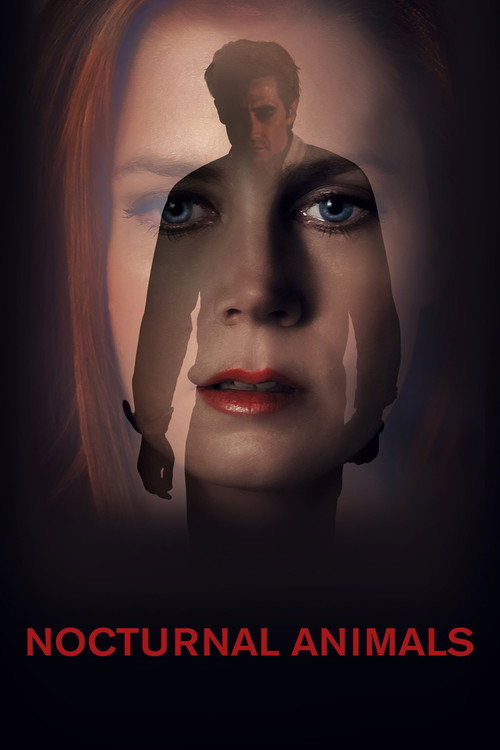
Nocturnal Animals2016
A woman reads her ex-husband's violent manuscript and becomes obsessed with uncovering what really happened. It's about the power of investigation and the stories we tell ourselves about guilt.
But It's more stylish than substantive, and narrative games matter more than the actual mystery being solved.
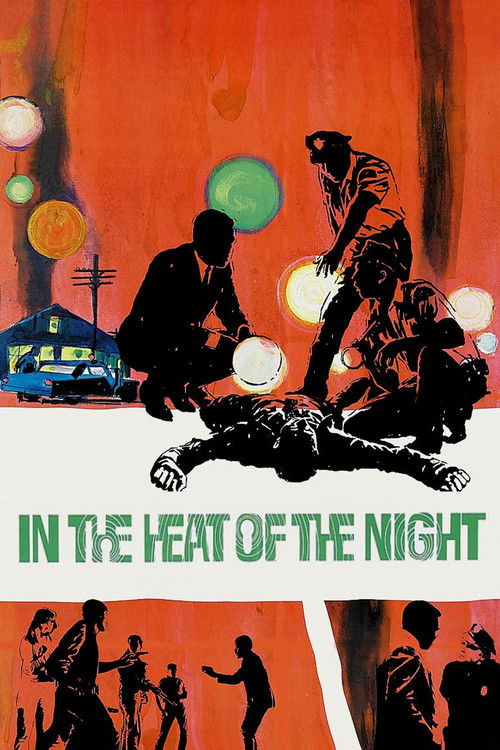
In the Heat of the Night1967
A Black detective from Philadelphia investigates a murder in 1960s Mississippi, dismantling racial hierarchies through intelligence and refusal. The ancestor of all films about justice in the American South.
But It's more interested in confrontation than investigation. The procedural elements serve the politics rather than the other way around.
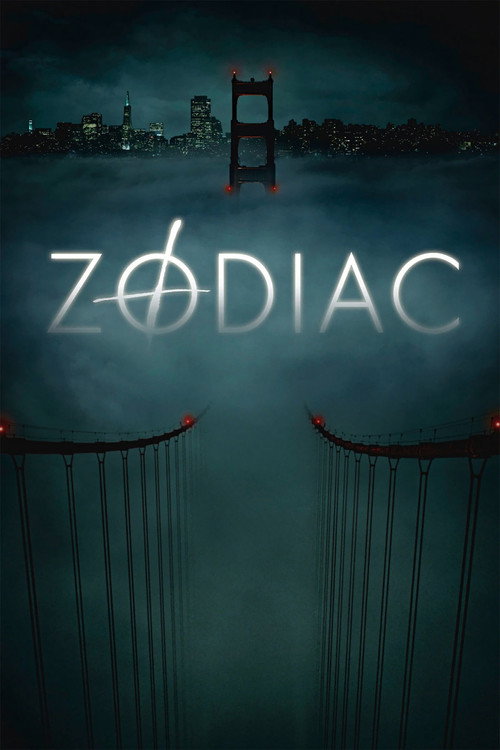
Zodiac2007
David Fincher's obsessive portrait of investigators tracking the Zodiac Killer. Investigation itself becomes the point—how it consumes, alienates, and ultimately defines a life.
But It's three hours of men staring at documents. There is no resolution, only obsession. Some find it boring; some find it perfect.
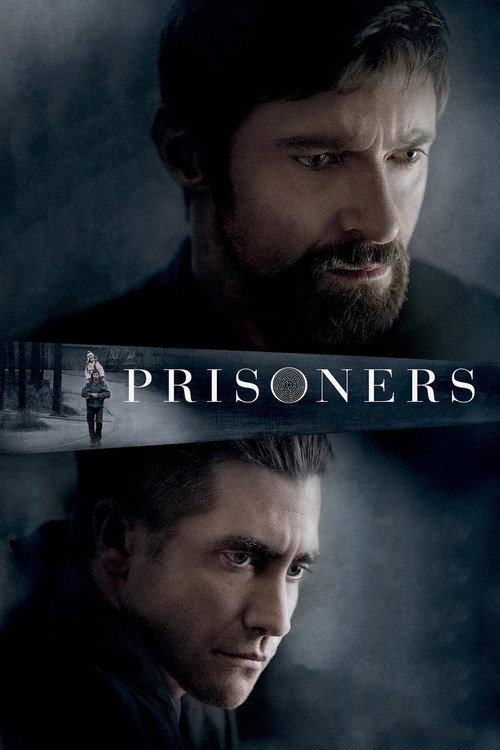
Prisoners2013
Jake Gyllenhaal plays a detective searching for two missing girls while a desperate father takes justice into his own hands. It's about how investigation and vengeance diverge, and what that costs everyone.
But It's loud, violent, and bleakly pessimistic about human nature. The tone is oppressive by design, which exhausts some viewers.
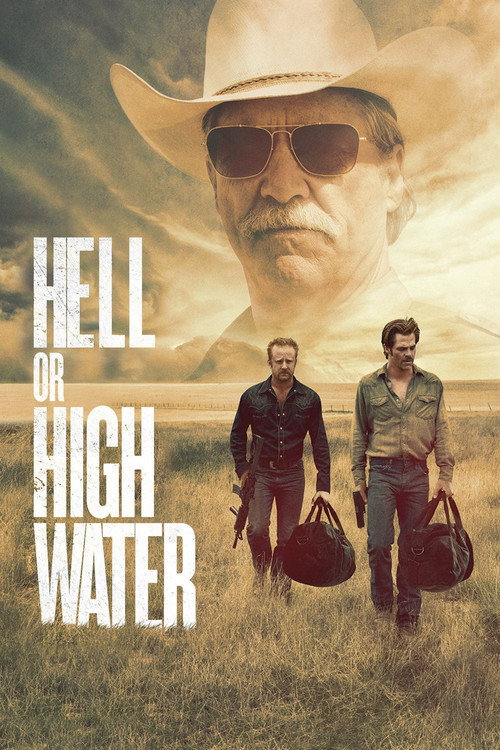
Hell or High Water2016
A Texas Ranger pursues two brothers robbing banks across rural Texas. Modern Western with procedural bones—investigation, pursuit, the slow closing of distance between hunter and hunted.
But The mystery isn't really a mystery. What draws you in is style and performance, not plot revelation.
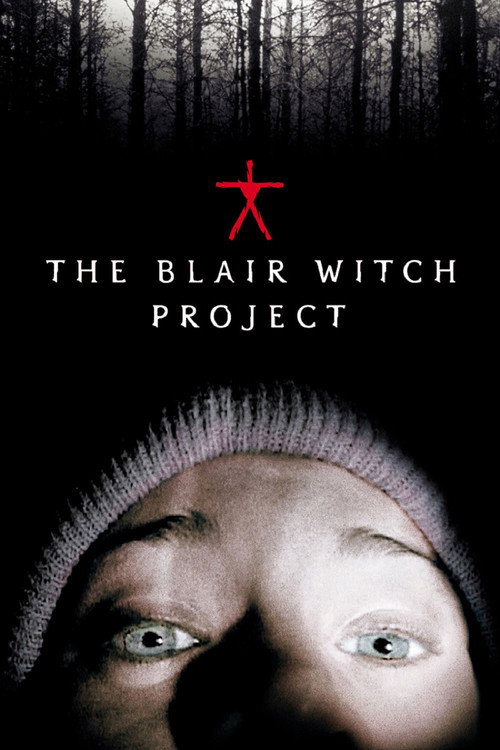
The Blair Witch Project1999
Both use investigation as their narrative engine and both suggest that some truths—or the pursuit of them—carry a price the investigator may not survive.
Three documentarians vanish while investigating a local legend in the Maryland woods. Like Deadline, it's structured as investigation—found footage, interviews, mounting dread—but here the investigation itself may be what destroys the investigators.
But It's handheld found-footage from 1999. If shaky camera and ambiguous horror bother you, this will drive you to distraction before it scares you.
Winter Light1963
Both examine how individuals confront institutions and personal crisis simultaneously, and both suggest that institutional power often leaves only private reckoning behind.
Bergman's bleak portrait of a pastor losing faith in rural Sweden. Not a mystery, but a slow investigation of conscience—how someone searches for meaning when institutional faith fails. Photographed in cold minimalism that echoes the emotional core of Deadline.
But It's European arthouse from 1963. Eighty minutes of existential despair with minimal plot. Modern audiences often find it austere to the point of alienation.

People
Cast
 Eric RobertsRonnie Bullock
 Steve TalleyMatt Harper
- Anna FelixDelana Calhoun
- Lauren JenkinsTrey Hall
 JD SoutherLucas Harper
 Jeremy ChildsWalker Burns
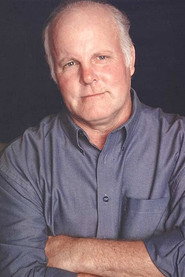 David DwyerEverett Hall
 Jackie WelchMary Pell Sampson
- Clay BrockerPossum
 Tommy CresswellJudge Buchanan
- Kerry GraulProtester
Directing
- Curt HahnDirector
Writing
- Mark EthridgeNovel
- Linda SegerScript Consultant
- Mark EthridgeWriter
Production
- Curt HahnExecutive Producer
- Ron RoutsonExecutive Producer
- Curt HahnProducer
- Molly M. MayeuxProducer