
Film
The Tsunami and the Cherry Blossom
- Slow-burning
A 39-minute meditation on loss and renewal after Japan's 2011 tsunami, filmed as cherry blossom season arrives in the devastated Tōhoku region. Visual and contemplative rather than investigative, it observes survivors rebuilding amid natural beauty, exploring how transient symbols help us process trauma. For those who find solace in quiet observation and the poetry of resilience.
Should you watch it?
Watch it if you find yourself drawn to quiet, image-led documentaries where the camera waits long enough for grief and renewal to surface on their own.
Skip it if you want the disaster explained through facts and interviews, since this stays in the aftermath and says little beyond what you see.
What it asks of you: Thirty-nine minutes of quiet, patient looking, with long held shots and a slow rhythm that moves at the pace of spring rather than the pace of news.
Not sure? Find tonight's pick in a minute.
If you liked this
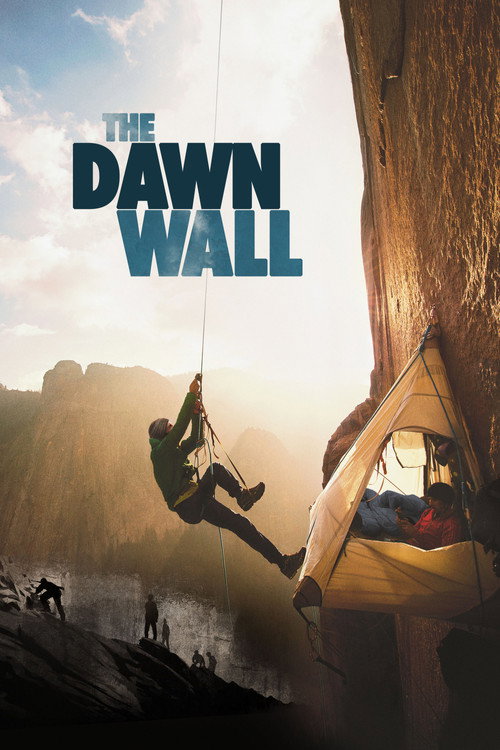
The Dawn Wall2017
Two climbers attempt an impossible rock face. Like Tsunami, it's visually rapturous and deeply meditative about human persistence—how we endure, what we're willing to risk, what gives us meaning.
But It's a climbing film, so if vertical surfaces make you anxious, the vertigo is relentless and intentional.
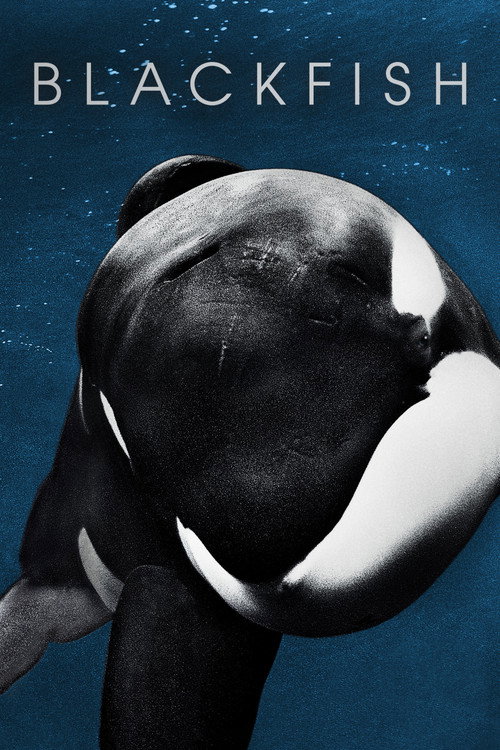
Blackfish2013
A documentary that sits with one subject, turning it over carefully until meaning emerges. Uses beautiful and heartbreaking footage to ask what we owe to the things we've broken.
But It's emotionally manipulative—deliberately so. If you resent being guided toward a conclusion, the hand-holding will feel patronizing.
The Last Breath2014
A diver's final moments told through archival footage and testimony. Moves with the stillness and grace of Tsunami: focused, unhurried, finding profundity in small details and the passage of time.
But Extremely slow. If you need narrative momentum or explanation, this will feel like watching paint dry rather than settling in for reflection.
Not sure tonight? Get a pick in a minute, starting from The Tsunami and the Cherry Blossom
The wildcard
Something you would not have found on your own.
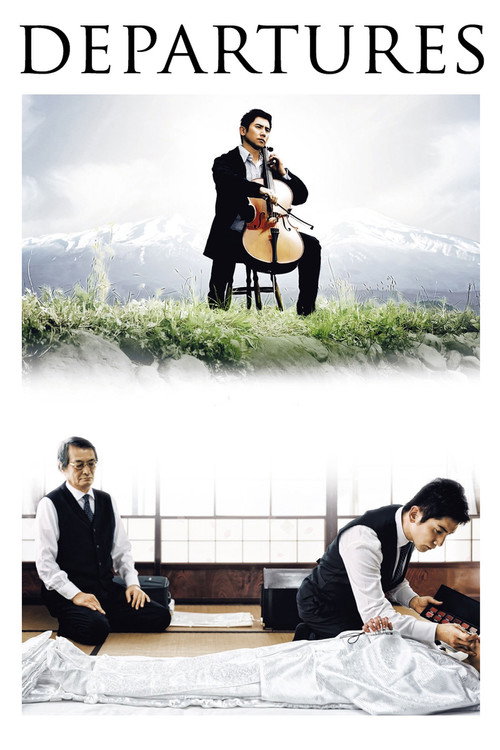
Departures2008
Both use beauty—cherry blossoms, ritual, cinematography—as a language for processing death. Both argue that tending to loss is itself a kind of healing.
A Japanese film about a cellist who becomes a ritualist preparing bodies for burial. Structurally it's a gentle genre film—career change, family reconciliation—but it's really about tending to the dead as an act of love and meaning-making. Same thematic center as Tsunami: how we honor what we've lost.
But It's sentimental in a way that reads as genuinely Japanese rather than universal. Western viewers sometimes find it overstated or cloying.
More like this (6)
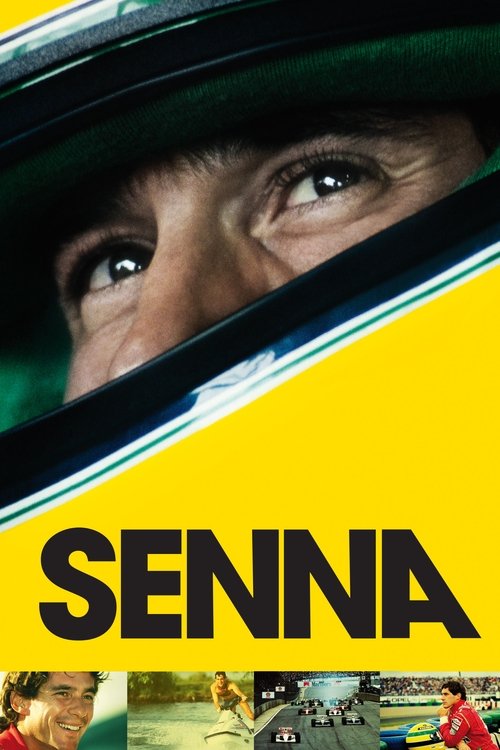
Senna2010
A Formula 1 driver's life told entirely through archival footage and sound, no interviews. Intimate and propulsive, finding emotional truth in the texture of images rather than explanation.
But If you don't care about racing, the technical detail will feel like watching someone else's hobby. The film assumes investment in its subject.
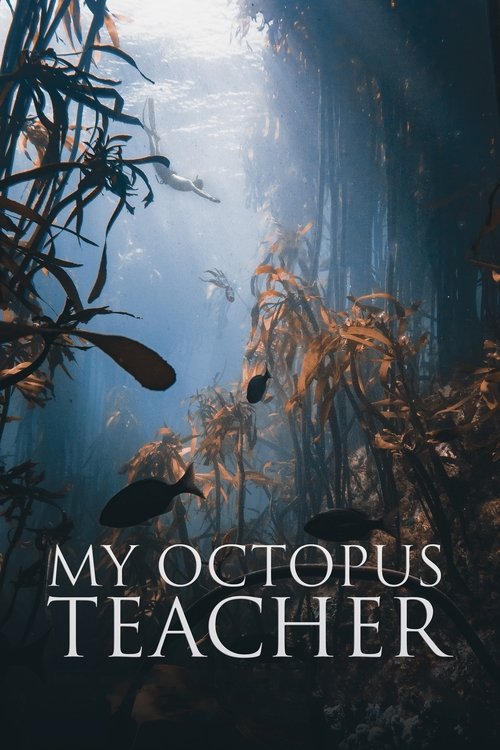
My Octopus Teacher2020
A filmmaker spends a year with an octopus in the ocean. Gently profound about observation, solitude, and what we learn from attention. Warmth without sentimentality.
But It leans into whimsy and metaphor in ways that can feel slight or evasive if you prefer documentary to make a clearer argument.
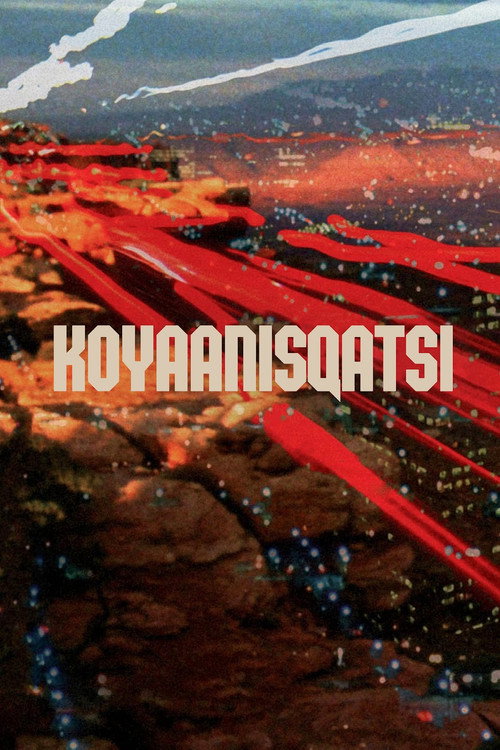
Koyaanisqatsi1983
No dialogue, no plot—just images of the American landscape with Philip Glass's hypnotic score. Pure cinema as mood and meditation. Influences every visual documentary made since.
But It's abstract and can feel self-consciously artistic. If you want concrete information or argument, you'll find it deliberately withholding.
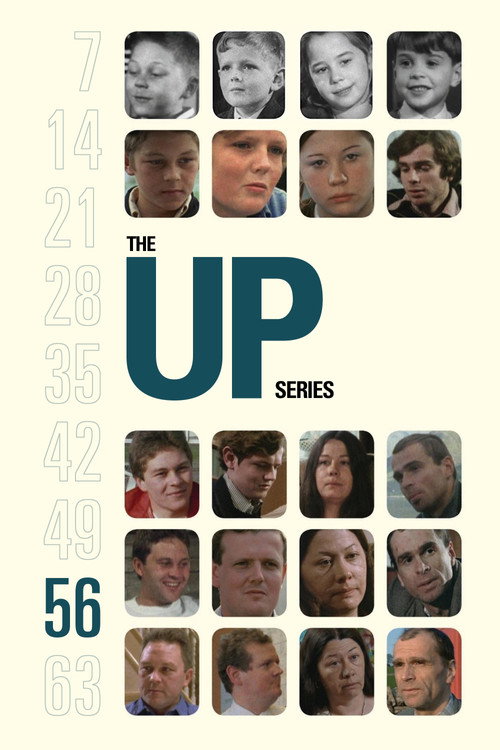
56 Up2012
The latest in Michael Apted's 7 Up series, following the same people across fifty years. A lifetime's documentation of how we change, grow, and endure. Profoundly moving.
But You really need to watch the earlier films first, or you're joining a conversation halfway through and will feel lost.
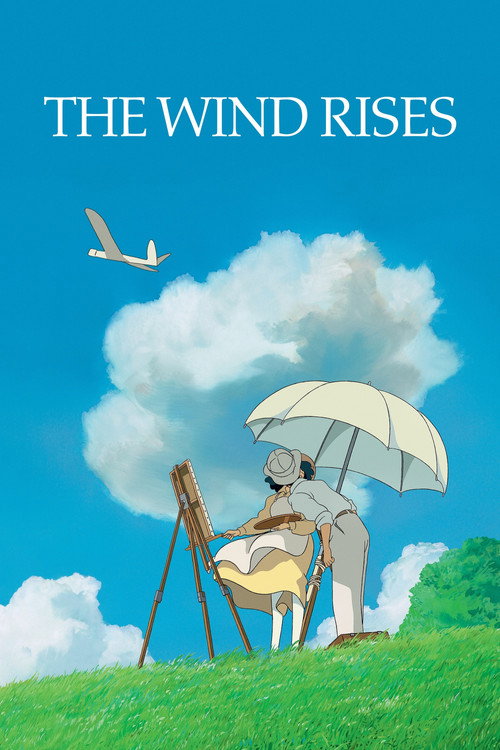
The Wind Rises2013
Both are elegiac and Japanese, concerned with impermanence and beauty's refusal to stay. Both say: this is here, now look at it, and then it's gone.
Miyazaki's animated film about a Japanese aeronautical engineer before World War II. No plot in the traditional sense, more a series of moments: dreams, work, love, weather, the passage of time. Visually breathtaking. About how we create meaning through making things, even knowing they'll fail or cause harm.
But It's elliptical and resistant to interpretation. Many people find it frustratingly vague, preferring clearer cause-and-effect storytelling.
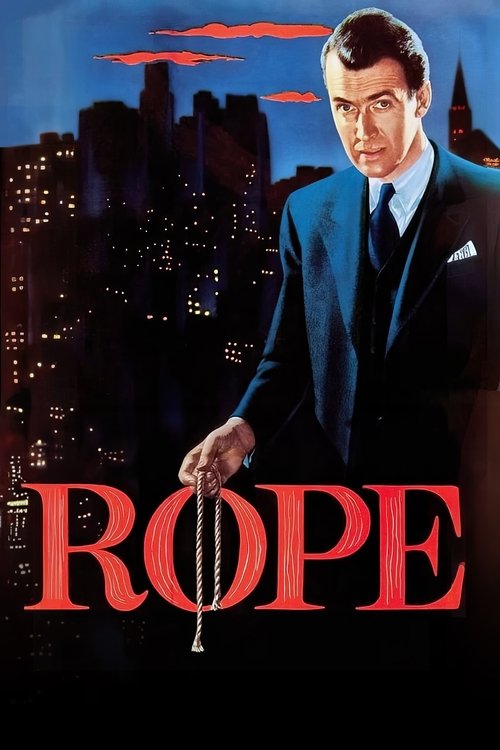
Rope1948
Both practice radical formal restraint—Tsunami through its short runtime and single flower subject, Rope through its single rope—to unlock emotional depth. Both say: limit the frame, deepen the attention.
A documentary shot entirely on a single rope descending into a Welsh slate mine, from surface to the memory of water below. Formally extreme—you only see what the rope shows—but it becomes a meditation on human ambition, geology, time, and what survives. Quietly radical documentary technique.
But The constraint is the entire point, which means it's hypnotic if you surrender to it, insufferable if you resist.
People
Directing
- Lucy WalkerDirector
Production
- Kira CarstensenProducer
- Lucy WalkerProducer