
Film
Deluge
A 1933 disaster film of genuine invention: a massive earthquake liquefies the continent and drowns America under apocalyptic waves. Shot with practical effects that still astound, it's simultaneously pulp entertainment and sincere meditation on civilisation's fragility. For anyone curious how early cinema handled spectacle, or who loves watching filmmakers solve impossible problems with ingenuity rather than budgets.
Should you watch it?
Watch it if you love vintage disaster pictures from the early talkie era, where creaky sets and earnest melodrama sit beside genuinely apocalyptic imagery and a sincere sense of dread.
Skip it if you need modern effects and brisk pacing, since the static staging, stagey dialogue and dated acting show their age and the ideas arrive in lumpy, talky stretches.
What it asks of you: Seventy minutes, and little of it rushed; patience with talky interludes and a tolerance for melodrama pay off before the catastrophe fills the screen.
Not sure? Find tonight's pick in a minute.
If you liked this
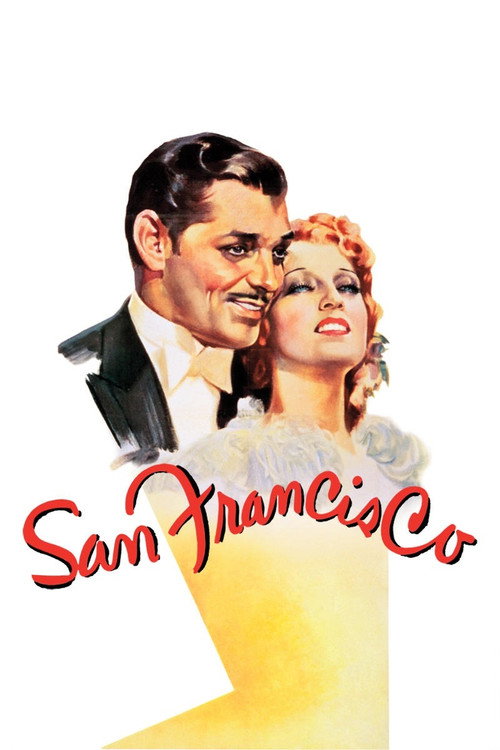
San Francisco1936
The 1906 earthquake through the eyes of a city in love. Equally invested in human drama and geological catastrophe, with stunning miniature work and practical destruction that rivals anything made since.
But Clark Gable's romantic scheming gets distracting, and the pacing stumbles in the second act before the quake arrives.
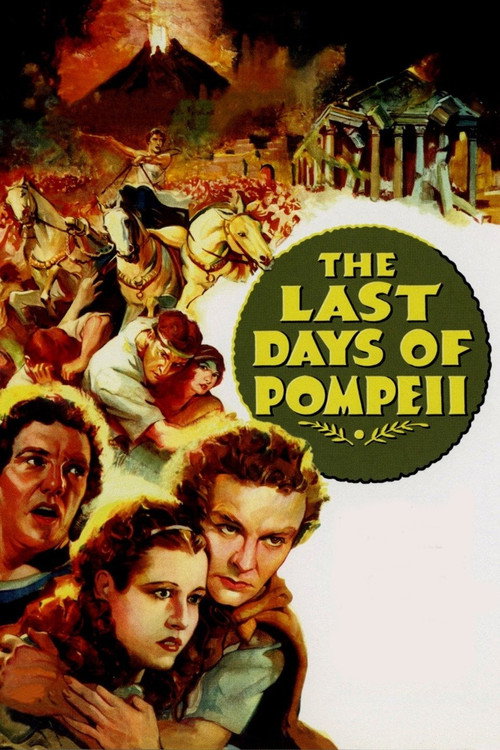
The Last Days of Pompeii1935
Another pre-code disaster epic with genuine scale. Mount Vesuvius erupts with striking practical effects, and the moral stakes—watching society collapse—echo what Deluge accomplishes.
But The framing story in modern times feels padded, and the romantic subplots occasionally overwhelm the spectacle.
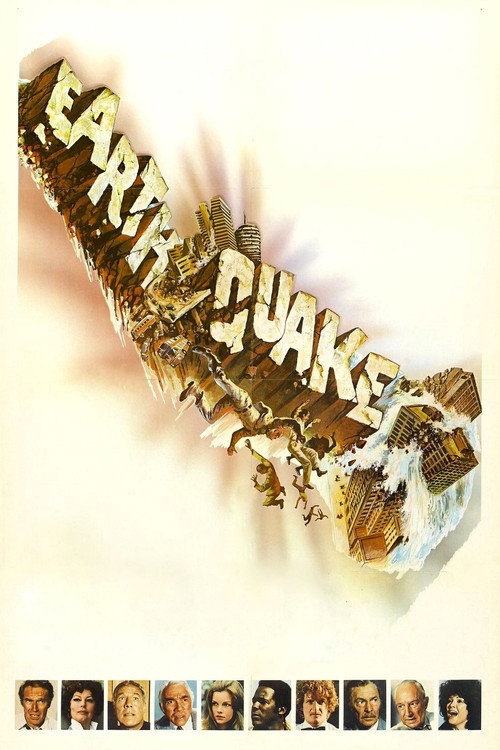
Earthquake1974
Disaster cinema evolved: Sensurround technology shakes the theatre, the cast is enormous, and it luxuriates in destruction. A direct spiritual descendant of what Deluge started.
But The human drama is functional rather than moving, and it relies on novelty effects that feel dated now.
Not sure tonight? Get a pick in a minute, starting from Deluge
The wildcard
Something you would not have found on your own.
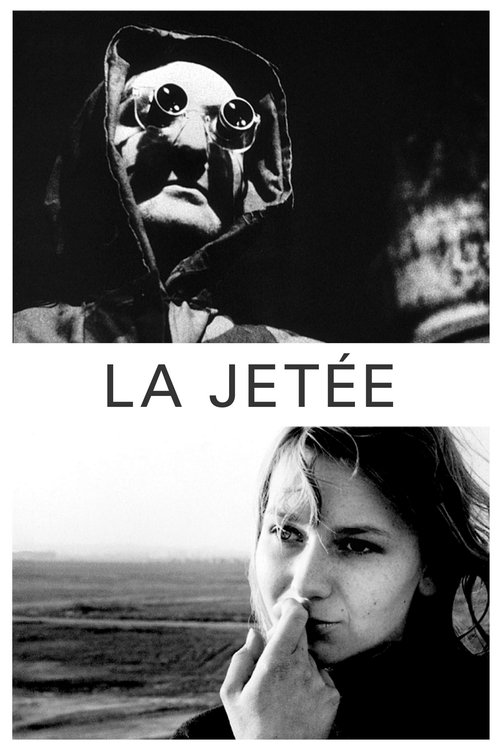
La Jetée1962
Both films understand that catastrophe is less about spectacle than about what it means to lose everything. Deluge shows it happening; La Jetée shows what it costs.
A man travels through time and witnesses the world's end. Told almost entirely in still photographs with narration, it creates apocalypse through image and suggestion rather than action. The emotional weight of civilisation collapsing compressed into 28 minutes.
But Not a film in the conventional sense—it's closer to audio-visual poetry. If you need plot momentum and dialogue, this will feel pretentious and slow.
More like this (8)
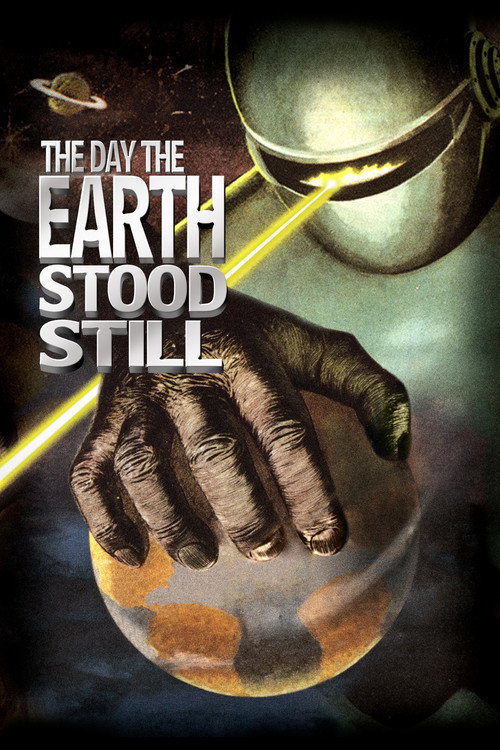
The Day the Earth Stood Still1951
Science fiction with the same grave tone and practical-effects craftsmanship. An alien arrival forces humanity to reckon with its own fragility—a thematic echo of Deluge's apocalyptic reckoning.
But Talky and philosophical; if you came for spectacle, this prioritises ideas instead.
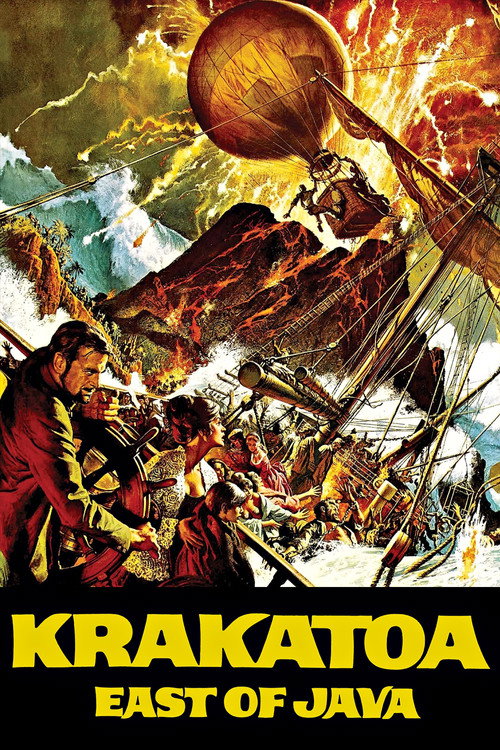
Krakatoa, East of Java1969
Volcanic destruction on a vast scale, with genuine stunts and miniature work. The film chases the same combination of intimate human stories and overwhelming natural forces.
But The plot is overstuffed and the emotional beats don't land. It coasts on spectacle without earning it.
La Haine1995
A different kind of apocalypse: society fracturing across a single day in the Parisian banlieue. The catastrophe is social rather than seismic, but the sense of civilization collapsing feels ancestral to Deluge.
But Black-and-white, no action sequences, slow-building tension. If you want spectacle, this offers psychological pressure instead.

The Poseidon Adventure1972
A ship capsizes; survivors navigate an inverted world. It's Deluge's DNA remixed into disaster-film formula: ordinary people tested by overwhelming natural forces, small group against vast chaos.
But Deeply of its era, with period attitudes and fashion that feel campy now. The sentiment occasionally tips into schmaltz.
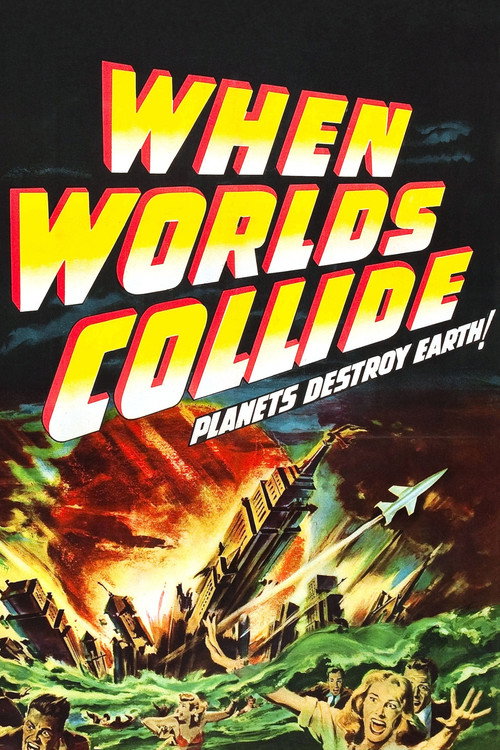
When Worlds Collide1951
Another planet hurtles toward Earth. Like Deluge, it's apocalypse treated with sincere gravity, practical effects that impress, and ordinary people trying to survive the unsurvivable.
But The second half becomes more about survival logistics than drama. It becomes dry when it should grip.
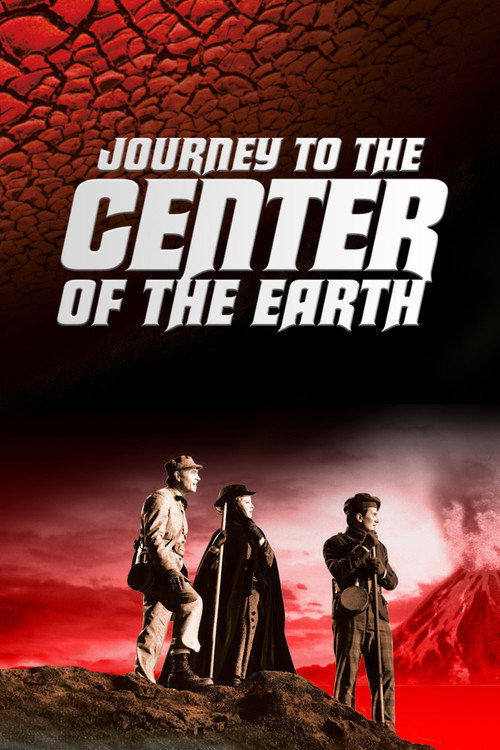
Journey to the Center of the Earth1959
Imaginative disaster spectacle where a group descends into a subterranean world. The practical effects, creature design, and genuine sense of wonder align with what Deluge attempted.
But It's family entertainment; the stakes never feel urgent, and the tone is relentlessly cheerful.
Stalker1979
Where Deluge asks what happens when nature overwhelms us, Stalker asks what remains of humanity after catastrophe. Both are about civilisation confronting forces larger than itself.
A Soviet science-fiction meditation on desire and ruin. After some unspecified disaster, a guide leads two men through a mysterious zone toward a wish-granting chamber. Philosophically dense, visually hypnotic, about civilisation's fragility through the lens of Cold War paranoia.
But Deliberately slow, plotless, and more interested in mood than answers. It requires patience and tolerates ambiguity in ways most audiences don't.

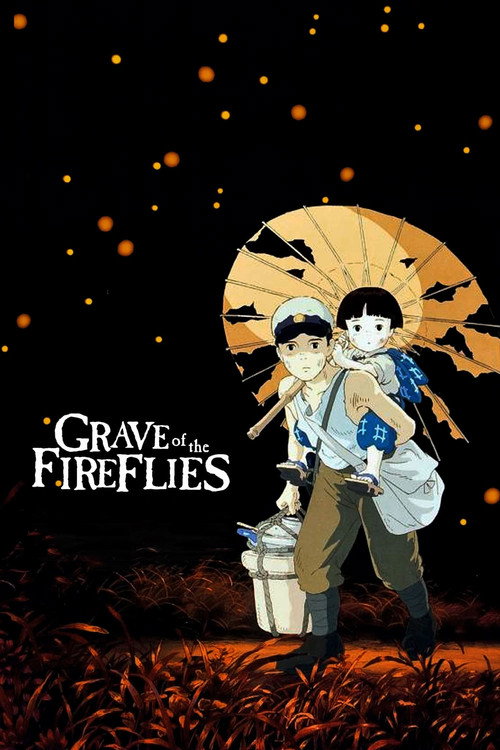
Grave of the Fireflies1988
Deluge treats apocalypse as spectacle first, human tragedy second. Grave of the Fireflies inverts that priority entirely—the destruction is offscreen, the grief is everything. Together they define how differently catastrophe can be filmed.
An animated film about two children surviving firebombing in WWII Japan. It's devastation at intimate scale—not earthquakes but the ash of war. The animation makes suffering vivid in ways live-action sometimes dulls. Heartbreaking and immaculately made.
But Relentlessly bleak with no catharsis. It's a film that leaves you wrung out. Not entertainment; it's an ordeal in the best sense.
People
Cast
 Lois WilsonHelen Webster
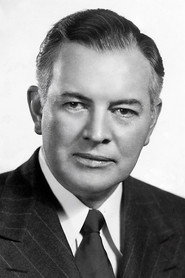 Sidney BlackmerMartin Webster
 Peggy ShannonClaire Arlington
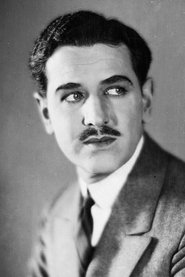 Matt MooreTom
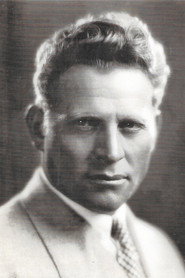 Fred KohlerJepson
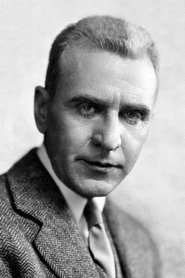 Edward Van SloanProfessor
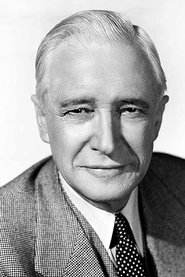 Samuel S. HindsChief Forecaster
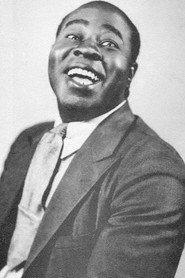 Fred 'Snowflake' ToonesTownsman
 Marianne EdwardsMarianne Webster
 Ronnie CosbyRonny Webster
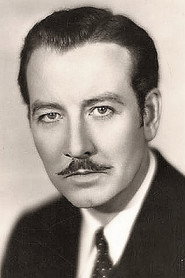 Philo McCulloughBellamy / Gang Leader
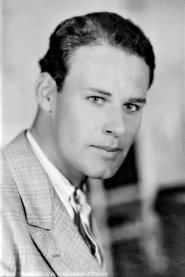 Lane ChandlerJack
Directing
- Felix E. FeistDirector
Writing
- John F. GoodrichScreenplay
- Warren DuffScreenplay
Production
- Harold DoddsCasting
- Burt KellyProducer
- Samuel BischoffProducer
- William SaalProducer