
Film
The Great Victor Herbert
- Musical
- Light-hearted
A 1939 musical romance that cheerfully abandons historical accuracy to celebrate composer Victor Herbert's greatest songs. Walter Connolly, in his final role, presides over a featherlight plot about saving a marriage through the sheer force of operetta standards. Unambitious but warm-hearted, it's a vehicle for beautiful voices and lush orchestration—comfort food for anyone who loves old Hollywood's musical excess.
If you liked this
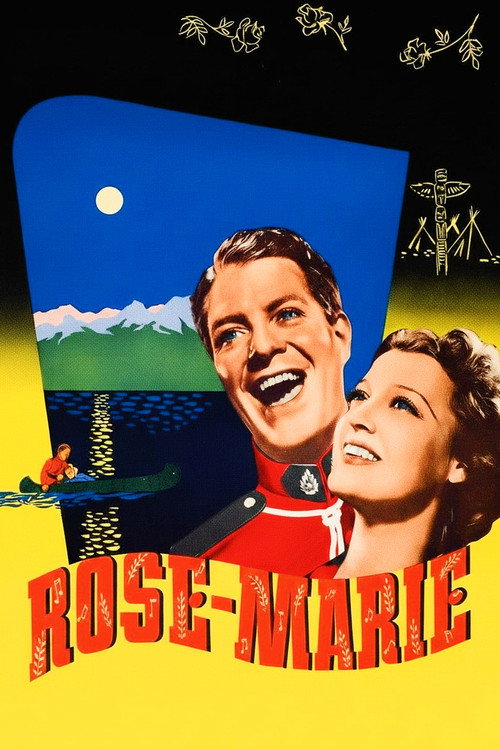
Rose Marie1936
Nelson Eddy and Jeanette MacDonald in the operetta that defined Hollywood's musical romance formula. Lavish production, genuinely charming performances, and the kind of soaring vocal numbers that make you understand why this genre once ruled cinema.
But The plot is paper-thin and the gender politics are startlingly retrograde. If you find early Hollywood's attitudes toward women difficult, this won't help.
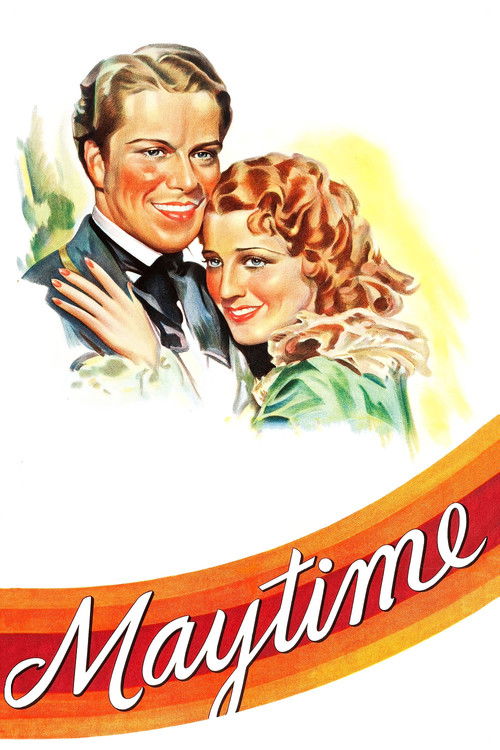
Maytime1937
Jeanette MacDonald and Nelson Eddy again, but elevated by a genuinely moving romantic tragedy that frames the operatic numbers. The reincarnation plot is absurd but weirdly affecting, and the finale is genuinely haunting.
But It's nearly two hours of 1937 production values and pacing. Long passages of dialogue between songs will test your patience if you're here only for the music.
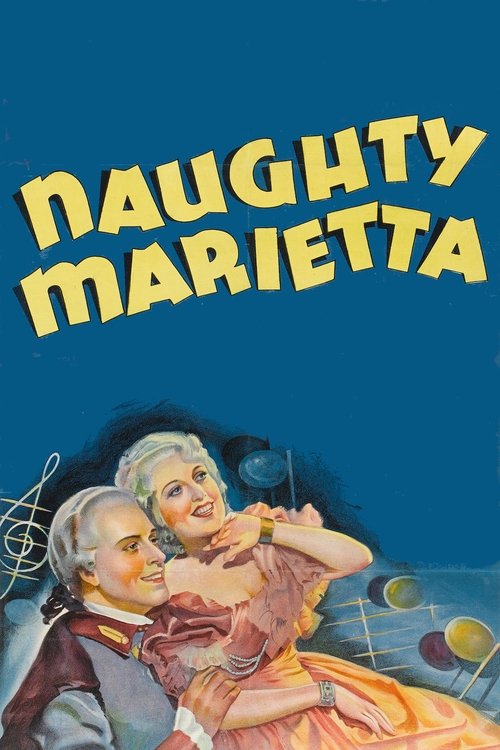
Naughty Marietta1935
The film that started the MacDonald-Eddy phenomenon and launched this entire subgenre. Victor Herbert's actual songs in their proper context, charming operetta plot set in colonial New Orleans, and the genuine chemistry that made audiences swoon.
But It's the template, which means it can feel familiar if you've seen its many imitators. The romance moves at a crawl and the comic relief is painful.
Not sure tonight? Get a pick in a minute, starting from The Great Victor Herbert
The wildcard
Something you would not have found on your own.
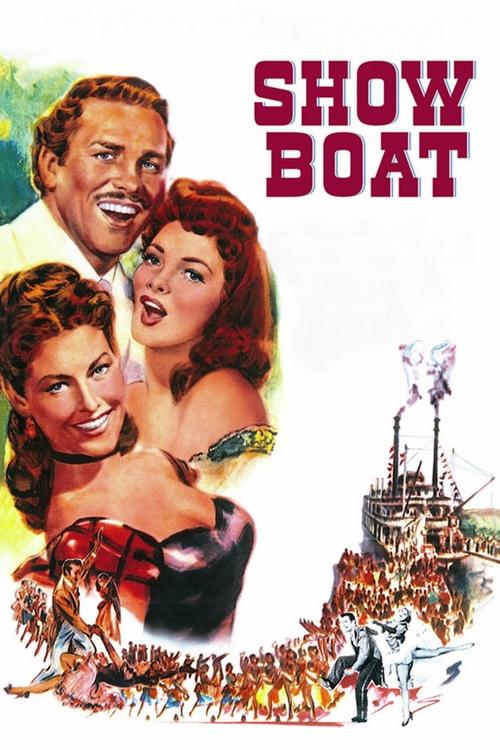
Show Boat1951
Both are elaborate musical showcases built around preserving a composer's catalog, but Show Boat recognizes that songs mean more when they're tied to real stakes and real time.
Ava Gardner, Howard Keel, and Joe E. Brown in a film musical that uses Jerome Kern's magnificent score to tell a story spanning decades, not just an evening. It's operetta as genuine drama—racism, aging, lost love—with spectacle that serves the emotion rather than replacing it.
But It's three hours and the racial politics, while progressive for 1951, are still complicated and sometimes uncomfortable. The scope can feel overwhelming if you want a simple romance.
More like this (8)
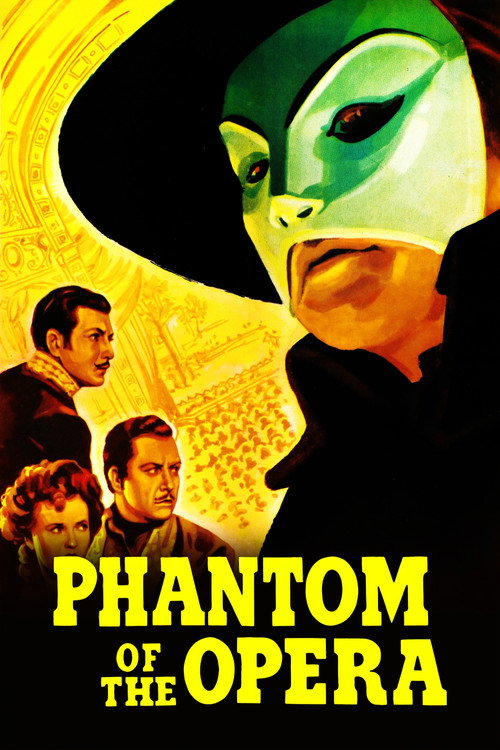
Phantom of the Opera1943
Claude Rains and a young Jon Hall in glorious Technicolor, with operatic sequences that genuinely soar. Trades the darkness of the stage version for spectacle, but the production design is breathtaking and Rains is superb even when the material doesn't deserve him.
But It's a loose, romanticized adaptation that abandons most of the original story in favor of musical set pieces. If you love the source material, you'll find it frustrating.
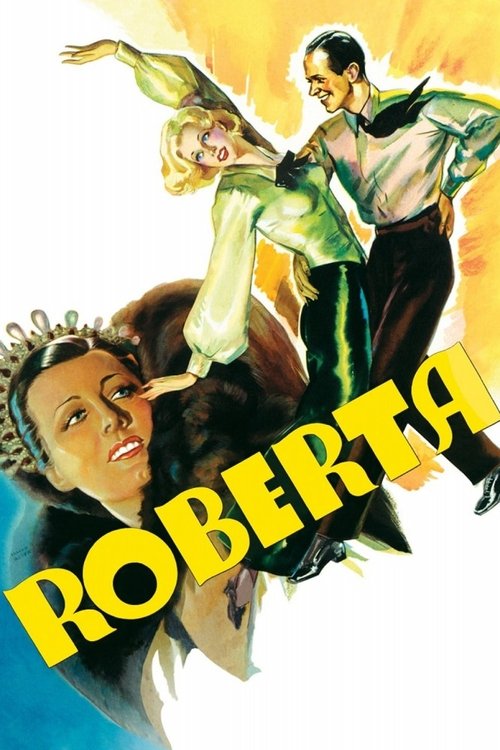
Roberta1935
Fred Astaire and Ginger Rogers in a fashion-house romance with Jerome Kern songs that are genuinely sophisticated. Astaire's dancing is the real draw, and the film moves with considerably more wit than most operettas of the era.
But The plot about a Russian countess working in Paris is contrived even by 1935 standards. If you're not interested in dance, the musical numbers may feel like interruptions.
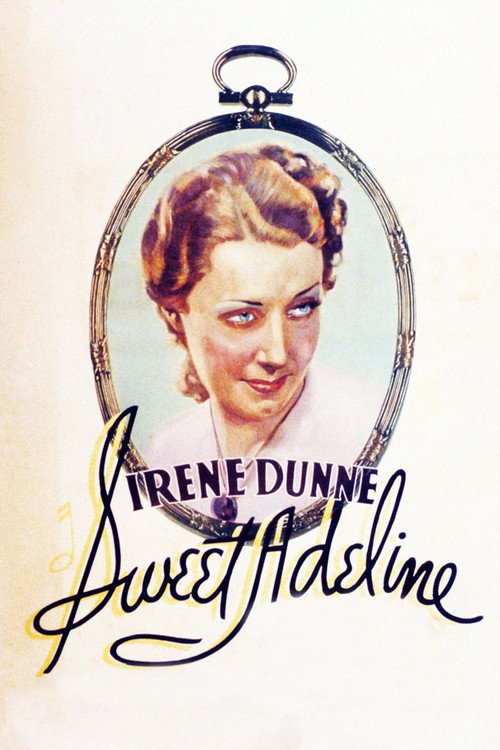
Sweet Adeline1934
Irene Dunne and Donald Woods in a turn-of-the-century romance set in the music world, with Jerome Kern's achingly beautiful score. Dunne's voice is superb and the period detail is lovingly done, even if the story is negligible.
But The plot is genuinely thin and meanders badly. Unless you're specifically seeking Kern's music or Dunne's performance, it may feel like an excuse for production numbers.
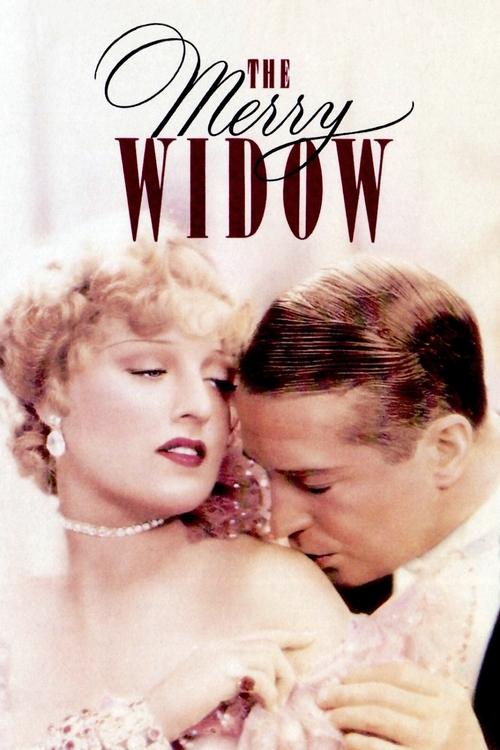
The Merry Widow1934
Ernst Lubitsch directing Jeanette MacDonald and Maurice Chevalier in an operetta that knows how to be genuinely funny. The Lubitsch touch makes the artificiality feel intentional, and the musical numbers justify themselves through sheer charm.
But Chevalier's persona hasn't aged well, and the sexual politics are embarrassingly dated. The satire of Eastern European nobility can feel thin and condescending.
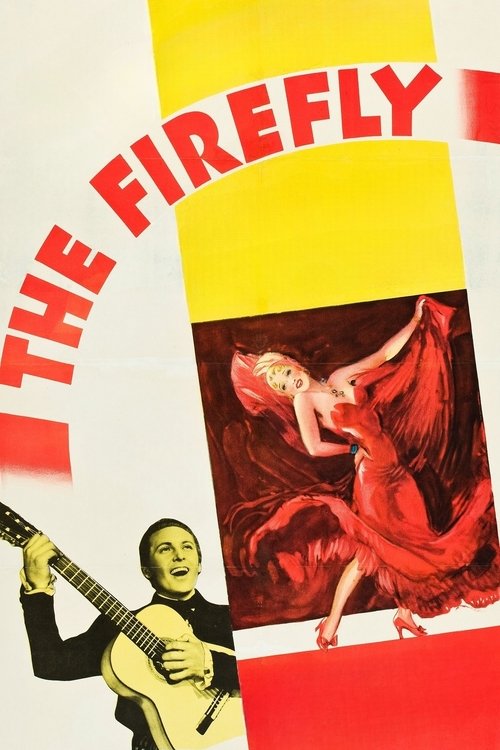
The Firefly1937
Allan Jones himself (your hero's leading man) with Jeanette MacDonald in a Spanish-set operetta. Jones is genuinely likable and the film has more plot momentum than most of its contemporaries. Rudolf Friml's music is excellent.
But It's barely more substantial than The Great Victor Herbert itself. If you're tired of the operetta formula, this won't change your mind.
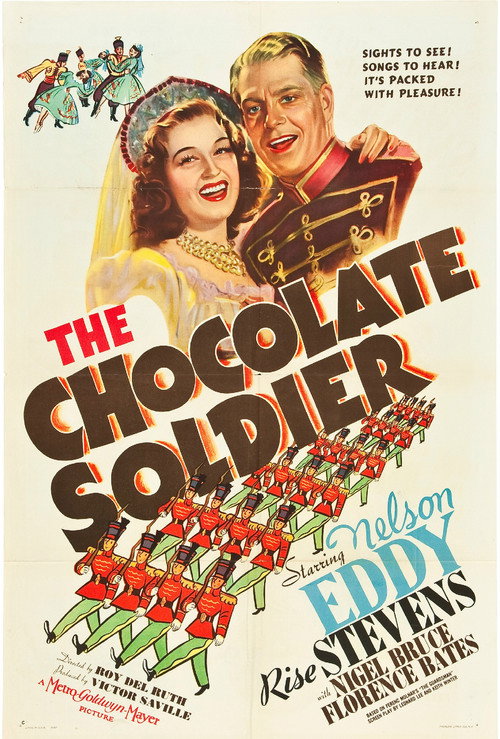
The Chocolate Soldier1941
Nelson Eddy and Rise Stevens in a romantic comedy set during wartime, with lighter material than the typical operetta. The script has actual humor and the musical numbers feel less intrusive than usual.
But By 1941, the operetta formula was exhausted. The film feels like it knows this, which gives it a tired quality even in its lighter moments.
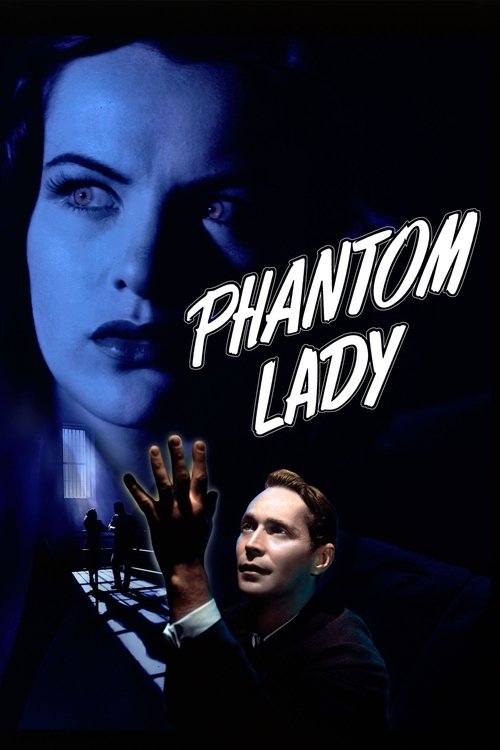
Phantom Lady1944
Like Victor Herbert, it's a film that trusts a single musical sequence to carry emotional weight, but it uses that power to seduce us into danger rather than comfort.
Ella Raines and Franchot Tone in a noir thriller built around a dazzling musical number in a jazz club. It's proof that mid-century Hollywood could make operatic spectacle from darkness and danger instead of romance, with genuine tension underneath.
But It's a murder mystery, not a romance, and the tone whips between thriller and musical number. If you want escapism, the darkness will intrude.
Singin' in the Rain1952
Both celebrate the marriage of spectacular production and popular music, but Singin' in the Rain knows that the real spectacle is the human effort underneath—Gene Kelly's feet, not the set design.
Gene Kelly, Donald O'Connor, and Debbie Reynolds in a backstage musical that deconstructs the entire operetta formula while celebrating Hollywood itself. It's joyful, expertly made, and it understands that spectacle is only magical if someone's doing something difficult inside it.
But It can feel almost aggressively cheerful, and the gender dynamics, while better than earlier films, still subordinate the female lead. The film's own artificiality is sometimes exhausting.

People
Cast
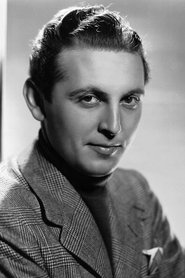 Allan JonesJohn Ramsey
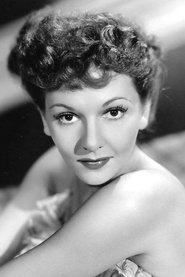 Mary MartinLouise Hall
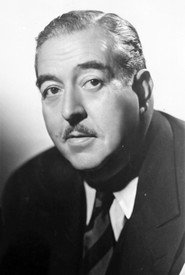 Walter ConnollyVictor Herbert
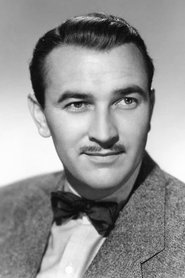 Lee BowmanDr. Richard Moore
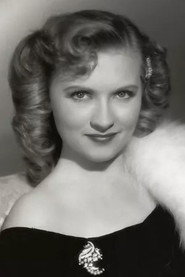 Susanna FosterPeggy
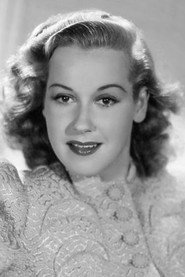 Judith BarrettMarie Clark
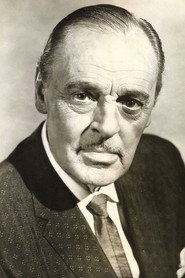 Jerome CowanBarney Harris
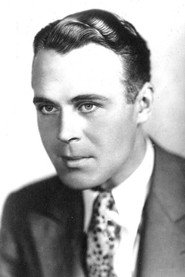 John GarrickWarner Bryant
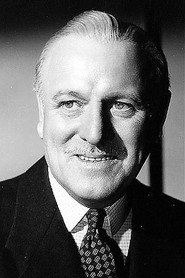 Pierre WatkinAlbert Martin
 Hal K. DawsonGeorge Faller
 Richard TuckerMichael Brown
 Mary CurrierMrs. Victor Herbert
Directing
- Andrew L. StoneDirector
Writing
- Buddy G. DeSylvaLyricist
- Glen MacDonoughLyricist
- Harry B. SmithLyricist
- Henry Martyn BlossomLyricist
- Rida Johnson YoungLyricist
- Robert B. SmithLyricist
- William LeBaronLyricist
- Robert LivelyScreenplay
- Russel CrouseScreenplay
- Andrew L. StoneStory
- Robert LivelyStory
Production
- William LeBaronExecutive Producer
- Andrew L. StoneProducer