
Film
Gold Diggers of 1935
- Comedy
- Light-hearted
A musical comedy where a wealthy family's seaside vacation collides with fortune hunters and mistaken identities. Dick Powell leads the charm offensive through a series of romantic mix-ups punctuated by elaborate dance numbers. It's frothy, quick-moving, and designed to entertain rather than challenge—the kind of film that works best if you settle in and let the energy wash over you.
If you liked this
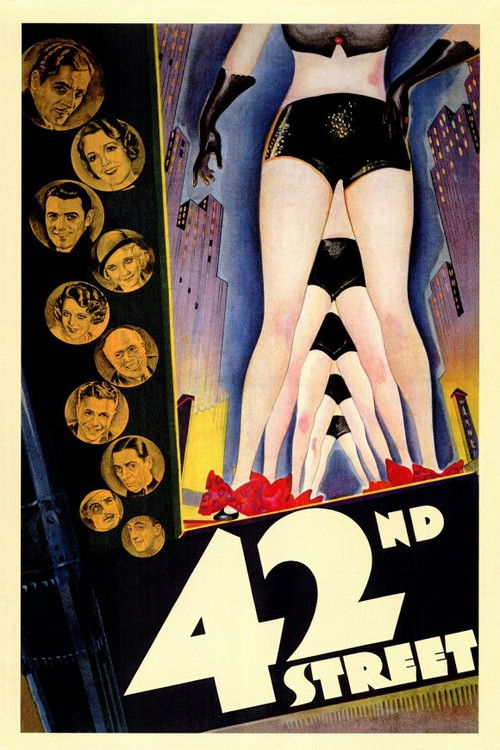
42nd Street1933
The template for all backstage musicals: a scrambling producer, a chorus line of dreamers, and enough production numbers to justify the whole enterprise. Sharp, zippy, and genuinely funny about show business desperation.
But The plot is gossamer-thin and moves in fits and starts between musical set pieces. If you need narrative momentum, you'll feel the seams.
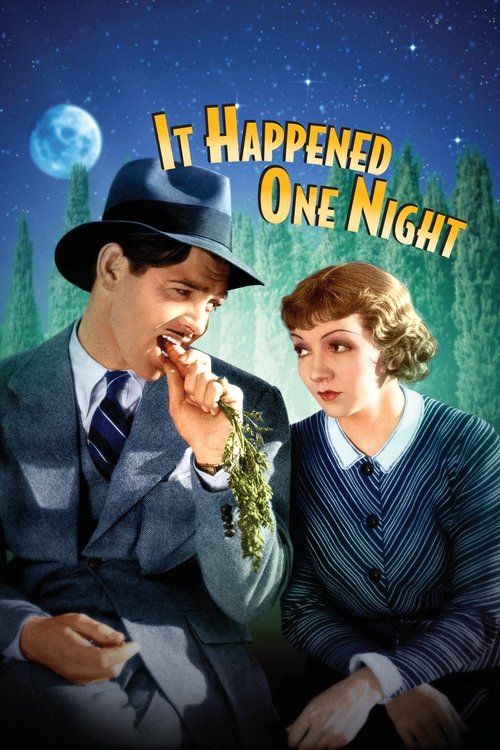
It Happened One Night1934
The gold standard of screwball comedy: Claudette Colbert and Clark Gable sparring across a picaresque journey with impeccable timing and real chemistry. Fast, clever, and it actually earned Best Picture for a reason.
But Gable's character is controlling in ways that read differently now. The pace can feel relentless if you're exhausted.
Singin' in the Rain1952
Hollywood's love letter to itself, but with Gene Kelly and Donald O'Connor doing things with their bodies that shouldn't be possible. The musical numbers are genuinely transcendent. Pure joy in film form.
But It's not much of a plot and the sentiment is thick. If you find joy-in-film-form saccharine, this will test your patience.

Not sure tonight? Get a pick in a minute, starting from Gold Diggers of 1935
The wildcard
Something you would not have found on your own.
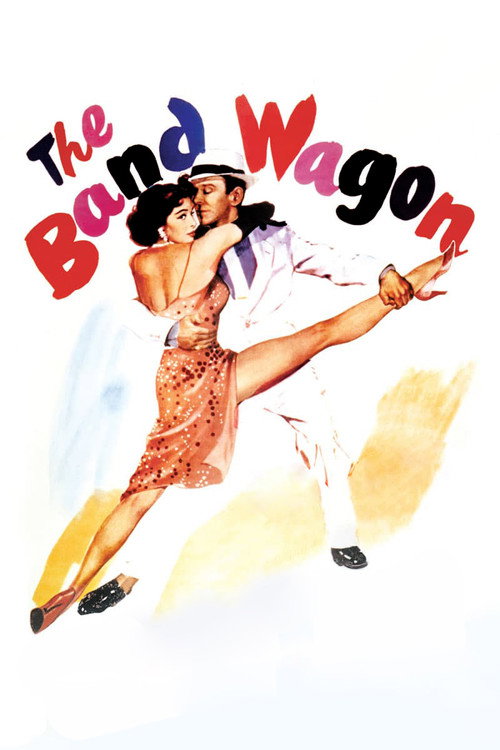
The Band Wagon1953
Both are backstage stories about talent and ambition, but Bandwagon swallows its own myth. It asks whether the show is worth it; Gold Diggers never questions the answer.
A musical about musicals: Fred Astaire as a washed-up hoofer trying to get back in the game. It's self-aware, deeply intelligent about Broadway, and the numbers are some of the best ever filmed. Vincente Minnelli directs with absolute control.
But It's darker than Gold Diggers—less romance, more existential worry about relevance and age. The backstage scenes can feel like watching people's actual anxieties play out.
More like this (8)
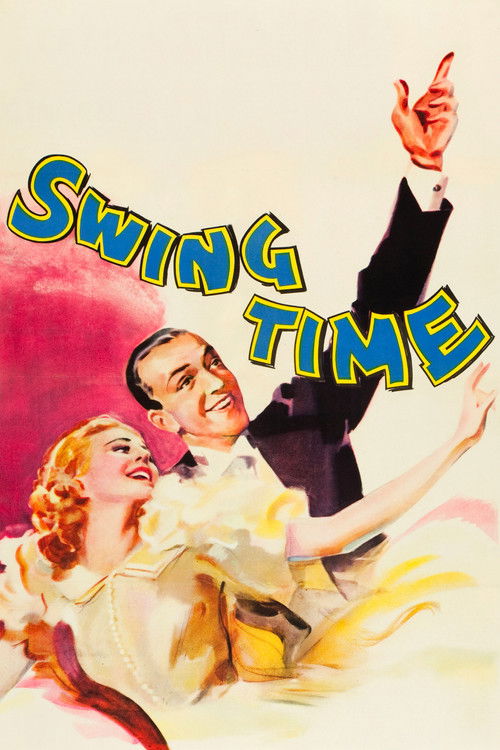
Swing Time1936
Fred Astaire and Ginger Rogers at their peak, dancing through a romantic tangle with the kind of ease that makes it look like falling in love. The numbers are astonishing; the banter is bright.
But The story serves the dancing, not the other way around. Expect to move between plot scenes and musical interludes without much glue holding them together.
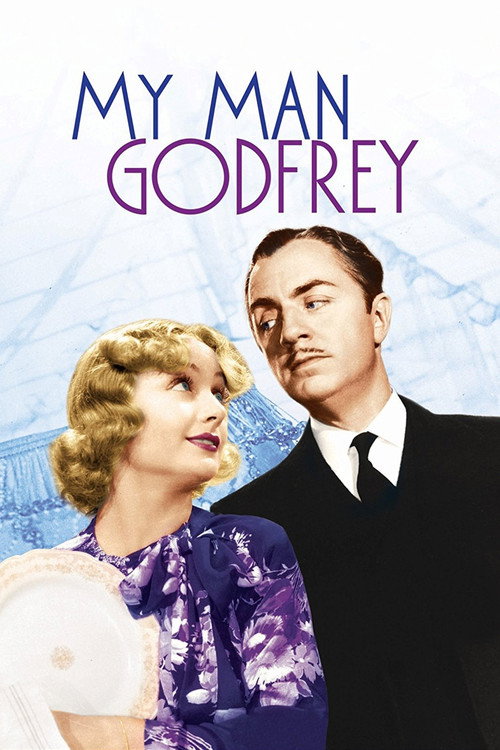
My Man Godfrey1936
Screwball royalty. William Powell is ice and Carole Lombard is controlled chaos; watching them orbit each other is endlessly entertaining. The wit is genuinely sharp and the warmth underneath is real.
But The satire of the wealthy sits uncomfortably with genuinely kind ending. Tonal whiplash if you're looking for consistent comedy or consistent heart.
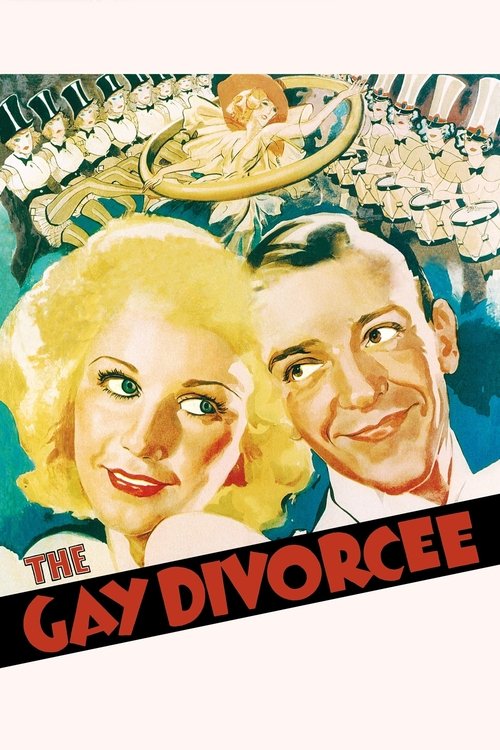
The Gay Divorcee1934
Astaire and Rogers again, lighter and breezier than Swing Time. The 'Night and Day' number alone justifies the evening. A perfect introduction to why this pairing mattered.
But The plot is flimsy even by musical standards. The gender politics are creaky. It's less substantial than it looks.
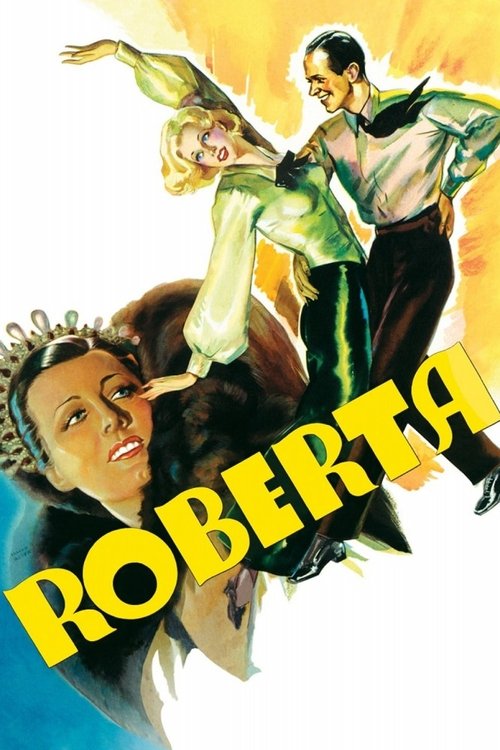
Roberta1935
Astaire and Rogers in high-fashion Paris, with Jerome Kern music and a plot that's actually coherent enough to carry the dancing. Elegant, romantic, with real craftsmanship underneath the sparkle.
But It's more sedate than you might want from a musical. The romance overshadows the dancing for long stretches.
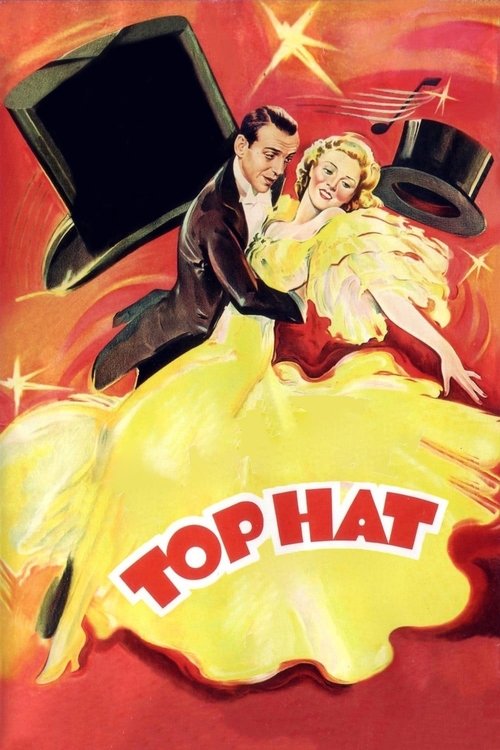
Top Hat1935
Astaire and Rogers' masterpiece. A man pursues a woman across London and Venice while dancing like gravity is optional. The style is impeccable, the numbers are perfect, the romance actually lands.
But The miscommunication plot is aggressively thin. If you're watching for story, you're watching the wrong thing.
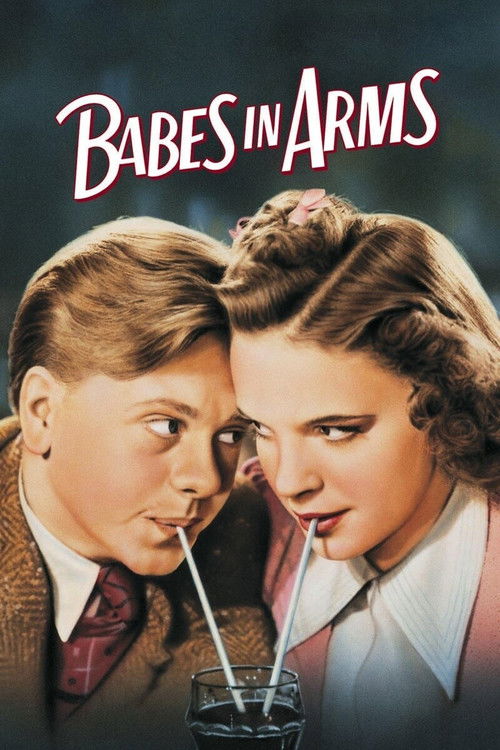
Babes in Arms1939
Mickey Rooney and Judy Garland as teenagers putting on a show. It has verve and genuine warmth, and the musical numbers show real ambition without being overwhelming.
But It's dated in ways that are harder to look past than other musicals from the era. Some casting and humor hasn't aged well at all.
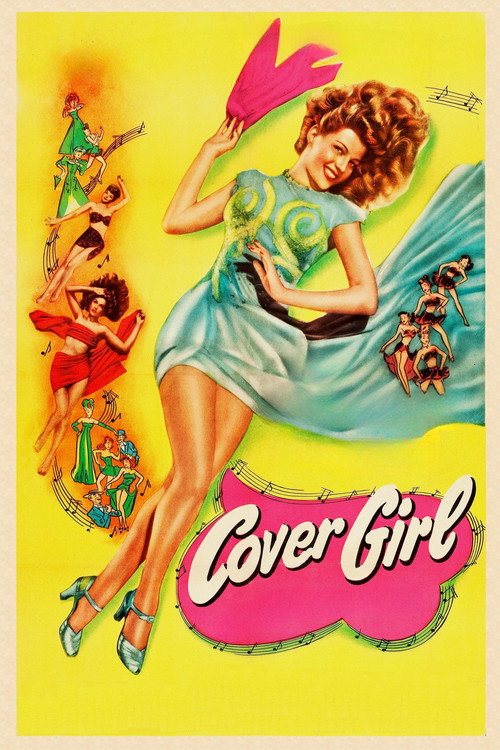
Cover Girl1944
Same formula—romance, dancing, elaborate production numbers—but shifted into wartime Technicolor dreams. Gold Diggers is black-and-white morning; this is Technicolor fever.
Rita Hayworth and Gene Kelly fall in love across a magazine shoot and New York streets. Kelly's dancing is phenomenal and the Technicolor is intoxicating. It's sweeter than you'd expect and visually ravishing.
But The plot exists only to connect musical numbers. If you need it to be about something, you'll be disappointed. The feminism is nonexistent.
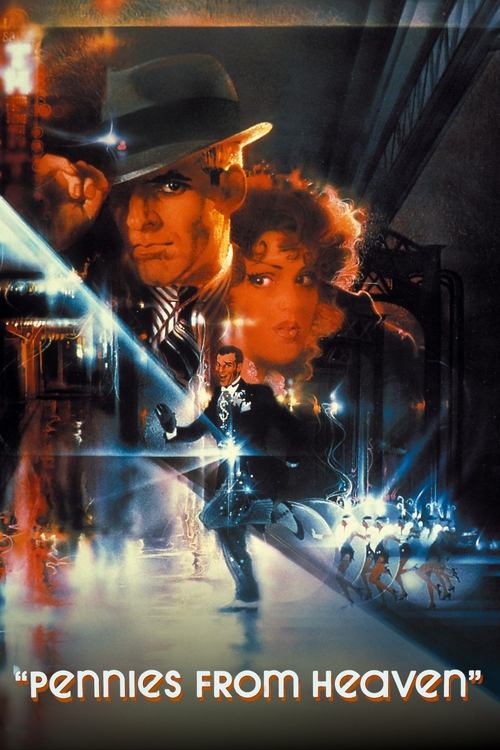
Pennies from Heaven1981
Both use 1930s escapism and dancing as their language, but this one asks what the escape is from and whether it works. It's a musical that doubts musicals themselves.
Steve Martin and Bernadette Peters drift through Depression-era sex, loneliness, and real American destitution, interrupted by ecstatic Astaire-and-Rogers musical numbers. It's heartbreaking and strange and unclassifiable. Herbert Ross made something genuinely unique.
But It's a tonal collision—desperate poverty and desperation against pure entertainment. Watching a man's marriage dissolve between musical interludes doesn't feel like lightness. Many people find it miserable.
People
Cast
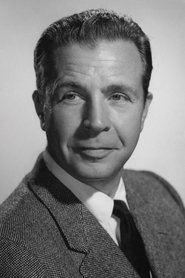 Dick PowellDick Curtis
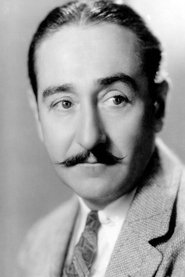 Adolphe MenjouNicolai Nicoleff
 Gloria StuartAnn Prentiss
 Alice BradyMatilda Prentiss
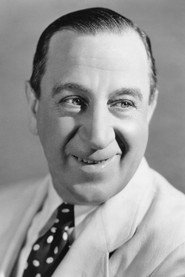 Hugh HerbertT. Mosley Thorpe
 Glenda FarrellBetty Hawes
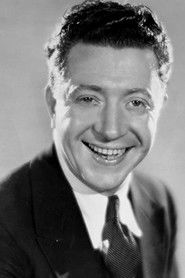 Frank McHughHumbolt Prentiss
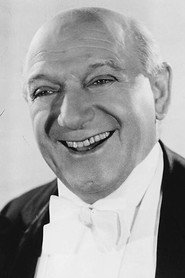 Joseph CawthornAugust Schultz
 Grant MitchellLouis Lamson
 Dorothy DareArline Davis
 Wini ShawWinny
 Arthur AylesworthHead Bartender (uncredited)
Directing
- Busby BerkeleyDirector
Writing
- Al DubinLyricist
- Manuel SeffScreenplay
- Peter MilneScreenplay
- Peter MilneStory
- Robert LordStory