
Film
If You Could Only Cook
- Screwball comedy
- Light-hearted
A scrappy 1935 romantic comedy where an engineer and a society girl masquerade as married servants to infiltrate a mobster's mansion. It's a breezy confection of mistaken identities, slapstick chaos, and genuine chemistry, built on the assumption that watching attractive people pretend to be working-class never gets old. Perfect if you like your crime capers light and your banter snappy.
If you liked this
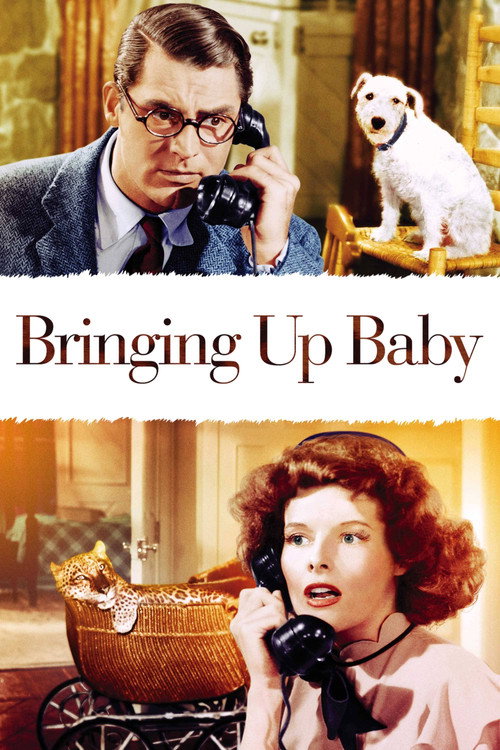
Bringing Up Baby1938
Cary Grant and Katharine Hepburn in the Platonic ideal of screwball chaos—mistaken identities, animals, slapstick, and dialogue so fast it practically hums. If you loved the speed and spirit of *If You Could Only Cook*, this is the masterclass.
But The humor is relentless and absurdist; if you want plot to mean something, it's going to frustrate you. Also very of its moment.
It Happened One Night1934
A reporter and a runaway heiress forced into close quarters, bickering their way toward romance. Pre-Code spontaneity, genuine warmth, and the template that most romantic comedies still follow. Spanking, cross-dressing, and a collapsing wall.
But The pacing feels measured compared to later comedies. Some of the class politics land differently now. Worth pushing through both.

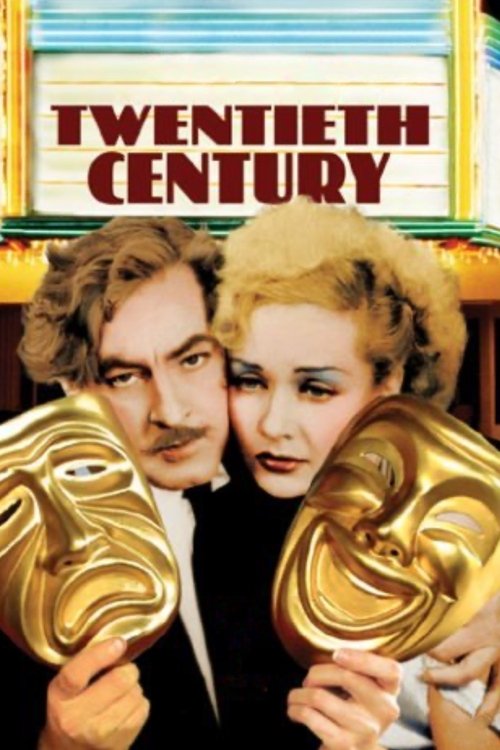
Twentieth Century1934
John Barrymore and Carole Lombard on a train, in a battle of theatrical wills and genuine attraction. Rapid-fire dialogue, ego clashes, and the kind of frantic energy that makes you believe these people would drive each other—and themselves—insane.
But It's stage-bound and occasionally shrill. The Hollywood in-jokes won't all land unless you know the era. Barrymore chews scenery like it owes him money.
Not sure tonight? Get a pick in a minute, starting from If You Could Only Cook
The wildcard
Something you would not have found on your own.
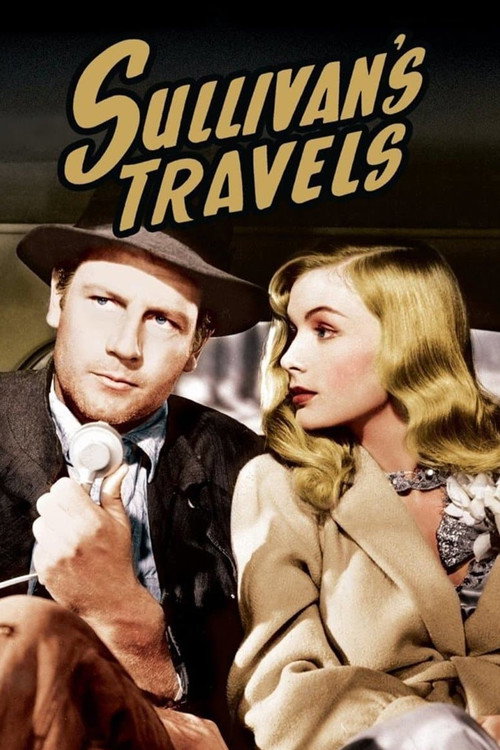
Sullivan's Travels1941
Both use class disguise as the engine—but where *If You Could Only Cook* is wish-fulfillment, *Sullivan's Travels* interrogates whether the fantasy is ethical.
A Hollywood director poses as a vagrant to understand poverty for his art; reality upends his intentions. It has the same masquerade structure, but Preston Sturges uses it to ask genuine questions about comedy, class, and dignity. Hilarious and unexpectedly moving.
But The tonal shift from comedy to darkness is abrupt and unsettling. Some find the sermon-like ending didactic. It's a lot for a 90-minute film.
More like this (8)
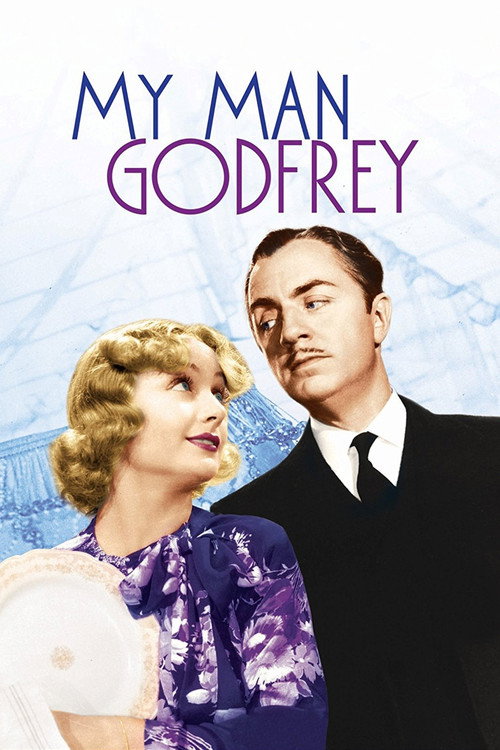
My Man Godfrey1936
A wealthy family hires a vagrant as their butler; chaos and class commentary collide. Carole Lombard is magnificent, the satire is surprisingly sharp, and it has the same giddy energy of people keeping secrets under one roof.
But The Depression-era politics feel dated, and the romance is secondary to the social comedy. Some find the tone uneven.
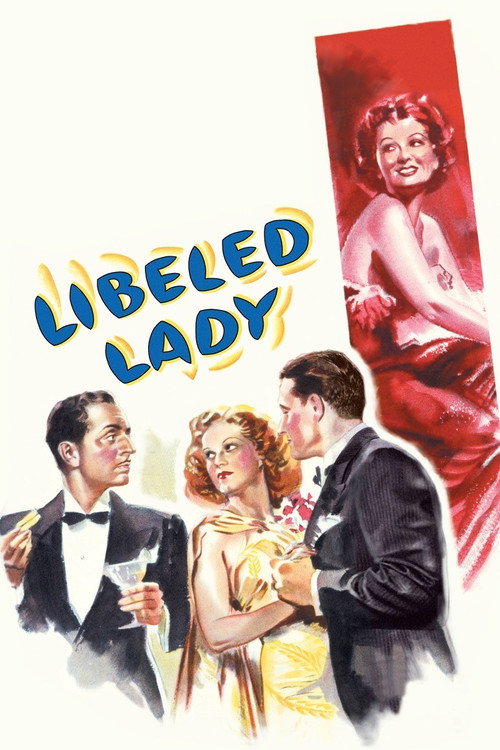
Libeled Lady1936
Spencer Tracy, Jean Harlow, William Powell, and Myrna Loy in a plot so tangled it barely matters—it's pure chemistry and witty dialogue. A woman must seduce a man to prevent a lawsuit; everyone's lying about everything.
But The plot genuinely doesn't hold up to scrutiny. If you need coherence, the madness will annoy rather than delight you.
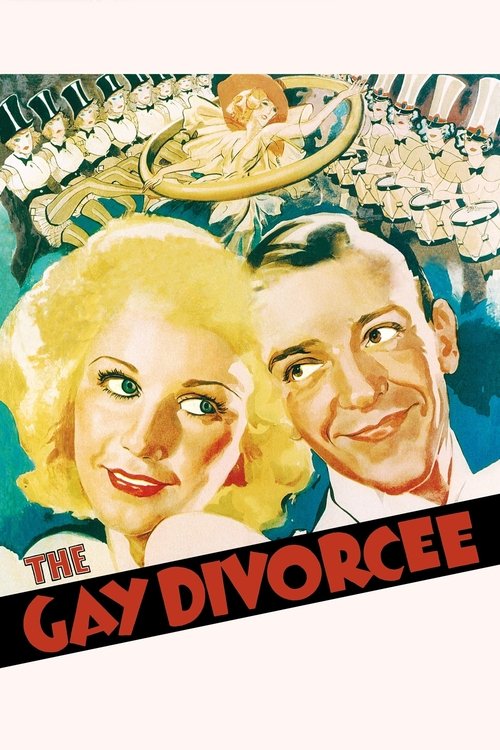
The Gay Divorcee1934
Fred Astaire and Ginger Rogers' second pairing: mistaken identity, a seaside hotel, and dancing that makes you forget to breathe. The plot is gossamer, but the pleasure is concrete.
But The non-dancing scenes plod. If you're not there for Astaire and Rogers, there's not much underneath. Some find the gender dynamics of the era uncomfortable.
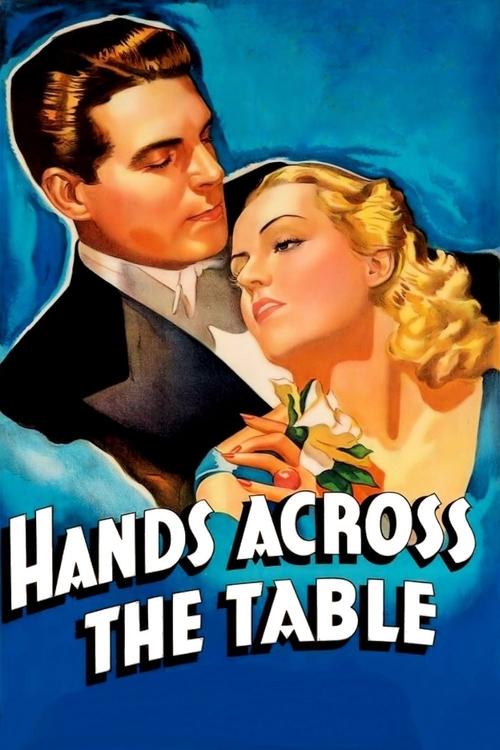
Hands Across the Table1935
Carole Lombard as a manicurist who sets her sights on a wealthy man; Fred MacMurray as a playboy with secrets. Lighter than air, genuinely funny, and Lombard is an absolute joy.
But It's a trifle, unapologetically. The class romance fantasy is uncomplicated in ways that feel naïve now.
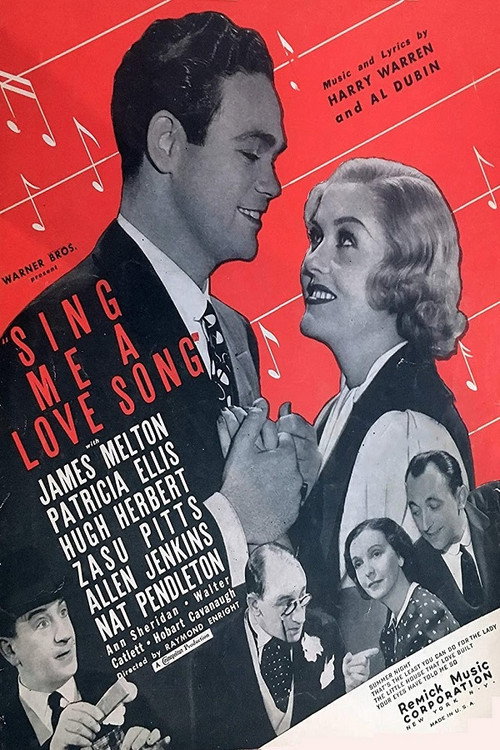
Sing Me a Love Song1936
A shopgirl and a crooner in a Depression-era romance with actual songs. It has the same breezy tone and class-mixing themes, plus musical numbers that punctuate the comedy.
But The songs interrupt the pace rather than enhance it. The plot is thin even by 1936 standards. It's minor Warner Bros.
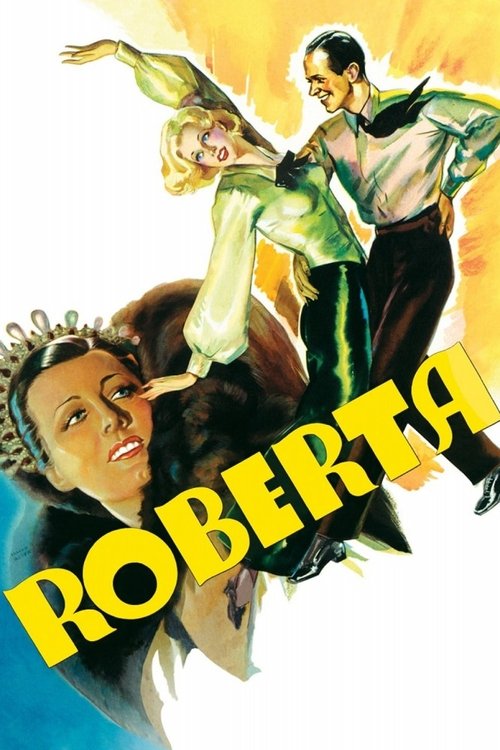
Roberta1935
Fred Astaire and Ginger Rogers in a fashion-house romance with mistaken identities and a giddy international setting. Less plot-heavy than their other films, more pure delight.
But It meanders. The clothes are the point, not the story. If you need narrative momentum, you'll check your watch.
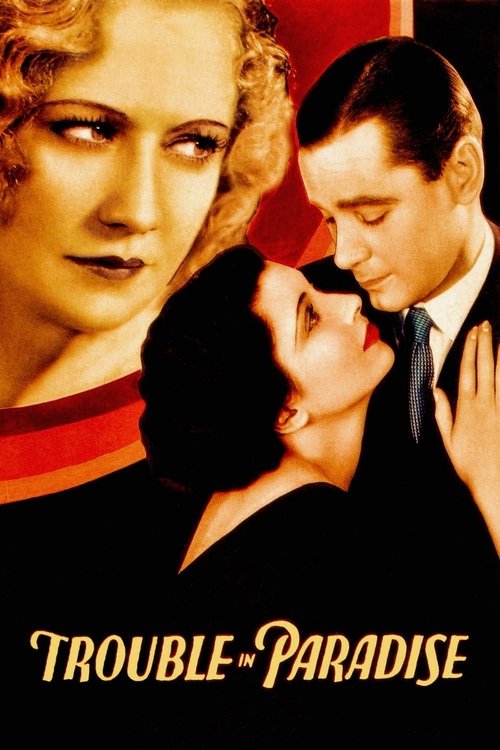
Trouble in Paradise1932
Same plot DNA—criminals posing in a mansion—but Lubitsch treats it with continental sophistication rather than American scrappiness. A masterclass in how tonal choice shapes everything.
Ernst Lubitsch's masterpiece of sophisticated crime: two con artists infiltrate a wealthy widow's home. It's everything *If You Could Only Cook* aspires to be—wickedly smart, sexually knowing, technically immaculate, and funny in ways that don't rely on shouting.
But The Pre-Code sexuality and moral ambiguity will seem alien if you're used to modern comedies. It's slow by today's standards, and the refinement can read as cold.
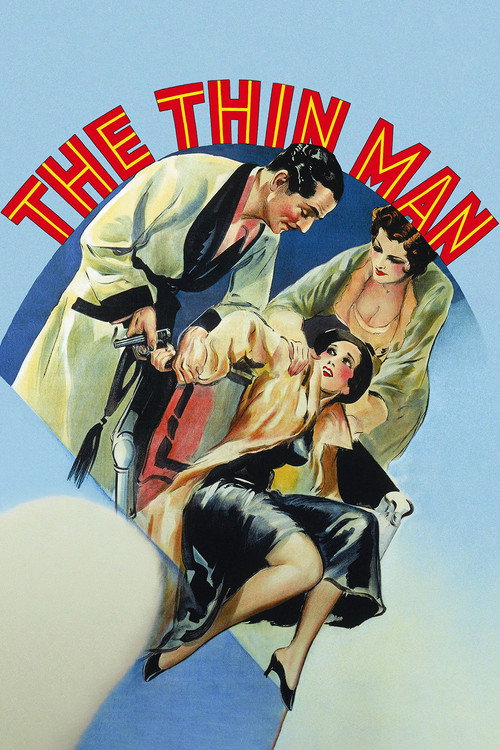
The Thin Man1934
Like *If You Could Only Cook*, it's built on the spark of two people who shouldn't work together but do. But *The Thin Man* proved that spark could sustain an entire franchise—and that married couples could be funny and sexy.
William Powell and Myrna Loy as a married detective couple solving a murder while drinking, flirting, and trading barbs. It's a mystery, yes, but what you're watching is two people who actually like each other—revolutionary for the time. Sexy, funny, and genuinely smart.
But The plot is secondhand, the resolution slightly anticlimactic. The appeal is entirely the leads' chemistry; if they don't charm you, there's not much left. It spawned exhausting sequels.
People
Cast
 Herbert MarshallJim Buchanan
 Jean ArthurJoan Hawthorne
 Leo CarrilloMike Rossini
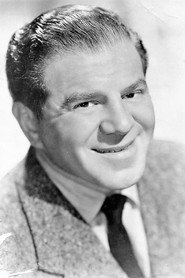 Lionel StanderFlash
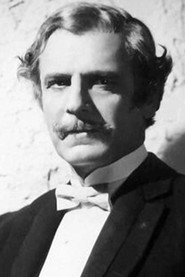 Alan EdwardsBob Reynolds
 Frieda InescortEvelyn Fletcher
 Ralf HaroldeSwig
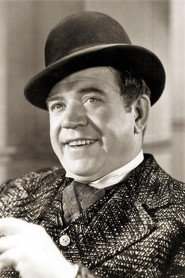 Matt McHughPete
- Richard PowellChesty
- Mariska AldrichSwedish Cook (uncredited)
- William AndersonNewsboy (uncredited)
Directing
- William A. SeiterDirector
Writing
- Gertrude PurcellScreenplay
- Howard J. GreenScreenplay
- F. Hugh HerbertStory
Production
- Everett RiskinAssociate Producer
- Everett RiskinProducer