
Film
The Great Caruso
A 1951 musical biography of legendary tenor Enrico Caruso, powered entirely by Mario Lanza's golden voice. It's a straightforward rise-and-fall story dressed in lavish Technicolor sets and genuine operatic grandeur. Perfect for anyone who loves old Hollywood spectacle, beautiful singing, or both—though you don't need to care about opera to feel the pull of Lanza's voice.
Should you watch it?
Watch it if you adore big-voiced opera on screen and don't mind a rags-to-riches story played with full-throated sentiment, where the arias carry more weight than the plot.
Skip it if you want a sober, warts-and-all biography, since this one polishes its hero and smooths over rough edges with a lot of romantic gloss.
What it asks of you: Settle in for nearly two hours of lush, tune-filled sentiment, with long stretches of singing that ask you to linger rather than hurry along.
Not sure? Find tonight's pick in a minute.
If you liked this
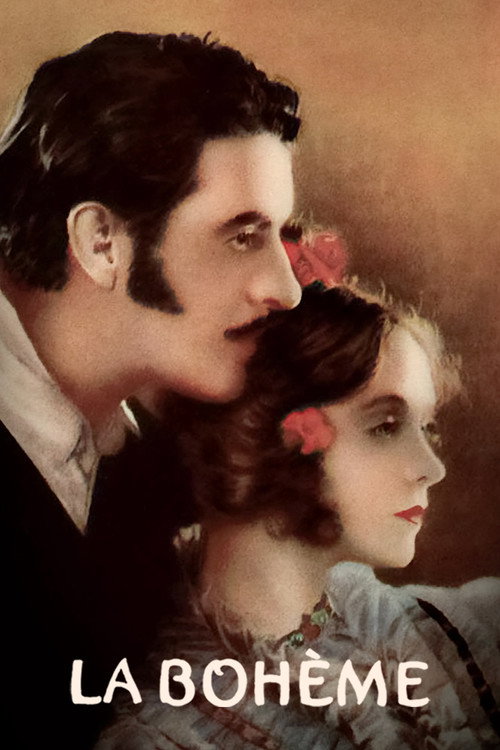
La Bohème1926
Puccini's masterpiece performed by actual Metropolitan Opera singers in a 1926 film. Raw, intimate, and gorgeously shot—the real thing that inspired everything Caruso dreamed of.
But Silent film pacing will test modern patience, and the sound restoration is patchy. Period acting style demands adjustment.
Singin' in the Rain1952
Released the year after Caruso, this musical biography of a movie star captures the same era's confident spectacle, but with humor, invention, and dancing that leaps off the screen.
But It's Hollywood showing off. If you want substance over style, this will feel like beautiful fluff.

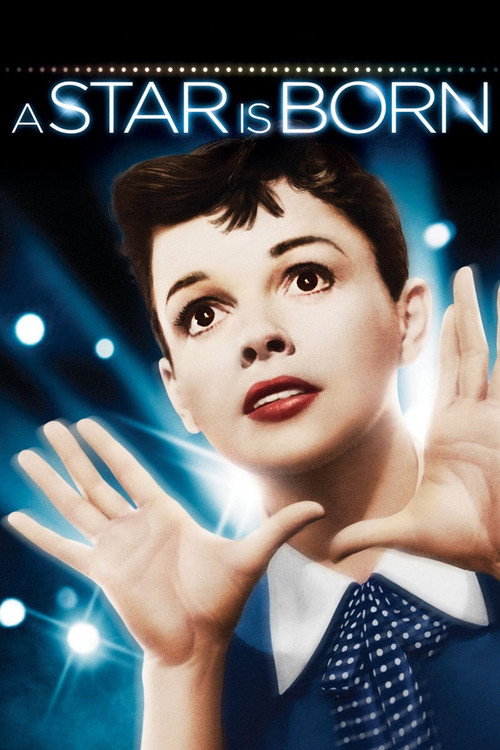
A Star Is Born1954
Judy Garland in a devastating riff on the rise-and-fall-of-a-performer story. Raw emotion where Caruso stays polished. Tragic and unforgettable in ways Caruso aims for but misses.
But Much darker than Caruso, and the drinking plot may hit differently. It's uncomfortable by design.
Not sure tonight? Get a pick in a minute, starting from The Great Caruso
The wildcard
Something you would not have found on your own.
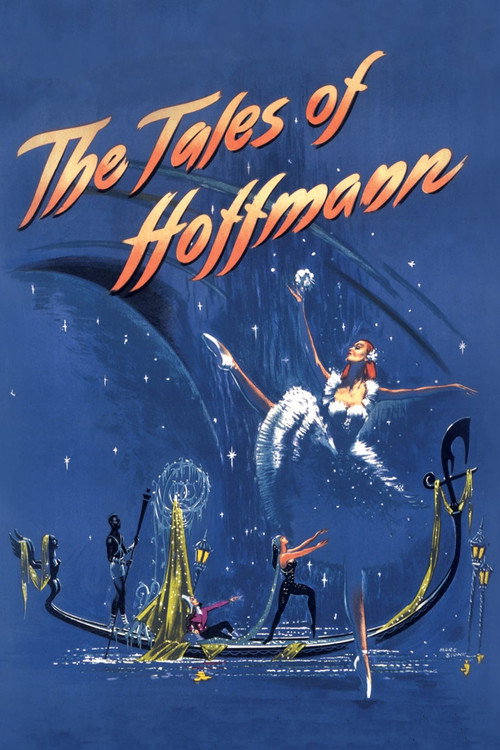
The Tales of Hoffmann1951
Both are 1951 attempts to make opera cinema, but Powell and Pressburger chose visionary abstraction where MGM chose biographical spectacle. A radical alternate answer to the same question.
Michael Powell and Emeric Pressburger's stunning opera film released the same year as Caruso. Shot like a painting, performed like theater, it's operatic cinema done with absolute conviction and visual daring.
But Deliberately artificial—no attempt at realism. The artificiality is the point, which some find pretentious. And it's genuinely strange.
More like this (7)
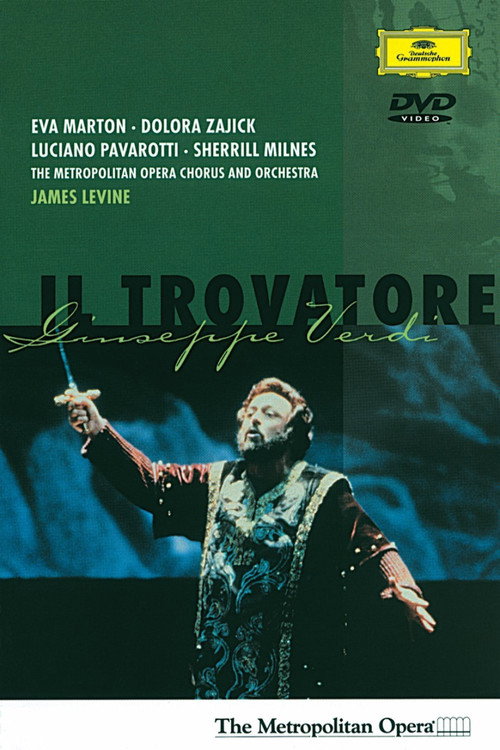
Il Trovatore1988
Another Verdi masterpiece, often filmed beautifully. The passion and melodrama are everything opera should be—soaring, absurd, magnificent all at once.
But If you're not already opera-curious, two hours of Italian passion sung at full volume will feel impenetrable.
The Red Shoes1948
A film about obsession, artistry, and the price of beauty. Like Caruso but smarter—it knows the cost of devotion and shows you every cent.
But Slower and more abstract. If you're here for Mario Lanza's voice and Hollywood warmth, this will feel austere.

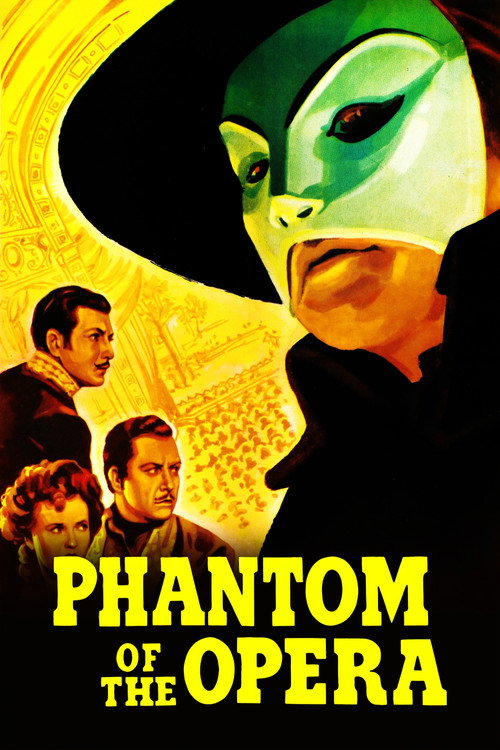
Phantom of the Opera1943
Claude Rains and Nelson Eddy in Technicolor luxury. Opera, obsession, and melodrama all wound up together. A more gothic cousin to Caruso's story.
But The singing is competent rather than revelatory, and the plot is silly even by 1943 standards.
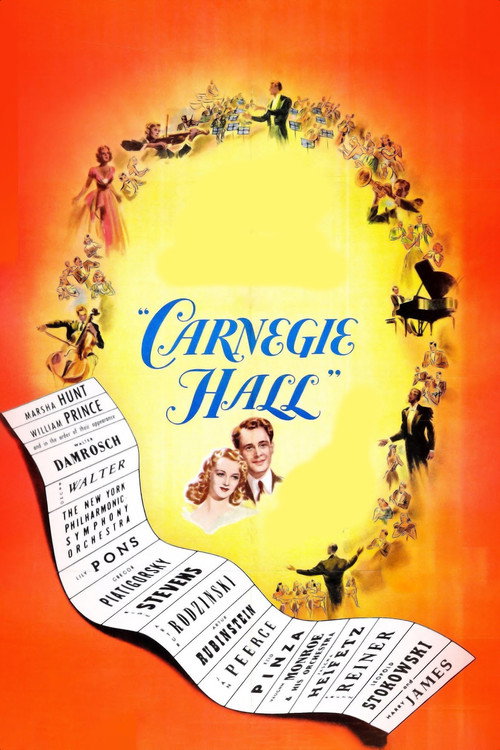
Carnegie Hall1947
A love letter to concert performance and great music, with appearances from real classical musicians. Celebratory, earnest, and genuinely moving about why music matters.
But Thin plot and uneven pacing. Long stretches of classical performance will test patience if you're not already invested.
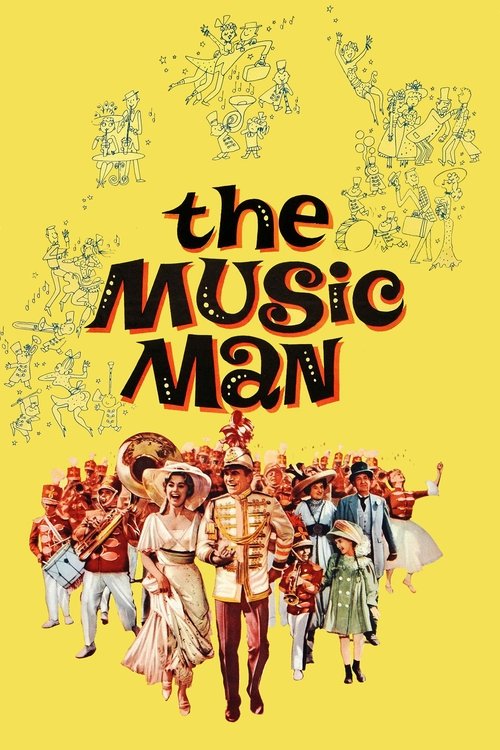
The Music Man1962
Robert Preston in the role of his life, singing and dancing about the transformative power of music in a small town. Pure joy and genuine performance magic.
But It's relentlessly upbeat and charming. No edge, no darkness—if you need stakes, this offers none.
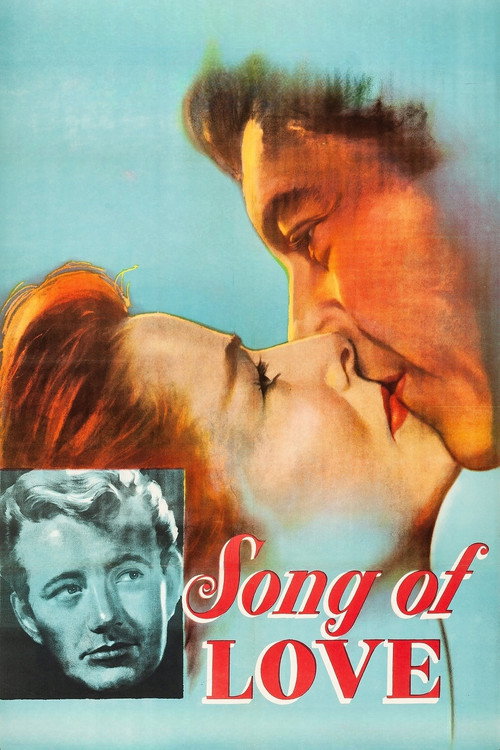
Song of Love1947
Katharine Hepburn and Paul Henreid as Clara and Robert Schumann. A serious attempt at a composer biography with real musical performances woven through.
But Stiff and earnest to the point of dullness. The romance never ignites, and the music can't save a poorly paced script.
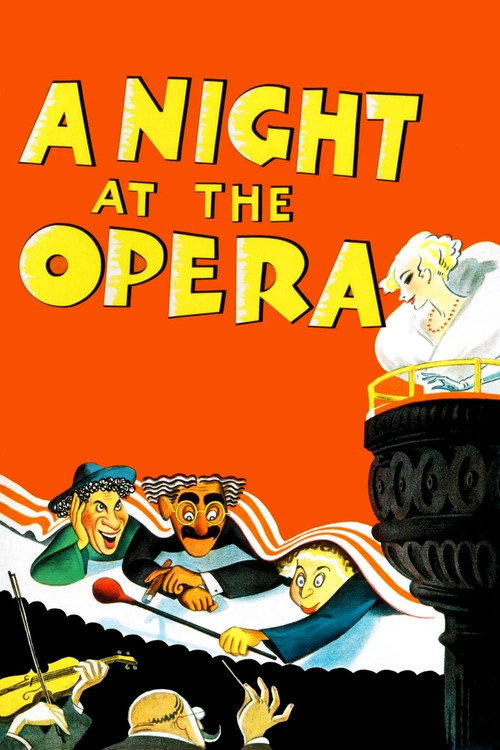
A Night at the Opera1935
Both revere opera but come from opposite emotional registers. Caruso is sincere reverence; this is reverent mockery. Together they bracket why people love this art form.
The Marx Brothers chaos-bombing an opera performance. Hilarious, irreverent, and—underneath the comedy—genuinely respectful of the music itself. The anti-Caruso: same love of opera, opposite tone.
But Comedy styles from 1935 feel dated if you're not attuned to them. And comedy at the expense of high art may offend if you take opera too seriously.
People
Cast
 Mario LanzaEnrico Caruso
 Ann BlythDorothy Benjamin
 Dorothy KirstenLouise Heggar
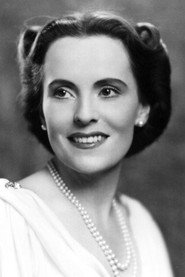 Jarmila NovotnáMaria Selka
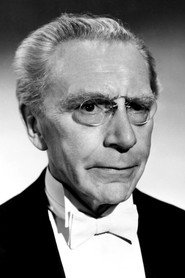 Richard HagemanCarlo Santi
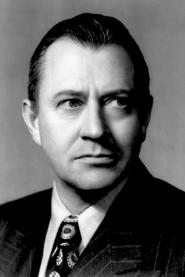 Carl Benton ReidPark Benjamin
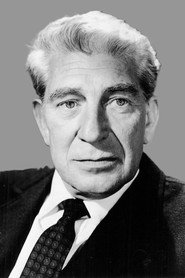 Eduard FranzGiulio Gatti-Casazza
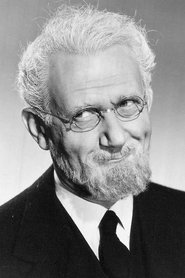 Ludwig DonathAlfredo Brazzi
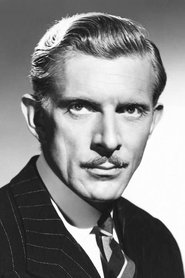 Alan NapierJean de Reszke
- Blanche ThebomVocalist - Opera Montage
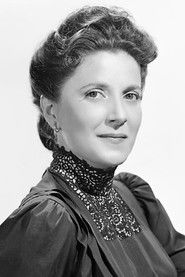 Teresa CelliVocalist - Opera Montage
- Nicola MosconaVocalist - Opera Montage
Directing
- Richard ThorpeDirector
Writing
- William LudwigWriter
Production
- Jesse L. LaskyAssociate Producer
- Joe PasternakProducer
Recommended by
The Last Days of Pompeii, Rose Marie, Rose Marie, The Desert Song, Abhimaan, The Toast of New Orleans, Carnegie Hall, The Dancing Years, Blossom Time, Metropolitan, The Buccaneer