
Film
Song of Love
A 1947 classical music drama centered on Clara and Robert Schumann's marriage, with Katharine Hepburn as the accomplished pianist-composer wife navigating her own ambitions against 19th-century constraints. It's a handsome, serious examination of artistic partnership and creative compromise, told with the measured pace and emotional restraint of prestige Hollywood. For viewers who love classical music, historical romance, or Hepburn's fierce intelligence applied to period material.
If you liked this
The Remains of the Day1993
A meditation on duty, unspoken devotion, and the sacrifices made for art and principle. The central relationship—built on restraint and deep mutual respect—shares Song of Love's quiet tragic intelligence about what people give up for love and ambition.
But It's deliberately paced and emotionally muted. If you want catharsis or dramatic fireworks, this offers neither. The power comes entirely from what's withheld.

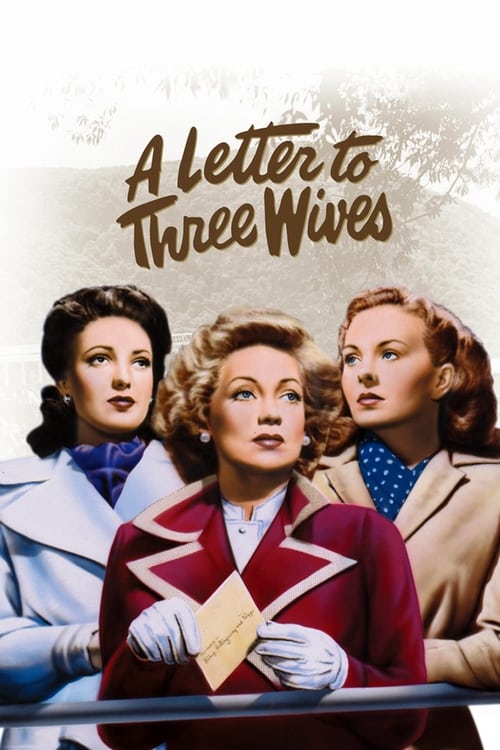
A Letter to Three Wives1949
A sophisticated ensemble drama about women navigating marriage, ambition, and identity in a world that constantly diminishes them. Directed by Joseph L. Mankiewicz with real wit and complexity—the female characters think, scheme, and matter.
But It's a melodrama wrapped in urbane dialogue, and some of its social attitudes have dated. The structure is playful in ways that might feel dated rather than clever.
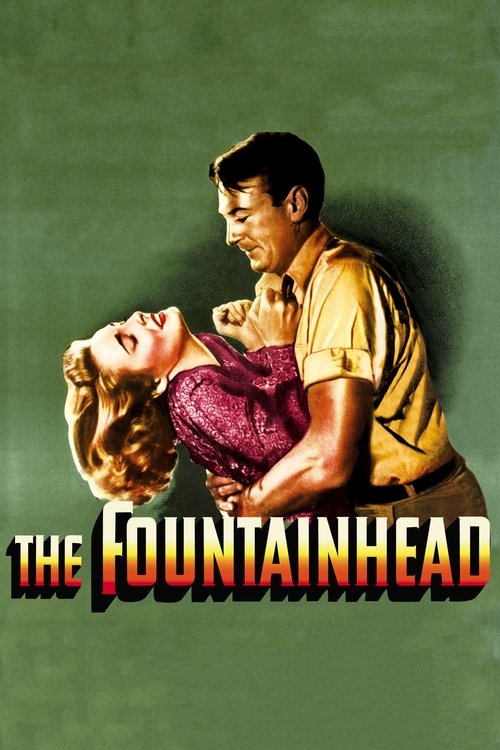
The Fountainhead1949
Gary Cooper as an architect who refuses compromise; a passionate argument about artistic integrity versus social expectation. Like Song of Love, it's obsessed with whether genius can survive marriage and convention—though it reaches opposite conclusions.
But Ayn Rand's philosophy is heavy-handed and adolescent. The film's earnestness about individualism can read as self-parody, and the romantic dynamics are deeply strange.
Not sure tonight? Get a pick in a minute, starting from Song of Love
The wildcard
Something you would not have found on your own.
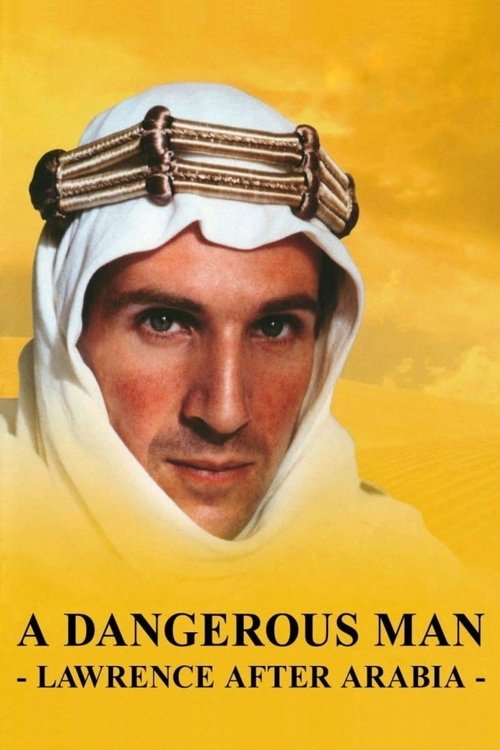
A Dangerous Man: Lawrence After Arabia1992
Both examine what happens when public genius and private life collide—how the world demands genius perform itself while the person beneath exhausts from the demand. Neither offers easy answers.
A BBC television film about T.E. Lawrence that functions as a radical rethinking of artistic celebrity and the price of fame. It shares Song of Love's interest in brilliant, conflicted artists unable to live ordinary lives—but approaches it through documentary-like realism rather than prestige drama romance.
But At 120 minutes for a TV film, it's deliberately unglamorous. Some will find it slow and distant; others will feel its refusal to dramatize is exactly the point.
More like this (8)
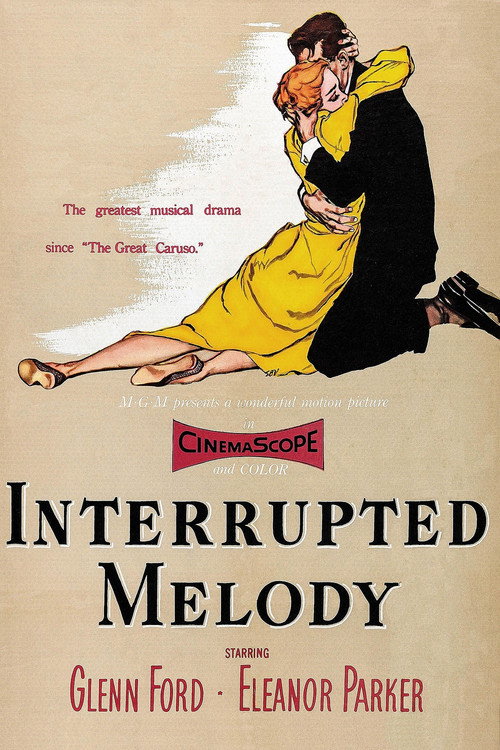
Interrupted Melody1955
Another classical music biopic centered on a female artist (soprano Marjorie Lawrence) reclaiming her art after personal devastation. It has genuine warmth and specificity about musical life that most period dramas lack.
But It's sentimental and occasionally maudlin. The triumphalism of the ending will feel earned or manipulative depending on your patience for MGM's brand of uplift.
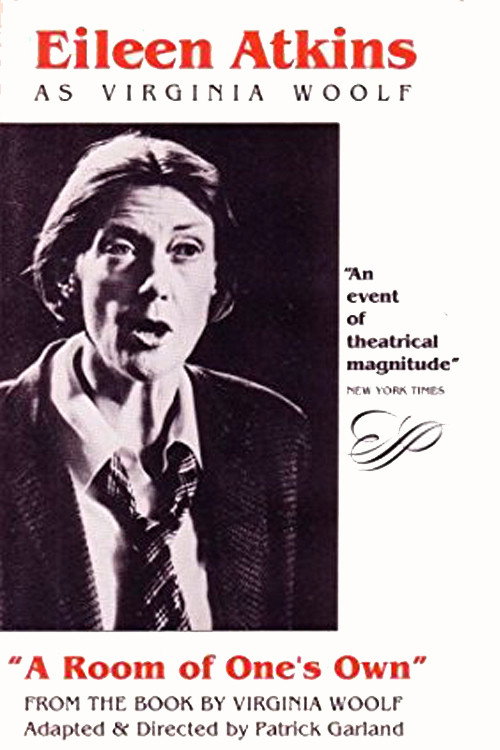
A Room of One's Own1991
A BBC adaptation of Virginia Woolf's essay-turned-drama about female creativity and the conditions required for women's art. It shares Song of Love's central question: what does it cost a woman to create?
But At 90 minutes, it's more intellectual essay than narrative drama. If you're looking for plot or conventional character development, you'll be frustrated.
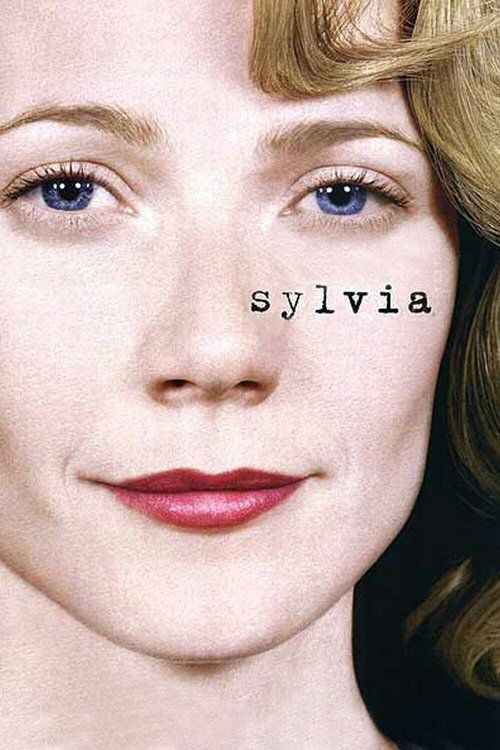
Sylvia2003
Gwyneth Paltrow as Sylvia Plath in a film that refuses to sentimentalize her talent or her marriage to Ted Hughes. It's angry about the machinery that chews up female genius—a darker counterargument to Song of Love's stoicism.
But It's dramatically uneven and sometimes heavy-handed about Plath's biography. The film's thesis occasionally overwhelms its nuance.
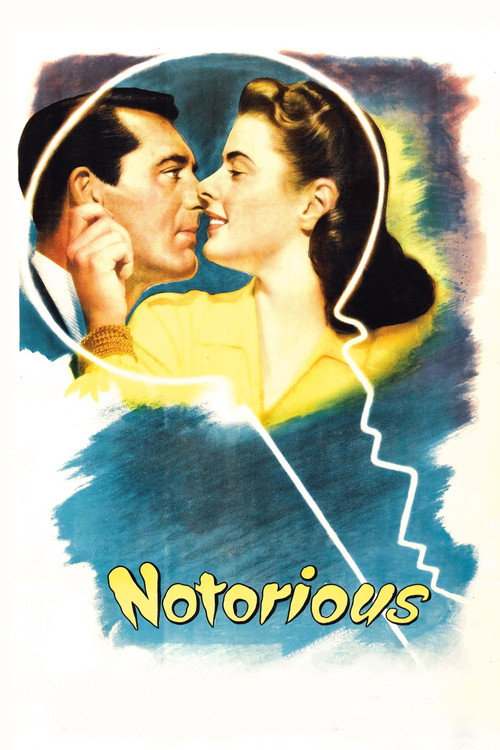
Notorious1946
Hitchcock's espionage thriller built on Cary Grant and Ingrid Bergman's unstable, passionate marriage. Like Song of Love, it examines what happens when two brilliant people love each other and need each other in equal, impossible measure.
But It's a thriller first and a love story second. Some viewers find the romantic elements sidelined by plot mechanics.
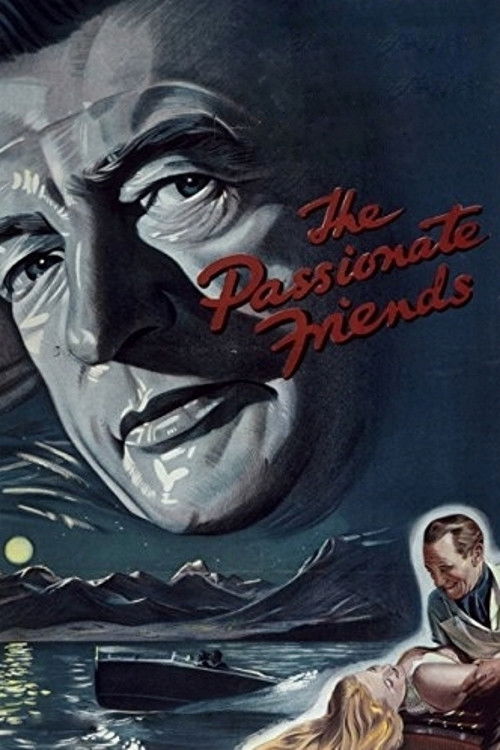
The Passionate Friends1949
David Lean's exploration of impossible love between two people—the wife (Ann Todd) torn between duty and desire. It shares Song of Love's European setting, period elegance, and refusal to make unhappiness pretty or simple.
But It's genuinely sad. Some might find it depressing rather than moving. The film prioritizes mood over propulsive narrative.
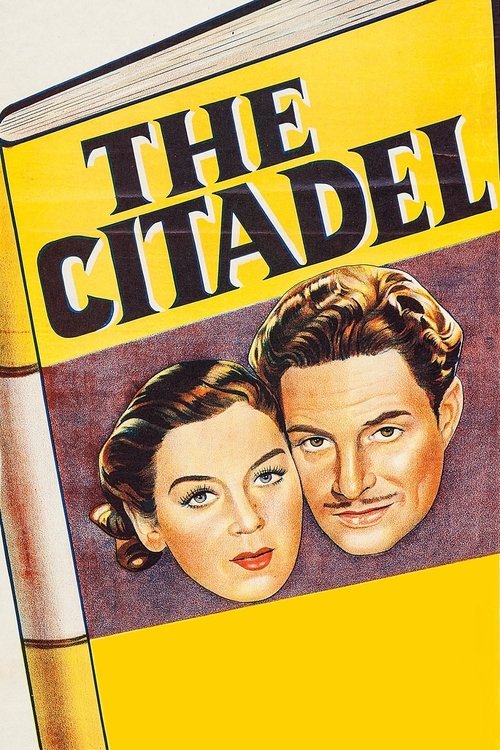
The Citadel1938
Spencer Tracy as a Scottish doctor torn between scientific ambition and the woman who loves him. It explores the marriage of two talented people trying to build something meaningful while the world demands compromise.
But It's a period piece with dated attitudes about gender and class. The script can feel stagy, and the ideological conflicts seem quaint now.
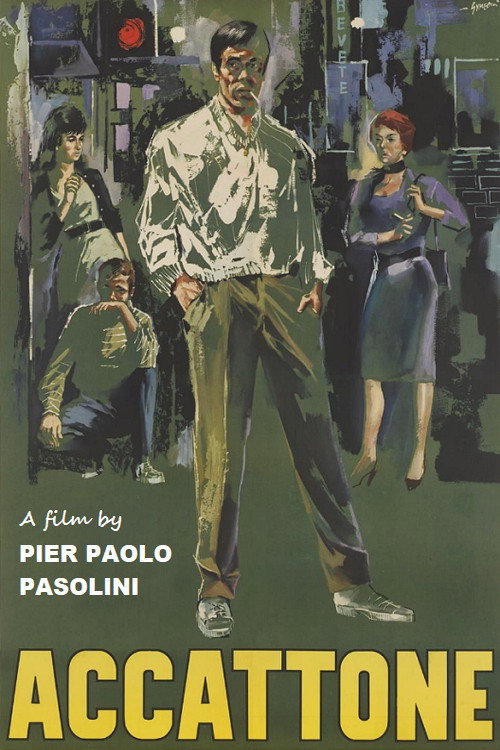
Accattone1961
Both filmmakers (Pasolini and director Clarence Brown) locate profound humanity in outsiders—people the world judges. Both use music and careful framing to argue that even damaged, limited lives contain real worth.
Pier Paolo Pasolini's debut about a small-time pimp in Roman slums, shot in neorealist black-and-white with a rapturous score. It's the opposite register from Song of Love—working-class tragedy instead of bourgeois classical music, but animated by the same belief that ordinary human struggle deserves beauty and dignity in how it's filmed.
But It's sexually and morally complex in ways that will alienate viewers looking for clear heroes. The aesthetic distance from drama might feel cold rather than moving.
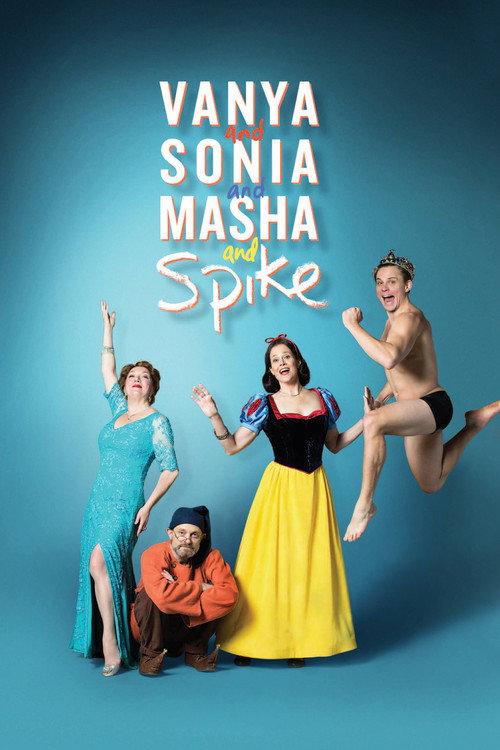
Vanya and Sonia and Masha and Spike2012
Both are about the marriage and partnership of artists as a form of mutual witness—two people agreeing to pursue beauty in a world that doesn't particularly reward it. Song of Love is tragedy; this is comedy-tragedy. Both honor the choice.
Adapted from Christopher Durang's play about aging artists and the sacrifices they've made for beauty and meaning. It's comedy, but it's comedy about real loss—three people in their 60s recognizing they chose their ambitions over comfortable lives, with no regrets and no consolation.
But It's theatrical in a way that can feel stagey on screen. The humor is specific to a certain sensibility; if you don't find it funny, the sentimentality underneath becomes overwhelming.
People
Cast
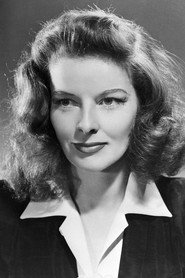 Katharine HepburnClara Wieck Schumann
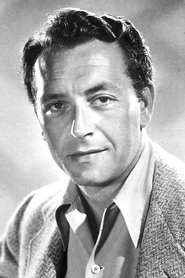 Paul HenreidRobert Schumann
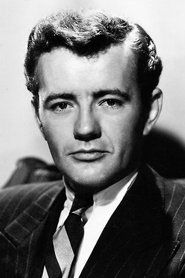 Robert WalkerJohannes Brahms
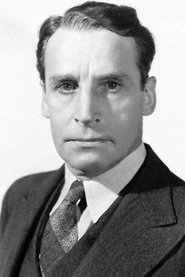 Henry DaniellFranz Liszt
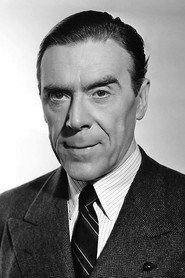 Leo G. CarrollProfessor Wieck
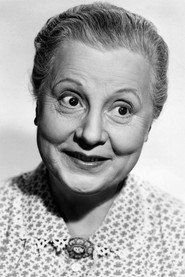 Elsa JanssenBertha
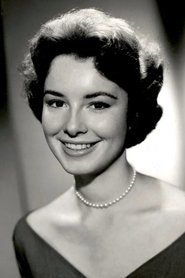 Gigi PerreauJulie
- 'Tinker' FurlongFelix Schumann
 Ann CarterMarie Schumann
 Janine PerreauEugenie Schumann
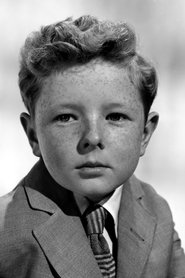 Jimmy HuntLudwig Schumann
- Anthony SydesFerdinand Schumann
Directing
- Clarence BrownDirector
Writing
- Allen VincentWriter
- Irma von CubeWriter
- Ivan TorsWriter
- Robert ArdreyWriter
Production
- Clarence BrownProducer