
Film
Sylvia
Sylvia charts the intensely creative and deeply destructive marriage between poet Sylvia Plath and Ted Hughes. It's a chamber drama about ambition, infidelity, and the collision of two brilliant, volatile people. Gorgeously shot and psychologically acute, it's for anyone fascinated by the high cost of genius and the wreckage left behind.
Should you watch it?
Watch it if you are drawn to biographical films about difficult artistic marriages, where the friction between two gifted, combustible people matters more than plot, and you don't mind sitting close to a volatile relationship.
Skip it if you want a loose, lyrical portrait of the poetry itself, since this stays tightly inside the couple's rows and can feel talky and confined in its middle stretch.
What it asks of you: Settle in for just under two hours of close, unhurried domestic scenes, where the mood stays heavy and the attention needed is steady rather than showy.
Not sure? Find tonight's pick in a minute.
If you liked this
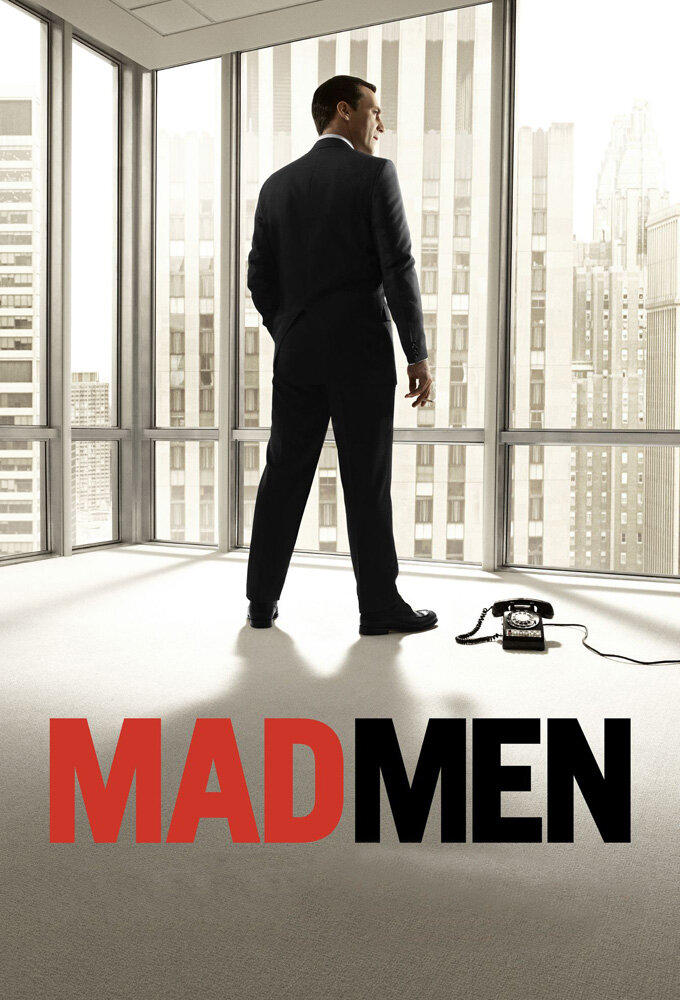
Mad Men2007
Like Sylvia, it excavates the psychology of ambitious, talented people corroded by their era's constraints and their own appetites. The show's visual precision and moral complexity mirror the film's approach to biography as intimate drama rather than hagiography.
But It unfolds slowly across ten seasons rather than ninety minutes, and some find its deliberate pacing exhausting rather than meditative.
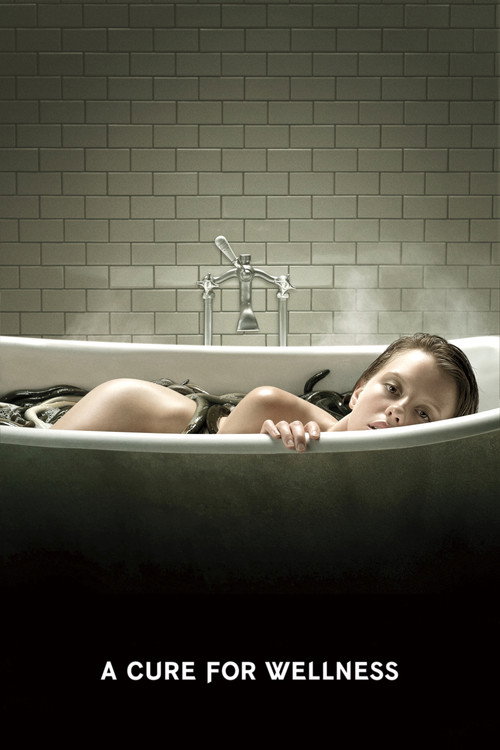
A Cure for Wellness2017
Shares Sylvia's lush, feverish visual style and its interest in brilliant people unraveling in environments that promise healing but deliver something darker. Both are psychologically baroque without ever becoming unmoored from character.
But It's a Gothic horror-thriller rather than intimate biography, and some viewers find its visual excess overwrought compared to what the story needs.
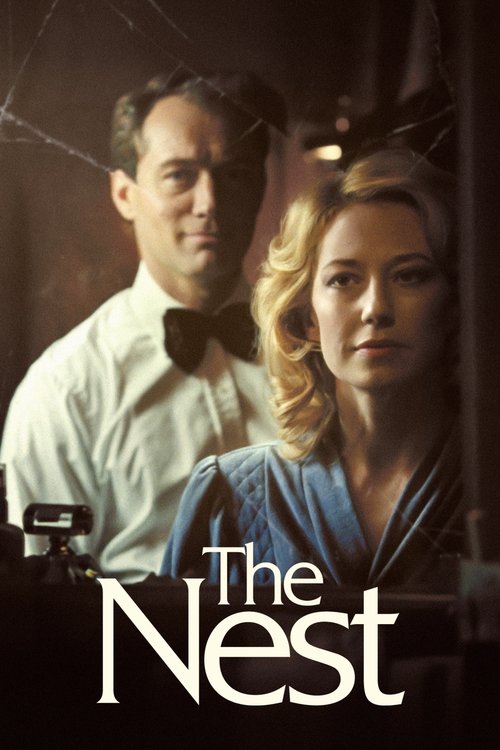
The Nest2020
Another portrait of a marriage collapsing under the weight of ambition, resentment, and infidelity. Like Sylvia, it's interested in the specific texture of how two people destroy each other, shot with precision and restraint.
But It's quieter and slower than you might expect, and the husband's behavior makes it genuinely uncomfortable to sit with—no catharsis.
Not sure tonight? Get a pick in a minute, starting from Sylvia
The wildcard
Something you would not have found on your own.
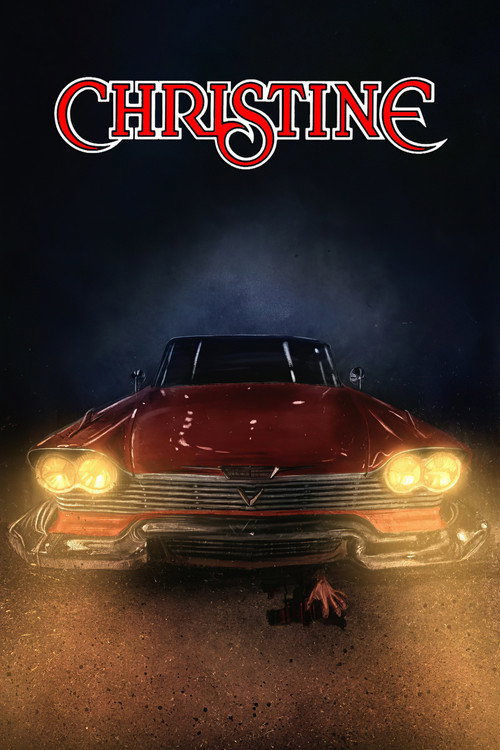
Christine1983
Both chart how intimacy becomes imprisonment, and both understand that the problem isn't the other person—it's that the coupling itself is fundamentally wrong.
John Carpenter's film about a car (yes, a car) is a portrait of obsession and possession that's structurally and thematically identical to Sylvia's marriage: two entities that should enhance each other become mutually annihilating. It's genre material elevated by craft.
But It's a horror-thriller, not a prestige drama, and if you're not invested in its pulp machinery the metaphor collapses into camp.
More like this (7)
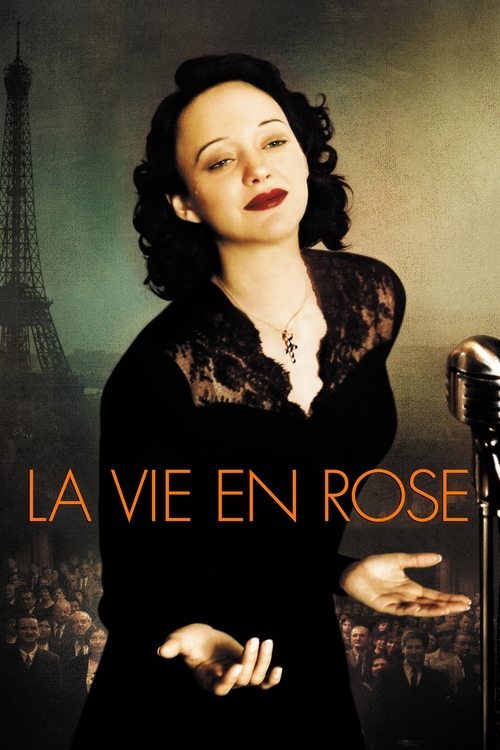
La Vie en Rose2007
Another biographical film about a brilliant, troubled artist and her romantic entanglements, but where Sylvia is restrained, this is operatic. Marion Cotillard's performance is pyrotechnic in the way Paltrow's is controlled.
But The emotional register is so high and the editing so propulsive that subtlety vanishes; some find it exhausting rather than moving.
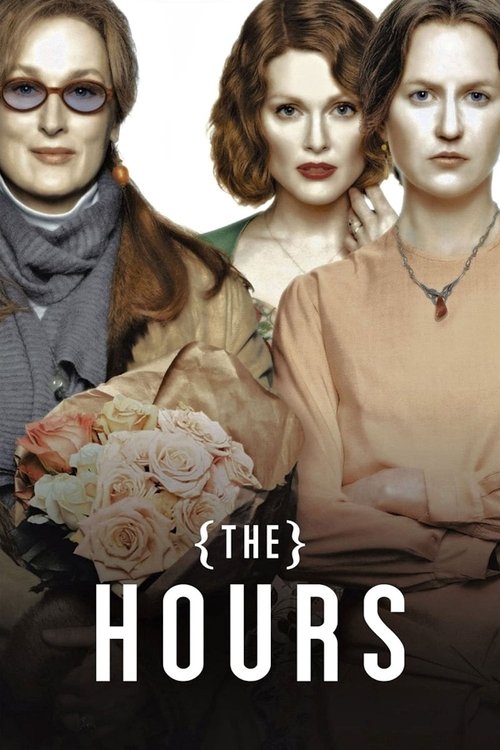
The Hours2002
Structured like Sylvia—intimate, literary, about female creativity and despair—but it braids three women's stories across decades. Both films understand that depression and artistry aren't separate but interwoven.
But It's deliberately artificial and theatrical, which some experience as pretentious rather than heightening.
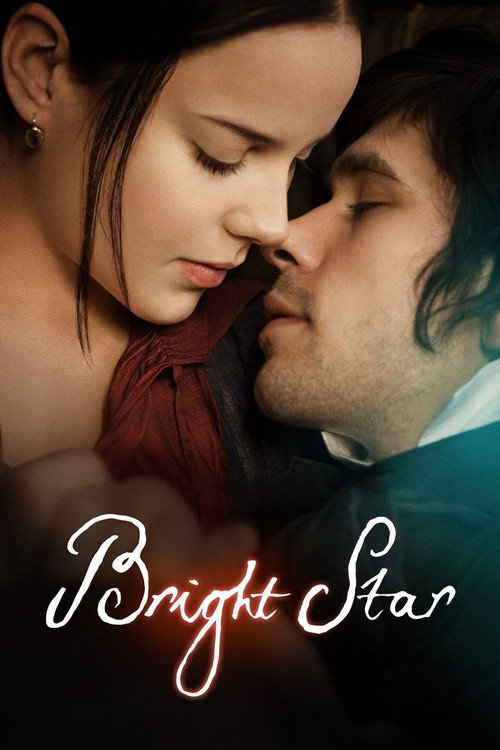
Bright Star2009
Jane Campion's film about the poet Keats and his relationship with Fanny Brawne is similarly interested in how love and art collide. It has Sylvia's visual grace and its own quiet devastation.
But It moves like a poem rather than a plot, which means there's almost no momentum—if you need things to happen, this will frustrate you.
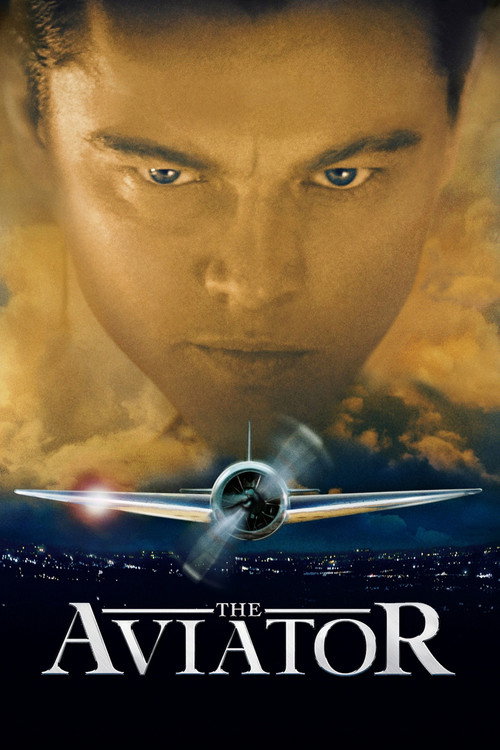
The Aviator2004
Another portrait of obsessive genius meeting private collapse, with that same split-screen attention to what someone is building professionally while their interior life combusts. Scorsese's craft here is as precise as Sylvia's.
But At two hours forty, it's exhausting, and DiCaprio's performance can feel showy alongside the intimate scale of Paltrow's work in Sylvia.
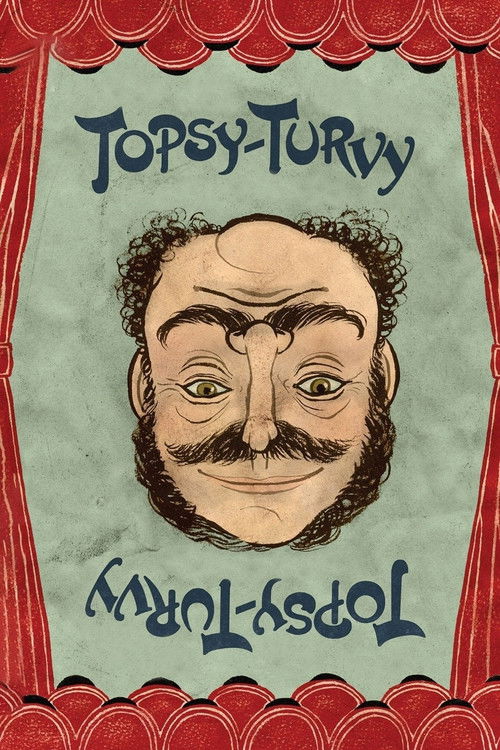
Topsy-Turvy1999
Mike Leigh's film about Gilbert and Sullivan's creative partnership. Like Sylvia, it's fascinated by how two brilliant people can work together and simultaneously damage each other. The writing is extraordinary.
But It's lengthy, British, focused on theater history, and moves at Leigh's deliberately digressive pace—not for anyone wanting straight narrative.
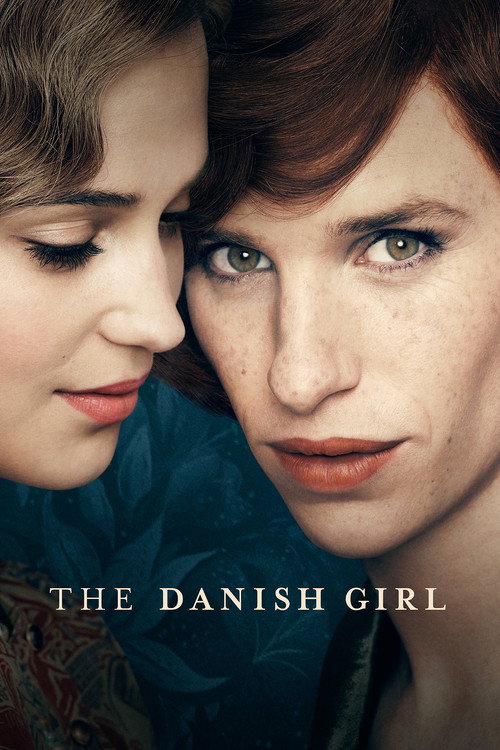
The Danish Girl2015
Another chamber drama about an unusual marriage under stress, with similar visual elegance and interest in how intimacy curdles. Alicia Vikander gives a performance of quiet observation.
But The film has been critiqued for oversimplifying its subject, and some find it prettifies trauma rather than reckoning with it honestly.
Moonlight2016
Both films trust visual storytelling and understand that the deepest injuries happen in private, between two people, and are therefore nearly impossible to articulate.
Three chapters of one life, shot with such tenderness and precision that every glance means something. Like Sylvia, it's interested in how desire and identity are made (and unmade) through relationship. The visual restraint here is extraordinary.
But It's a slow, quiet meditation on masculinity and desire; plot is almost immaterial, and some find that approach alienating rather than intimate.

People
Cast
 Gwyneth PaltrowSylvia Plath
 Daniel CraigTed Hughes
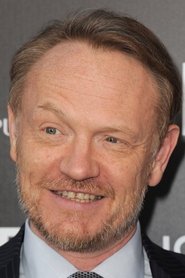 Jared HarrisAl Alvarez
 Amira CasarAssia Wevill
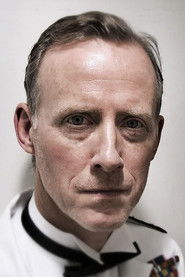 Andrew HavillDavid Wevill
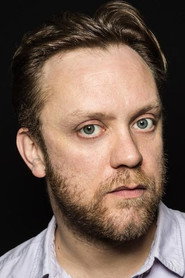 Sam TroughtonTom Hadley-Clarke
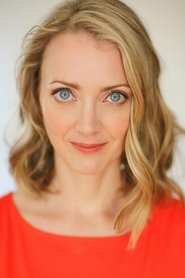 Lucy DavenportDoreen
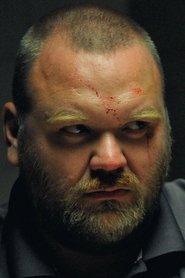 Anthony StrachanMichael Boddy
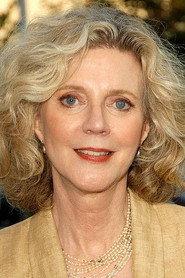 Blythe DannerAurelia Plath
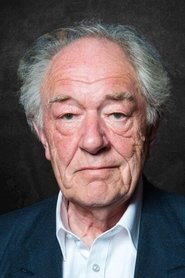 Michael GambonProfessor Thomas
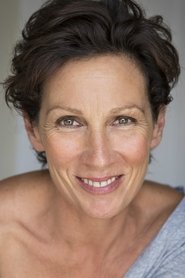 Alison BruceElizabeth
- David Tristan BirkinMorecambe
Directing
- Christine JeffsDirector
Writing
- John BrownlowScreenplay
Production
- Phil RymerAssociate Producer
- Karen Lindsay-StewartCasting
- Neris ThomasCo-Producer
- David M. ThompsonExecutive Producer
- Jane BarclayExecutive Producer
- Robert JonesExecutive Producer
- Sharon Harel-CohenExecutive Producer
- Tracey ScoffieldExecutive Producer
- Ian GibbonsLine Producer
- Mary RichardsLine Producer
- Tim ColeLine Producer
- Alison OwenProducer