
Film
La Vie en Rose
Marion Cotillard embodies Edith Piaf in this ravishing biographical drama that moves between the singer's impoverished childhood and her triumphant rise to international fame. It's a film about survival, hunger—for love, for music, for escape—and the price of immortality. Visually sumptuous and emotionally raw, it's for anyone who loves bold performances and stories of transformation.
Should you watch it?
Watch it if you want a big, messy, emotional portrait of a performer where the music and the chaos are inseparable, and you don't mind a star turn carrying the whole picture.
Skip it if you prefer tidy, chronological biopics with restrained storytelling, since this one leaps around its timeline and runs past two and a quarter hours.
What it asks of you: A lot of ground to cover: hardship, excess and sudden time jumps you must keep track of, all delivered at a heavy, unhurried pace.
Not sure? Find tonight's pick in a minute.
If you liked this
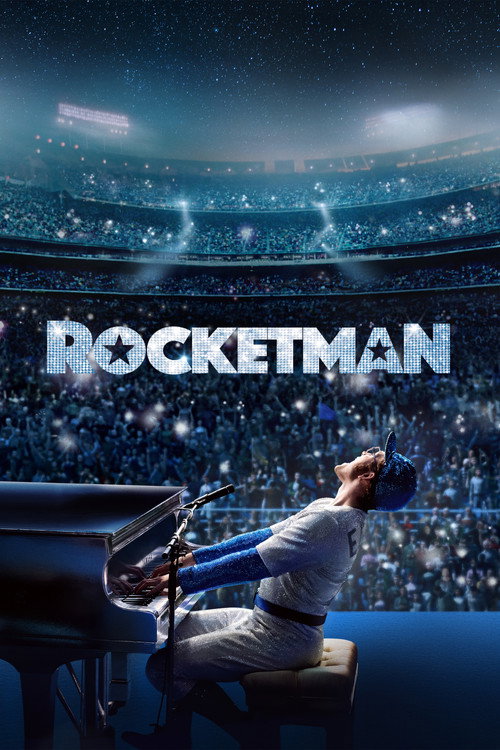
Rocketman2019
A musical biopic with real visual flair and emotional honesty. Like La Vie en Rose, it traces a lonely child's ascent to stardom, anchored by a fearless lead performance that earned major awards recognition.
But The jukebox-musical style with songs interrupting the narrative won't appeal if you prefer straightforward storytelling. Some find it manipulative rather than moving.
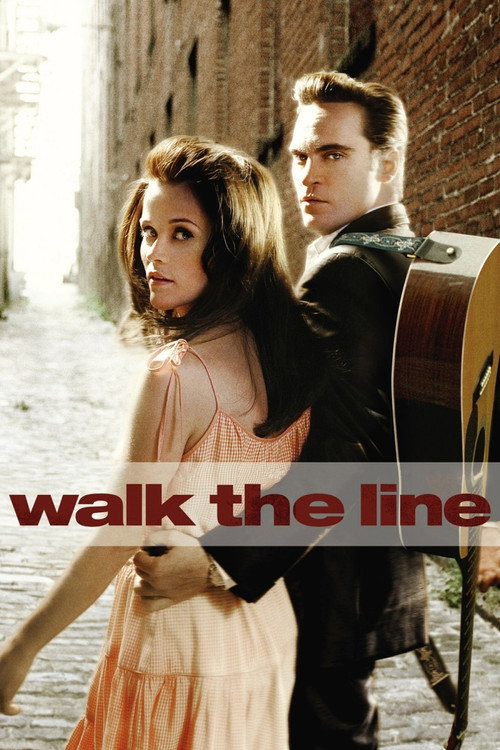
Walk the Line2005
Joaquin Phoenix and Reese Witherspoon deliver raw, lived-in performances as Johnny and June Carter. Like Piaf's story, it's about artistic brilliance shadowed by addiction, loss, and redemption through music.
But Follows a fairly conventional biopic template. The second half retreats into familiar beats about recovery and reconciliation that feel earned but predictable.
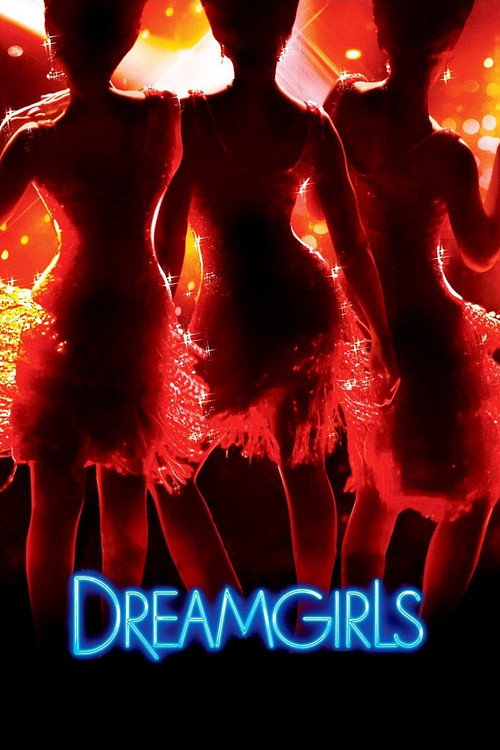
Dreamgirls2006
A technicolor explosion about three Black women rising from nothing to become superstars. Shares Piaf's interest in how fame rewrites your life, with stunning musical numbers and genuine emotional stakes beneath the glamour.
But The plot hinges on romantic betrayal that some find reductive. The film is long and can feel overstuffed, with certain character arcs undercooked.
Not sure tonight? Get a pick in a minute, starting from La Vie en Rose
The wildcard
Something you would not have found on your own.
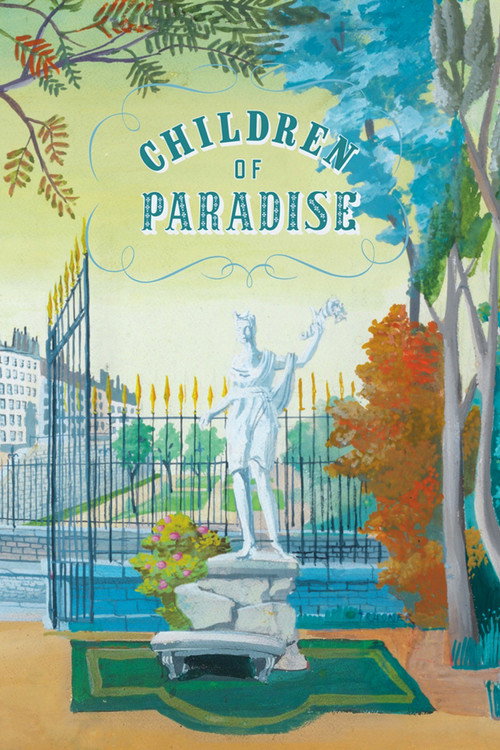
Children of Paradise1945
Both are French films about artists finding meaning and immortality through performance in a city defined by beauty and poverty. Both use their era's visual style to make the past feel vivid and immediate rather than quaint.
Made during Nazi occupation, Carné's masterpiece is about theatre, love, and art as the only dignity left when the world burns. It shares La Vie en Rose's Paris, its romantic fatalism, and its belief that beauty matters most when life is cheapest.
But It's a 1945 French film of 187 minutes with subtitles. The pacing is deliberate, the mood is melancholic, and it demands active attention throughout.
More like this (8)
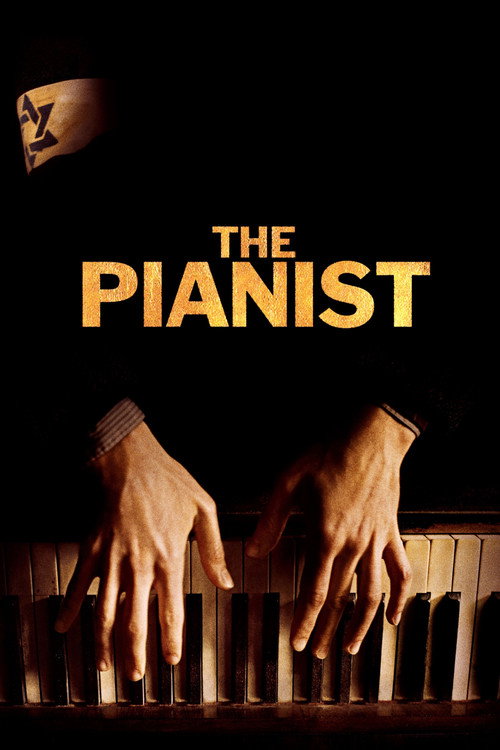
The Pianist2002
Adrien Brody's haunting performance as a musician surviving Warsaw's horrors. Both films show how art becomes an act of resistance and salvation when everything else is stripped away. Deeply human without sentimentality.
But It's a Holocaust film of unflinching bleakness. The pacing is deliberate and contemplative rather than dramatic, which can feel slow.
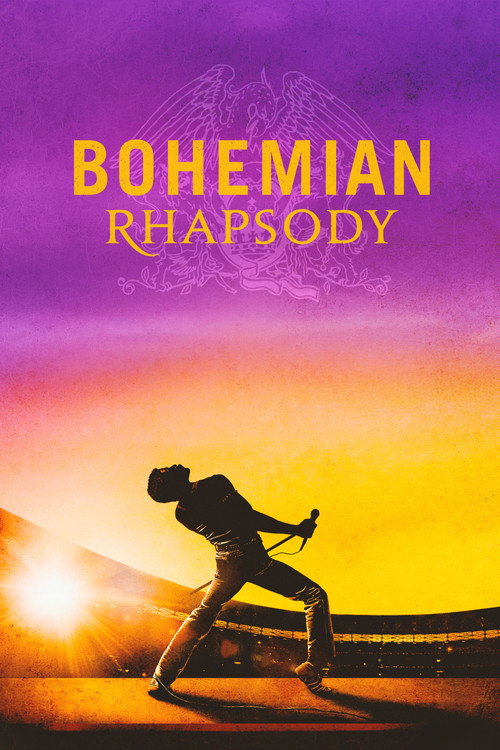
Bohemian Rhapsody2018
Rami Malek channels Freddie Mercury's defiance and hunger with magnetic intensity. Like La Vie en Rose, it's a visually dynamic film about an outsider who becomes a legend through sheer force of personality and talent.
But The biopic beats feel formulaic—troubled childhood, rise, excess, redemption. The film sanitises some of Mercury's story and plays it safer than his life deserved.
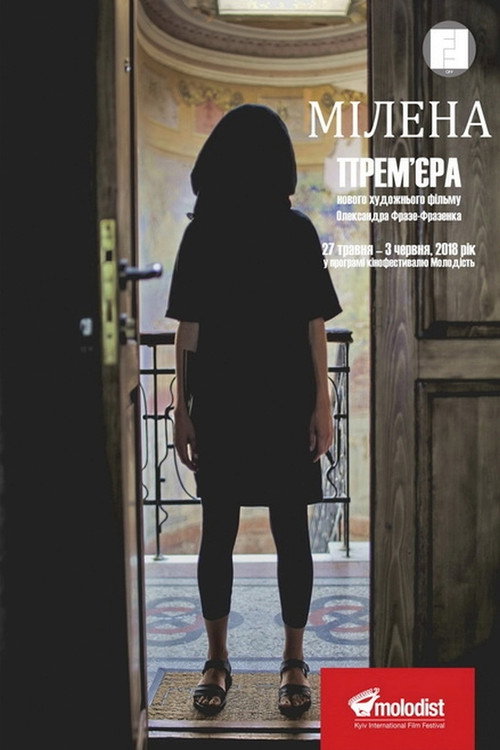
Milena2018
A Czech film about a remarkable woman from poverty who became an intellectual force. Handsomely made and deliberately paced, it shares Piaf's interest in how survival shapes an artist's soul.
But It's dialogue-heavy with long stretches of quiet introspection. The historical context may feel distant unless you know Czech cinema or Milena Jesenská's biography.
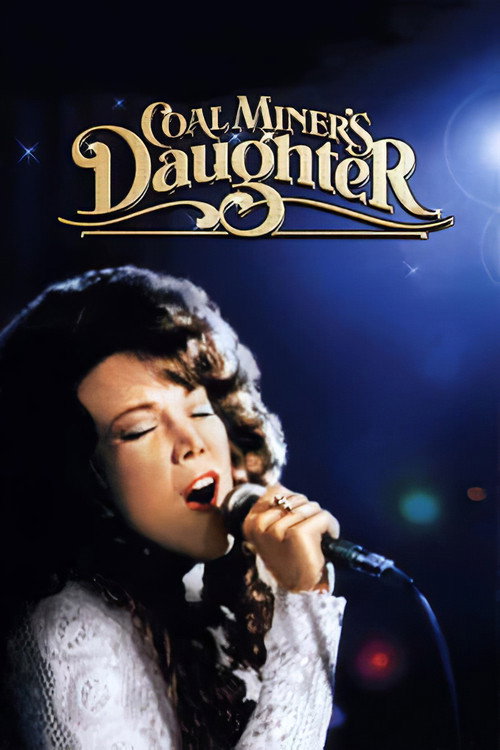
Coal Miner's Daughter1980
Sissy Spacek's luminous performance traces Loretta Lynn from Appalachian poverty to country music royalty. A tender, unsentimental portrait of a woman who sang her way out. The emotional core rivals La Vie en Rose.
But It's deeply embedded in Americana and country music culture. If that world doesn't speak to you, the film can feel provincial despite its craft.
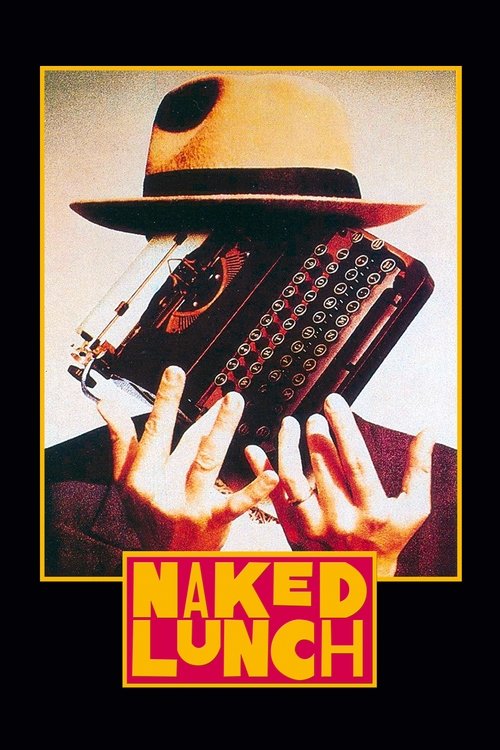
Naked Lunch1991
Cronenberg's hallucinogenic adaptation of Burroughs captures the sensory chaos and self-destruction of artistic brilliance. Like La Vie en Rose, it's visually baroque and uninterested in making genius palatable or redemptive.
But Surrealist, sexually graphic, and narratively difficult. It's aggressively avant-garde; calling it a 'biopic' is generous. Most viewers will find it alienating.
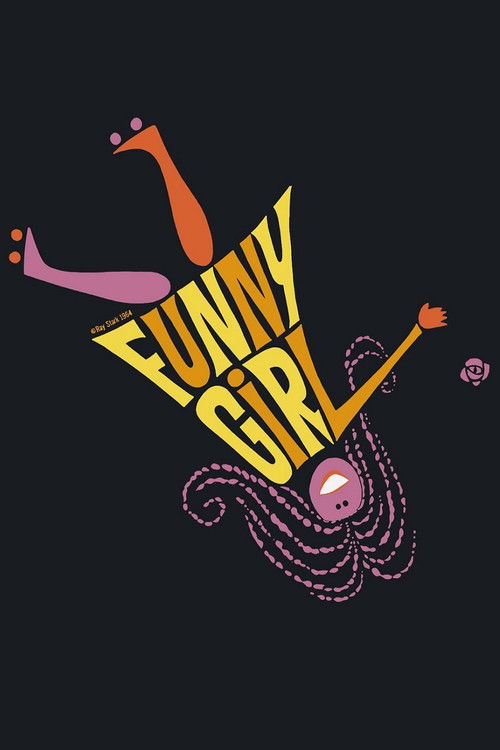
Funny Girl1968
Barbra Streisand's debut is a Technicolor love letter to a comedian's rise and heartbreak. Old Hollywood glamour with genuine pathos; Streisand's voice and presence recall Piaf's magnetic defiance.
But It's a product of its era's sentimentality about love conquering all. The pacing sags in the second half, and the romantic resolution undercuts the character's strength.
The Red Shoes1948
Both films argue that art—whether song or dance—can be a form of transcendence so complete it becomes indistinguishable from suffering. Both use colour and movement to visualise what cannot be explained.
Powell and Pressburger's fever dream about a dancer torn between love and her calling. The final 20 minutes are cinema at its most visceral. Like Piaf's story, it's about what artistic ambition costs, told through performance so beautiful it hurts.
But It's not naturalistic. The ballet sequences are surreal and symbolic; if you want realism, this film actively rejects that. Some find it overwrought rather than profound.

Synecdoche, New York2008
Both examine the relationship between biography and performance—the extent to which artists weaponise their own suffering to create immortal work. Both suggest that the price of that immortality is isolation and the erasure of the person beneath the legend.
Kaufman's elliptical masterpiece about an aging theatre director creating a labyrinthine play-within-a-play. It's about how artists obsessively transform their pain into art, endlessly, until the line between life and creation dissolves entirely.
But It's notoriously opaque and self-referential. The narrative is fragmented and dreamlike; many viewers find it frustratingly incomplete or self-indulgent. It doesn't offer easy catharsis.

People
Cast
 Marion CotillardEdith Piaf
 Sylvie TestudSimone 'Mômone' Berteaut
 Pascal GreggoryLouis Barrier
 Emmanuelle SeignerTitine
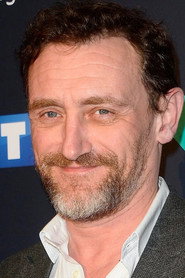 Jean-Paul RouveLouis Gassion
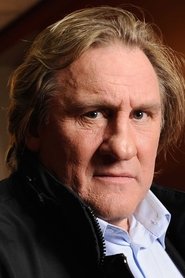 Gérard DepardieuLouis Leplée
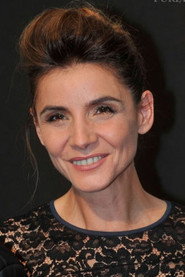 Clotilde CourauAnnetta Gassion
 Jean-Pierre MartinsMarcel Cerdan
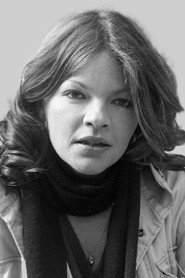 Catherine AllégretLouise Gassion
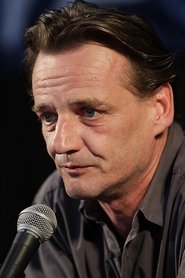 Marc BarbéRaymond Asso
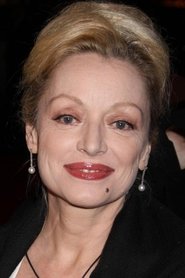 Caroline SilholMarlene Dietrich
 Manon ChevallierEdith - 5 years old
Directing
- Olivier DahanDirector
- Virginie Le PionnierScript Supervisor
Writing
- Camille FrançoisLyricist
- Isabelle SobelmanScreenplay
- Olivier DahanScreenplay
Production
- Alex JohnsonCasting
- Olivier CarboneCasting
- Alain GoldmanProducer
- Michal PřikrylProduction Manager
Recommended by
Walk the Line, Judy, Their Finest, What's Love Got to Do with It, Sylvia, Frida, Sweet Dreams, Summer Stock, Ladies in Black