
Film
The Buccaneer
Other titles called The Buccaneer: the 1938 film.
A Technicolor adventure about the pirate Jean Lafitte caught between loyalty and survival during the War of 1812. Yul Brynner commands the screen with rakish charm as Lafitte; Charlton Heston arrives as Andrew Jackson. It's sweeping, romantic, and earnest—the kind of film that treats history as an occasion for heroism and handsome men making difficult choices. For those who want spectacle and sentiment without irony.
If you liked this
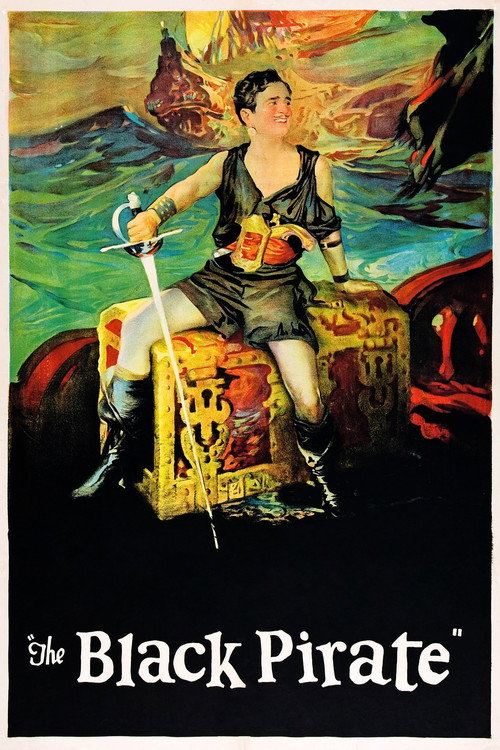
The Black Pirate1926
Douglas Fairbanks as a nobleman-turned-pirate in an early Technicolor adventure. The same DNA: swashbuckling romance, moral ambiguity dressed as adventure, a charismatic lead caught between worlds. Fairbanks moves like he's dancing.
But It's nearly a century old and silent. The pacing belongs to another era, and no amount of charm can make you forget you're reading subtitles.
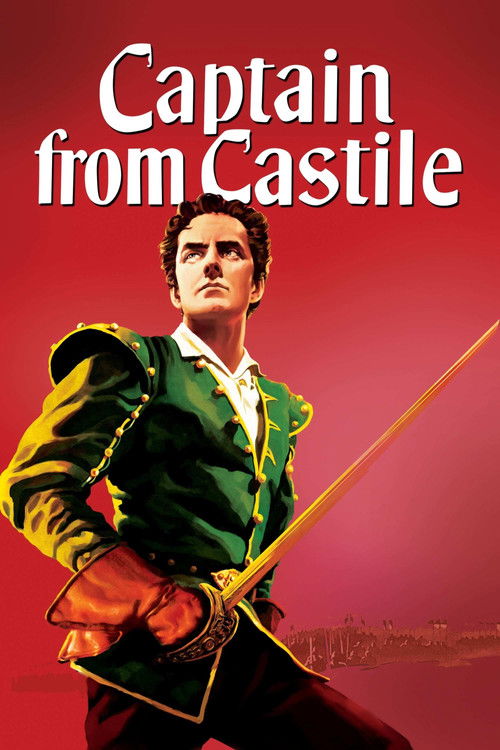
Captain from Castile1947
Tyrone Power in Mexico with Ava Gardner, conquest and conscience tangled together, shot in rich colour. Henry King's direction has the same sweep as The Buccaneer, and it shares that mid-century Hollywood conviction that adventure and morality can kiss.
But The colonial politics haven't aged well. The film's romantic view of conquest reads very differently now than it did in 1947, and the seams show.
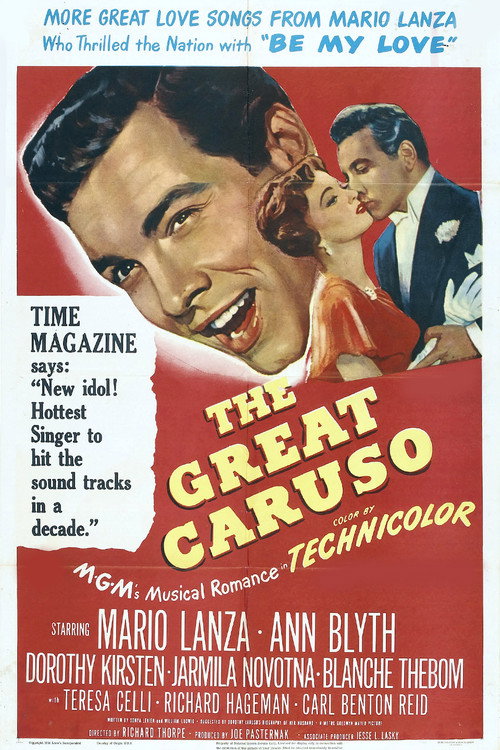
The Great Caruso1951
Mario Lanza as the legendary tenor in a lavish, unapologetic historical romance. Not a pirate film, but the same spirit: operatic emotion, gorgeous Technicolor, and a charismatic man dealing with fame and duty. Lanza's voice is extraordinary.
But It's sentimental to a degree that will embarrass some viewers. If you need your drama to maintain a certain ironic distance, this will feel like drowning in honey.
Not sure tonight? Get a pick in a minute, starting from The Buccaneer
The wildcard
Something you would not have found on your own.
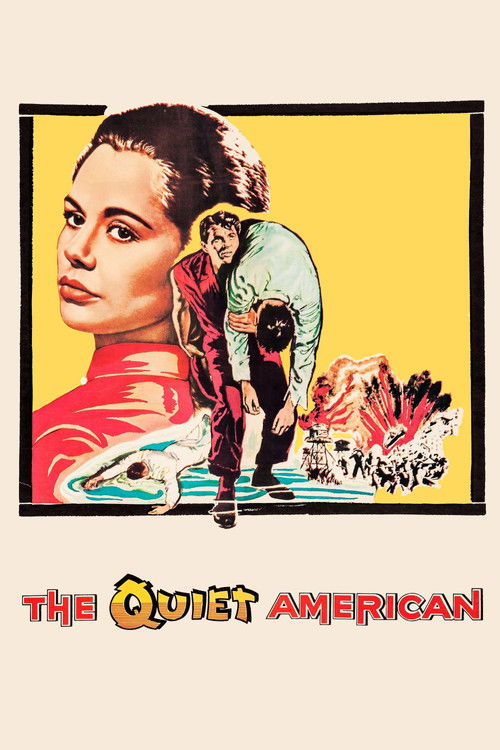
The Quiet American1958
Both ask whether a man can serve two powers; Buccaneer says yes with romance, Quiet American says no with irony.
Michael Redgrave and Audie Murphy in a spy story about divided loyalties and American intervention in Indochina. Made the same year as The Buccaneer, but the opposite register: morally ambiguous, politically sharp, treating idealism as a liability rather than destiny. It's about the cost of principle, not its reward.
But It's slow and interior. If you want Technicolor and action, this will feel like watching paint dry. The politics are also unflinching in ways that Buccaneer avoids.
More like this (8)
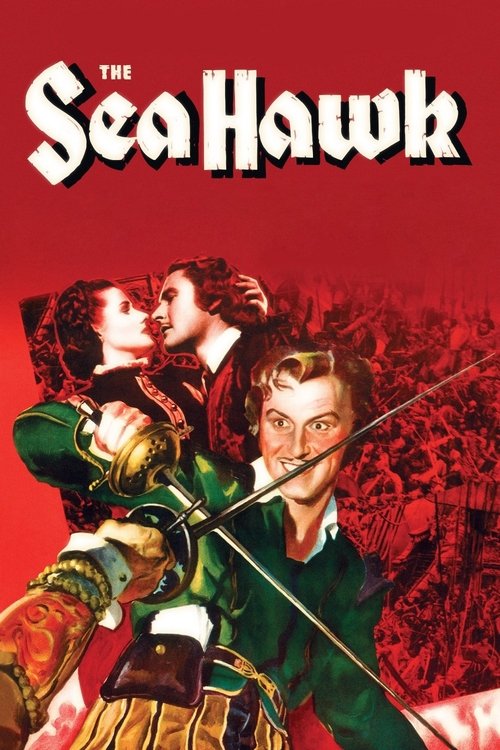
The Sea Hawk1940
Errol Flynn as a privateer against Spain, all swishing capes and witty defiance. The template for Lafitte-style heroes: charming outlaws who serve a higher cause. Michael Curtiz directs with style, and the action still moves.
But The print quality on most available versions is poor, and the dialogue occasionally creaks. Some of the supporting performances tip into pantomime.
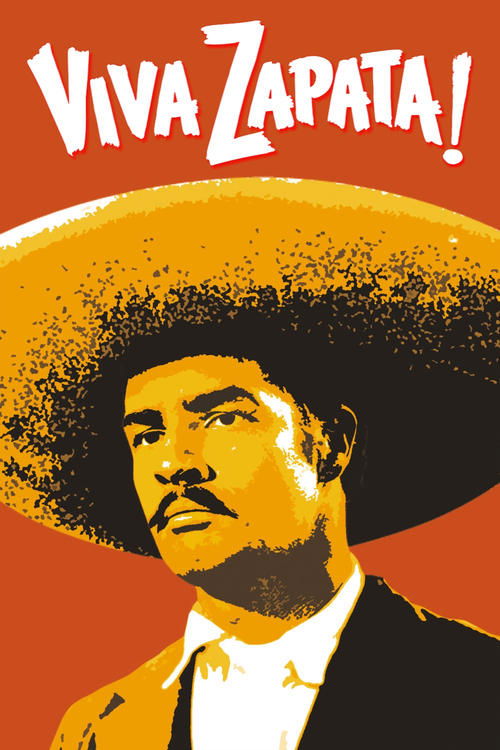
Viva Zapata!1952
Marlon Brando and Anthony Quinn in a more serious historical drama about a man caught between revolution and principle. Elia Kazan's direction gives weight to the moral compromise that Buccaneer treats more lightly. Brando is extraordinary.
But It's a slower, grittier film with less spectacle and romance. If you're here for adventure, this will feel like homework by comparison.
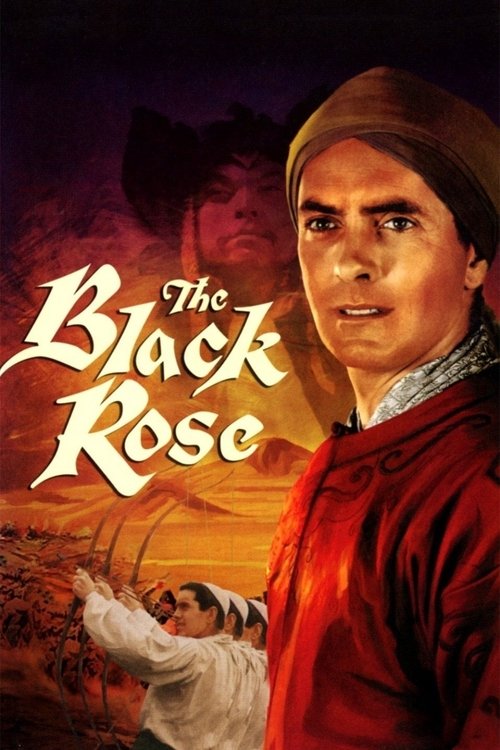
The Black Rose1950
Tyrone Power and Orson Welles in a medieval adventure with Technicolor romance and Welles stealing every scene. The same collision of ambition, loyalty, and spectacle, with better acting support than most of its peers.
But The plot is serviceable at best, and the film sometimes seems more interested in showing off its production design than telling a coherent story.
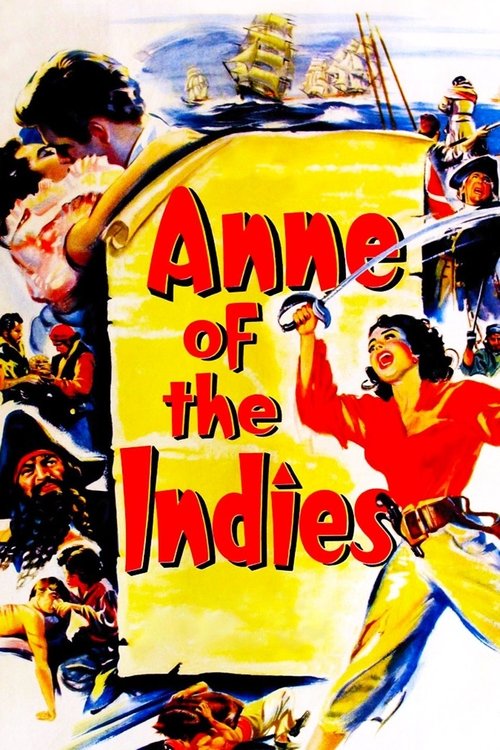
Anne of the Indies1951
Jean Peters as a female pirate captain with honour and complications. It flips the gender of the Lafitte archetype—the outlaw with a code, the charming rogue caught between worlds. Colour cinematography and genuine action sequences.
But It's less well-known than the Errol Flynn films, and the print quality varies. Some viewers find the romantic subplot distracting from the better material.
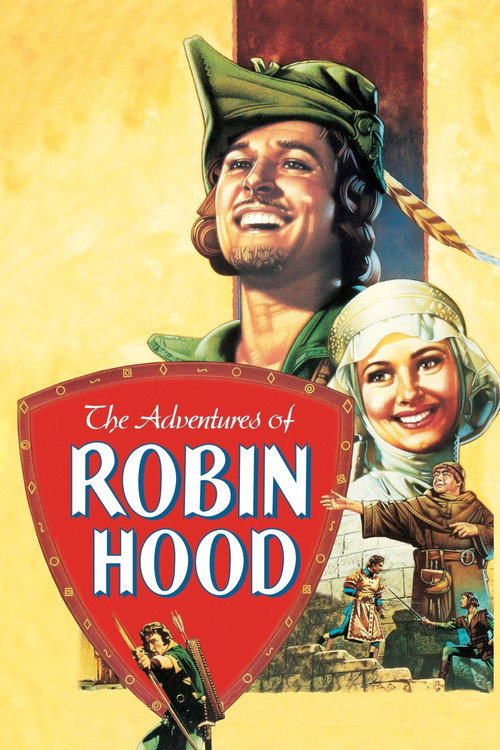
The Adventures of Robin Hood1938
Errol Flynn in the definitive version, shot in three-strip Technicolor that still dazzles. The outlaw-with-honour template that all these films inherit. Curtiz and Keighley direct with wit and energy that rarely flags.
But At over two hours, it's longer than many modern audiences expect for an adventure. Some comic relief hasn't aged gracefully.
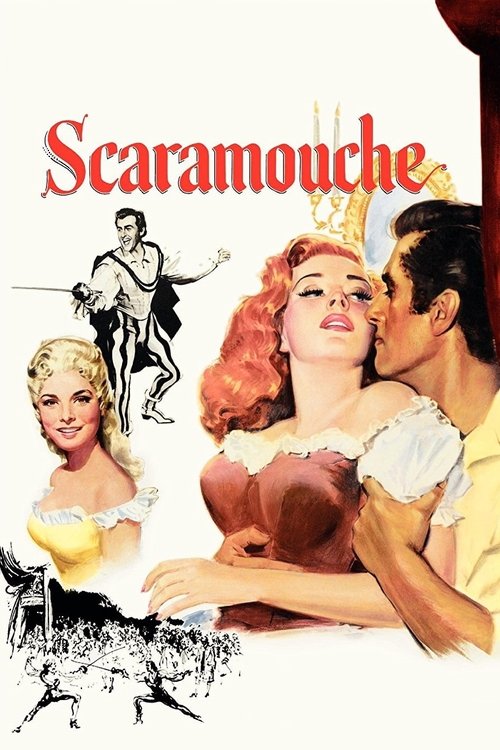
Scaramouche1952
Stewart Granger as a man becoming a hero through wit and swordplay in revolutionary France. Same era of Technicolor ambition and romantic heroism. The final duel is genuinely thrilling, and Granger has Brynner's kind of magnetic ease.
But The middle section sags, and some viewers will find the tone too light for the historical violence it touches on.
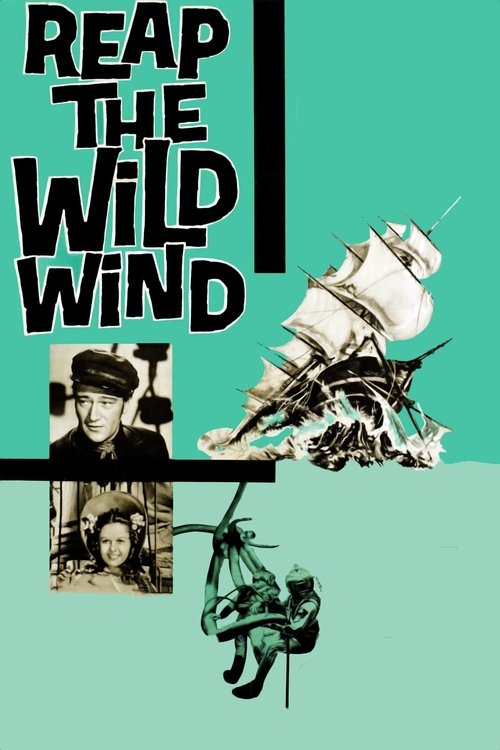
Reap the Wild Wind1942
Both are DeMille-era adventures that believe in honour and colour over character complexity. Buccaneer is its spiritual successor.
Cecil B. DeMille's pirate salvage epic with Ray Milland, Paulette Goddard, and John Wayne. Epic scale, Technicolor richness, and a spectacular underwater wreck sequence that still impresses. It's entertainment as architecture, not psychology.
But DeMille's style is bombastic and campy by design. The dialogue is purple, the logic is loose, and it all moves at the speed of spectacle rather than sense.
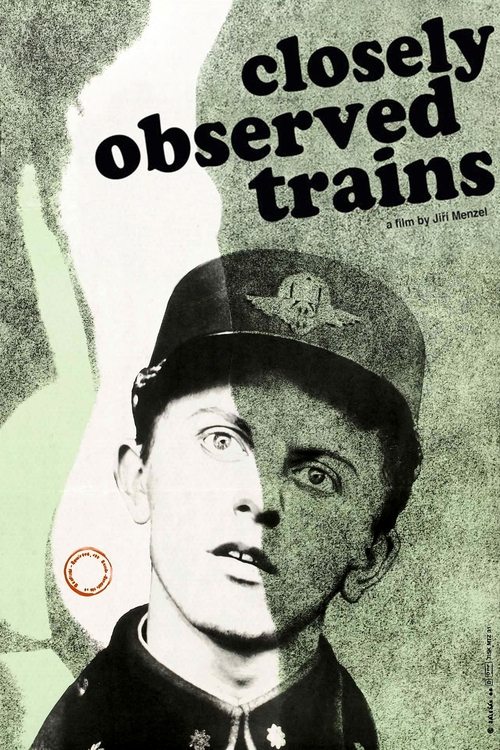
Closely Watched Trains1966
Both centre on a young man's decision to join a fight he didn't start, but Trains treats that choice as tragic where Buccaneer treats it as glorious.
A Czech New Wave film about a young man learning resistance during World War II occupation. Tender, funny, and politically dangerous in ways The Buccaneer never attempts. Black and white, intimate, about small acts of defiance that matter. It shows what European cinema was doing while Hollywood made pirates.
But It's a subtitled foreign film from 1966 with a completely different aesthetic. There's no action spectacle, no Technicolor romance—only wit, melancholy, and the weight of real consequence.
People
Cast
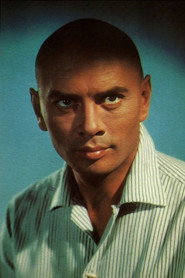 Yul BrynnerJean Lafitte
 Claire BloomBonnie Brown
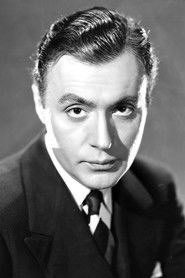 Charles BoyerDominique You
 Inger StevensAnnette Claiborne
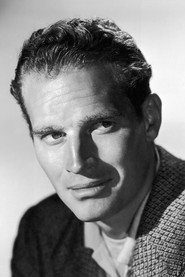 Charlton HestonGen. Andrew Jackson
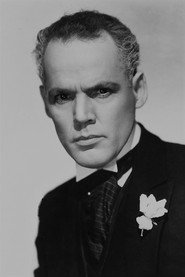 Henry HullEzra Peavey
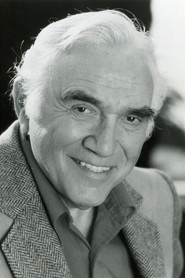 Lorne GreeneMercier
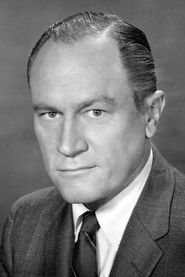 E.G. MarshallGov. William Claiborne
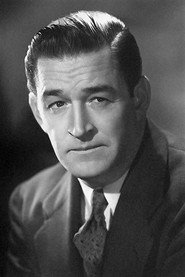 Ted de CorsiaCapt. Rumbo
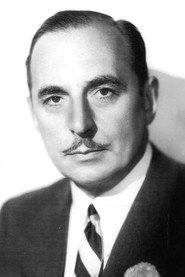 Douglass DumbrilleCollector of the Port
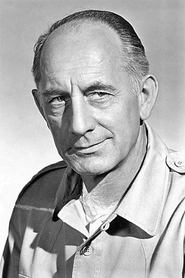 Robert F. SimonCapt. Brown
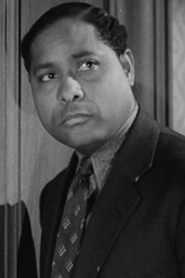 Sir LancelotScipio
Directing
- Anthony QuinnDirector
- Clem JonesSecond Assistant Director
Writing
- Jeanie MacphersonAdaptation
- Lyle SaxonNovel
- Bernice MoskScreenplay
- C. Gardner SullivanScreenplay
- Harold LambScreenplay
- Jesse Lasky Jr.Screenplay
Production
- Cecil B. DeMilleExecutive Producer
- Cecil B. DeMilleProducer