
Film
Anne of the Indies
A 1951 swashbuckler centred on a female pirate captain navigating desire and betrayal on the high seas. Jean Peters commands the screen with considerable charm in a role that treats a woman's agency and command seriously, even as the film indulges in the glossy Technicolor adventure fantasy of the era. It's built for fun rather than credibility.
Should you watch it?
Watch it if you enjoy swashbuckling pirate romances played straight, with sharp sword duels, crowded deck intrigue and a tough heroine who holds her own against the men around her.
Skip it if you want modern pirate spectacle with grit and expensive effects; this is a lean, studio-era costume adventure with stagey dialogue and an 81-minute running time that leaves little room to breathe.
What it asks of you: Settle in for a brisk hour and a bit, with the romance and the swordplay taking turns at the front, and a light, playful tone that rarely asks you to brood.
Not sure? Find tonight's pick in a minute.
If you liked this
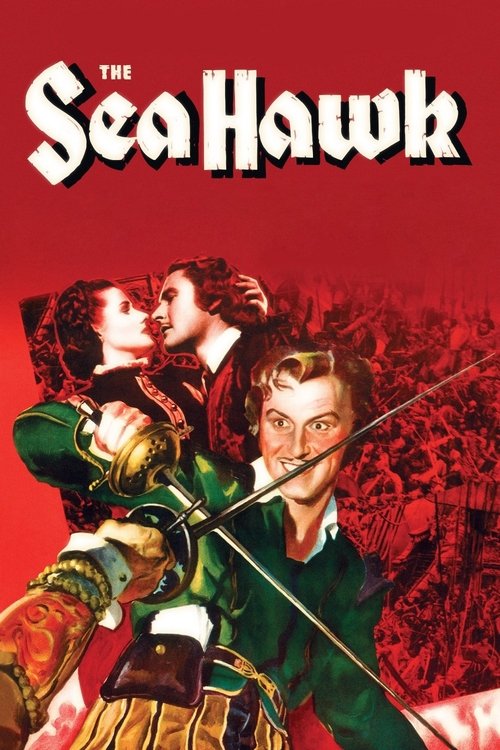
The Sea Hawk1940
Errol Flynn as a privateer fighting Spanish armadas: all rousing sword work, romantic tension, and unabashed adventure cinema. If you want swashbuckling that knows exactly what it is, this is the template Anne of the Indies is working from.
But The pacing sags in the middle, and it's very much a product of 1940s Hollywood attitudes, even at their more progressive.
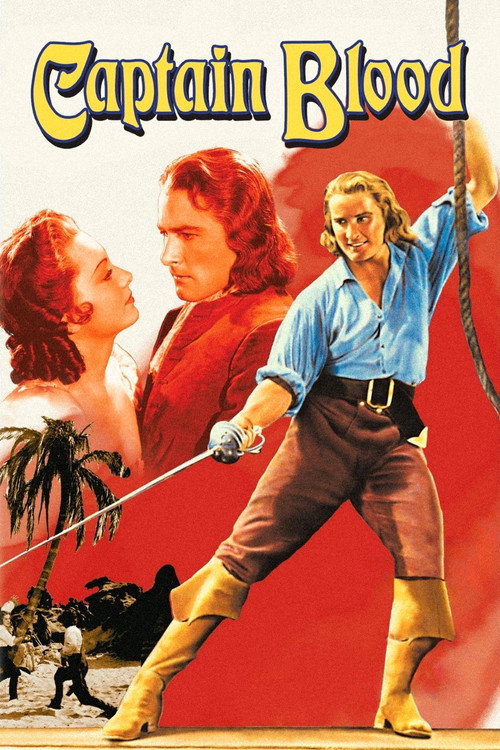
Captain Blood1935
Flynn again, this time as a wronged man turned pirate leader. It's the foundational film for the whole genre—energetic, clever, and genuinely moving about injustice beneath the adventure surface.
But Shot in black and white and at a slower tempo than modern action films; requires patience for the romantic subplot to land.
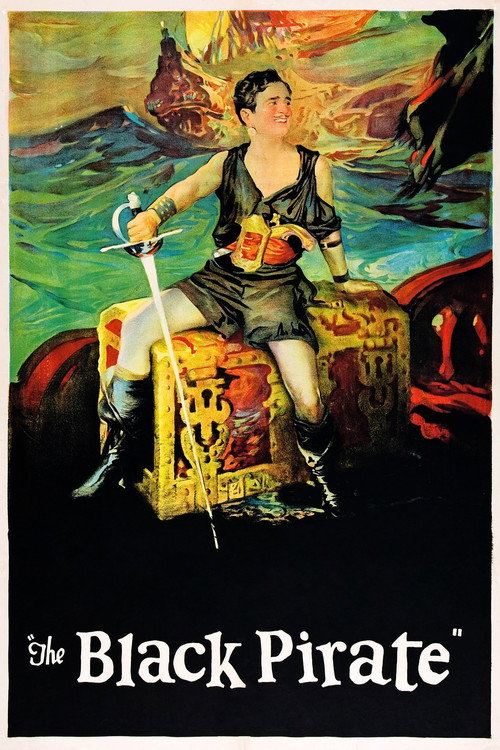
The Black Pirate1926
Douglas Fairbanks in silent-era peak form: acrobatic, inventive, utterly committed to the stunt work. The film moves with extraordinary kinetic energy and genuine visual ingenuity.
But Silent cinema requires a different viewing mode entirely. Some find the acting register jarring; the intertitles interrupt rhythm for modern audiences.
Not sure tonight? Get a pick in a minute, starting from Anne of the Indies
The wildcard
Something you would not have found on your own.
Johnny Guitar1954
Both centre a capable woman in command of men and resources, treating her authority as completely natural. Both are '50s films working against their era's assumptions about who gets to lead.
A Western where a woman (Joan Crawford) runs a saloon, makes all the decisions, and faces down her enemies with absolute command. It's formally strange and thematically radical—Nicholas Ray directing a gender-inverted genre entirely as itself, no apology.
But The film is deliberately artificial and theatrical; the plot is secondary to exploring power dynamics. Some find the stylisation cold.

More like this (8)
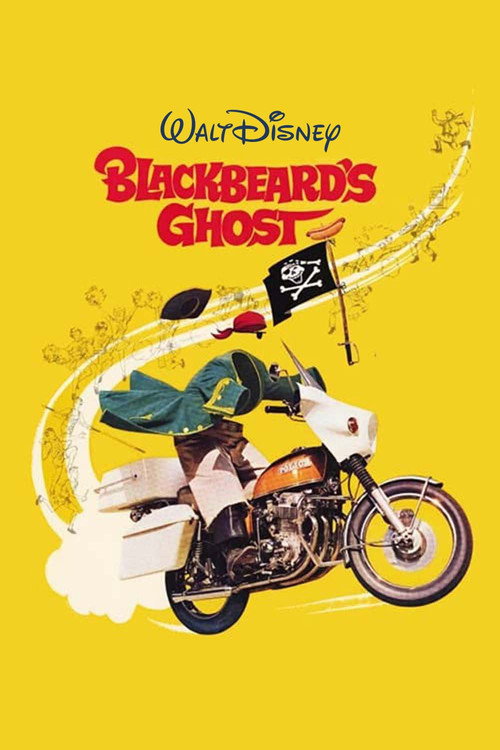
Blackbeard's Ghost1968
Peter Ustinov as Blackbeard's ghost haunting a modern town: a comedy adventure that's genuinely witty and surprisingly touching. Lighter than Anne of the Indies but in the same register of gleeful seafaring fun.
But The special effects are dated in a way that undercuts some of the comedy; it asks you to accept 1960s Disney logic about the supernatural.
Sinbad the Sailor1947
Douglas Fairbanks Jr. in Technicolor fantasy adventure with impossible voyages, magic, and a genuinely likeable roguish hero. The colour work is sumptuous and the whole thing has a confident, playful energy.
But The plot is thin and the women are largely decorative; it's pure adventure fantasy with no real dramatic stakes.
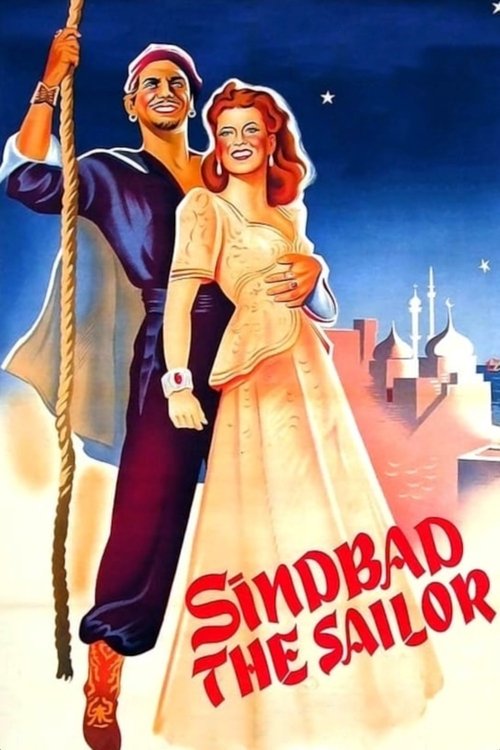
The Crimson Pirate1952
Burt Lancaster as a charming buccaneer in a film that seems to be having as much fun with itself as possible. The acrobatics, the gadgetry, the good humour—it's adventure as playground.
But The tone is so light and cartoonish that dramatic moments don't land; it's all wink and no substance.
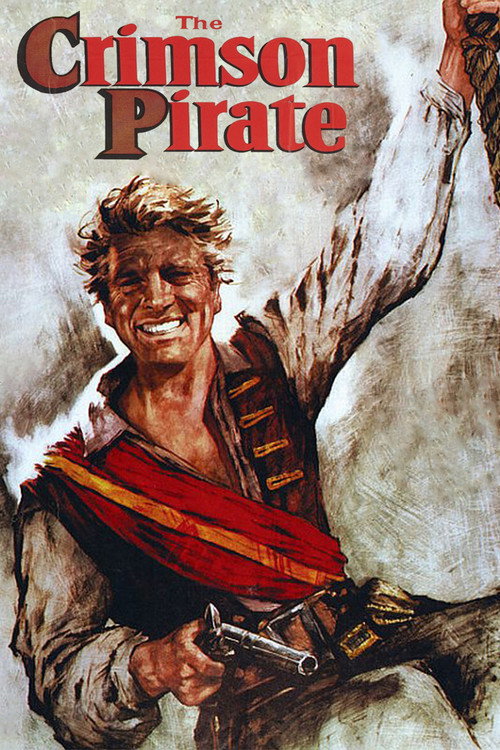
Against All Flags1952
Errol Flynn and Maureen O'Hara in a pirate adventure with actual chemistry, set on a pirate island fortress. It's comfortable in its own skin: fun, well-paced, and genuinely romantic.
But The supporting plot involving O'Hara's secret identity becomes convoluted; some action sequences feel repetitive.
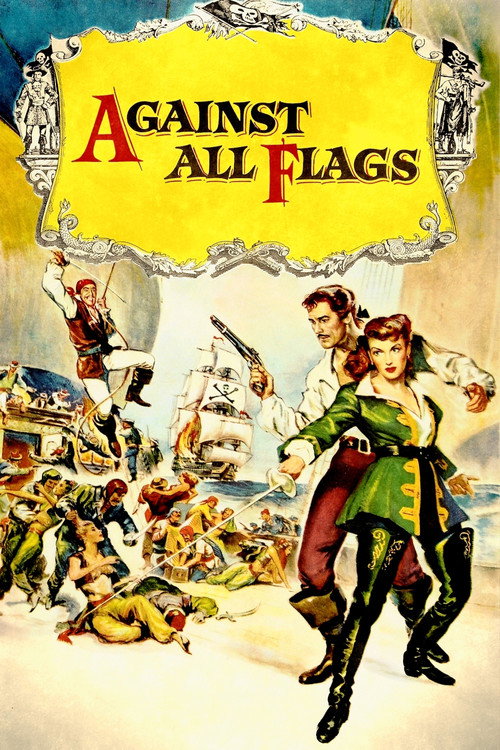
The Spanish Main1945
Paul Henreid and Maureen O'Hara in a Technicolor adventure with gorgeous cinematography and a woman character with agency (by 1945 standards). It's earnest and romantic beneath the swashbuckling.
But The pacing is ponderous by modern standards; the romance can feel overwrought.
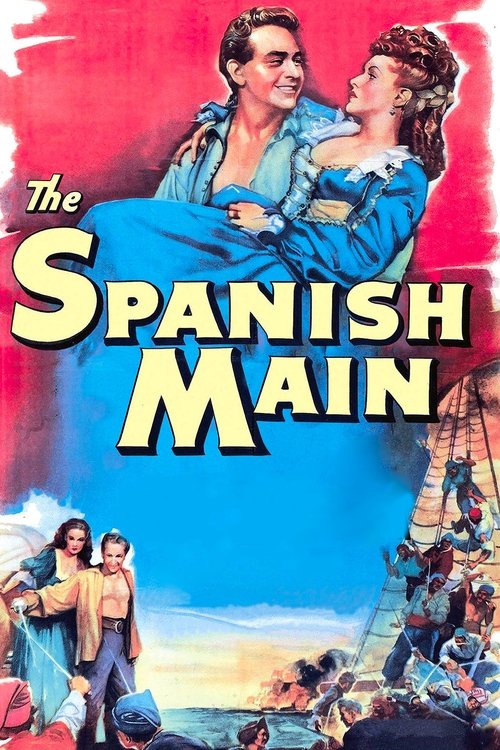
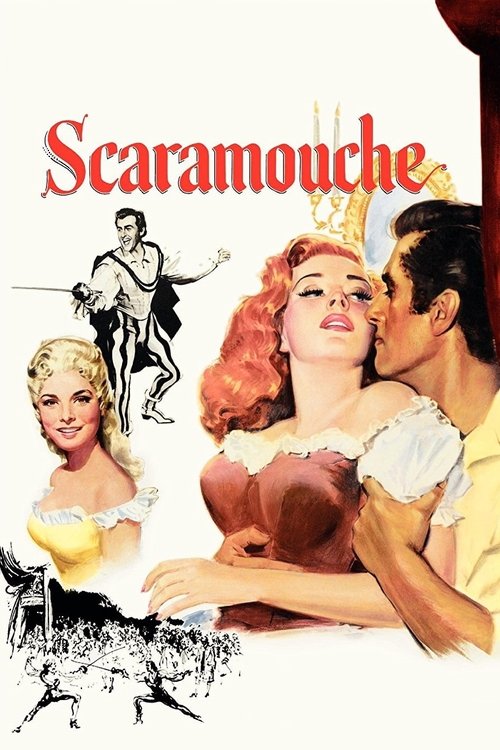
Scaramouche1952
Stewart Granger in a French Revolution adventure with some of the finest sword-fighting ever filmed. The climactic duel is genuinely masterful, and Granger is charming throughout.
But It's a period piece more interested in spectacle than character; the political storyline fades beside the adventure elements.
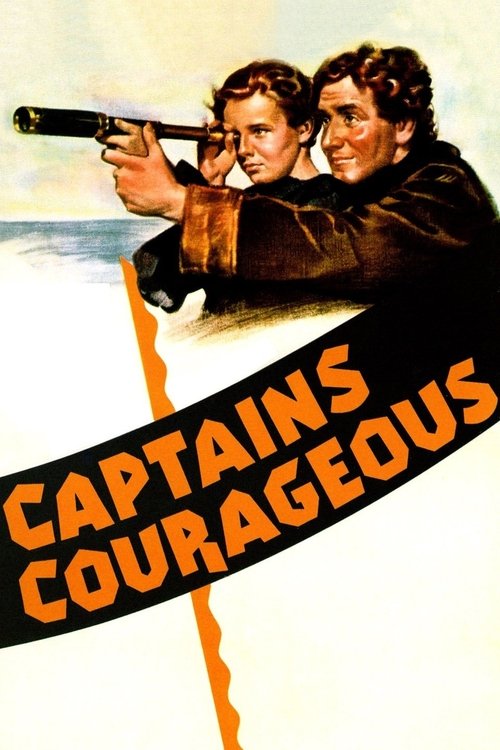
Captains Courageous1937
Both are about captains whose authority comes from absolute competence and command respect through it. One is fantasy, one is realist—they're opposite answers to the same question.
Spencer Tracy as a fishing boat captain teaching a spoiled rich boy how to work and live: a character-driven drama about respect earned through competence. The seafaring backdrop serves genuine emotional weight.
But It's a coming-of-age story, not an adventure film; the ocean is real and working, not romanticised. Heavy on sentiment.
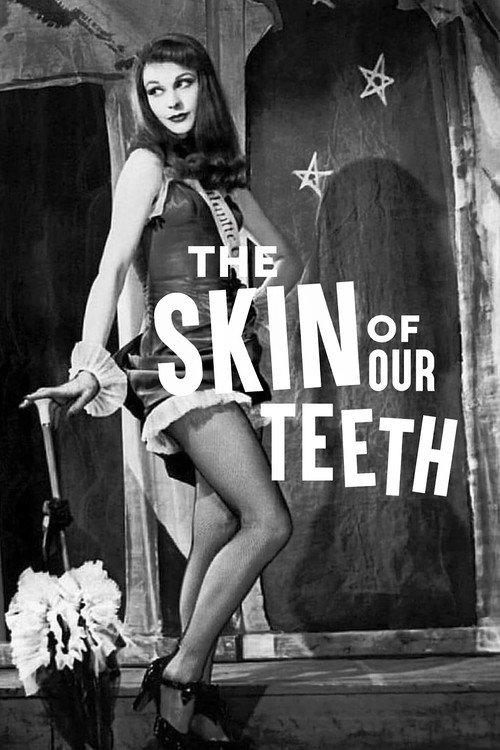
The Skin of Our Teeth1959
Both Anne and Wilder's play treat women's resilience and agency seriously in eras that didn't always. Both use genre convention (adventure, domestic drama) to explore power. Completely different mediums and tones—that's the point.
Thornton Wilder's play is a formal wildcard about human survival and chaos. A Lifetime TV adaptation from 1983 exists, but seek out any production—it's theatre that breaks its own fourth wall and asks what makes us endure.
But It's deliberately arch and anti-naturalistic; it refuses conventional storytelling. Audiences wanting narrative clarity find it bewildering or pretentious.
People
Cast
 Jean PetersCaptaine Anne Providence
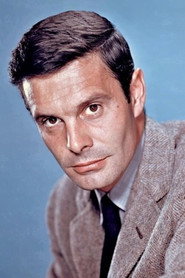 Louis JourdanCaptaine Pierre François LaRochelle
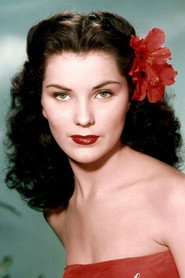 Debra PagetMolly LaRochelle
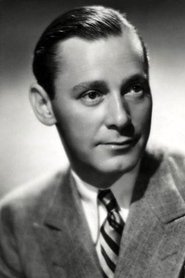 Herbert MarshallDr Jameson
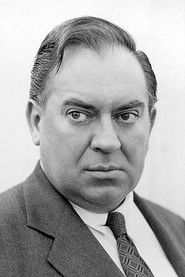 Thomas GomezCaptaine Edward Teach alias Blackbeard
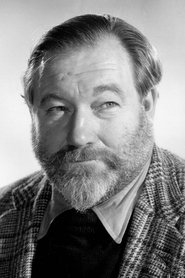 James Robertson JusticeRed Dougal
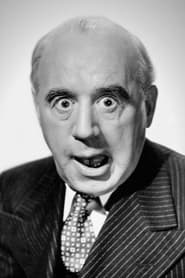 Francis PierlotHerkimer
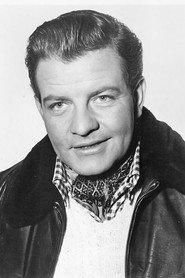 Sean McCloryHackett
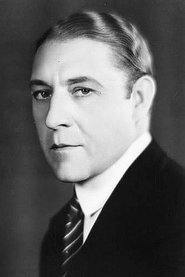 Holmes HerbertEnglish Sea Captain
- Byron NelsonBear Handler
- Douglas BennettBear Wrestler
- Mario SilettiSlave Market Auctioneer
Directing
- Jacques TourneurDirector
Writing
- Arthur CaesarScreenplay
- Philip DunneScreenplay
- Herbert Ravenel SassStory
Production
- George JesselProducer
Recommended by
The Spanish Main, Seven Seas to Calais, Morgan, the Pirate, Captain Kidd, The Buccaneer