
Film
Seven Seas to Calais
A 1962 Italian-American adventure film about Sir Francis Drake's mission to disrupt Spanish treasure routes for Elizabeth I. It's a swashbuckling spectacle built on Technicolor, sword fights, and earnest historical fiction—the kind of film that believes in its own romance. For anyone who loves old-school maritime adventure and doesn't mind production values that feel handmade.
Should you watch it?
Watch it if you like swashbuckling costume adventure built on sea battles, rivalries and a hero who grins through danger, with the old studio-bound charm of early sixties filmmaking.
Skip it if you want modern pacing or moral complexity, since this is a cheerful, old-fashioned romp in which heroics come broad and character stays on the surface.
What it asks of you: about an hour and forty minutes of steady, light-footed movement, with attention going to sea voyages and swordplay rather than intricate plotting.
Not sure? Find tonight's pick in a minute.
If you liked this
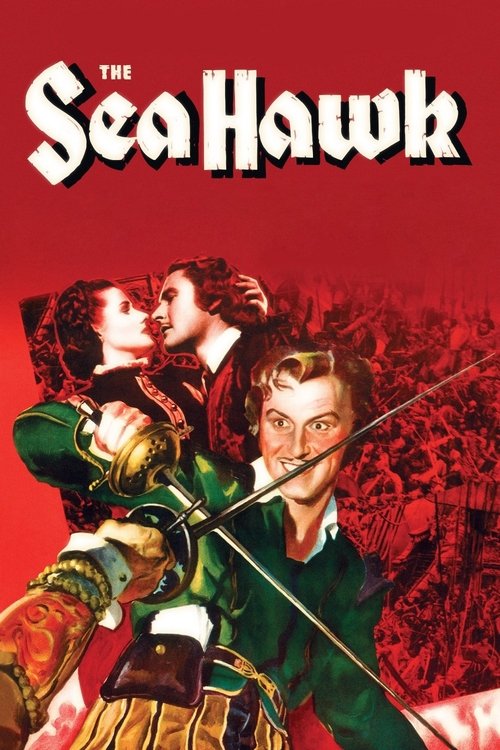
The Sea Hawk1940
Errol Flynn as a privateer fighting Spanish naval power: pure swashbuckling energy, with better pacing and a sharper script. The template this film follows, done at peak Hollywood efficiency.
But Black and white, and forty years older—it moves at a different rhythm entirely, which some find quicker, others find slow.
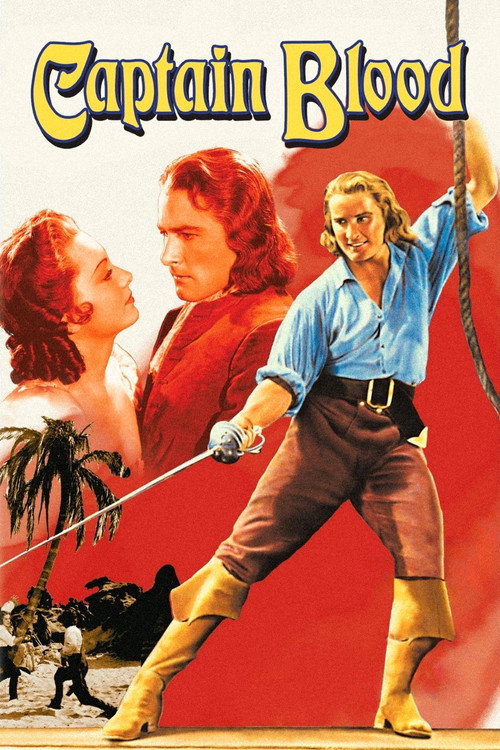
Captain Blood1935
Flynn again, establishing the entire DNA of adventure cinema with genuine wit, acrobatic sword choreography, and a lead who actually seems to be having fun. The film that made this genre work.
But Also pre-colour, and the pacing is deliberately theatrical in ways modern viewers sometimes find mannered or arch.
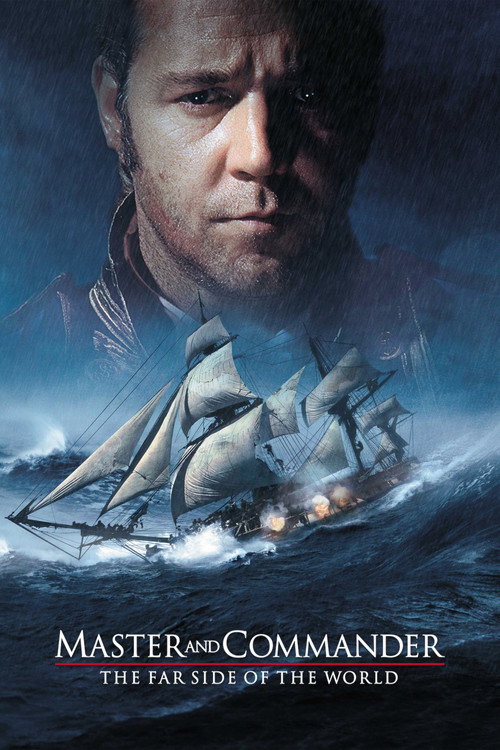
Master and Commander: The Far Side of the World2003
A thinking person's naval adventure with Russell Crowe and a richly detailed ship at sea. Combines spectacle with character depth and actual historical texture.
But Slower, more meditative, and far less interested in swashbuckling than in strategy and human complexity.
Not sure tonight? Get a pick in a minute, starting from Seven Seas to Calais
The wildcard
Something you would not have found on your own.
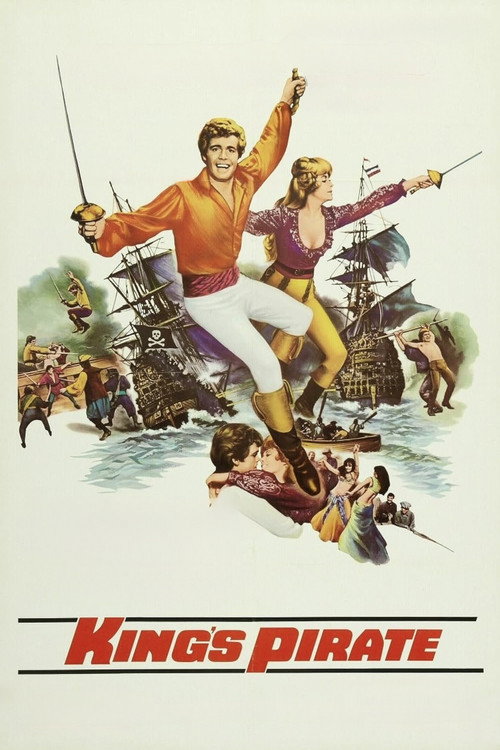
The King's Pirate1967
Rod Taylor reprises his leading-man archetype but inverts it: instead of fighting for empire's expansion, he's fighting for its order. Both are about naval power politics, but this one knows power is ugly.
Rod Taylor (Drake himself in your film) returns to maritime adventure as a colonial officer hunting pirates. A late-period swashbuckler with genuine moral complexity and a tragic edge—adventure as disillusionment rather than triumph.
But It's cynical where Drake is romantic, and the 1960s veneer sometimes undercuts the period setting. The pacing sags in stretches.
More like this (6)
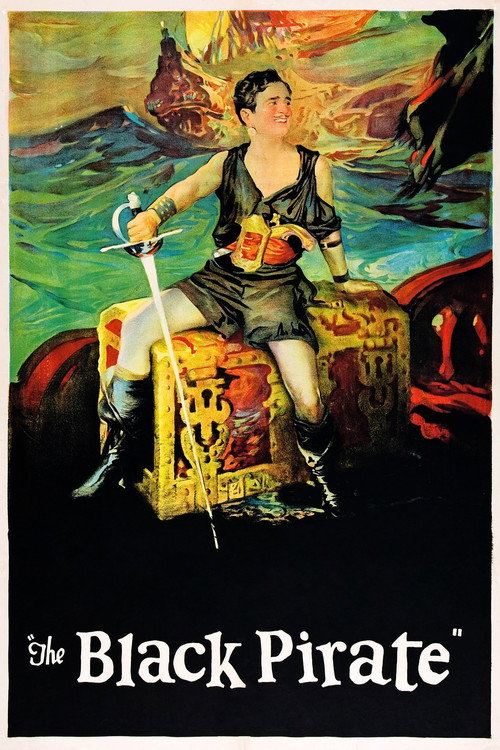
The Black Pirate1926
Douglas Fairbanks in early Technicolor doing impossible stunts with genuine invention. Silent, so the energy is pure—no dialogue to slow anything down.
But It's silent film, which requires a different kind of attention. The acting style is heightened in ways that feel alien now.
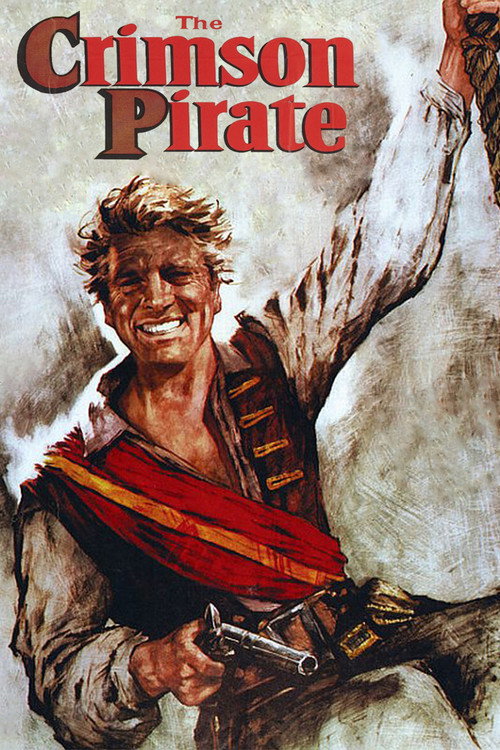
The Crimson Pirate1952
Burt Lancaster with gymnastic energy, vibrant colour, and a plot that embraces camp and absurdity without apology. Joyful and utterly unserious.
But The tone is almost silly—it's adventure as playfulness, which can feel lightweight if you want your swashbuckling grounded.
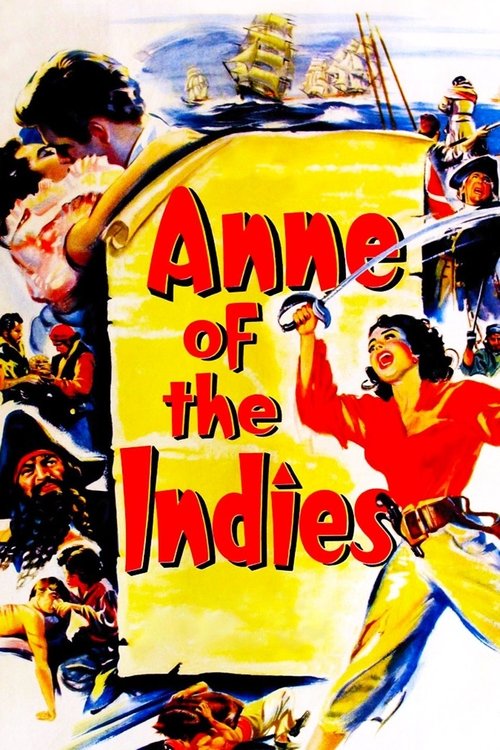
Anne of the Indies1951
A female pirate captain (Jean Peters) in gorgeous Technicolor with Jean Luc Picard's Patrick Stewart's father Michael Rennie. Rare example of the era centring a woman in adventure.
But It's period Hollywood feminism, which means some elements read as dated or compromised by modern standards.
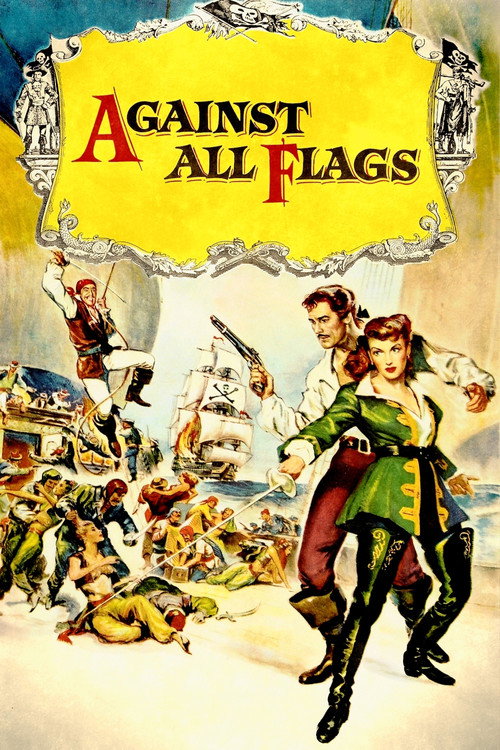
Against All Flags1952
Errol Flynn and Maureen O'Hara in a pirate adventure that's lighter and faster than his 1940s work. Colour, charm, and a spirited female lead.
But The plot is thin and the romance outweighs the adventure. It doesn't take itself seriously enough to satisfy if you want stakes.
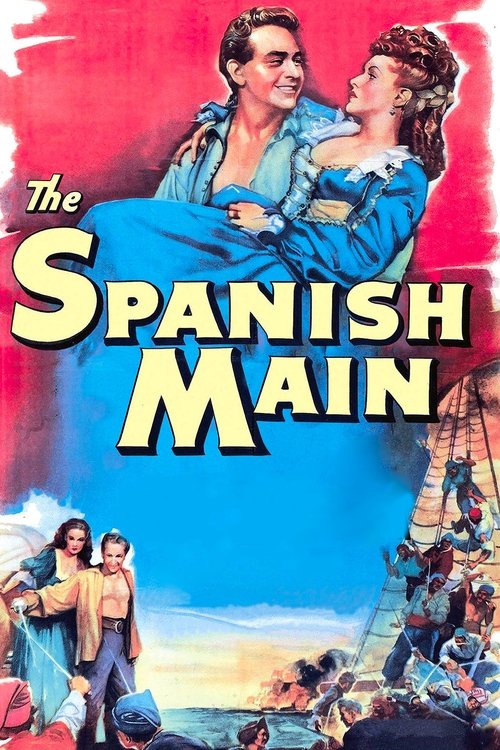
The Spanish Main1945
Paul Henreid and Maureen O'Hara in Technicolor Caribbean intrigue. A solid mid-tier adventure with good production values and a solid cast.
But It's serviceable rather than inspired. The script doesn't have much wit, and the adventure beats feel obligatory.
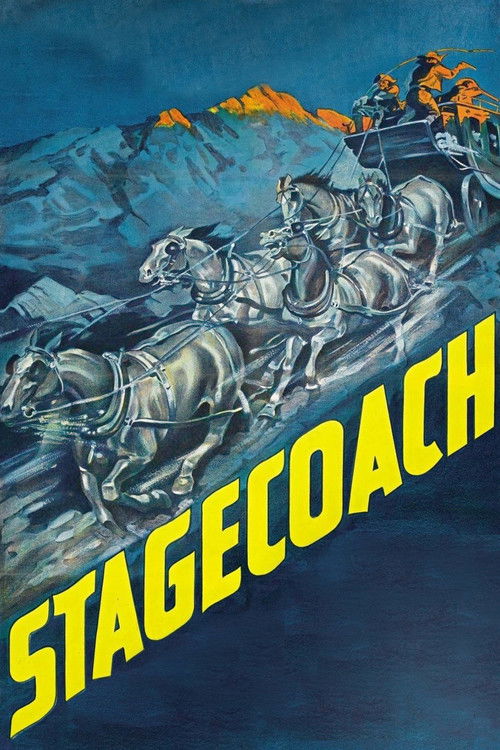
Stagecoach1939
Both construct their drama around historical authority and rival claims to power, using travel and danger as a prism. But Stagecoach is interested in what adventure *means*—the moral rot under the heroism. It's the serious film your film wants to be.
Ostensibly a Western, but really a chamber piece about strangers thrown together by circumstance, hierarchies in motion, and the question of who deserves authority. John Ford's moral complexity in an adventure frame—the real thing your film is reaching for.
But It's black and white, slow-moving, and interested in character psychology over action sequences. If you want spectacle, this will frustrate you.
People
Cast
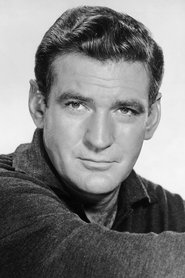 Rod TaylorSir Francis Drake
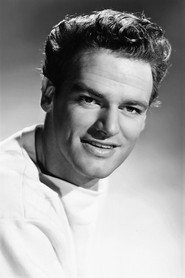 Keith MichellMalcolm Marsh
 Edy VesselArabella Ducleau
 Terence HillBabington
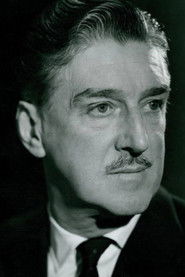 Basil DignamSir Francis Walsingham
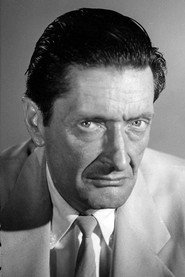 Anthony DawsonLord Burleigh

- Luciano MelaniCaptain Winter (uncredited)
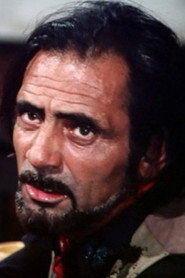 Bruno UkmarManuel (uncredited)
Directing
- Primo ZeglioDirector
- Rudolph MatéDirector
Writing
- Filippo SanjustScreenplay