
Film
Accused
Other titles called Accused: the 2010 series (BBC One).
A 1936 British crime drama with Douglas Fairbanks Jr. and Dolores del Río as a Paris nightclub dance couple caught in a murder frame-up. Sleek, propulsive, and genuinely engaging, it moves like a magician's hand—misdirection and clever plotting matter more than realism. For anyone who loves old Hollywood intrigue delivered with style and assurance.
If you liked this
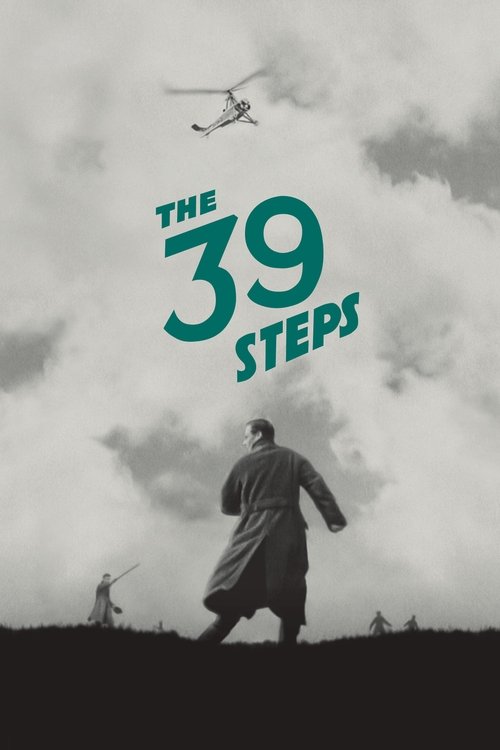
The 39 Steps1935
Hitchcock's masterclass in wrongful-accusation suspense. Innocent man on the run, clever plotting, and the kind of playful tension that makes you forget to breathe. Pure cinema.
But Dated pacing in places, and some of the romantic beats feel obligatory rather than earned by the script.
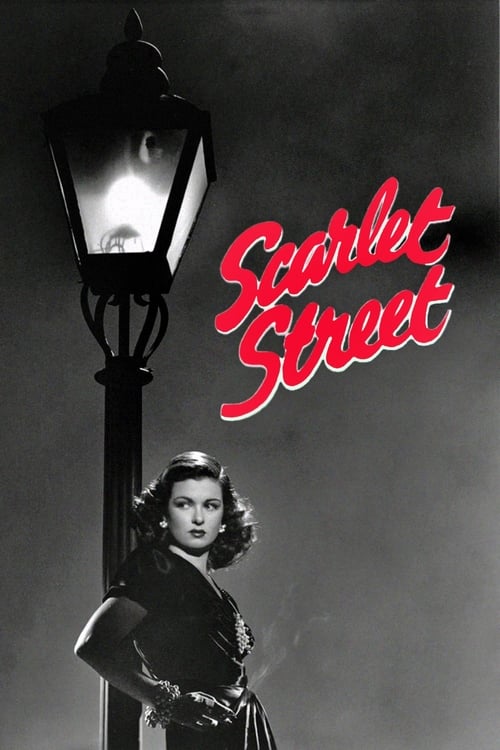
Scarlet Street1945
Fritz Lang's portrait of a man destroyed by a femme fatale and circumstance. Darker and more psychologically complex than Accused, but built on the same engine: how quickly trust collapses.
But It's bleak and mean-spirited. There's no pleasure in watching this man suffer, which is rather the point.
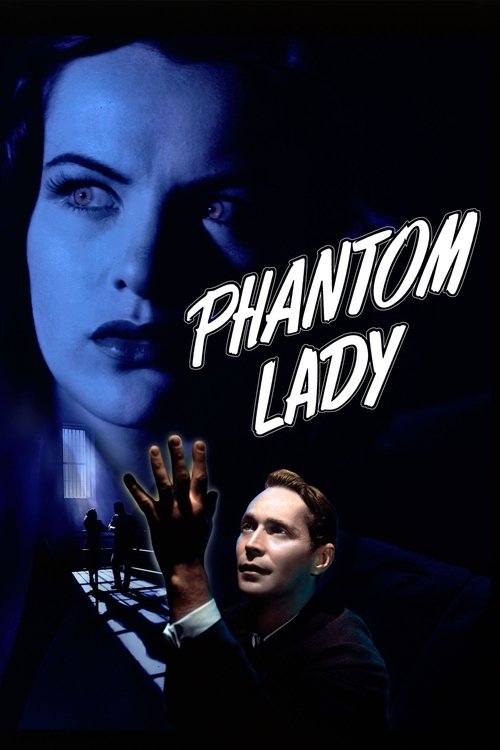
Phantom Lady1944
Another wrongful-accusation thriller with genuine style. A woman races to prove her husband innocent of murder, and the film actually makes the detective work feel like detection rather than plot mechanics.
But The third act pivots toward something more lurid than the setup promises, and it doesn't quite land.
Not sure tonight? Get a pick in a minute, starting from Accused
The wildcard
Something you would not have found on your own.
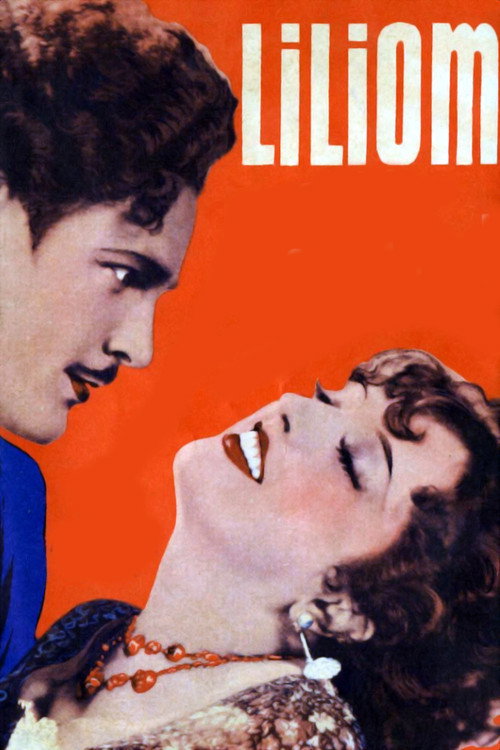
Liliom1930
Both explore how quickly a person can be judged by circumstance, but where Accused is a thriller about innocence proven false, Liliom is about grace given to the undeserving. Different answers to the same question.
Frank Borzage's operatic melodrama about a carnival barker who dies and returns to Earth to fix his life. Totally sincere, totally strange. The register is completely different from Accused—heavenly, romantic, cosmic—but both are about accusation and redemption.
But It's sentimental to the point of peculiarity. Modern audiences may find it mawkish, and the mystical apparatus feels dated rather than timeless.
More like this (8)
The Asphalt Jungle1950
Seminal heist film with ensemble precision. Focused, intelligent, and utterly unsentimental. You watch professionals fail in real time, and it's gripping.
But There's no heroic lead to root for. Everyone is compromised, which is the point but not everyone's idea of entertainment.

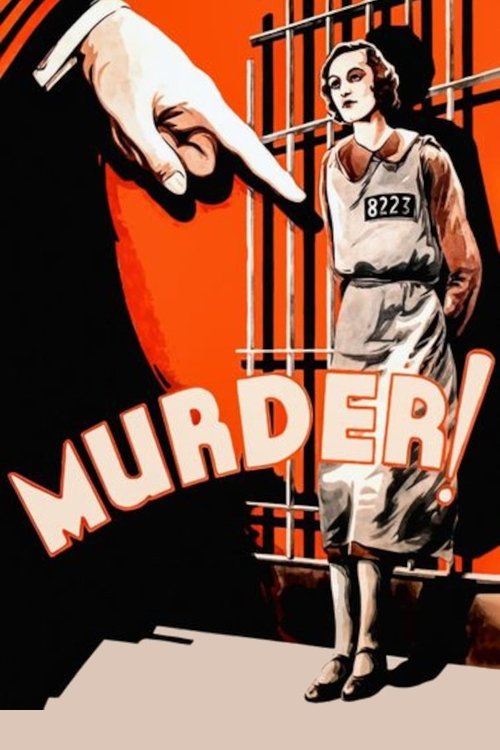
Murder!1930
Hitchcock's underrated early talkie about a juror convinced a verdict was wrong. Radio drama, locked rooms, genuine moral ambiguity. The dialogue crackles.
But It's short and slight compared to his later work, and the resolution hinges on something that plays as convenient rather than inevitable.
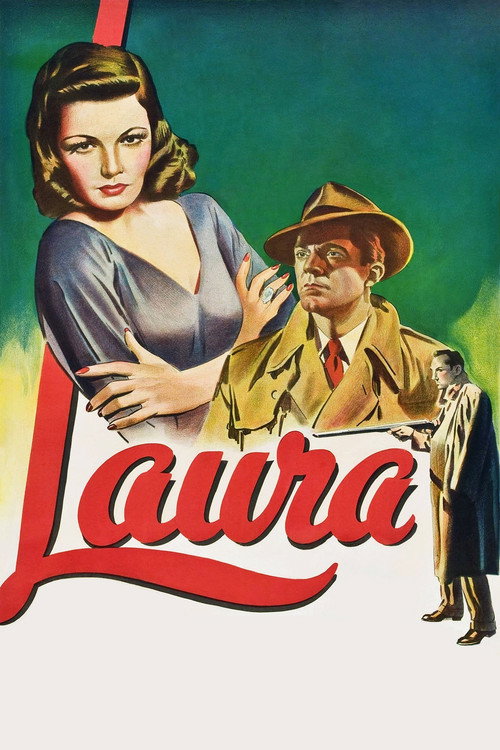
Laura1944
A detective falls for a murder suspect's portrait before he meets her. Elegant, witty, and structurally clever. The murder mystery almost doesn't matter—the mood does.
But Self-conscious in places, and the solution to the crime is less interesting than the film pretends to think it is.
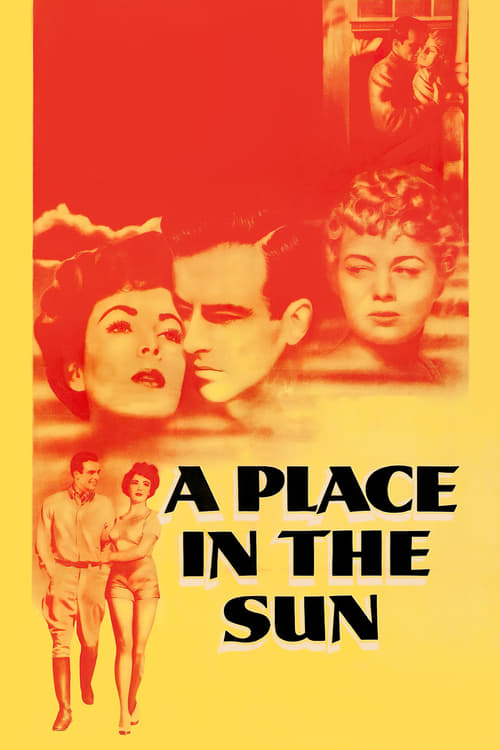
A Place in the Sun1951
George Stevens' lush melodrama: a poor man in love with a rich woman, then entangled with someone else. Class collides with desire. Visually stunning and morally complicated.
But Nearly three hours, and the pacing can feel deliberate rather than meditative. Patience is required.
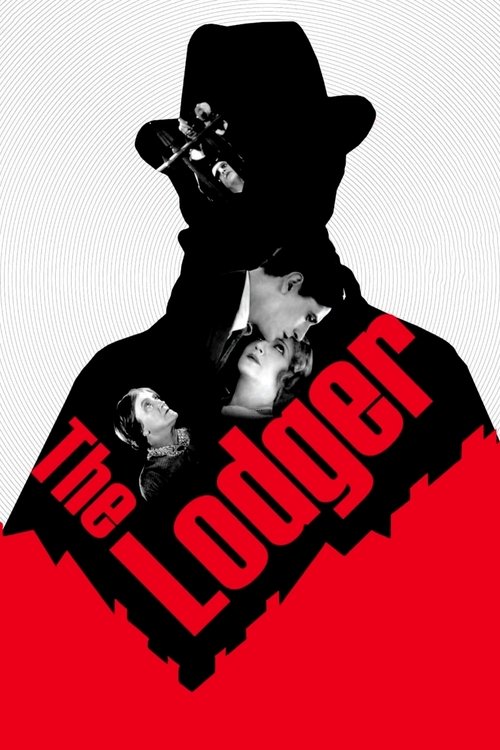
The Lodger: A Story of the London Fog1927
Hitchcock's first thriller, a silent film about a mysterious tenant and a young woman who falls for him while he's suspected of murder. Visual storytelling at its peak.
But Silent, naturally. Without the dialogue to carry you, the plot can feel thin, and some of the acting is period-appropriate theatrical.
Rope1948
Hitchcock's real-time chamber piece about two men who commit murder and host a dinner party above the body. Claustrophobic, clever, technically audacious.
But The gimmick (one continuous take) sometimes matters more than the drama. The characters are deliberately shallow, which works thematically but wears thin.

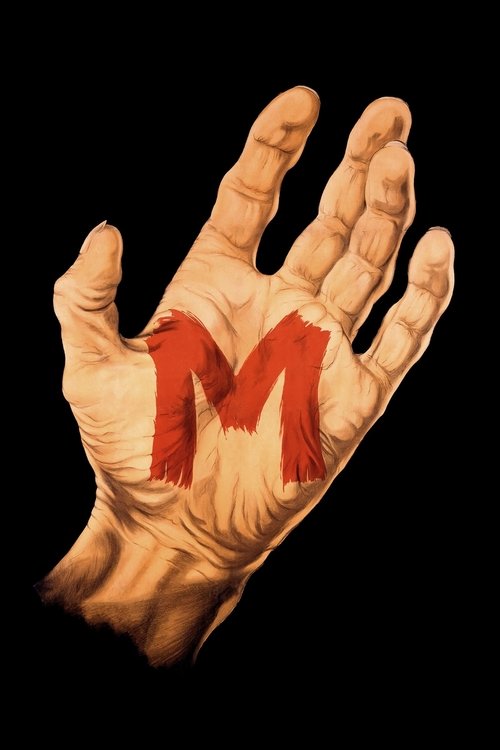
M1931
Both are crime dramas built on clever plotting and misdirection, but M asks who deserves judgment while Accused asks who can escape it. M takes the moral weight seriously; Accused is lighter, but both trust their audience to sit with the question.
Fritz Lang's German masterpiece about a child murderer hunted by both police and the underworld. Methodical, horrifying, and formally radical. Sound design as character. A genuine innovation in what crime cinema could do.
But It's about the hunt for a pedophile murderer. The subject matter is difficult, and the film never softens it. It's not entertainment in the traditional sense.
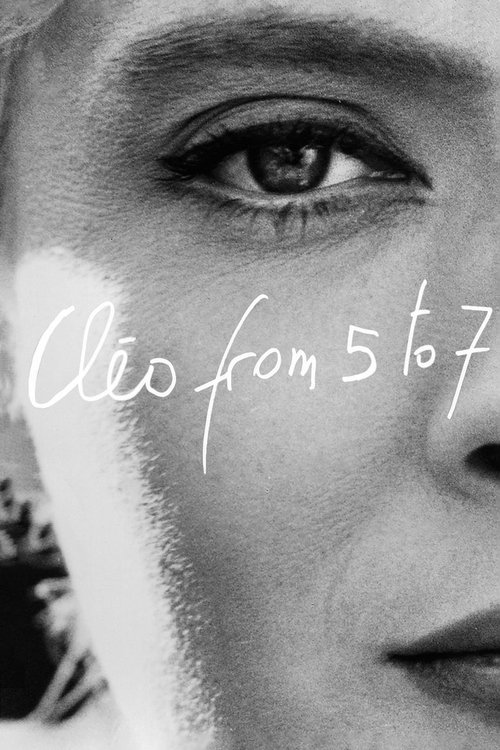
Cléo from 5 to 71962
Both films are built on tight formal constraints—Accused uses plot mechanics; Cleo uses real time—and both trust that constraint to reveal character. Both also love Paris and period style, using the city itself as a character.
Agnès Varda's ninety-minute essay about a woman waiting for medical test results, filmed in real time. Paris, style, anxiety, dignity. Totally different genre and mood from Accused, but the same precision about character under pressure.
But It's essentially a woman walking around Paris for an hour and a half. Plot machinery is minimal. If you need incident to feel engaged, you will find this glacial.
People
Cast
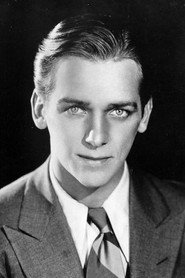 Douglas Fairbanks Jr.Tony Seymour
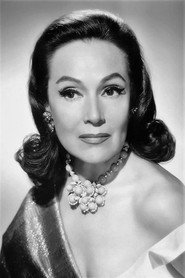 Dolores del RíoGaby Seymour
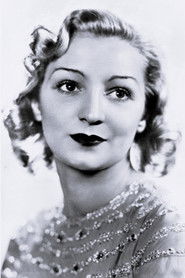 Florence DesmondYvette Delange
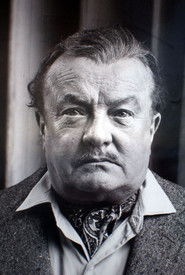 Basil SydneyEugene Roget
 Googie WithersNinette Duval
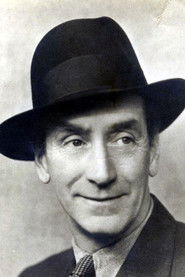 J.H. RobertsPresident of Court (as John Roberts)
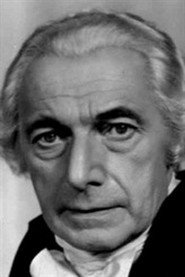 Cecil HumphreysProsecuting Counsel
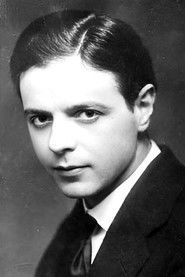 Esme PercyMorel
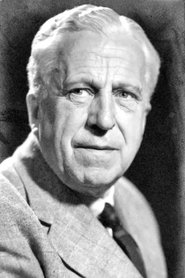 Edward RigbyAlphonse de la Riveire
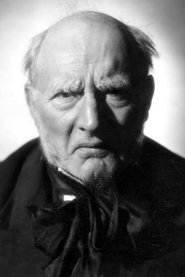 Moore MarriottDubec (as George Moore Marriott)
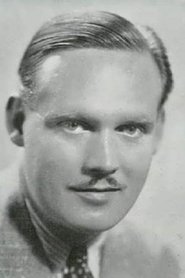 Cyril RaymondGuy Henry
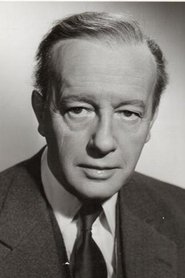 Roland CulverHenry Capelle
Directing
- Thornton FreelandDirector
Writing
- Zoë AkinsScreenplay
- Zoë AkinsStory
- George BarraudWriter
- Harold FrenchWriter
Production
- Douglas Fairbanks Jr.Producer
- Marcel HellmanProducer
- Cecil DixonProduction Manager