
Film
The Penal Code
A 1932 crime drama about a man rebuilding his life after prison release while desperately hiding his past. Taut and economical—barely over an hour—it captures the shame and social obstacles of reintegration with the directness early sound cinema excelled at. For anyone curious about how Hollywood treated redemption before it became sentimental.
Should you watch it?
Watch it if you like lean early-1930s crime programmers that pack a serious moral drama into an hour and trust the pauses between lines to carry the weight.
Skip it if you want slick camerawork or snappy pacing, because this is plainly made, quite talky and modest, with a sober tone that rarely loosens up.
What it asks of you: Short and unhurried at sixty-two minutes, it spends its time on quiet domestic moments and small pauses rather than on action.
Not sure? Find tonight's pick in a minute.
If you liked this
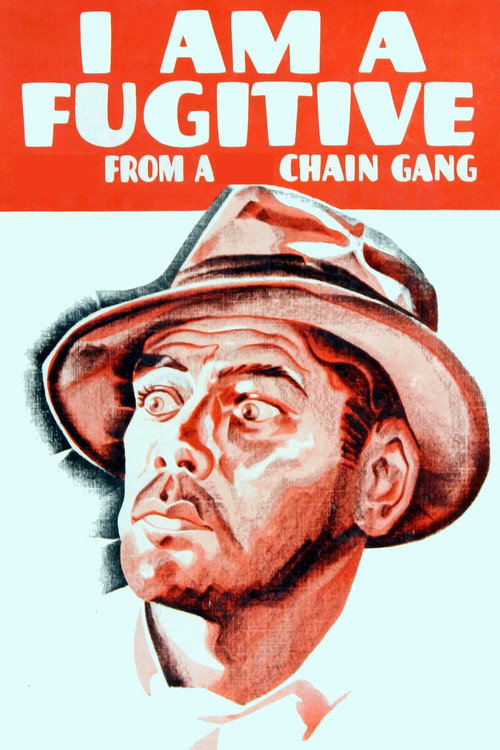
I Am a Fugitive from a Chain Gang1932
Released the same year, this Paul Muni masterpiece about a man hunted after prison escape shares the moral weight and social realism. Raw anger at institutional injustice and personal ruin. Essential.
But The ending is deliberately bleak and offers no comfort. Black-and-white prison footage can feel heavy going for modern viewers unused to 1930s pacing.
In Cold Blood1967
Capote's adaptation strips away romance from crime and consequence with documentary precision. Like *The Penal Code*, it refuses easy answers about guilt, redemption, and what society owes the fallen.
But It's a film about a horrific murder. The tone is clinical and sad rather than thrilling, which can feel distant rather than gripping.
Sweet Smell of Success1957
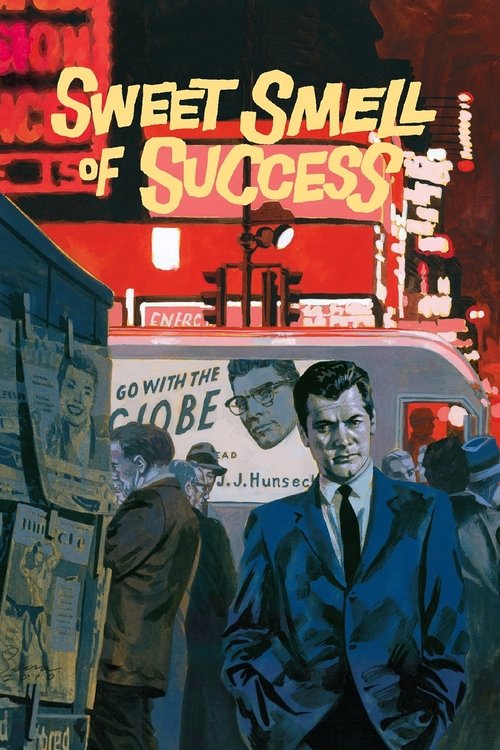
Both probe how reputations destroy lives in constrained social worlds. The desperation to hide, to fit in, to be believed—captured here in acidic dialogue and shadow. Corruption wearing a suit.
But It's nastier and more baroque than *The Penal Code*, with a cynicism that can feel exhausting. Not exactly an uplifting evening.
Not sure tonight? Get a pick in a minute, starting from The Penal Code
The wildcard
Something you would not have found on your own.
Odd Man Out1947
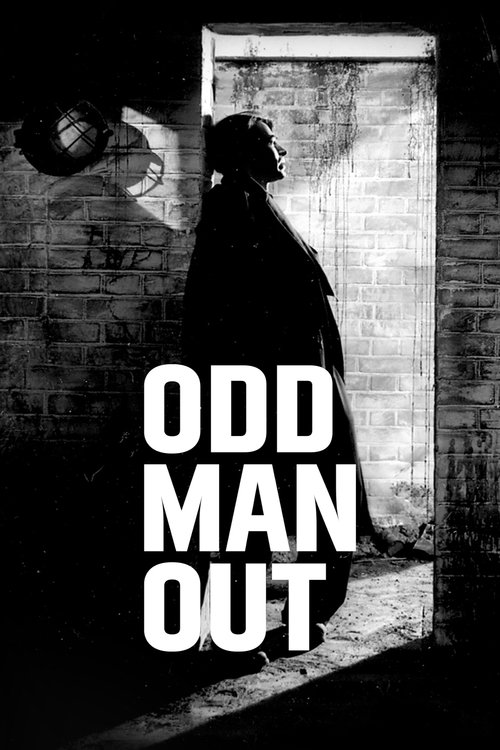
Both explore the fundamental isolation of a man society has already condemned, forcing him to hide and move through a world that treats him as already dead.
Carol Reed's Irish masterpiece: an IRA man wounded, hunted, rejected by his own community, moves through a city where everyone either fears or exploits him. Same story as *The Penal Code*—exile within society—but transformed into something visually and emotionally symphonic. Haunting and true.
But It's slow, metaphorical, steeped in Catholic guilt and political allegory. The ambiguity about the protagonist's actual innocence bothers some viewers.
More like this (8)
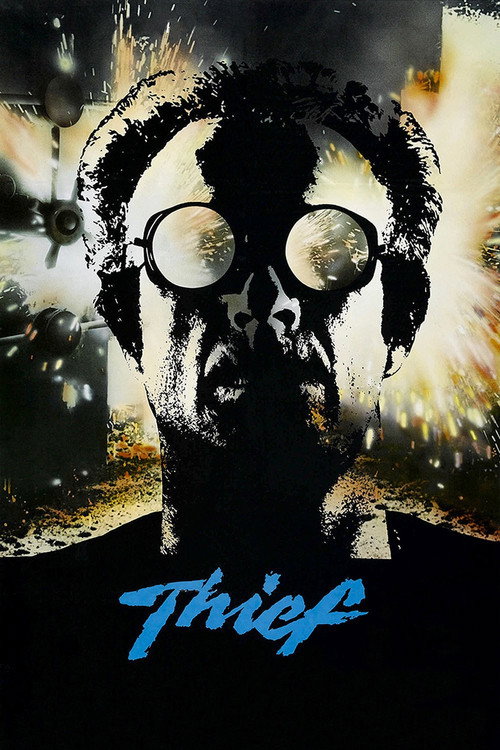
Thief1981
Mann's meditation on a career criminal trying to go straight. Like Palmer, the protagonist wants normalcy but can't shed his past or the skills that define him. Quiet, precise, mournful.
But It's a slow burn about masculine isolation. The film trusts silence and long takes; viewers wanting plot momentum will find it frustrating.
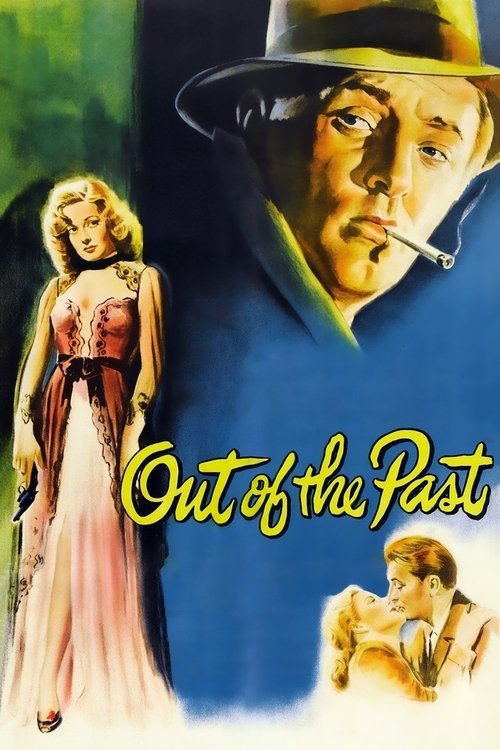
Out of the Past1947
A man haunted by his past, unable to escape it no matter how he reinvents himself. Classic noir fatalism applied to the same premise: the world won't let you disappear.
But The story moves through betrayal and moral compromise without redemption in sight. If you need your protagonists to win, this will feel bleak.
A Prophet2009
Handsomely brutal French film tracking a young man's transformation in prison and his fragile re-entry to society. The mirror image of *The Penal Code*: what happens inside shapes everything after.
But It's lengthy and doesn't shy from violence. The protagonist's moral trajectory is ambiguous, which some find unsatisfying.

The Killers1946
Siodmak's masterwork: a man wants to disappear but can't outrun his criminal past. Strangers arrive. Events unravel. The fatalism matches *The Penal Code*'s worldview exactly.
But Burt Lancaster and Ava Gardner are present but secondary to mood. It's a study in dread rather than character drama, which reads cold to some.

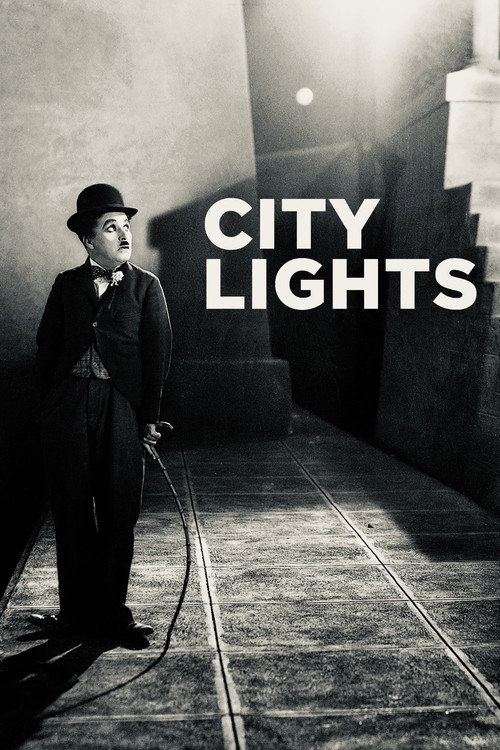
City Lights1931
Chaplin's tramp exists in the margins of society, invisible, struggling, hopeful despite everything. A year older than *The Penal Code* but from a completely different register—still, the social precarity echoes.
But It's a silent comedy-drama hybrid about poverty and loneliness. The tonal shifts can feel jarring if you're expecting consistent emotion.
Pickup on South Street1953
Fuller's scrappy thriller about small-time criminals caught between law and survival. Nobody's innocent; everybody's hustling. The social world is hostile and narrow, like Palmer's.
But The plot is slight and the moral positions are muddled. Some find it too schematic or too indifferent to character depth.

The Third Man1949
Both are about a man trying to reconnect with his old life only to discover that time, secrets, and social position have made him a stranger in his own world.
Welles and Cotton in post-war Vienna: a man arrives to help an old friend, only to discover nothing is as promised. Like Palmer, he realizes the world he believed in no longer exists and he no longer has a place in it. Gorgeous, melancholy, filmed like a betrayal.
But The plot hinges on betrayal of intimate trust. Some find the pacing slack and the symbolism heavy-handed compared to the lean efficiency of simpler crime stories.

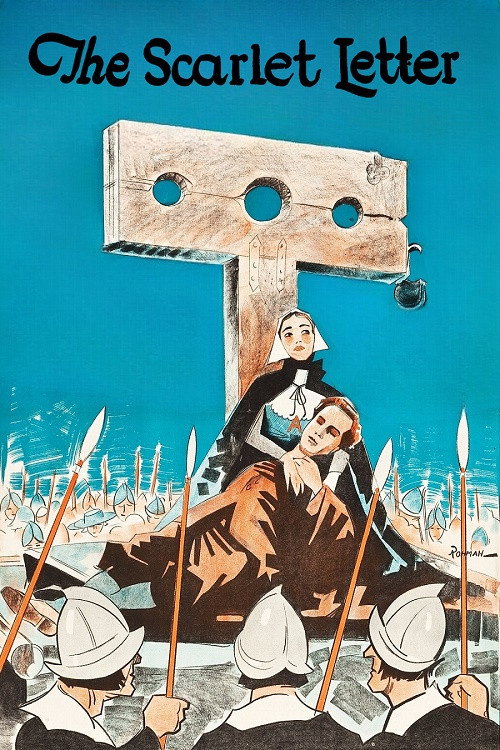
The Scarlet Letter1927
Both examine how societies enforce shame and invisibility on the already-condemned, and whether redemption is even possible when the verdict is permanent.
Lillian Gish as Hester Prynne in this silent melodrama. A woman branded by society for moral failure must navigate a world that won't forgive or forget. Century-old novel, different gender, same premise as *The Penal Code*: the mark doesn't wash off, and society prefers you stay marked.
But Silent acting can feel overwrought to modern eyes. The religious moralizing is thick, and the ending is impossibly sentimental by today's standards.
People
Cast
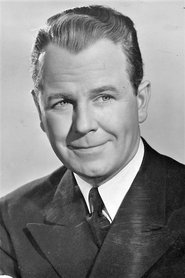 Regis ToomeyRobert Palmer
 Helen CohanMarguerite ('Margie') Shannon
 Pat O'MalleySergeant Detective W. J. Bender
 Virginia True BoardmanMrs. Sarah Palmer
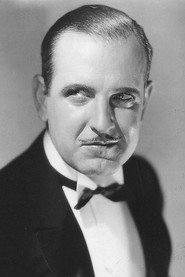 Robert EllisJames Forrester
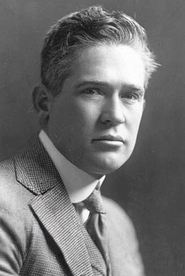 Henry HallMr. Shannon
- Leander De CordovaIsaac Lewin
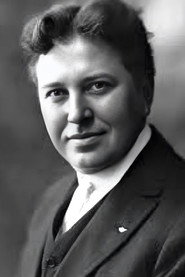 John InceWarden
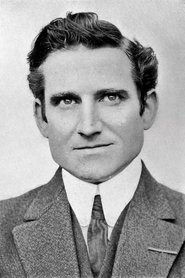 Murdock MacQuarrieLefty
 Olin FrancisMcCarthy
Directing
- George MelfordDirector
Writing
- F. Hugh HerbertScreenplay
- Edward T. Lowe Jr.Story