Film
A Lady to Love
A 1930 romance about a lonely grape-grower who tricks a mail-order bride by sending his brother's photo, then watches her fall for the actual brother instead. It's a swift, bittersweet melodrama with the kind of romantic entanglement that feels both deeply unfair and oddly modern. For anyone drawn to early sound cinema's frankness about desire and deception.
Should you watch it?
Watch it if you enjoy creaky early-sound melodramas where a sincere, old-fashioned romance is played straight, and a supporting turn from Edward G. Robinson is reason enough.
Skip it if the stagey, static filming and theatrical acting of a 1930 talkie will feel dated, and slow melodrama with heavy sighs may test your patience.
What it asks of you: Ninety-two minutes of unhurried, talky scenes with long pauses and a lot of looking; it rewards patience more than attention, and the mood stays earnest throughout.
Not sure? Find tonight's pick in a minute.
If you liked this
Letter from an Unknown Woman1948
A woman waits decades for a man who barely remembers her, told with such aching tenderness that you'll feel the weight of unreturned devotion. Max Ophüls captures longing as a physical thing.
But The pacing is deliberate and the ending is quiet—there's no cathartic confrontation, just the slow accumulation of a heart breaking in private.
Sunrise: A Song of Two Humans1927
F.W. Murnau's masterpiece about a marriage nearly destroyed by temptation, shot with such visual poetry that even the betrayal feels beautiful. A reminder of what silent cinema could do.
But It's a silent film, which requires patience, and the tinting and restoration quality varies depending on which print you find.

Tess1979
Roman Polanski's adaptation of Hardy's novel about a woman crushed by men's desires and expectations. Nastassja Kinski is extraordinary, and the cinematography is ravishing and merciless.
But It's bleak and punishing—the tragedy builds with inevitability that can feel suffocating, and it doesn't offer easy comfort.
Not sure tonight? Get a pick in a minute, starting from A Lady to Love
The wildcard
Something you would not have found on your own.
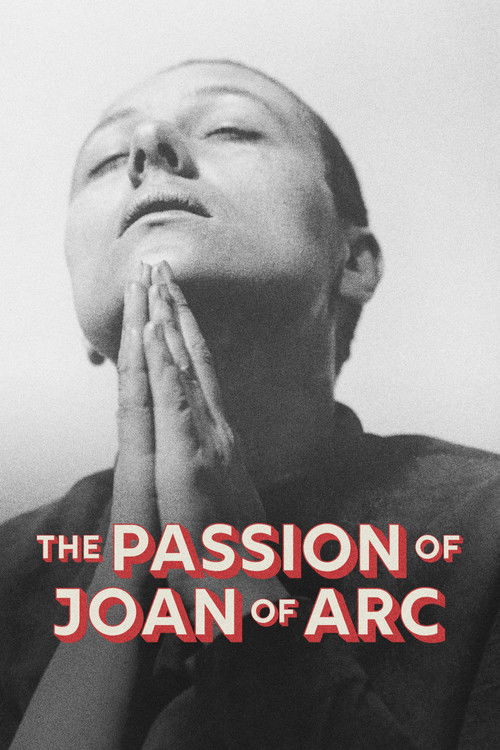
The Passion of Joan of Arc1928
Both films trap their protagonist in a situation built on deception—one romantic, one institutional—and both ask what happens when you realize too late what you've agreed to. The difference is that Lena might escape; Joan cannot.
Carl Theodor Dreyer's silent film about a woman interrogated, humiliated, and condemned. Renée Jeanne Falconetti's face—her eyes alone—conveys every kind of human suffering. It's about helplessness before institutions and desire of a different kind: the desire to maintain dignity when everything is being taken.
But It's relentlessly bleak and the final scene is hard to watch. There's no plot comfort, only spiritual endurance.
More like this (8)
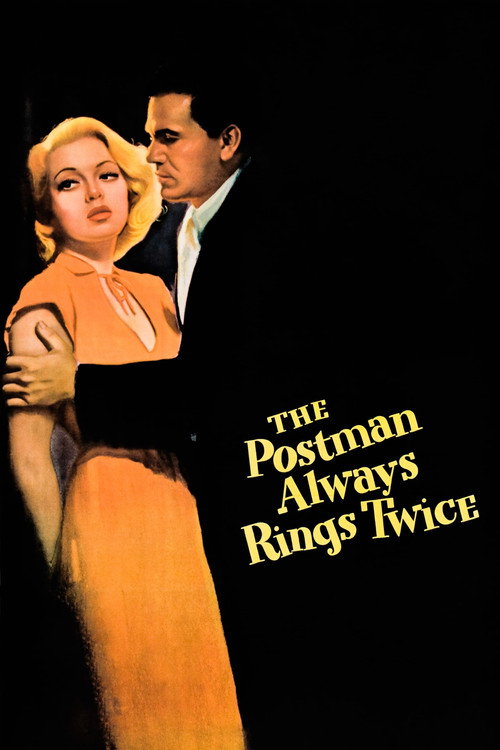
The Postman Always Rings Twice1946
Lana Turner and John Garfield smolder through this noir about infidelity and murder. It has the same poisoned-desire energy as *A Lady to Love* but dressed in shadows and jazz.
But The plot twists strain credibility and the climax wraps up faster than feels earned, leaving you slightly unsatisfied.
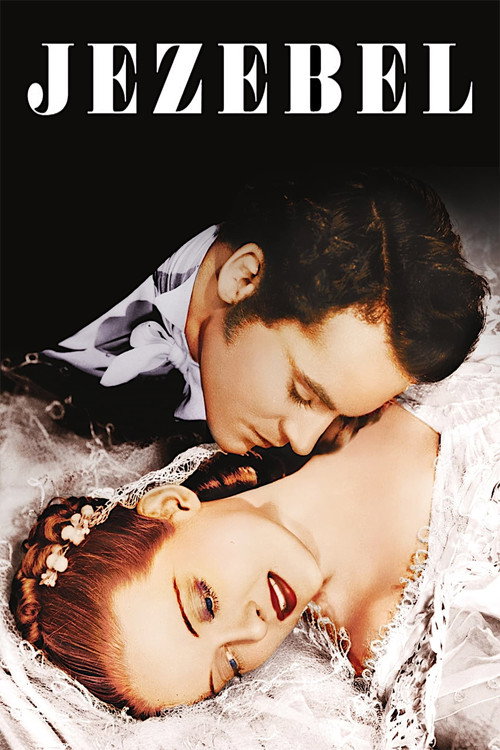
Jezebel1938
Bette Davis as a woman whose selfishness and seduction destroy the men around her. It's *A Lady to Love* reframed through the eyes of someone who understands her own power and uses it anyway.
But Davis dominates the screen so completely that everyone else registers as scenery, which is the point but can feel unbalanced.
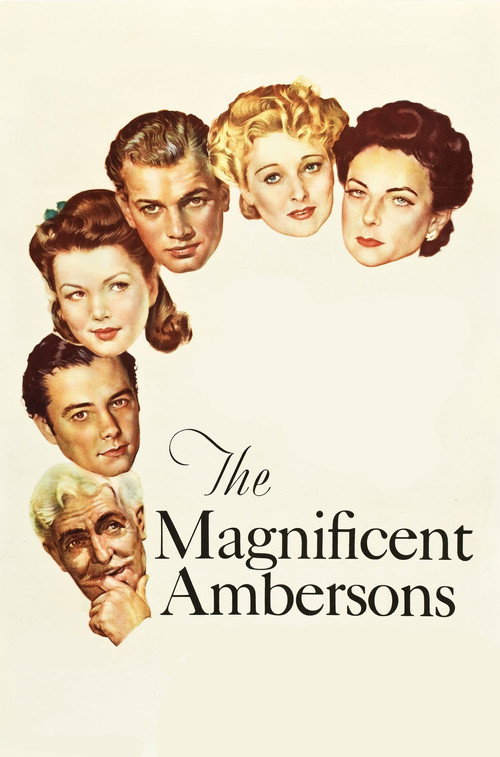
The Magnificent Ambersons1942
Orson Welles's portrait of desire, ambition, and class in a decaying American household. It's about people wanting the wrong things and being destroyed by their own expectations.
But The studio butchered the ending—Welles's original vision was lost, and what remains is a masterpiece with a scar.
In a Lonely Place1950
Humphrey Bogart as a man suspected of murder who poisons his own romance through jealousy and rage. A surprisingly modern portrait of how easily intimacy can curdle.
But Bogart's character is genuinely unlikeable and the film doesn't soften that for his charisma—it can feel exhausting to watch.

Pandora's Box1929
G.W. Pabst's film about Lulu, a woman whose beauty and indifference destroy everyone who loves her. It's about desire as a force that consumes everyone but her.
But The print quality is often poor and the pacing is silently deliberate—it requires active engagement, not passive watching.

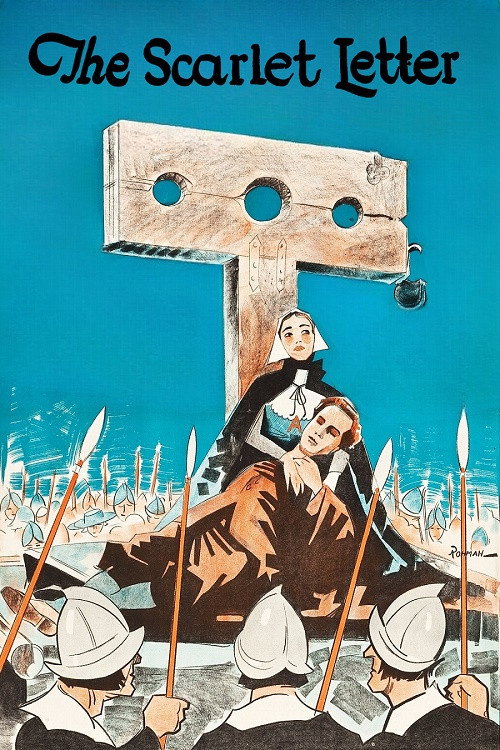
The Scarlet Letter1927
Lillian Gish in a surprisingly loose adaptation of Hawthorne that leans into passion and punishment. A woman, a minister, and a secret—told with the moral complexity of a film made at cinema's dawn.
But It's a silent film heavily dependent on intertitles, and the climax veers into sentimentality that undercuts the tragedy.
Stalker1979
Both are about the gap between what we think we want and what we actually need. Lena wants Tony's photo; Tarkovsky's characters want the room's promise. The ache comes from realizing the wanting was better than the having.
Andrei Tarkovsky's science-fiction meditation on desire and disappointment. A guide leads two men through a mysterious zone to reach a room that grants wishes—but the film is really about whether anyone knows what they actually want, and whether wanting it would destroy them.
But It's 163 minutes of slow-moving philosophical drama. If you're looking for plot momentum, this is the opposite of that.

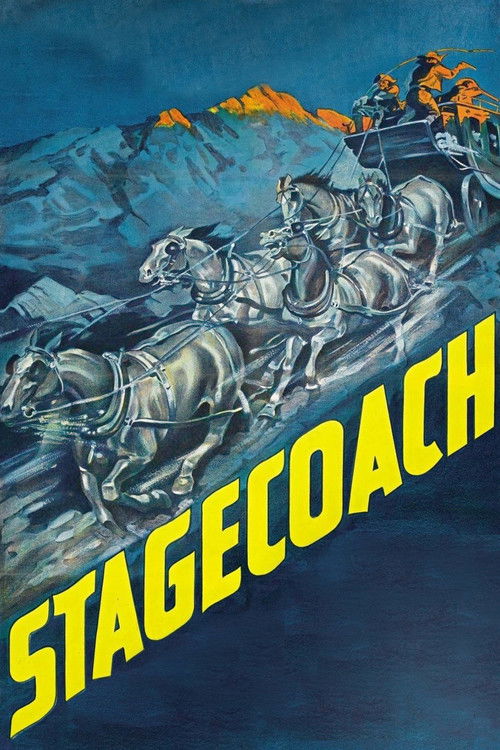
Stagecoach1939
A story about people trapped in circumstances with limited choices and no way to undo their mistakes, where character is revealed under pressure. Lena is trapped by deception and geography; Ford's characters are trapped by the literal journey. Both films understand that sometimes you can't go back, only forward.
John Ford's Western about strangers forced together on a journey, where social lies collapse under pressure. There's a pregnant unmarried woman, a drunk doctor, outlaws—and the film quietly demolishes everyone's pretense about who they are. It moves like a train and feels absolutely alive.
But It's a Western, which might feel genre-bound, and Ford's gender politics are a product of their time, even if the film is less awful about it than you'd expect.
People
Cast
 Vilma BankyLena Shultz
 Robert AmesBuck
 Richard CarlePostman
 Lloyd IngrahamFather McKee
 Anderson LawlerDoctor
 George DavisGiorgio