
Film
Wildfire
Other titles called Wildfire: the 2005 series (Freeform).
A 1915 silent melodrama about a gambler who murders a businessman and steals his prized racehorse, only to be undone when the victim's daughter takes control of the animal. Wildfire is a brisk, efficient plot engine—crime, deception, and sporting spectacle—delivered with the theatrical directness early cinema specialized in. It's for anyone curious how stories worked when they had to be told without dialogue.
If you liked this
Intolerance: Love's Struggle Throughout the Ages1916
D.W. Griffith's follow-up to Birth of a Nation is an ambitious, visually staggering experiment in crosscutting between four historical narratives. If you want to see what silent cinema could aspire to just beyond Wildfire's era, this is the thing.
But It's nearly four hours long, the Babylonian sequences have not aged gracefully, and Griffith's politics are abhorrent. You need patience and a willingness to separate artistic achievement from moral reckoning.

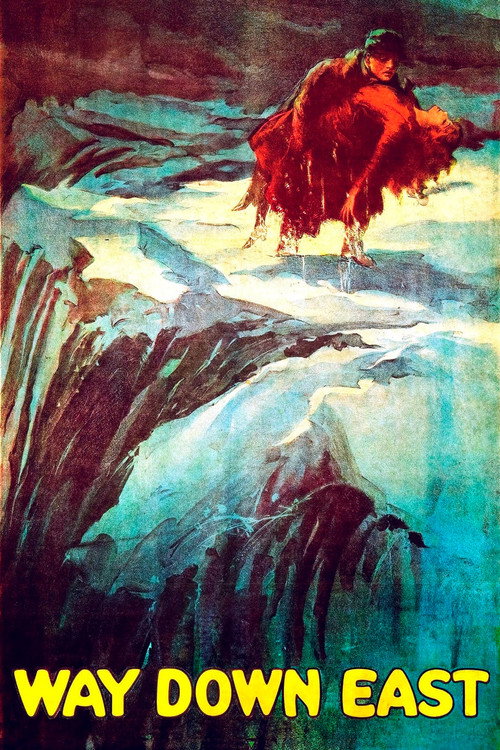
Way Down East1920
D.W. Griffith again, but tighter: a rural melodrama about deception, betrayal, and redemption. Lillian Gish gives one of cinema's great performances, and the final ice-floe sequence is genuinely thrilling filmmaking.
But The moral framework is sentimental by modern standards. If you can't sit with the earnestness of Victorian-era virtue being tested, this will feel quaint rather than moving.
The Phantom Carriage1921
Swedish silent cinema at its peak: a ghost story that doubles as a morality play about redemption and second chances. Visually inventive, emotionally sophisticated, and proof that silent film could do psychological depth.
But It's slower-paced than most modern entertainment, and the redemption arc asks you to sympathize with a man who's been cruel. Some won't make that journey.

Not sure tonight? Get a pick in a minute, starting from Wildfire
The wildcard
Something you would not have found on your own.
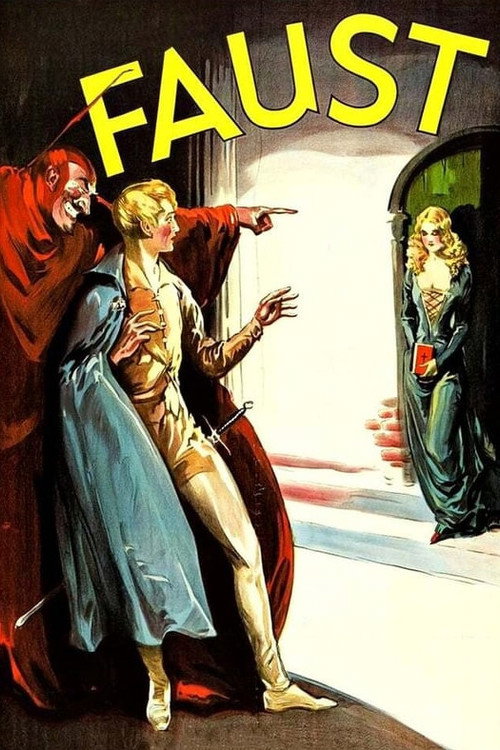
Faust1926
Both are plots driven by a central deception and a gamble—but where Wildfire resolves its moral crisis through sporting heroism, Faust asks whether redemption is even possible. Same engine, opposite destinations.
F.W. Murnau's German Expressionist Faust is a supernatural melodrama about a man who trades his soul. Visually it's baroque and unsettling—nothing like Wildfire's straightforward narrative economy, but it shares the same plot skeleton: betrayal, moral crisis, and a bet with consequences.
But It's nearly 100 minutes of Gothic atmosphere and philosophical wrestling. If you want story to move, this will feel like drowning in mood. The style is deliberately alienating.
More like this (7)
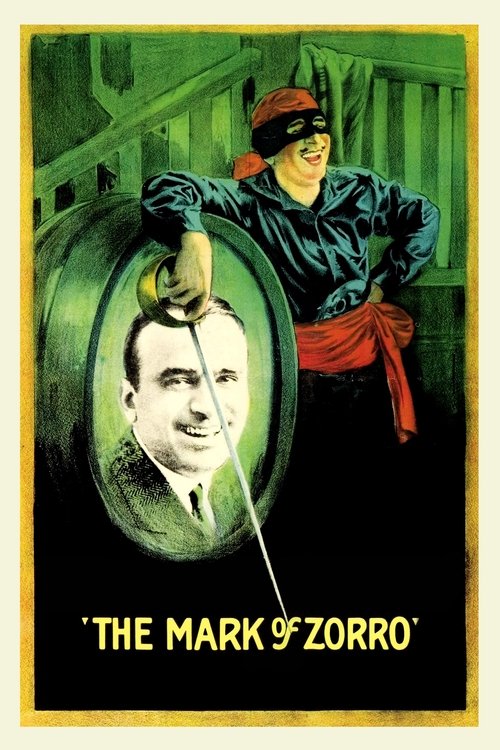
The Mark of Zorro1920
Douglas Fairbanks at his most athletic and charming in a proto-superhero narrative. It's fun, propulsive, and shows how a silent film can build suspense and excitement without relying on dialogue.
But The political dimensions are thin, and what passes for character complexity is minimal. It's pure adventure, which some will find lightweight.
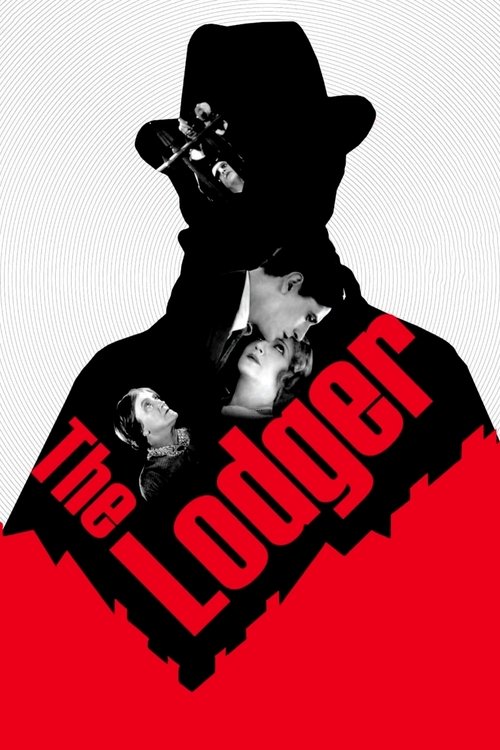
The Lodger: A Story of the London Fog1927
Hitchcock's first major film and a masterclass in visual storytelling: a psychological thriller about a mysterious lodger suspected of being Jack the Ripper. Paranoia, claustrophobia, and mounting dread all conveyed through framing and editing.
But The Jack the Ripper subject matter is grim, and Hitchcock's approach prioritizes style over plot coherence. You have to let mood carry you through narrative gaps.
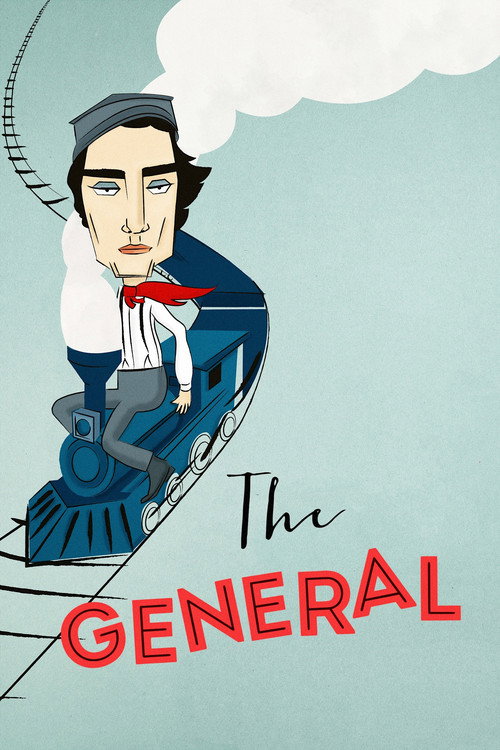
The General1926
Buster Keaton's masterpiece: a Civil War chase film that's both mechanically brilliant and surprisingly tender. The stunts are real, the pacing is perfect, and Keaton's face never breaks—which somehow makes it funnier.
But Silent comedy is its own language. If you're used to dialogue-driven humor, the rhythms here will feel alien until they click.
Nosferatu1922
German Expressionist horror at its most visually hypnotic: a vampire film that influenced everything after it. Max Schreck's Count Orlok is genuinely unsettling, and the design is more nightmarish than any dialogue could manage.
But It's slow and atmospheric rather than scary by modern standards. The plot is thin. If you need jump scares and pacing, this will feel tedious.

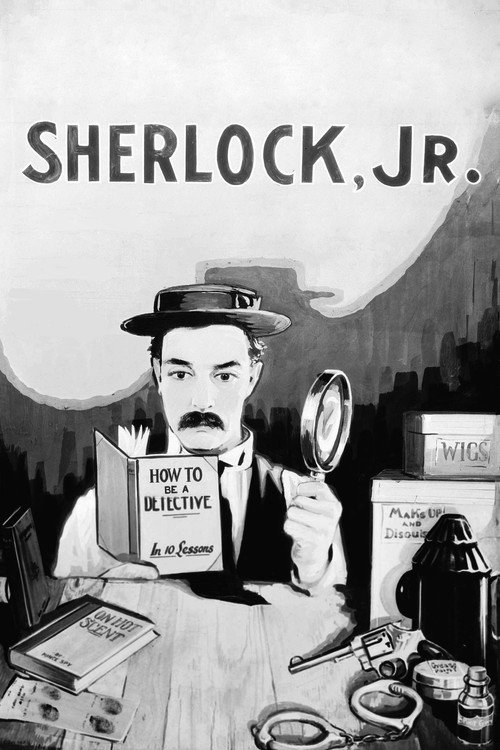
Sherlock Jr.1924
Buster Keaton again, but as a projectionist who dreams himself into a film. It's a playful meditation on cinema itself, full of impossible camera tricks and physical comedy. Sharp and inventive.
But At 45 minutes it's brief, and some gags don't land. The reflexive humor might feel lightweight if you're not in the mood for it.
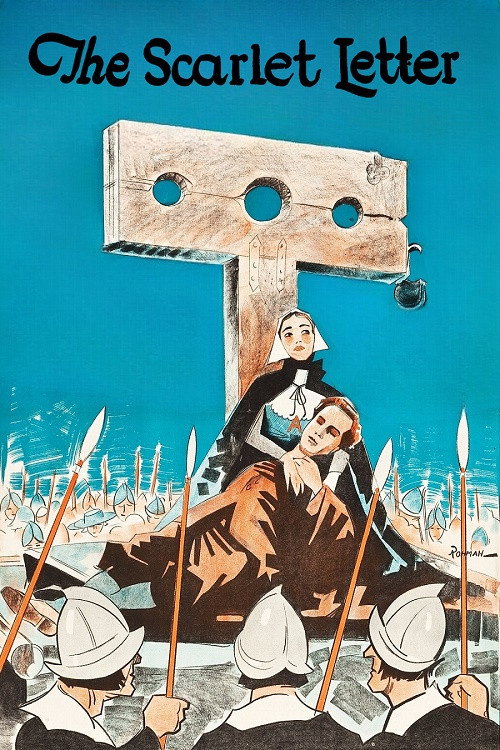
The Scarlet Letter1927
Lillian Gish (your film's star) in a surprisingly sensual adaptation of Hawthorne. It's gothic, visually rich, and explores shame and desire with more nuance than the era typically allowed.
But The Puritan moral framework means that sexuality and agency are punished. The ending will frustrate anyone hoping for female autonomy. It's a product of its time in ways that sting.
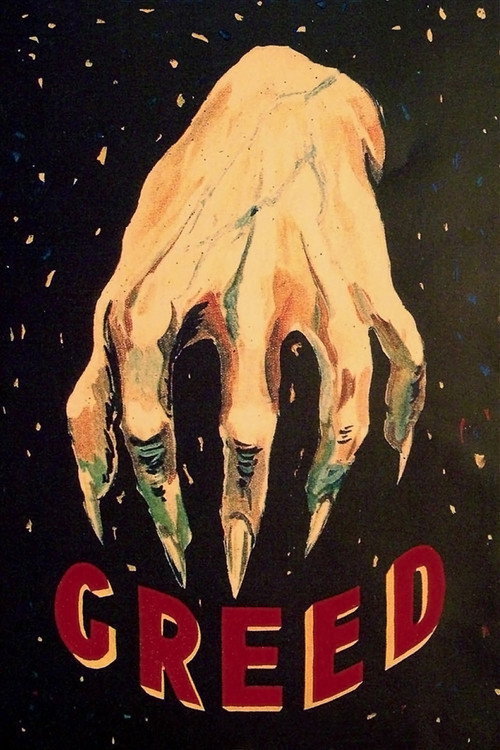
Greed1924
Both films center on a murder committed over a transaction involving valuable property. But where Wildfire's murder is a plot device in a melodrama, Greed's is the inevitable conclusion of a man's moral collapse—same event, different universe.
Erich von Stroheim's masterpiece: a four-hour (heavily cut from ten) naturalistic tragedy about a man destroyed by greed. It's savage, detailed, and utterly without sentimentality. The final Death Valley sequence is apocalyptic. Nothing like Wildfire's tone or ambition, but sharing its obsession with money and corruption.
But It's bleak, slow, and punctuated by title cards explaining the characters' psychology. The cuts are visible (Stroheim's original is lost). If you want uplift or narrative momentum, avoid this entirely. It's about watching someone destroyed.
People
Cast
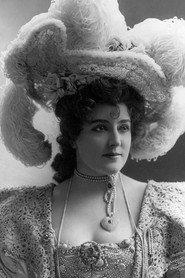 Lillian RussellHenrietta Barrington
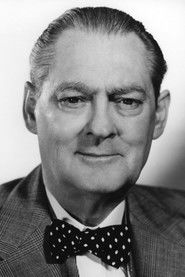 Lionel BarrymoreJohn Keefe
- William C. ChamberlinWalker
- James J. GormanGorman
- Riley HatchMatt Donovan (as William Riley Hatch)
- James J. JeffreyChappy Raster
- Walter KendigMarty Green
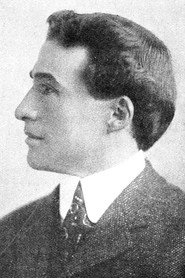 George E. MackMack (as Georgie Mack)
- Leone MorganMyrtle Barrington
- Stuart R. MorrisBob Barrington
- William PowersRalph Woodhurst
- Ruby RoseBetty
Directing
- Edwin MiddletonDirector
Writing
- C.B. HoadleyScenario Writer
- George BroadhurstTheatre Play
- George V. HobartTheatre Play