Television series
The Scarlet Letter
Other titles called The Scarlet Letter: the 1927 film, the 1934 film, the 1995 film.
- Period drama
- Slow-burning
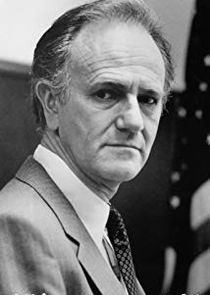
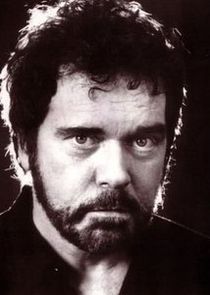
PBS's 1979 adaptation of Hawthorne's novel captures the moral complexity of Puritan America through Hester Prynne's defiance. It's a stately, literary production that takes its source material seriously—no melodrama, just the slow suffocation of rigid society and the cost of concealed shame. For readers who love the book and those new to it seeking substance.
Should you watch it?
Watch it if you want a faithful, talky period piece where the moral argument carries the weight, and you enjoy seeing a classic novel rendered closely on screen.
Skip it if you want the swooning romance or brisk plotting the word romance suggests; this is restrained, dialogue-heavy, and built on sermons and guilt rather than passion on screen.
What it asks of you: Four hour-long episodes that move at the unhurried pace of a Puritan settlement, asking you to sit through long conversations and heavy silences while public shame does its slow work.
Not sure? Find tonight's pick in a minute.
If you liked this
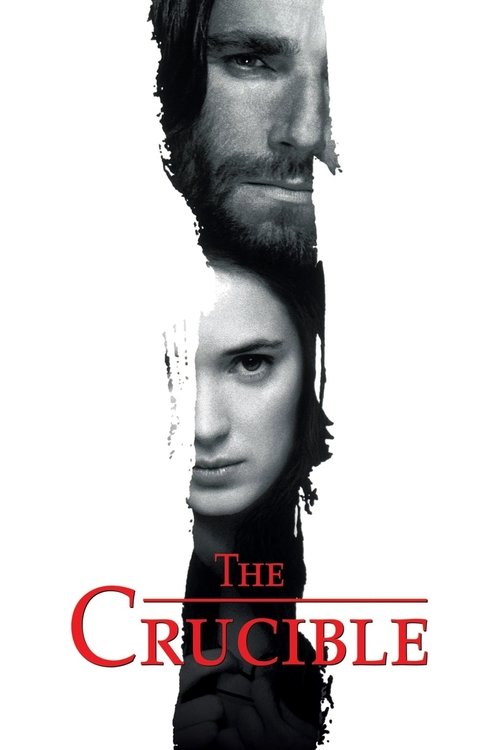
The Crucible1996
Arthur Miller's Salem witch trials play adapted with the same gravity as the novel itself. It examines how communities weaponise morality, and how fear breeds cruelty—the spiritual cousin to Hawthorne's themes of hypocrisy and judgment.
But A three-hour historical drama with little romantic relief. It's intellectually dense and deliberately paced, not interested in making the witch trials exciting.
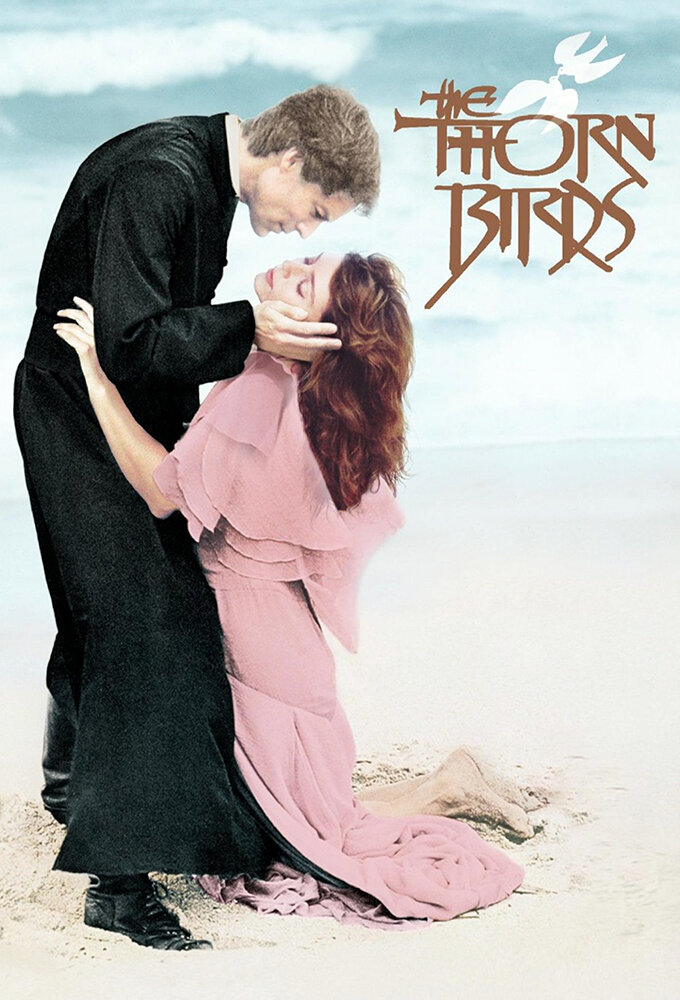
The Thorn Birds1983
Another forbidden passion set against religious authority: a priest and a young woman caught in impossible love across decades. It shares Scarlet Letter's interest in how institutions crush human feeling and how desire survives repression.
But Far more melodramatic and romance-forward than Hawthorne. It prioritises emotional sweep over moral complexity, which can feel shallow if you want substance.
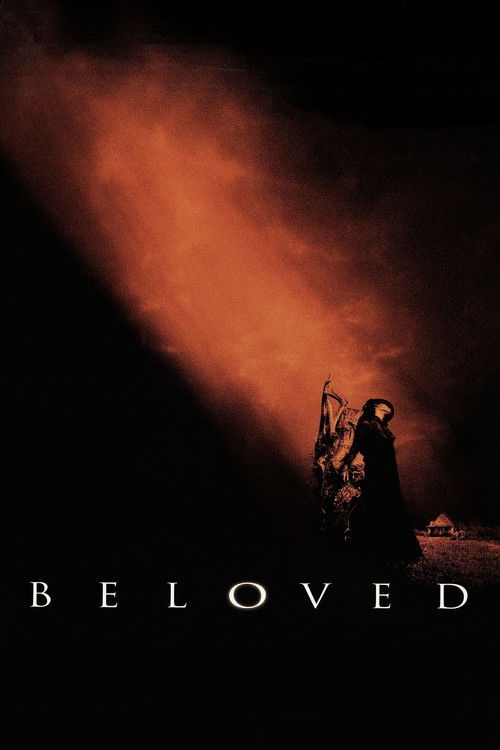
Beloved1998
Another American literary adaptation about trauma, guilt, and communities that destroy their own. Sethe's struggle against judgment echoes Hester's, and both films treat historical suffering with unflinching seriousness.
But Demanding and sometimes opaque, with supernatural elements that can feel disjointed. It requires active engagement and patience with ambiguity.
Not sure tonight? Get a pick in a minute, starting from The Scarlet Letter
The wildcard
Something you would not have found on your own.
Ikiru1952
Both examine how societies demand that individuals suppress their authentic selves, and how that suppression becomes a form of death. Watanabe and Dimmesdale are both men destroyed by their need to be seen as respectable.
Kurosawa's masterpiece about a dying bureaucrat searching for meaning—a meditation on judgment, redemption, and how a life lived in conformity becomes a life unlived. The emotional architecture mirrors Dimmesdale's slow death from hidden shame.
But A Japanese film from 1952 with a pace that feels glacial to modern viewers. No plot momentum; it's philosophical and introspective throughout.

More like this (6)
The Remains of the Day1993
A meditation on duty, repression, and unspoken passion set within an institution (an English manor). Stevens's suppression of his own heart mirrors the emotional suffocation Dimmesdale and Hester endure.
But Glacially slow and fundamentally sad. There's little catharsis—just quiet acceptance of wasted life.

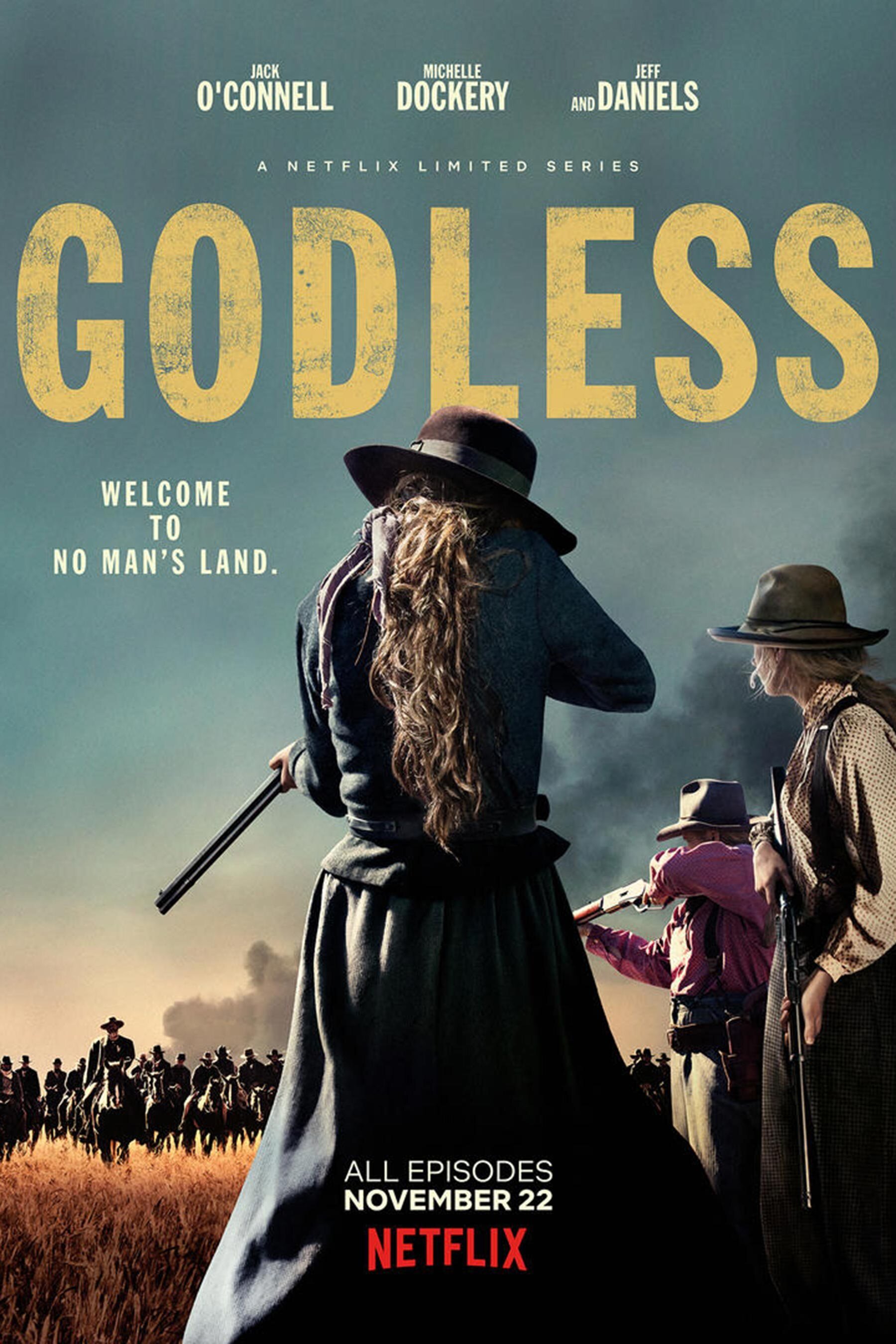
Godless2017
A Western about a town run by women that exiles a man, inverting power dynamics. It explores how communities enforce conformity and how individuality becomes transgression, themes central to Hawthorne.
But It's a contemporary Western, not historical literature. The tone is modern and sometimes feels at odds with its moral earnestness.
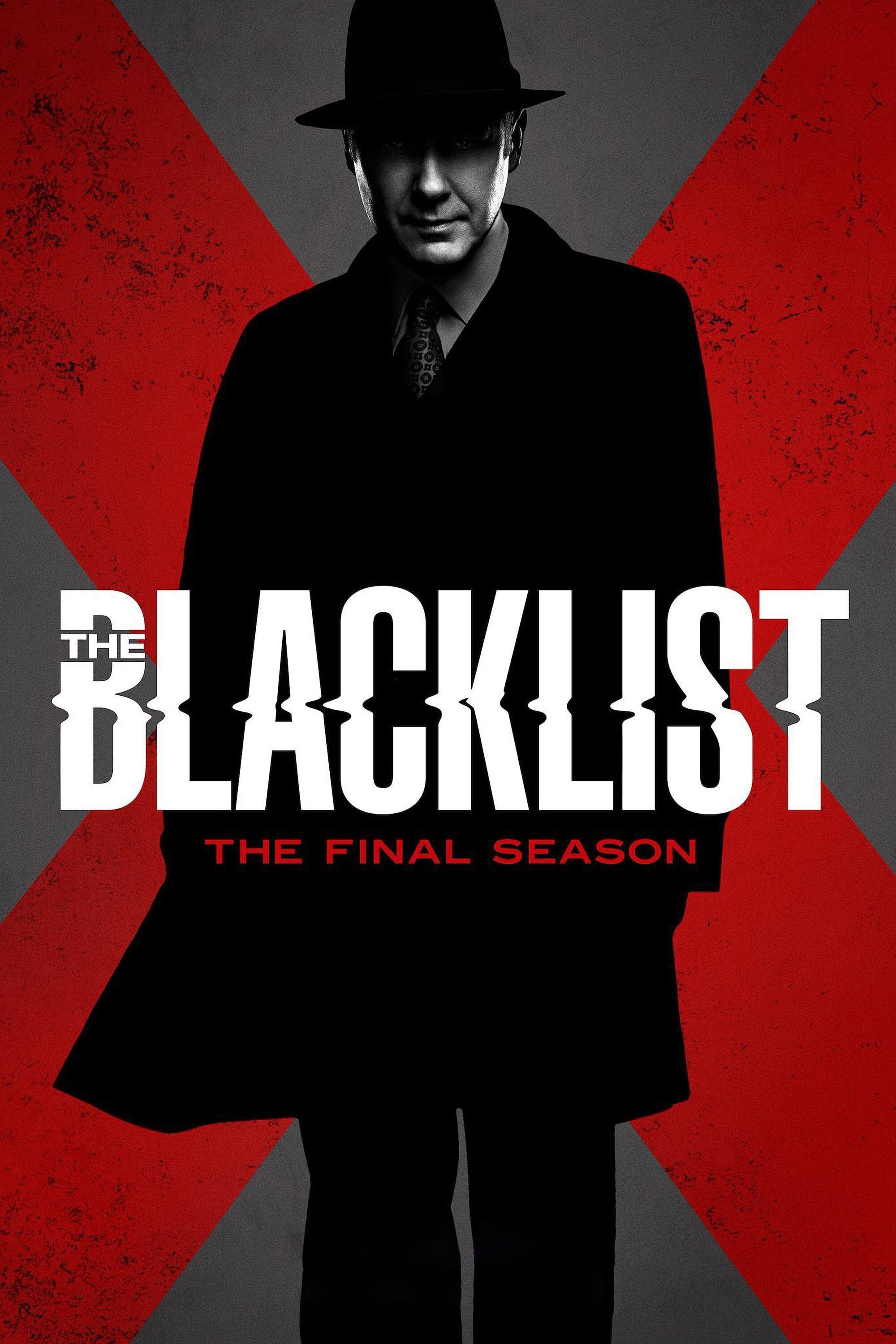
The Blacklist2013
A study of secrets, hidden identities, and how people manipulate and conceal. While a modern thriller, it shares Hawthorne's obsession with what people hide and why society demands it.
But It's a procedural spy drama, not a literary adaptation. The serialised format prioritises plot momentum over philosophical reflection.
The Night of the Hunter1955
A dark fever dream of American Protestantism corrupted, with a serial-killer preacher who embodies false piety. It's visually audacious and explores how religious authority conceals monstrosity.
But Stylised and expressionistic in ways that can feel overwrought. Its moral universe is bleaker and less human than Hawthorne's.

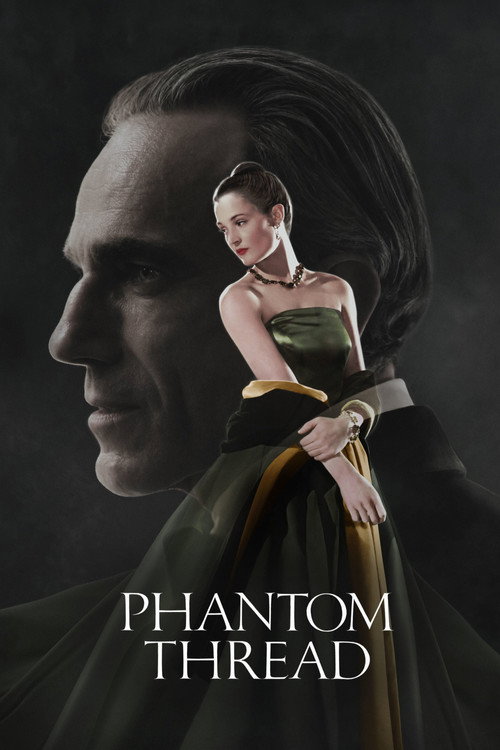
Phantom Thread2017
Like Hawthorne, Anderson is fascinated by how beauty and morality can mask cruelty, and how the appearance of propriety conceals complex, darker truths about power and desire.
Paul Thomas Anderson's film about control, obsession, and the violence hidden within aesthetic perfection and duty. It's a slow-burn psychological study of submission and the ways people weaponise propriety.
But Austere and sensual at once, sometimes to the point of discomfort. Watching it feels like being trapped in someone else's neurosis, which is by design.
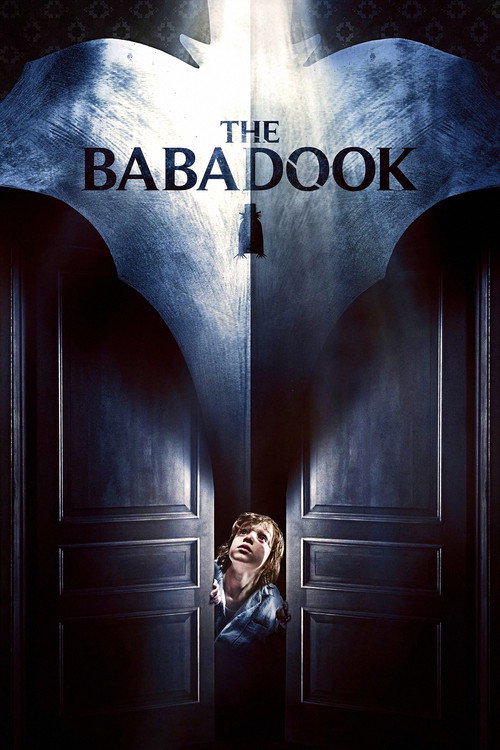
The Babadook2014
Both work through metaphor: the scarlet letter and the Babadook are visual embodiments of shame and guilt that cannot be hidden or forgotten, only survived.
An Australian horror film where the monster is grief, guilt, and the ways trauma metastasises within families. It treats psychological horror with the same seriousness Hawthorne brings to sin—not as spectacle, but as a living weight.
But It's a horror film, which can feel tonally remote from literary drama. The scares are psychological, not visceral, which some find less satisfying than others.