
Film
The Exquisite Sinner
A young man escapes the stifling business world for bohemian Paris, where artistic dreams collide with passion and deception. This 1926 silent drama is sleek and sophisticated, caught between two directorial visions—the original Josef von Sternberg's sensual eye and later studio revisions. It's for anyone drawn to silent cinema's visual poetry and the eternal tension between respectability and desire.
If you liked this
Sunrise: A Song of Two Humans1927
Another masterpiece of late silent cinema, equally gorgeous and morally complex. A man tempted from his marriage finds redemption through catastrophe. The visual storytelling is breathtaking.
But The pacing is deliberate and the emotional register is heavy. If you're used to modern narrative speed, it can feel glacial.

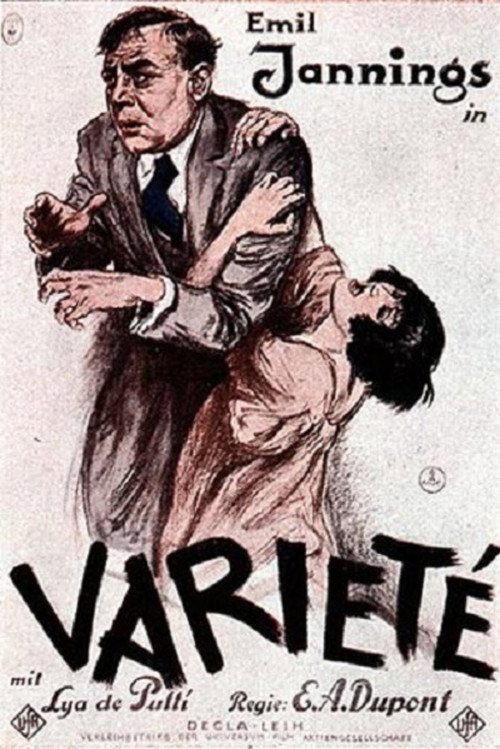
Variety1925
F.W. Murnau explores the world of circus performers with the same visual sophistication and moral ambiguity. Jealousy, desire, and the cost of ambition drive the narrative forward.
But It's a silent film with intertitles, and the print quality varies. You have to actively engage rather than passively consume.
The Phantom Carriage1921
Swedish masterpiece about a man haunted by his choices, balancing supernatural drama with intimate human consequence. Visually inventive and emotionally devastating.
But The supernatural elements might feel dated, and the moral framework is deeply religious in ways that won't resonate with everyone.

Not sure tonight? Get a pick in a minute, starting from The Exquisite Sinner
The wildcard
Something you would not have found on your own.
Pandora's Box1929
Both grapple with desire as a force that ruptures social order. Where Exquisite Sinner asks what happens when a man seeks freedom, Pandora's Box asks what happens when a woman embodies it. The moral language is inverted.
G.W. Pabst's final silent masterpiece: Louise Brooks as Lulu, a woman of appetite who destroys men with her mere existence. The inverse of your film—here the bohemian isn't the dreamer but the force that undoes respectability itself. Formally audacious, morally unsettling, hypnotic.
But The sexual content—and what it costs the men around her—might read as misogynistic depending on how you interpret it. The ending is bleak.

More like this (8)
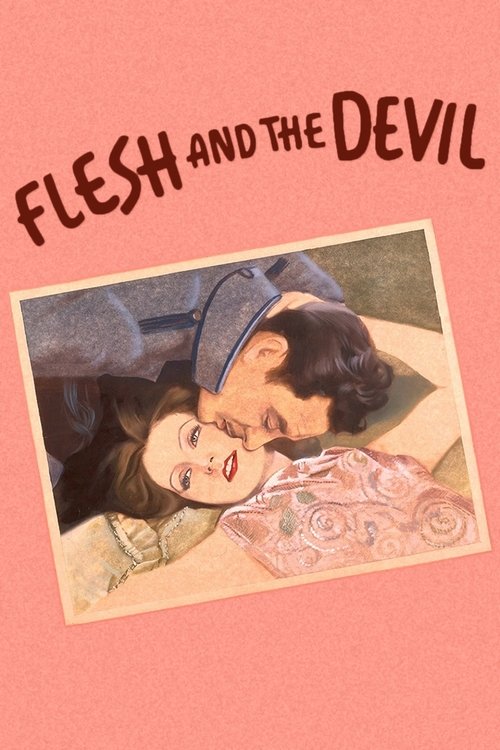
Flesh and the Devil1926
Greta Garbo and John Gilbert in a tempestuous affair that destroys friendships and reputations. Raw sensuality beneath the period setting; often considered one of the finest silent romances.
But The plot hinges on sexual jealousy in ways that can feel overwrought. The ending might strike you as melodramatic.
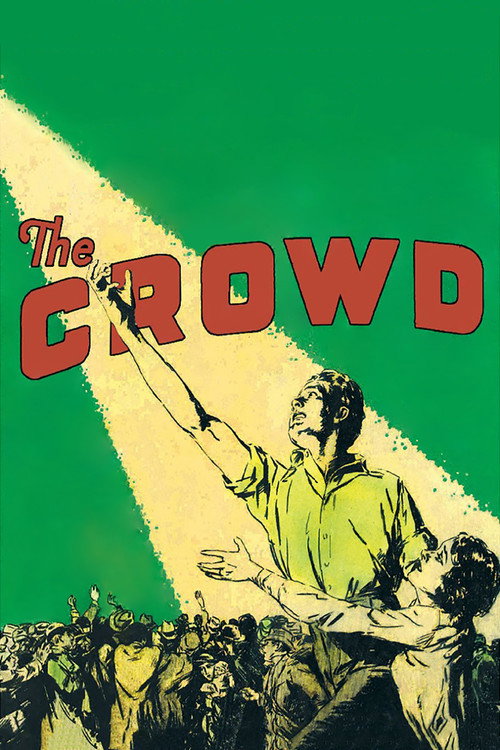
The Crowd1928
King Vidor's portrait of ordinary ambition and disappointment in modern America. A man seeks escape from mediocrity just as your protagonist does, but finds the world indifferent.
But It's deliberately unglamorous and the narrative offers no easy comfort. The tone is relentlessly downbeat.
Nosferatu1922
German Expressionism at its peak. Visual poetry applied to horror creates an atmosphere that lingers. The formal beauty of the cinematography is astonishing.
But It's a vampire film, and if horror elements don't interest you, the story feels slight beneath the style.

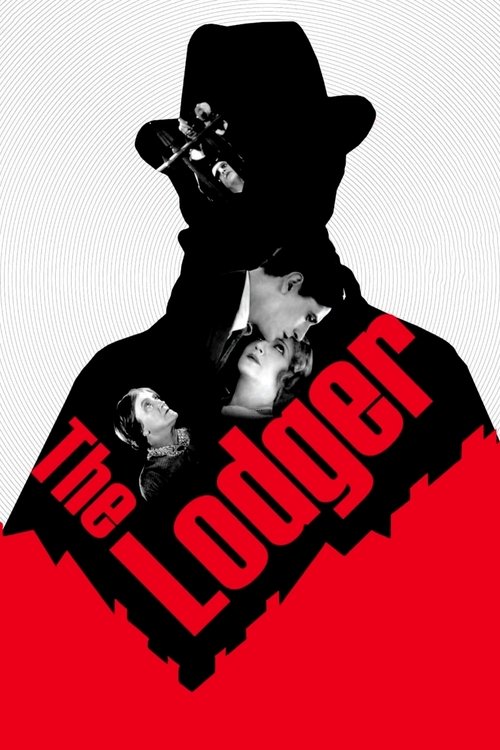
The Lodger: A Story of the London Fog1927
Hitchcock's exploration of suspicion and urban unease, with a protagonist whose intentions remain ambiguous. Technically inventive and psychologically unsettling in ways that feel modern.
But The mystery plot requires tolerance for red herrings and the resolution can feel anticlimactic.
Metropolis1927
Monumental German sci-fi drama about class conflict and individual desire in a futuristic city. The production design and visual scale remain stunning, the social questions still bite.
But It's nearly three hours, it's political in ways that can feel heavy-handed, and the restored cuts make it harder to know which version to watch.

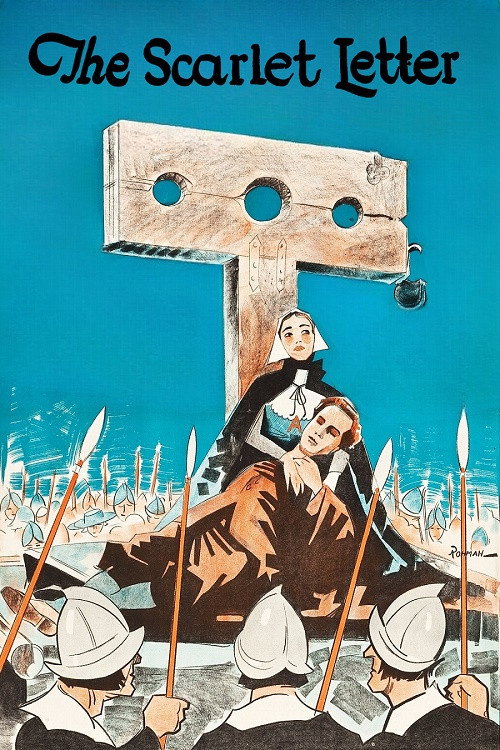
The Scarlet Letter1927
Lillian Gish in an adaptation of Hawthorne that captures the spiritual torment beneath the plot. A study in shame, desire, and the gap between public and private self.
But Puritanical moralism suffuses the story. The theological framework will feel distant if you're not attuned to it.
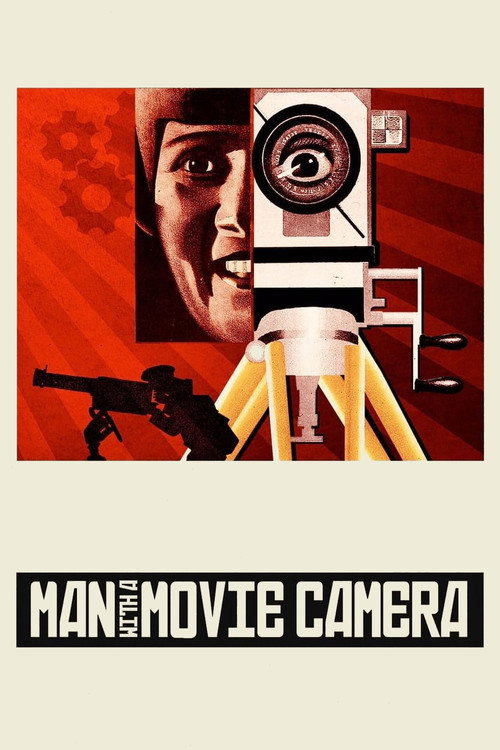
Man with a Movie Camera1929
Both are obsessed with modern life and the contrast between the bohemian/artistic impulse and industrial society. But where Exquisite Sinner dramatizes the tension through character, Vertov dissolves it entirely into form. It's the same question asked in a completely different language.
Dziga Vertov's Soviet documentary symphony about urban life, shot and edited with breathtaking formal ingenuity. No plot, no actors—just pure cinema as a way of seeing. The energy is intoxicating.
But It's experimental and structurally challenging. If you need narrative or character to hold your attention, this will feel like watching an avant-garde exercise rather than a film.
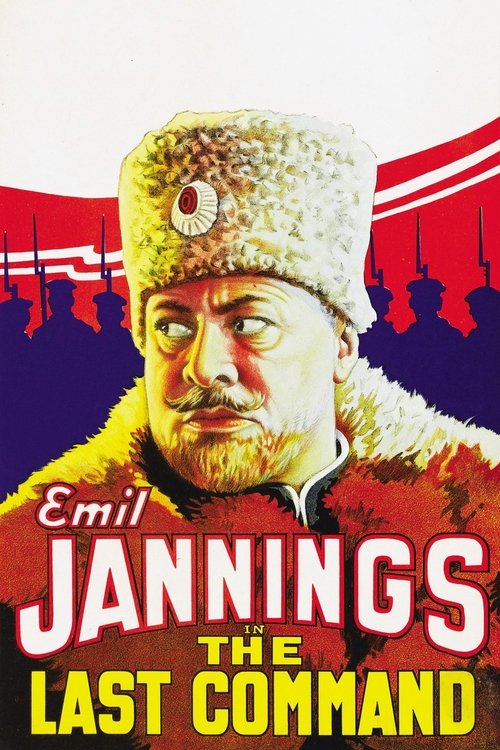
The Last Command1928
This is your film's original director making a thematic twin: both are about men undone by their own desires and the world's refusal to accommodate them. Sternberg's visual and emotional language is on full display here, answering the question of what he originally intended for Exquisite Sinner.
Emil Jannings as a Tsarist general reduced to an extra in Hollywood, haunted by his former glory. Josef von Sternberg's direction (the original Exquisite Sinner director) is moody and psychologically probing. A meditation on fall, exile, and the cost of survival.
But It's slow and introspective. Nothing happens in a plot sense; it's entirely interior. The Russian émigré pathos might feel narrow if you don't engage with that specific historical moment.
People
Cast
 Conrad NagelDominique Prad
 Renée AdoréeSilda
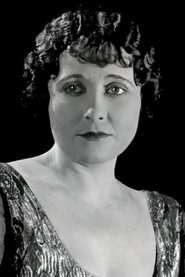 Paulette DuvalYvonne
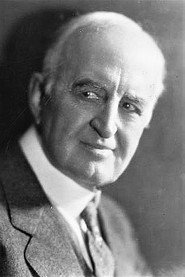 Frank CurrierColonel
 George K. ArthurColonel's Orderly
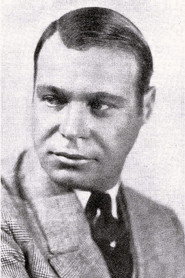 Matthew BetzGypsy Chief
 Helena D'AlgyDominique's Sister
 Claire Du BreyDominique's Sister
 Myrna LoyLiving Statue
Directing
- Robert FloreyAssistant Director
- Josef von SternbergDirector
- Phil RosenDirector
Writing
- Alden BrooksNovel
- Alice D.G. MillerWriter
- Josef von SternbergWriter