
Film
The Story of Temple Drake
- Crime
- Social drama
- Very dark
A 1933 Pre-Code crime drama about a judge's granddaughter dragged into the criminal underworld after a harrowing assault. Miriam Hopkins delivers a raw, morally complicated performance in a film that refused the usual morality-play endings. It's unflinching about trauma and its aftermath, restless with period atmosphere, made when Hollywood still had sharp teeth.
If you liked this
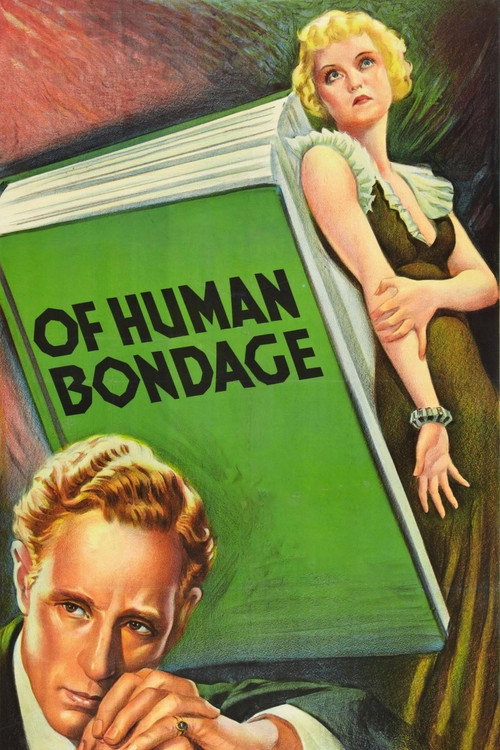
Of Human Bondage1934
Bette Davis in a corrosive role as a waitress who destroys the men around her. Like Temple Drake, it's a portrait of a woman whose sexuality is her power and her ruin, played without sentimentality or rescue fantasies.
But The melodrama can feel dated, and Davis's character's motivations occasionally slip into the murky. Some find her arc punitive rather than tragic.
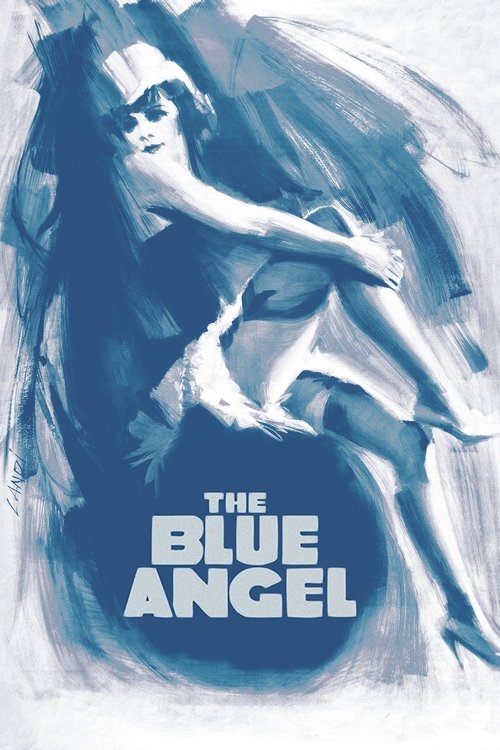
The Blue Angel1930
Marlene Dietrich as a cabaret singer who unmakes a respectable man. Pre-Code cinema's most corrosive look at how desire and performance can destroy. The atmosphere is thick, the inevitability suffocating.
But It's in German (the English version exists but is inferior), and the pacing is deliberate. The tragedy can feel heavy-handed if you're not in the mood.
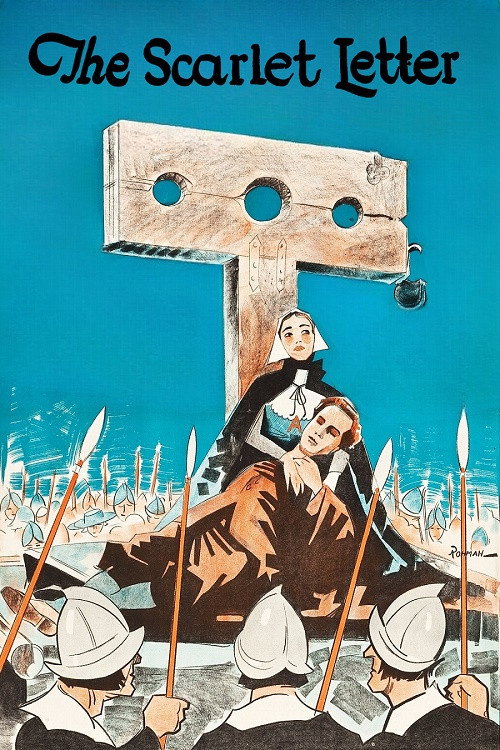
The Scarlet Letter1927
Lillian Gish in a silent film about a woman branded by her own sexuality in a puritanical society. Like Temple Drake, it's about how communities punish women for what happens to them, with Gish's face doing the heavy lifting.
But Silent cinema requires adjustment. The film is more about Gish's suffering than complexity, which can feel like the opposite problem from what Temple Drake attempts.
Not sure tonight? Get a pick in a minute, starting from The Story of Temple Drake
The wildcard
Something you would not have found on your own.
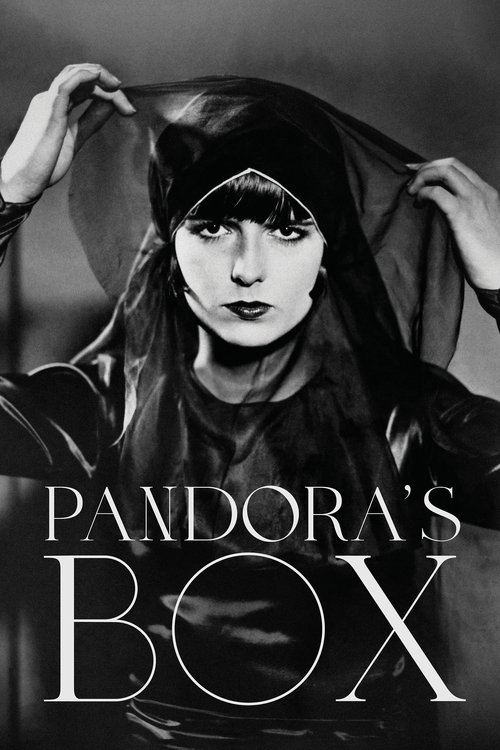
Pandora's Box1929
Both films feature a woman whose sexuality makes her a target for destruction by men and society alike; both refuse to moralize about it or offer easy redemption. But where Temple Drake emphasizes trauma and entrapment, Pandora's Box suggests the woman herself may be the most dangerous element.
G.W. Pabst's German silent masterpiece, with Louise Brooks as Lulu, a woman whose erotic magnetism destroys everyone who touches her. It predates Temple Drake and shares its fascination with female desire as both power and catastrophe, but Brooks plays it without self-pity—she is amoral, not victimized.
But It's silent, it's German Weimar cinema (emotionally bleak), and it genuinely unsettles. Brooks's Lulu is fascinating but not likable.
More like this (8)
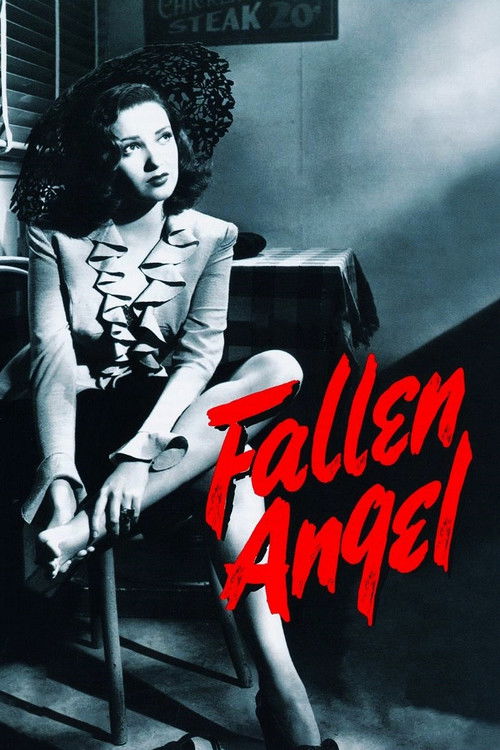
Fallen Angel1945
Alice Faye plays a woman whose beauty becomes a death sentence. A noir that understands how a woman can be simultaneously culpable and victimized, with real moral ambiguity in every frame.
But It's a murder mystery where the mystery isn't the real point, which frustrates some viewers. The ending divides people about what it's actually saying.
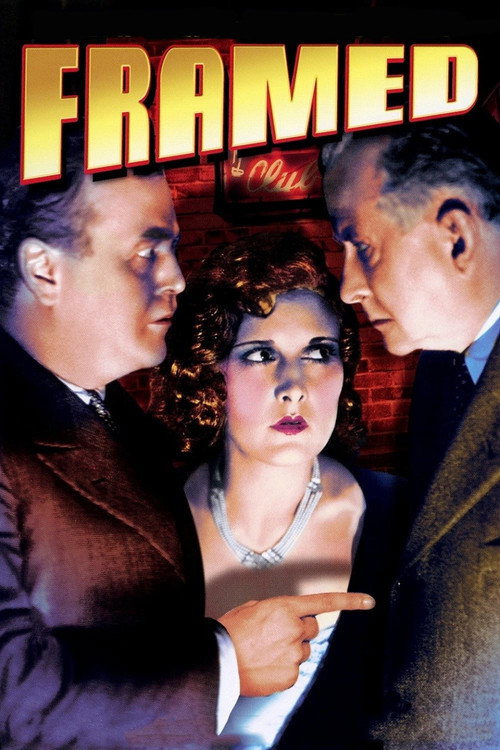
Framed1930
An obscure Pre-Code gem about a woman caught between desire and respectability. Made in the same moment as Temple Drake, with similar moral fearlessness and a refusal to redeem its heroine.
But It's genuinely hard to find in good condition. The print quality varies wildly depending on source.
Intolerance: Love's Struggle Throughout the Ages1916
D.W. Griffith's epic cross-cutting four stories of persecution across history. Temple Drake shares its interest in how societies destroy women for transgression; the scope here is enormous and formally revolutionary.
But It's three-and-a-half hours of silent cinema with a narrative structure that demands active watching. The Babylon sequence alone will test patience.

The Lodger: A Story of the London Fog1927
Hitchcock's first thriller, a visual masterclass about suspicion and wrongful accusation in a claustrophobic London boarding house. Like Temple Drake, it explores how quickly a person can be consumed by circumstances beyond their control.
But It's a silent film with a plot that modern audiences sometimes find slight. The psychosexual subtext matters more than the actual mystery.

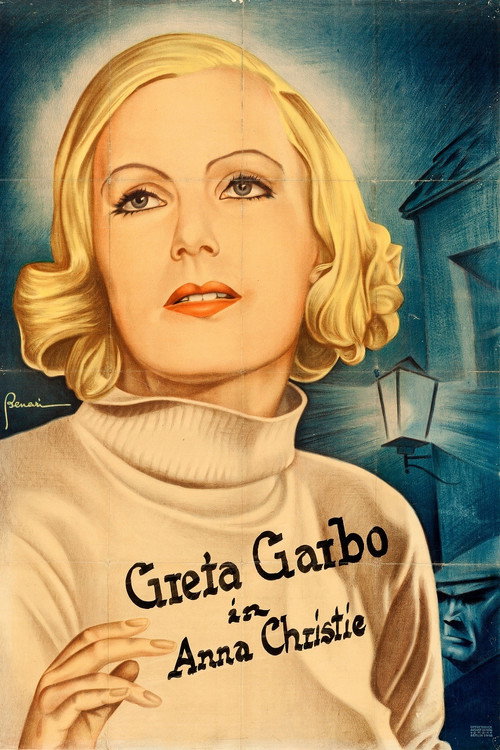
Anna Christie1930
Greta Garbo's first sound film, playing a woman with a shameful past trying to escape her own history. The performances are extraordinary, and the film understands that redemption is more complicated than confession.
But It's stagey in places—adapted from Eugene O'Neill, it shows. Some found Garbo's voice disappointing when she finally spoke.
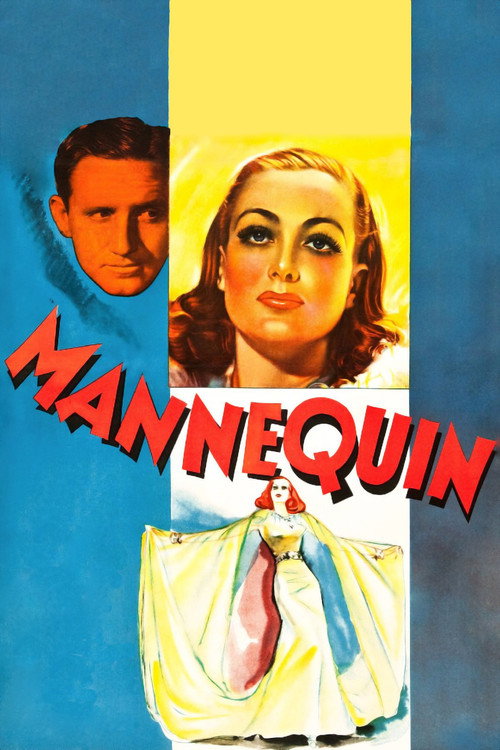
Mannequin1938
Joan Crawford as a working-class woman navigating love and survival. Later than Temple Drake but operating in the same register: women using what they have to survive, without apology or punishment.
But It's more conventional than Temple Drake—Crawford's character gets her happy ending. If you're looking for moral complexity, this softens it.
In a Lonely Place1950
Both films are about how the world closes around you once you're marked—either as a victim or as guilty. Both use the criminal underworld or criminal suspicion as a trap with no exit. Both are more interested in the psychology of entrapment than in plot resolution.
Ray's film noir about a volatile man suspected of murder. Not about a woman's trauma—about how accusation and suspicion can poison a life regardless of guilt. The paranoia and claustrophobia echo Temple Drake's descent, but turned inward into the accused man's psychology.
But Humphrey Bogart is cruel and self-destructive here, not sympathetic. The ending refuses catharsis. If you want a protagonist to root for, this will frustrate you.

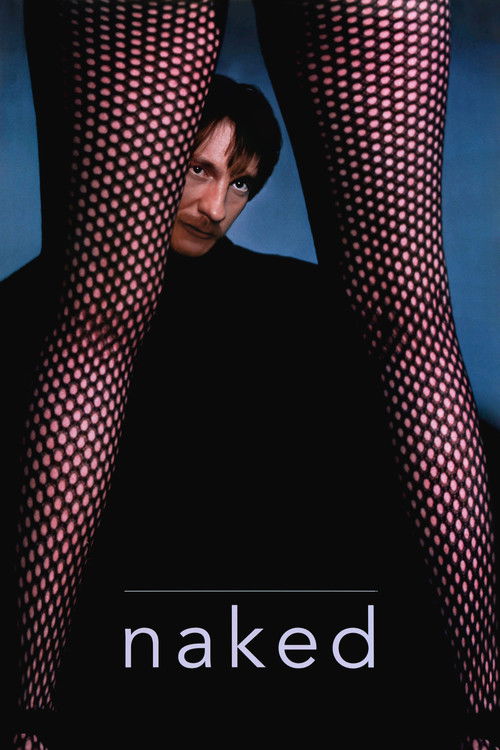
Naked1993
Temple Drake shows how violence reshapes a woman's life and self. Naked shows the flip side: how a man broken by circumstance becomes violent in turn. Both films refuse sentimentality about trauma and both understand that survival doesn't equal healing.
Mike Leigh's brutal, brilliant film about a misanthropic man wandering London talking philosophy and abuse. It's not about a woman, but it's about how trauma and powerlessness turn into cruelty, and how the world punishes those who have already been damaged.
But It's relentlessly bleak and misogynistic (the character is)—not for anyone seeking uplift. The dialogue is improvisational and sometimes impenetrable. At 131 minutes, it earns every ounce of its grimness.
People
Cast
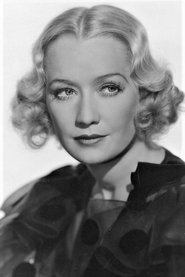 Miriam HopkinsTemple Drake
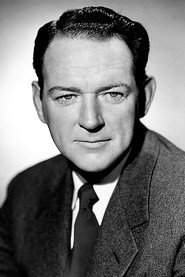 William GarganStephen Benbow
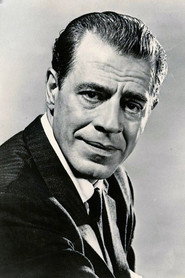 Jack La RueTrigger
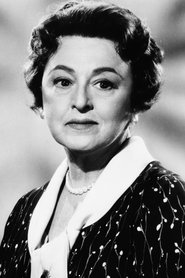 Florence EldridgeRuby Lemarr
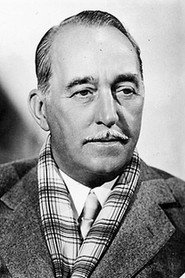 Guy StandingJudge Drake
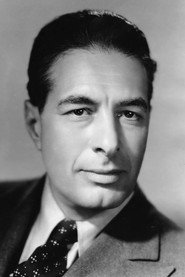 Irving PichelLee Goodwin
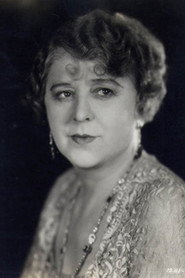 Jobyna HowlandMiss Reba
 William Collier Jr.Toddy Gowan
 Elizabeth PattersonAunt Jennie
- James EaglesTommy
Directing
- Stephen RobertsDirector
Writing
- William FaulknerNovel
- Oliver H.P. GarrettScreenplay
Production
- Benjamin GlazerProducer