
Film
Framed
Other titles called Framed: the 1975 film.
A 1930 crime melodrama where a woman plotting revenge against a corrupt cop gets tangled up in bootlegging, forbidden romance, and moral compromise. Briskly paced, heavily stylized in that early-talkie way—lots of hard dialogue and sharper angles than the plot strictly requires. For anyone drawn to pre-Code Hollywood's darker edges and the particular electricity of early sound cinema.
If you liked this
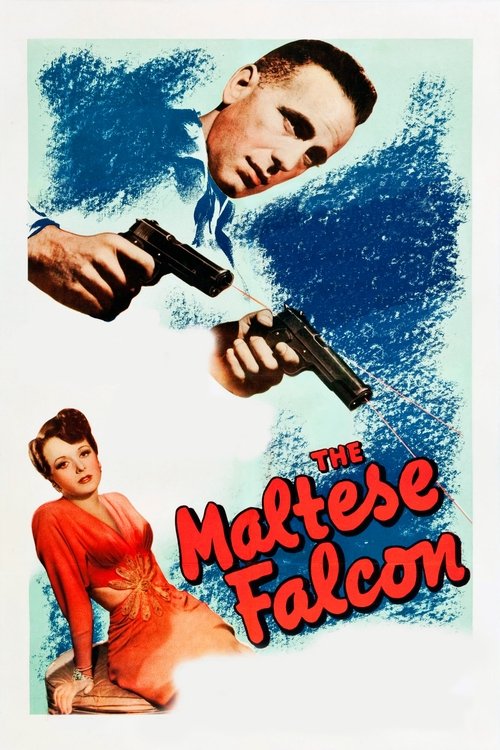
The Maltese Falcon1941
Dashiell Hammett's cynical, sharp-tongued detective story set the template for American crime cinema. Bogart, Lorre, Greenstreet: a masterclass in how to make intrigue feel like a conversation.
But It's deliberately cold and a bit convoluted. If you want your crime stories to have a beating heart, this one runs on pure plot machinery.
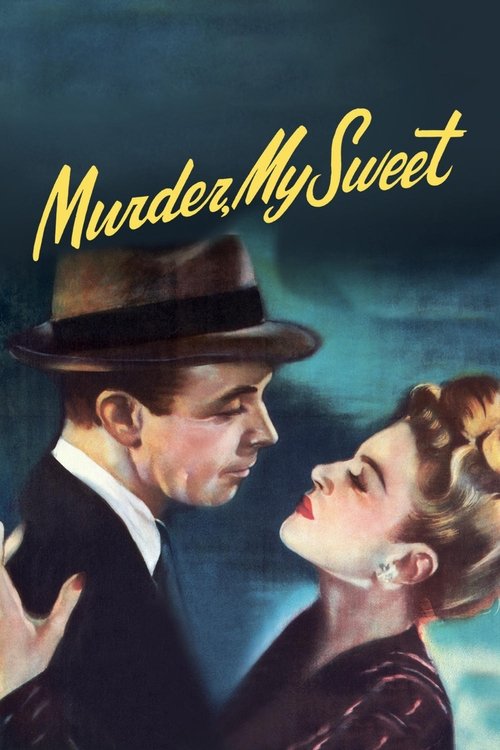
Murder, My Sweet1944
Dick Powell as a piano player drowning in femme fatales and murder. Gorgeously shot noir with genuine emotional weight beneath the twists—a woman's deception that cuts deeper than just plot.
But The middle section drags and the ending pivots in ways that can feel manipulative if you're not already invested in the lead.
The Killing1956
Kubrick's lean racetrack heist film jumps through time like a broken record, each angle revealing new treachery. Tense, clever, and over in 85 minutes before you catch your breath.
But The fractured chronology can feel gimmicky on first viewing. Some find the stylistic flourishes more interesting than the people.

Not sure tonight? Get a pick in a minute, starting from Framed
The wildcard
Something you would not have found on your own.
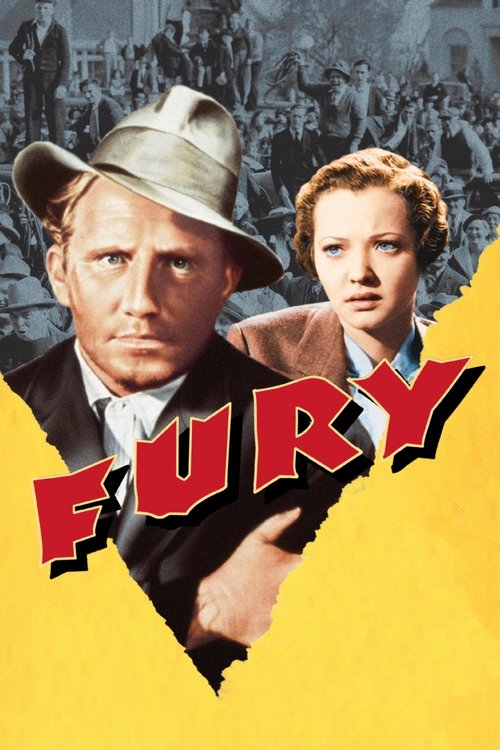
Fury1936
Both explore the machinery of false accusation and revenge, but Lang treats it as towering tragedy while *Framed* plays it as pulp plot. Same engine, different register entirely.
Fritz Lang's American debut: an innocent man accused of murder, nearly lynched by a mob. The town itself becomes the villain. It's *Framed* but with the volume turned up and the moral stakes genuinely tragic.
But The first half is a searing indictment of mob violence. Some find the resolution too neat after everything that precedes it.
More like this (8)
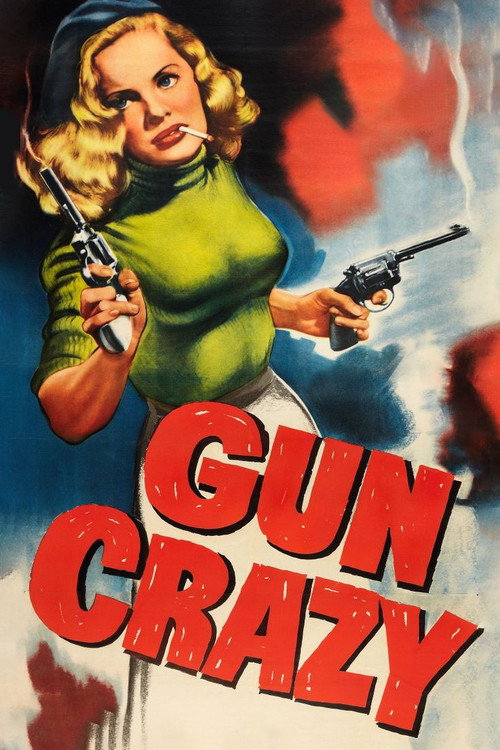
Gun Crazy1950
A woman with a gun teaches a young man how to live dangerously. Raw, seductive, predates Bonnie and Clyde by fifteen years and moves with genuine anarchic energy.
But The pacing is erratic and the second half loses some of the electric charge of the setup. It's also very much a product of its moment.
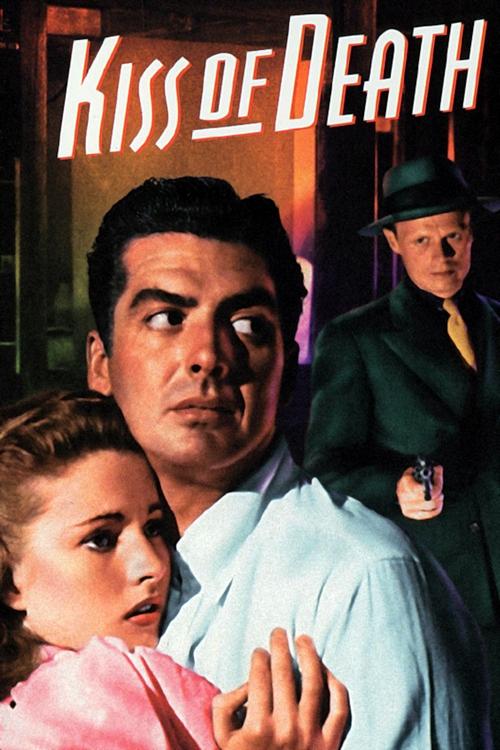
Kiss of Death1947
An informant's wife drives him toward betrayal and ruin. Noir with real psychological texture—the woman isn't a prize but a corrosive force, the revenge-plot engine that tears everything apart.
But Dated dialogue and some scenes feel stagey. The moral architecture is rigid by modern standards.
In a Lonely Place1950
Bogart as a screenwriter accused of murder, unraveling under suspicion. Sordid, intimate, and genuinely about how suspicion and jealousy destroy love from the inside out.
But Very slow-burn and introspective. Not a plot-driven thriller—it's about watching a man's worst self emerge.

The Asphalt Jungle1950
Huston's template for the heist film: ensemble of desperate men, careful planning, the rot that sets in. Influential and absolutely still gripping.
But It's procedural and somewhat dry. Some find the genre-template aspect more fascinating than any individual character.

The Killers1946
Siodmak's adaptation of Hemingway's short story expands the frame to show why a man would let himself be murdered. Burt Lancaster at the beginning of his greatness.
But The opening is so good that the middle-section flashbacks feel less gripping. Some consider it uneven.

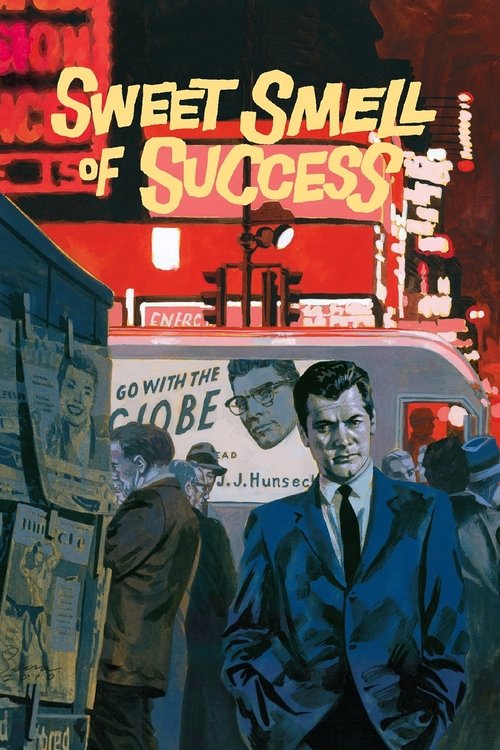
Sweet Smell of Success1957
A desperate press agent and a vicious gossip columnist in a toxic symbiosis. The dialogue is Shakespearean venom wrapped in 1950s Broadway dirt. Rank poison, absolutely alive.
But The morality is bleak and the characters despicable—there's no one to root for. The pace is deliberate and the ending punishes everyone.
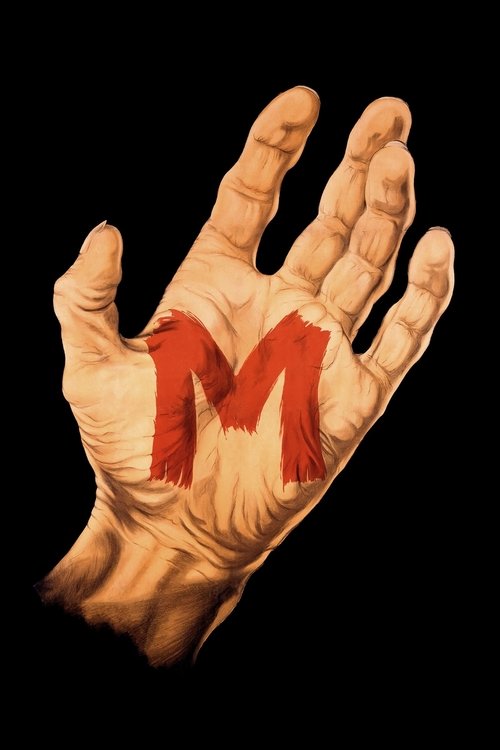
M1931
Both are early-sound crime films obsessed with how accusation and revenge warp everyone it touches. *M* is what happens when you take *Framed*'s premise and refuse to let anyone off easy.
Lang's German masterpiece about the hunt for a child murderer—a society consumed by suspicion and vengeance. Every class, every institution turns monstrous. Technically extraordinary and morally shattering.
But It's in German with subtitles. The pacing is deliberate and the violence is offscreen but psychologically devastating. Not entertainment in the conventional sense.
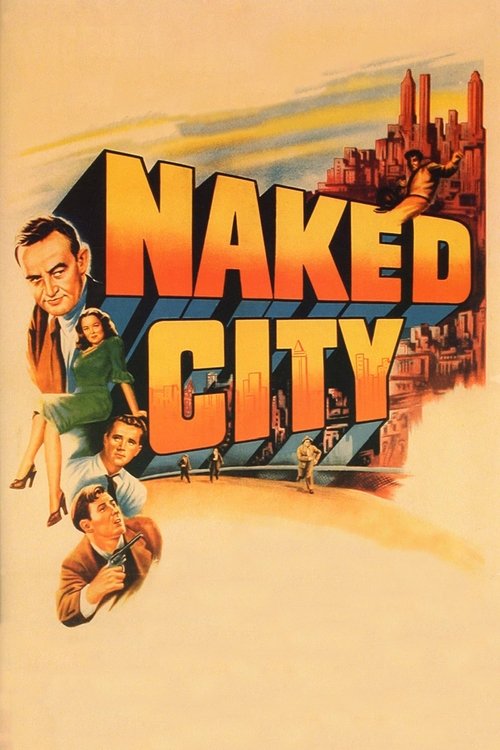
The Naked City1948
Where *Framed* is stylized revenge-plot machinery, *The Naked City* is the same crime-and-betrayal world but approached as documentary fact rather than lurid entertainment. Same era, opposite temperatures.
Dassin's semi-documentary police procedural shot entirely on location in New York. A jewel-theft murder told through the eyes of the cops, the city itself a character. Unglamorous, tactile, alive.
But There's no single protagonist to follow—the focus shifts between detectives and suspects. The realism means less melodrama, more bureaucracy and routine.
People
Cast
 Evelyn BrentRose Manning
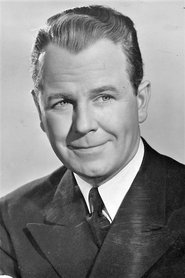 Regis ToomeyJimmy McArthur
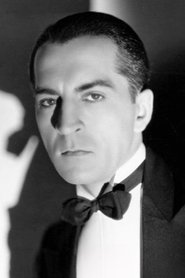 Ralf HaroldeChuck Gaines
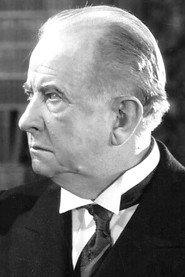 William HoldenInspector 'Butch' McArthur
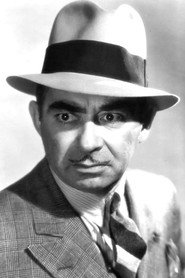 Maurice BlackBing Murdock
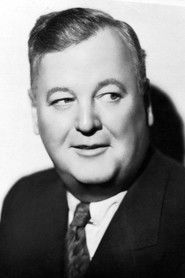 Robert Emmett O'ConnorSergeant Schultze
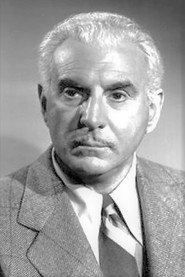 Eddie KaneHead waiter
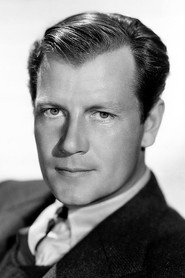 Joel McCreaWaiter (uncredited)
- Frank MillsFrank - Waiter (uncredited)
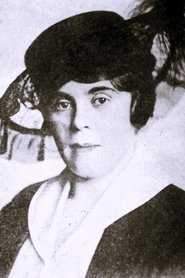 Dorothy VernonMrs. Potter - Cleaning Woman (uncredited)
Directing
- George ArchainbaudDirector
Writing
- Wallace SmithDialogue
- Paul SchofieldOriginal Story
- Paul SchofieldScreenplay
Production
- Henry HobartAssociate Producer
- William LeBaronProducer
Recommended by
The Story of Temple Drake, Three on a Match, The Easiest Way