
Film
The Fall of Babylon
A 1919 epic extracted from D.W. Griffith's ambitious *Intolerance*, telling the Babylon storyline as its own film. A mountain girl fights to save the king from palace intrigue and religious corruption. What remains is visually gorgeous, morally earnest, and occasionally slow—a window into silent cinema's grandeur and its occasional stumbles.
Should you watch it?
Watch it if you love silent-era epics where crowds, painted sets and intercut stories carry the emotion, and you don't mind a stagey, operatic performance style.
Skip it if you need dialogue cards and plot logic that holds together, since this is a fragmentary, sometimes tangled excerpt of a larger film and its acting is broad.
What it asks of you: Expect a brisk hour of intertitles, rapid scene changes and big gestures, with little room to settle into quiet moments.
Not sure? Find tonight's pick in a minute.
If you liked this
Intolerance: Love's Struggle Throughout the Ages1916
Griffith's original four-story epic contains this Babylon sequence in full, plus three other historical narratives woven into one film about prejudice across time. A genuine masterwork of scale and ambition.
But At 165 minutes with intertitles, it demands patience. Some of Griffith's social commentary has not aged well, and the editing can feel didactic rather than propulsive.

Nosferatu1922
German Expressionist horror using stark compositions and shadow to create dread without dialogue. Proof that silent cinema could be visceral and frightening—still unsettling after a century.
But The pacing is deliberate and the horror is slow-burn. If you want scares rather than atmosphere, this won't deliver them quickly enough.

The Phantom Carriage1921
A Swedish ghost story that feels like a dream: moral reckoning, stunning visual effects, and a soul-deep sadness about wasted lives. Genuinely moving and surprisingly modern in its emotional register.
But The story unfolds in a glacial, repetitive loop that mirrors its protagonist's spiritual torment. It requires you to surrender to its pace rather than follow conventional plot momentum.

Not sure tonight? Get a pick in a minute, starting from The Fall of Babylon
The wildcard
Something you would not have found on your own.
The Cabinet of Dr. Caligari1920
Both use the frame itself as a character. *Babylon* builds monumental sets to express faith and order; *Caligari* fractures and twists its sets to express spiritual corruption and breakdown. Opposite architectures for opposite moral states.
A German Expressionist nightmare: distorted sets, warped shadows, a madness that infects the entire frame. The first true horror film and still the most visually hallucinatory. Proof that cinema could be a medium for the irrational.
But The artifice is absolute—painted sets, artificial shadows, no location realism. Some viewers experience it as theatrical rather than cinematic, and the plot twist divides opinion sharply.

More like this (7)
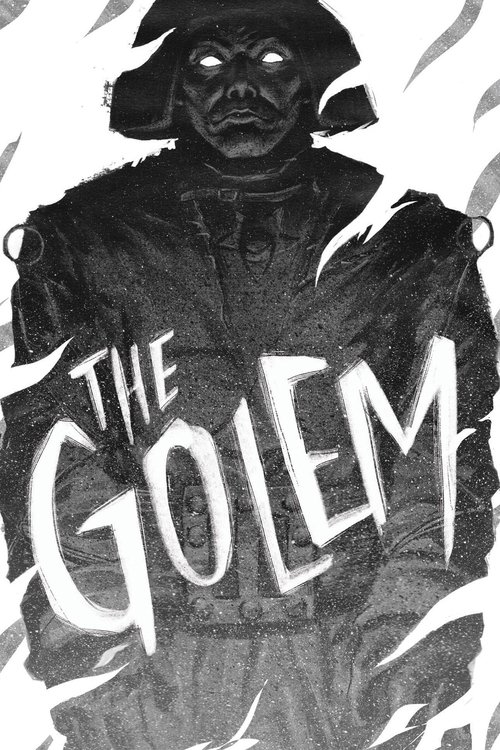
The Golem: How He Came into the World1920
A Czech-German film about a rabbi who creates a clay giant to protect his people. Gothic, sculptural, filled with medieval-nightmare imagery that predates horror cinema as we know it. Visually unforgettable.
But The mythology can feel obscure if you're unfamiliar with Jewish folklore, and the narrative sometimes bends toward the cryptic rather than the clear.
Battleship Potemkin1925
Eisenstein's revolutionary Soviet film uses montage like a weapon—every cut is a meaning-making collision. The Odessa Steps sequence is cinema history. A technical and political masterpiece that changed what film could do.
But It's agitprop, and the ideology wears openly. The political fervor can feel dated, and the formal techniques, though brilliant, can feel cold compared to emotionally warmer silent work.

Sunrise: A Song of Two Humans1927
F.W. Murnau's fusion of German Expressionism and Hollywood romance. A couple nearly destroyed by temptation finds their way back to each other across a dreamlike city. Gorgeous, strange, deeply human.
But The melodrama is thick and the visual symbolism can feel heavy-handed. It's also technically a sound film with a synchronized score, which some prefer to pure silence.

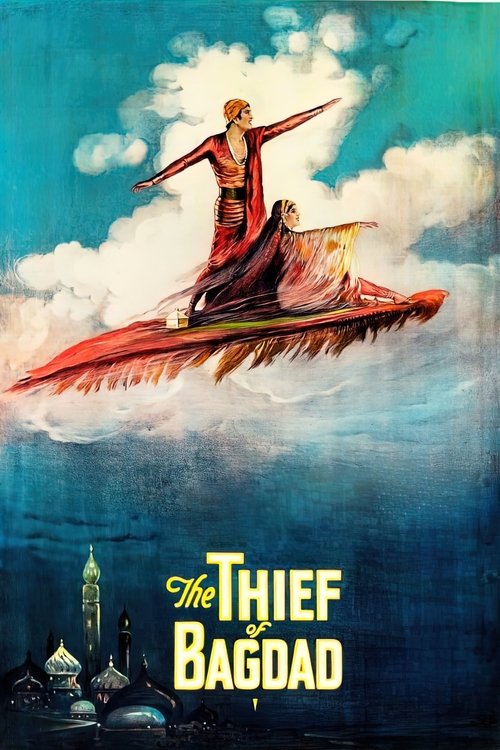
The Thief of Bagdad1924
Douglas Fairbanks swashbuckling through a magical Arabian fantasy with trick photography that still astonishes. Pure, joyful spectacle—imaginative and weightless in the best way.
But It's lighter than *Babylon* by design, and the exoticism comes with period attitudes that haven't aged gracefully. Some may find it thin compared to weightier silent dramas.
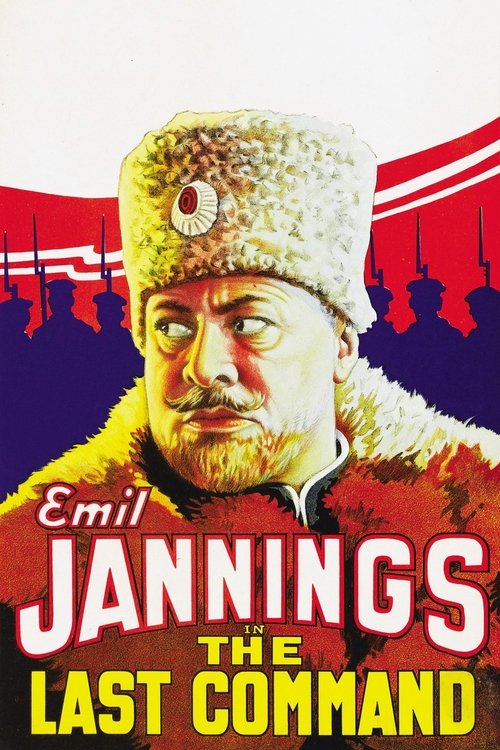
The Last Command1928
Emil Jannings (an imperial general reduced to playing bit parts) gives a devastating performance about exile, loss, and the cruelty of history. A minor film that contains major depth.
But It's quiet and interior in a way that can feel slow to modern viewers. The emotional payoff requires patience with the buildup.
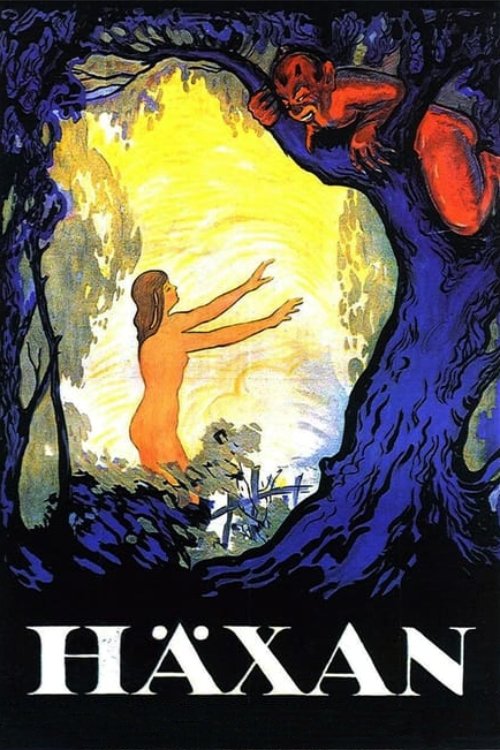
Häxan1922
A Swedish documentary-fantasia about witchcraft, superstition, and hysteria. Startling imagery, philosophical inquiry, and a tone unlike anything else from the era—educational and genuinely unnerving.
But The subject matter (torture, Satan worship, graphic suffering) is disturbing by design. It's also formally eccentric, mixing lecture, dramatization, and surrealism in ways that can feel jarring.
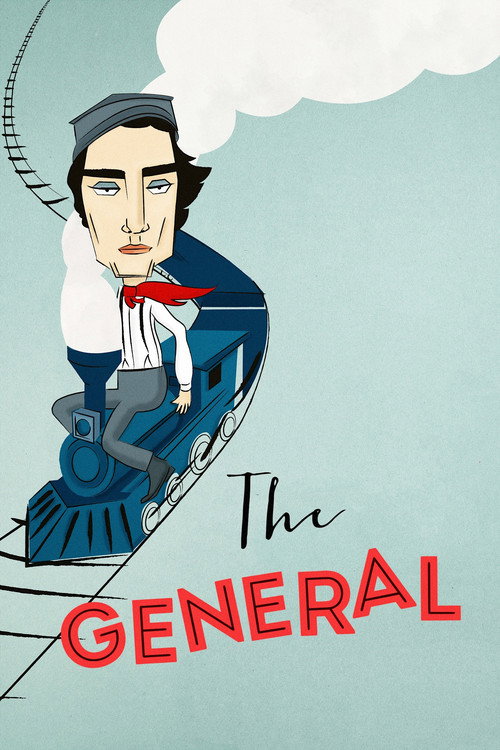
The General1926
A different answer to the same problem: how do you create personal stakes within monumental physical environments? *Babylon* subordinates character to architecture; *General* uses architecture as the character's equal partner. Both are love stories set against historical machinery.
Buster Keaton pilots a stolen steam locomotive through a Civil War landscape with mathematical precision and anarchic humor. Action, comedy, and stunts in perfect proportion. A man and a machine in mortal communion—serious and hilarious in the same breath.
But It's a comedy, not a drama. The heroic scale and visual grandeur serve comedy, not pathos, and the Civil War setting is backdrop rather than subject. If you want emotional weight over spectacle and laughs, look elsewhere.
People
Cast
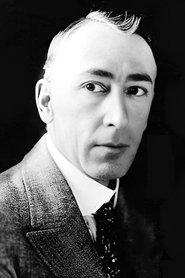 Tully MarshallHigh Priest of Bel
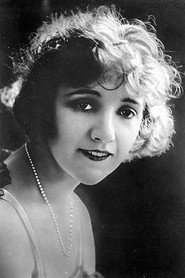 Constance TalmadgeThe Mountain Girl
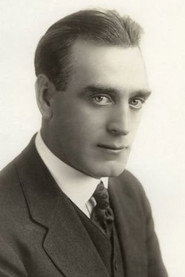 Alfred PagetPrince Belshazzar
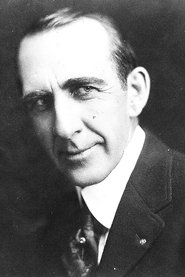 Carl StockdaleNabonidus, King of Babylonia
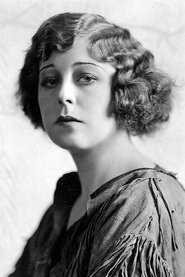 Seena OwenAttarea
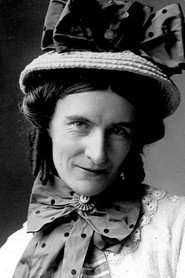 Loyola O'ConnorAttarea's Slave