
Film
Hula
A 1927 silent romance about desire and colonial entanglement in Hawaii. Clara Bow plays a plantation owner's daughter who pursues a married English engineer, and the film crackles with her charisma across the gorgeous island landscapes. It's a peek at what early cinema could do with a star who had genuine magnetism, though you're watching it now as much for Bow as for the romantic plot.
If you liked this
Sunrise: A Song of Two Humans1927
Murnau's masterpiece from the same year, equally breathtaking in its visual storytelling and emotional reach. A married couple on the brink of ruin, lush cinematography, and the kind of filmmaking that reminds you why silent cinema mattered.
But The pacing is deliberate and the melodrama is real; if you need plot momentum over atmosphere, it will test your patience.

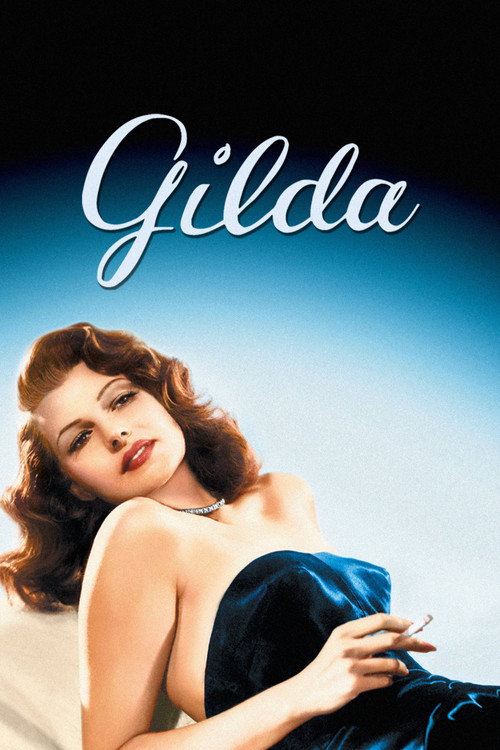
Gilda1946
Rita Hayworth in a role that defined screen magnetism: a woman whose presence alone destabilizes every man around her. Like Bow, Hayworth commands the frame with pure star power, and the film knows it.
But It's post-war noir, so the tone is darker and more cynical than the exoticism of *Hula*; the romantic fantasy has a harder edge.
Pandora's Box1929
Louise Brooks in Pabst's masterwork about a woman whose sexuality is her power and her doom. It's transgressive silent cinema at its peak, visually stunning and morally complicated in ways that still hit hard.
But It's bleaker and more tragic than *Hula*, and Brooks' character pays a higher price for her desire; the film doesn't sentimentalize.

Not sure tonight? Get a pick in a minute, starting from Hula
The wildcard
Something you would not have found on your own.
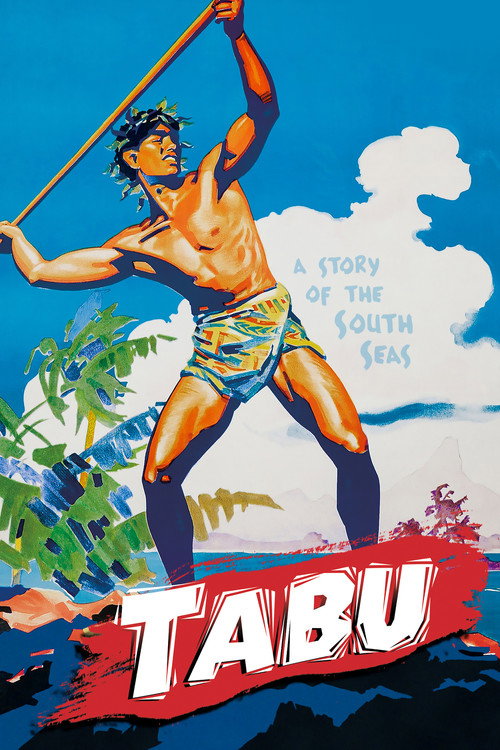
Tabu: A Story of the South Seas1931
Where *Hula* uses an island setting to amplify star magnetism, *Tabu* uses it to question desire and consequence; same location, opposite moral temperature.
F.W. Murnau's last film is a Polynesian romance that treats the islands not as exotic backdrop but as a place with its own rules and tragedies. Shot on location, visually rapturous, and melancholy in a way that deepens the colonial narrative.
But It's slower than *Hula* and less focused on star power; the romantic plot matters less than mood and atmosphere, and Western characters are sometimes secondary.
More like this (7)
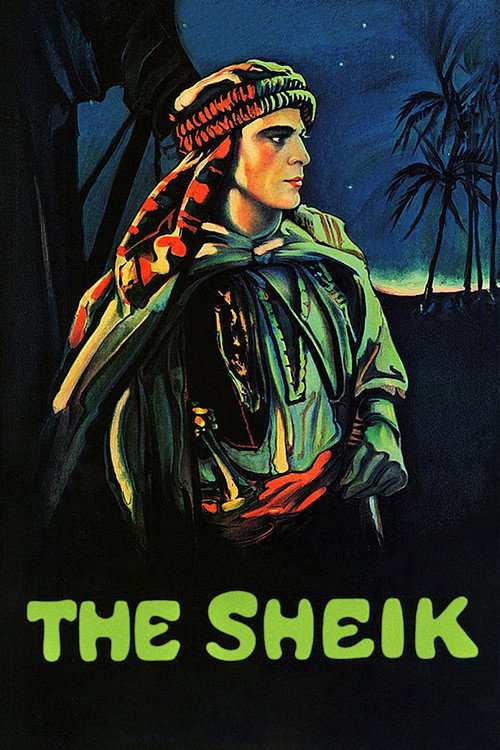
The Sheik1921
Rudolph Valentino in the film that defined exotic romance for a generation. Similar colonial fantasy setting, similar star-driven narrative, and a fascinating window into what audiences wanted to see in the 1920s.
But The racial and sexual politics are uncomfortable by any standard; it requires viewing as a historical artifact, not a modern romance.
The Phantom Carriage1921
Sjöström's Swedish masterpiece proves silent cinema could be profound. A man confronts his life through supernatural intervention; it's visually inventive and emotionally devastating in ways pure romance cannot reach.
But It's a moral ghost story, not entertainment—long, slow, and deeply serious about human redemption and regret.

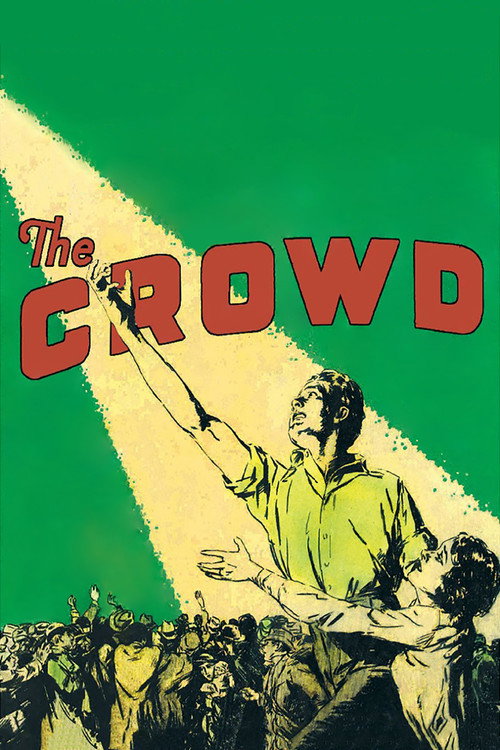
The Crowd1928
Vidor's devastating portrait of ordinary life and marriage in America. Less glamorous than *Hula* but infinitely more moving; it captures the texture of real disappointment with an almost documentary eye.
But There's no exotic escape here, no beautiful island, no larger-than-life star—just the quiet tragedy of routine and compromise.
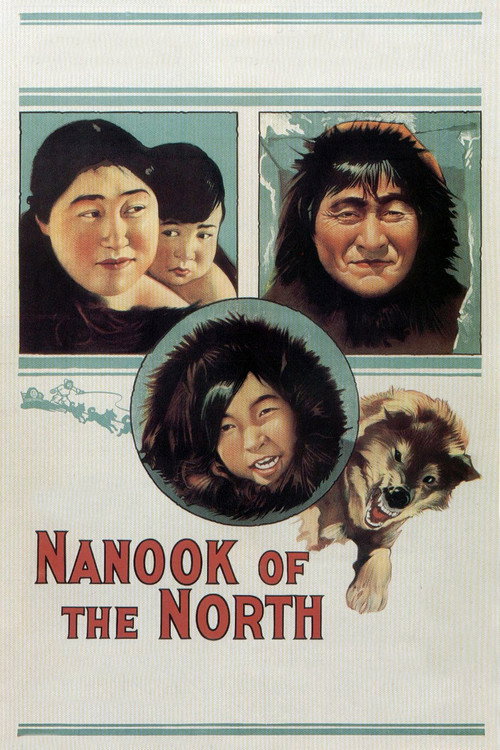
Nanook of the North1922
Flaherty's documentary about Inuit life in the Arctic is silent cinema's most radical achievement: real people, real landscape, real survival. It redefined what film could capture and what audiences would accept as drama.
But It's a documentary, not a narrative, and the famous staged sequences complicate its truth claims; the pacing is ethnographic, not romantic.
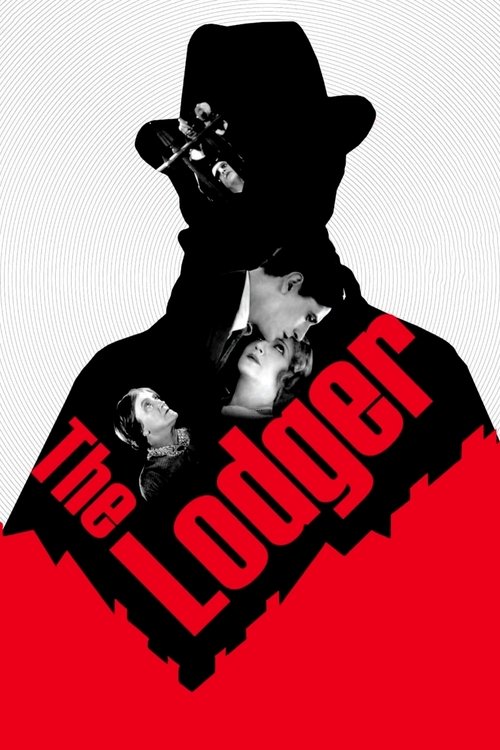
The Lodger: A Story of the London Fog1927
Hitchcock's first thriller, made the same year as *Hula*, is a masterclass in visual suspense. Silent cinema at its technical and narrative peak, proof that genre could be as artful as romance.
But It's urban and dark rather than exotic and romantic; if you want escape to Hawaii, this London fog story goes the opposite direction.
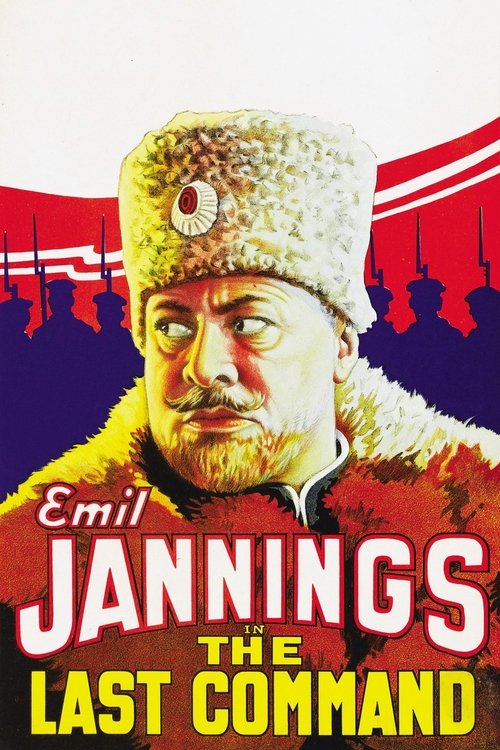
The Last Command1928
Sternberg directs Jannings in a film about a Russian general reduced to bit parts in Hollywood. It's cynical about the dream-factory itself and beautifully shot; a fascinating companion to *Hula*'s island fantasy.
But The tone is melancholic and ironic rather than sweeping; it's more interested in disillusionment than romance.
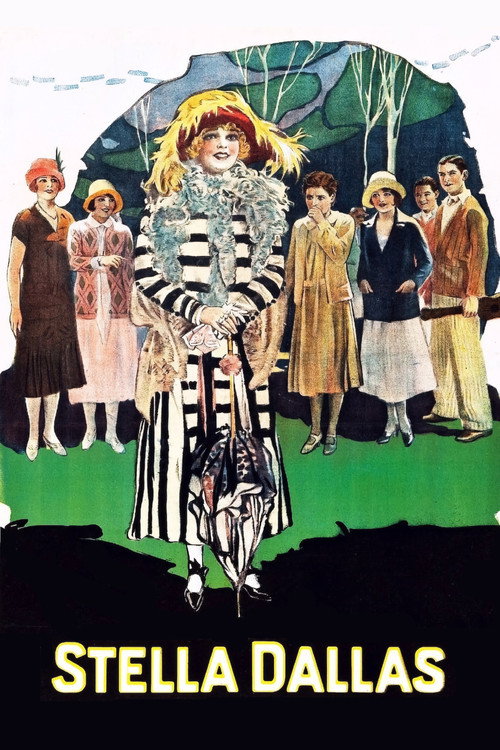
Stella Dallas1925
Both *Hula* and *Stella Dallas* are built around a charismatic female performance and the question of what desire and ambition cost a woman, but *Stella* suggests the cost is real and permanent, while *Hula* lets her off.
King Vidor's film about a working-class woman navigating marriage and motherhood across class lines. Belle Bennett gives one of silent cinema's greatest performances—like Bow, a star who communicates pure feeling without words, but her character pays real costs.
But It's melodramatic and slow by modern standards; the emotional beats are broad, and the ending asks you to accept genuine sacrifice rather than romantic triumph.
People
Cast
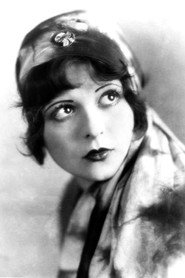 Clara BowHula Calhoun
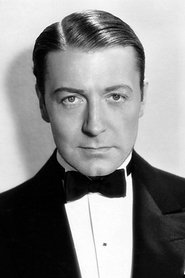 Clive BrookAnthony Haldane
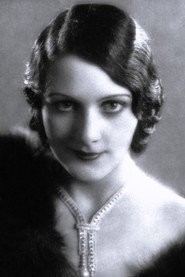 Arlette MarchalMrs. Bane
- Arnold KentHarry Dehan
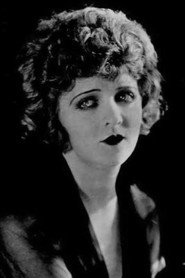 Miss DuPontMargaret Haldane
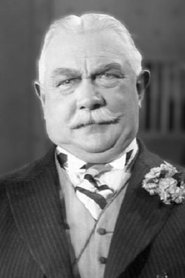 Albert GranOld Bill Calhoun
- Agostino BorgatoUncle Edwin
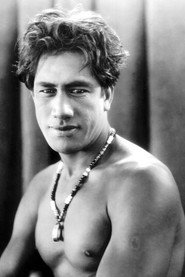 Duke KahanamokuHawaiian Boy (uncredited)
Directing
- Victor FlemingDirector
Writing
- Doris AndersonAdaptation
- Armene von TempskiNovel
- Doris AndersonWriter
- Ethel DohertyWriter
Production
- B.P. SchulbergExecutive Producer