
Film
Tabu: A Story of the South Seas
A 1931 silent drama set in Bora Bora where colonial desire collides with tribal tradition. F.W. Murnau's final film is visually intoxicating—lush, sensual, formally daring—but it's also uncomfortable: a white director's romanticised, colonised vision of the Pacific. Mesmerising and morally complicated in equal measure.
If you liked this
Sunrise: A Song of Two Humans1927
Murnau's masterpiece of visual poetry about a marriage on the edge of ruin. The camera work is revelatory—movement as emotion. If you respond to Tabu's formal beauty, this will devastate you.
But It's silent, black and white, and moves at 1920s speed. The melodrama is thick. Requires patience and attention.

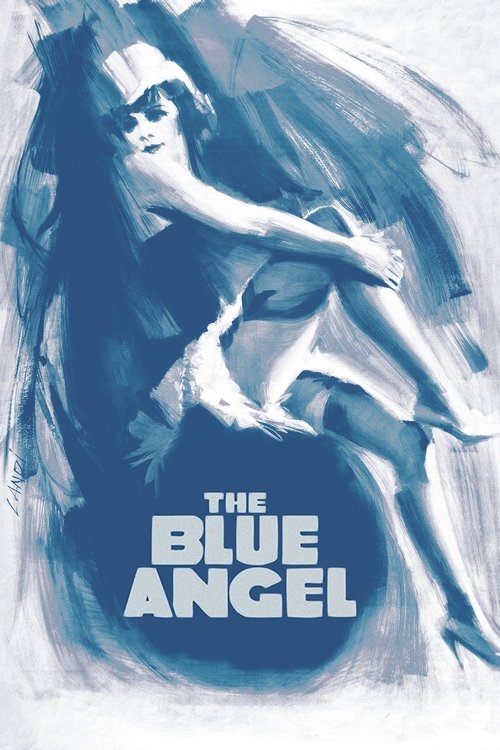
The Blue Angel1930
Marlene Dietrich and Emil Jannings in Weimar decadence. Desire, corruption, and the wreckage of obsession. The sensuality and doom feel kinship with Tabu's darker currents.
But The sexual politics are queasy by any standard. It's a film about a man's fantasy and a woman's destruction, played as tragedy.
Nosferatu1922
Murnau again—the expressionist nightmare that defined horror cinema. His mastery of shadow, space, and dread. Pure visual storytelling before Tabu's more romantic register.
But It's genuinely unsettling. The vampire's presence is creepy in ways that don't age into camp. Some find it slow; some find it perfect.

Not sure tonight? Get a pick in a minute, starting from Tabu: A Story of the South Seas
The wildcard
Something you would not have found on your own.
Moana2016
Both centre a young couple choosing love over tribal law, but Moana reclaims the narrative from the coloniser—it's the answer to Tabu's gaze, told from inside rather than outside.
A Polynesian story told by Polynesians, about duty versus desire and the ocean as character. Musically gorgeous, visually abundant, formally playful. What Tabu wanted to say about the Pacific, Moana actually lets the Pacific say.
But Disney animated musical. If you're sceptical of corporate storytelling, the polish and sentimentality will feel like sanitisation. Lighter in register than Tabu's darker pull.

More like this (8)
Intolerance: Love's Struggle Throughout the Ages1916
D.W. Griffith's epic ambition about love across time and culture. Massive sets, intercutting across centuries, visual grandeur that influenced everyone. Tabu shares its scale and romantic sweep.
But It's four hours. Griffith's politics are vile. The pacing is deliberate to the point of testing. The intertitles are relentless.

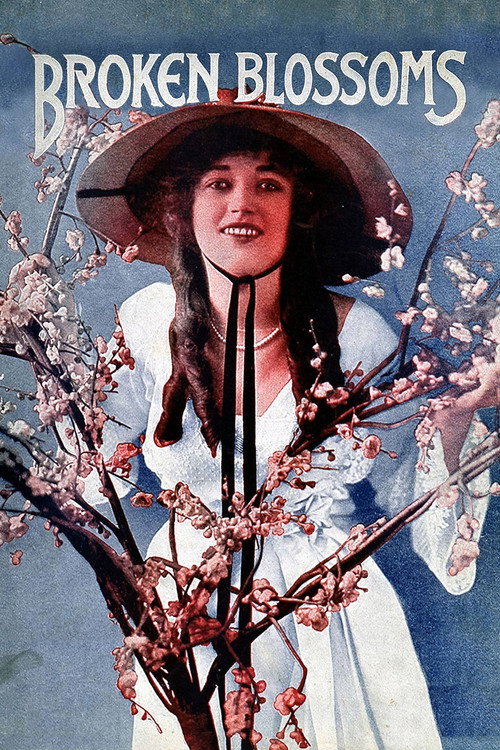
Broken Blossoms or The Yellow Man and the Girl1919
Lillian Gish and Richard Barthelmess in Griffith's heartbreaking study of forbidden love across racial lines. Intimate, tender, devastating. The visual restraint makes it modern-feeling.
But The romance is tragic by design. The film's treatment of its Asian character, though sympathetic for the era, is still mediated through a white gaze. Emotionally taxing.
The Phantom Carriage1921
Swedish ghost story of moral reckoning. Astonishingly inventive with double exposure and supernatural effects. A haunting meditation on choices, regret, and redemption shot through with visual poetry.
But It's melancholic and slow. The structure—a vision of past sins—can feel didactic. Not a film that rushes toward resolution.

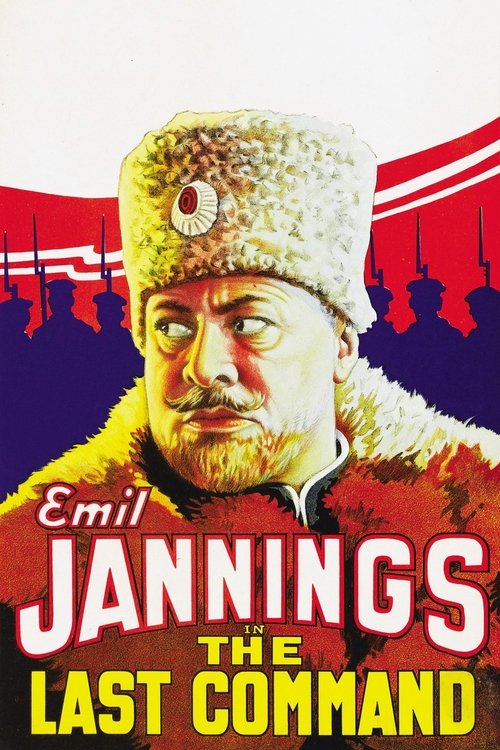
The Last Command1928
Emil Jannings again, brilliant and broken. A Russian general reduced to playing himself in Hollywood. Tragedy of exile and humiliation, formally inventive. Tabu's sense of displacement and loss echoes here.
But The melodrama is heavy-handed. Jannings' performance can feel overwrought. It's structured around his suffering in ways that can seem self-pitying.
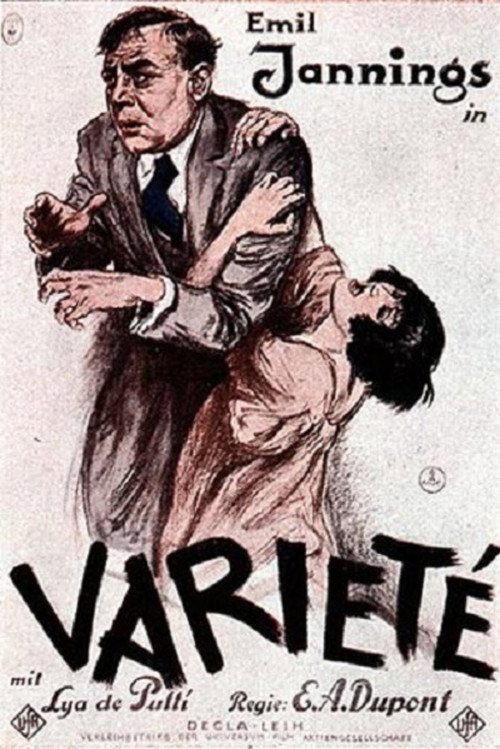
Variety1925
Ewald André Dupont's Berlin circus noir. Acrobatics, desire, betrayal. The camera moves like it's inventing movement itself—vertiginous, sensual, thrilling. A technical and emotional marvel.
But The plot—a love triangle ending in murder—is familiar melodrama. The visual effects can feel more impressive than the story. Some find the style overwhelming.
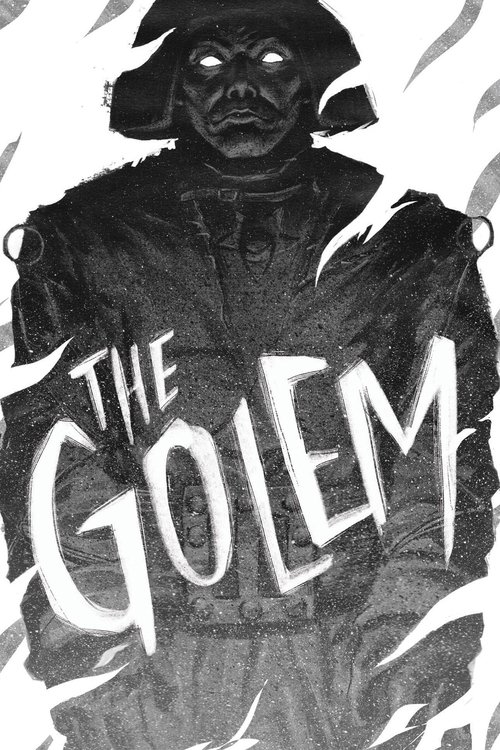
The Golem: How He Came into the World1920
Prague, the ghetto, a creature made to protect. Expressionist masterpiece with texture and shadow that prefigure horror cinema. A different visual language entirely, but the same formal ambition Murnau brought to Tabu.
But It's atmospheric over narrative. The plotting is secondary to mood. Long passages feel more like a visual essay than a story. Demands immersion.
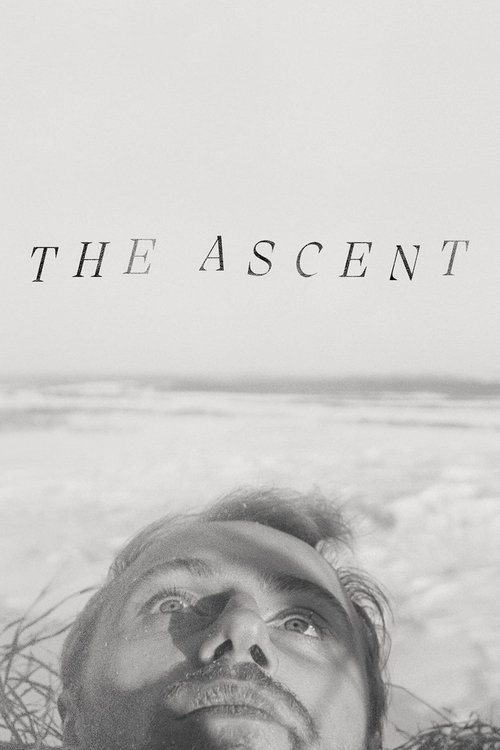
The Ascent1977
Both are silent-era films in spirit—visual storytelling that trusts the image to carry doctrine and emotion without dialogue. Both about bodies in landscapes pressed by fate.
Larisa Shepitko's devastating meditation on faith, martyrdom, and the cost of conviction. Two Soviet partisans on a snowy mountain. Formally austere, spiritually immense, shot in black and white that feels biblical. Humane and unsparing.
But It is bleak. The pacing is glacial. There is suffering without redemption. Running time feels longer than seventy minutes. Not entertainment; endurance with meaning.
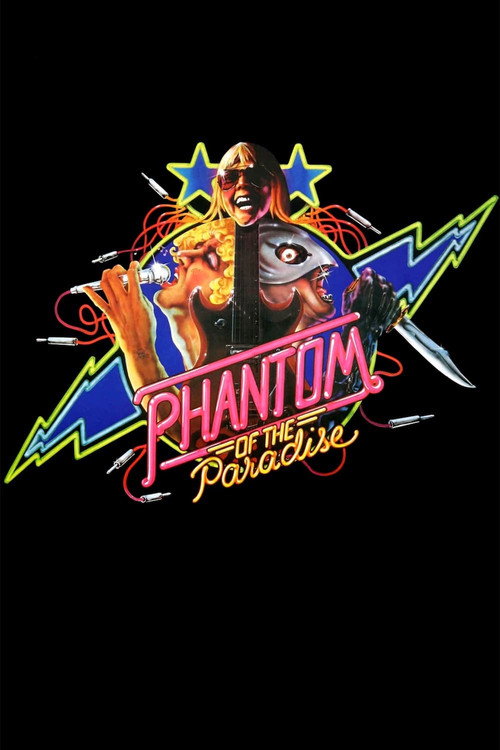
Phantom of the Paradise1974
Both use extreme visual style to tell a story about beauty destroyed by obsession and the grotesque cost of desire. Tabu is solemn about it; Phantom winks. Same engine, different fuel.
Brian De Palma's operatic, campy, visually baroque revenge saga. A tortured artist remade as a rock-and-roll creature. It's Murnau's melodrama translated into glitter, rock, and Hitchcockian suspense. Outrageously fun and genuinely eerie.
But It's a cult film that knows it's ridiculous. The tone is deliberately unstable—horror and kitsch sitting next to each other. If you want consistency, you'll be frustrated.
People
Cast
- MatahiThe Boy
 Anne ChevalierThe Girl (as Reri)
- Bill BambridgeThe Policeman (as Jean)
- HituThe Old Warrior
- JulesThe Captain (uncredited)
Directing
- Bill BambridgeAssistant Director
- David FlahertyAssistant Director
- F. W. MurnauDirector
Writing
- Edgar G. UlmerScreenplay
- F. W. MurnauScreenplay
- Robert FlahertyScreenplay
Production
- David FlahertyAssociate Producer
- F. W. MurnauProducer
- Robert FlahertyProducer
- Edgar G. UlmerProduction Manager