
Film
The Fight for the Matterhorn
A silent mountain drama from 1928 about competing expeditions to summit the Matterhorn, pitting British ambition against Italian pride. Gorgeously composed for the era, it captures both the sublime terror of high-altitude climbing and the human rivalries that fuel obsession. Essential viewing for anyone interested in cinema's visual language or the history of adventure film.
If you liked this
Nosferatu1922
A masterpiece of German expressionism contemporary with this film—stark, atmospheric, visually inventive in ways that influenced everything after. Silent cinema at its most artistically daring and hypnotic.
But The pacing is glacial by modern standards, and the story (a vampire plague) may feel melodramatic. Requires patience and tolerance for intertitles.

Sunrise: A Song of Two Humans1927
F.W. Murnau's masterwork uses camera movement and production design to create emotional depth without dialogue. Proof that silent film could be as psychologically sophisticated as any sound picture.
But Formally ambitious in ways that can feel slow or arch. The romantic melodrama may strike some as overwrought by contemporary taste.

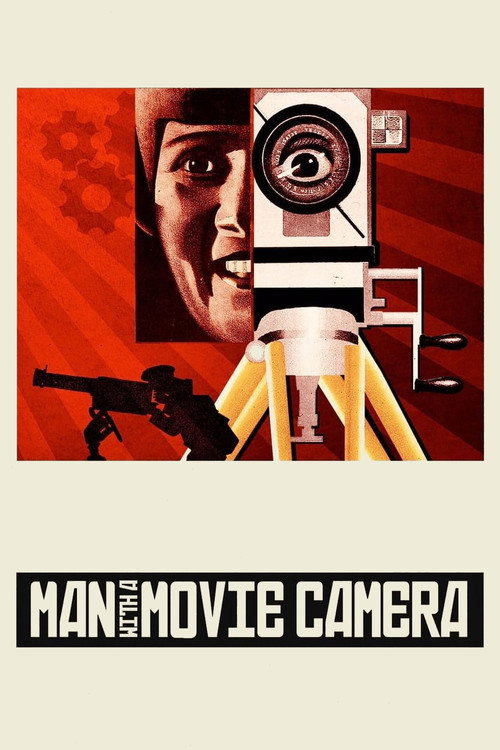
Man with a Movie Camera1929
Dziga Vertov's extraordinary documentary about urban life is a technical and artistic marvel—fast, rhythmic, visually inventive, and a window into late-Soviet society. Pure cinema, no narrative required.
But Avant-garde in structure and pacing. No plot or characters to follow—it demands active viewing and rewards curiosity, but alienates passive viewers.
Not sure tonight? Get a pick in a minute, starting from The Fight for the Matterhorn
The wildcard
Something you would not have found on your own.
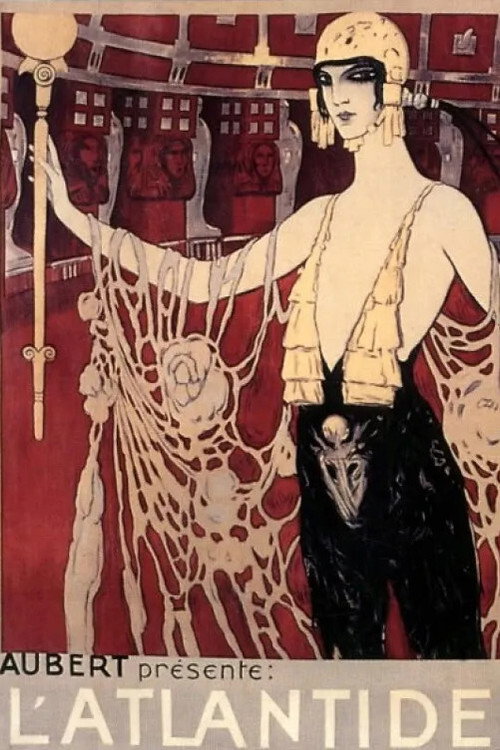
L'Atlantide1921
Both are European mountain/wilderness adventures from the 1920s shot on location with practical effects. Both use landscape as protagonist and visual drama as primary storytelling.
Feuillade's lost-world adventure—lavish, weird, formally adventurous—was a direct influence on mountain films and adventure cinema. Gorgeously composed, with a tone that veers between reverence and pulp. Rediscovered and restored, it's remarkable.
But Episodic and hallucinatory; the plot meanders deliberately. Prints vary in quality, and the sexual politics are of its era in uncomfortable ways. Not a plot engine.
More like this (8)
Intolerance: Love's Struggle Throughout the Ages1916
D.W. Griffith's epic interweaves four historical stories across centuries to argue against injustice. Visually audacious, emotionally complex, and an ancestor of everything you're about to watch.
But Nearly four hours long. The editing and cross-cutting, revolutionary then, can feel choppy now. Some attitudes reflect their era uneasily.

Battleship Potemkin1925
Eisenstein's revolutionary Soviet montage-masterpiece about mutiny, with sequences (the Odessa Steps) that remain viscerally powerful. Lean, urgent, and endlessly influential on how film tells stories.
But Propagandistic in intent and sometimes didactic in feel. The political messaging can overshadow character, and the pacing rewards focused, patient attention.

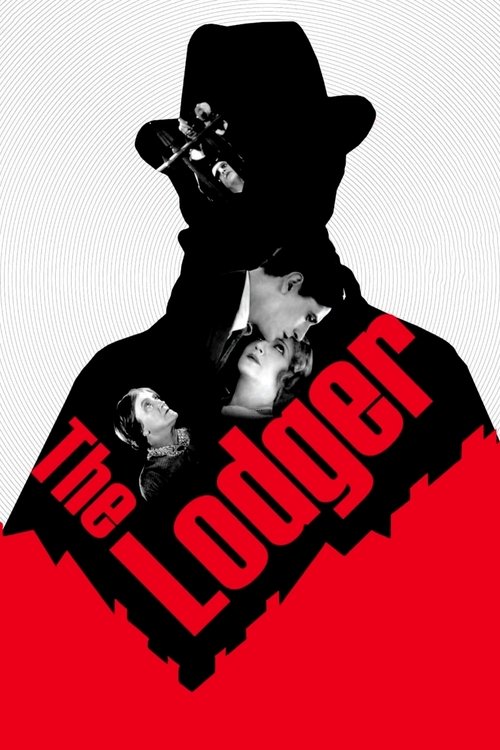
The Lodger: A Story of the London Fog1927
Hitchcock's silent thriller about a suspected serial killer lodging in a London house. Tense, suspenseful, and visually inventive—Hitch establishing grammar he'd use for sixty years.
But The plot is slight by modern standards, and without sound the performances can read as theatrical. The atmosphere matters more than plot momentum.
The Phantom Carriage1921
Sjöström's Swedish ghost story is haunting, philosophically ambitious, and visually inventive. A meditation on redemption and memory that transcends its fantastical premise with real emotional weight.
But Slow-burn in the extreme, and the social context (Salvation Army moralizing) may feel heavy-handed. Demands sympathy with 1920s sentimentality.

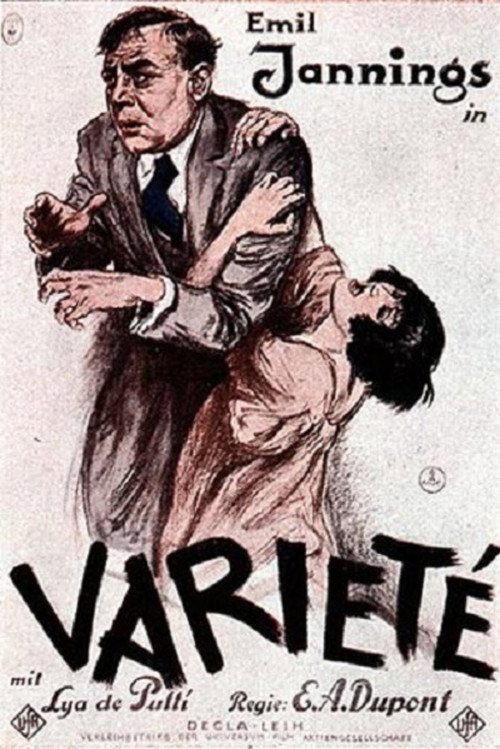
Variety1925
E.A. Dupont's circus drama is formally dazzling—innovative camera work, dynamic editing, genuine suspense. A thrilling story told through visual storytelling at its finest.
But The plot (betrayal, murder, circus rivalry) is melodramatic. Some intertitles feel clunky, and the emotional register can shift abruptly.
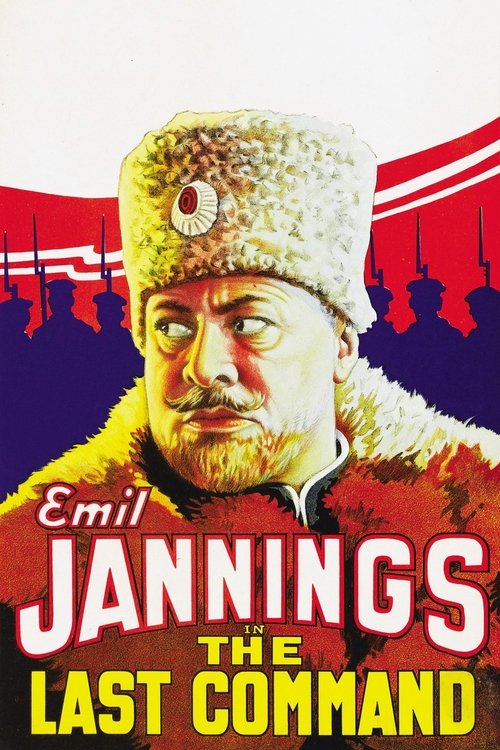
The Last Command1928
Sternberg's Russian Revolution drama, starring Emil Jannings, is gorgeously lit and psychologically nuanced. A haunting study of memory, displacement, and performance that deepens with rewatching.
But Deliberately paced and melancholic. The narrative frame feels remote, and without understanding Russian history the subtext may pass undetected.
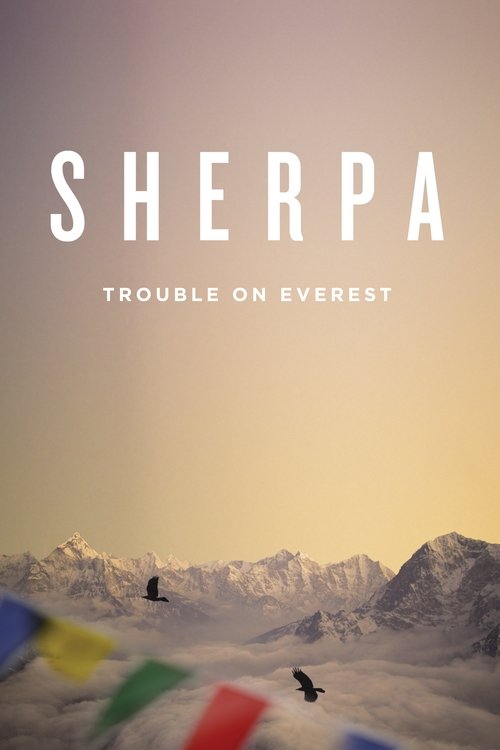
Sherpa2015
Both grapple with the human cost of summiting—the ambition, the death, the class dynamics. Where *Matterhorn* celebrates the conquest, *Sherpa* interrogates who pays for it.
A documentary about the 2014 Everest avalanche that killed sixteen Sherpas. Raw, political, and furious—it centers the Sherpa perspective on risk, labor, and colonial exploitation in mountain climbing. Devastating and necessary.
But Gut-wrenching. Real death, real grief, real anger. Some may find it exploitative; others essential. Not entertainment in the traditional sense.
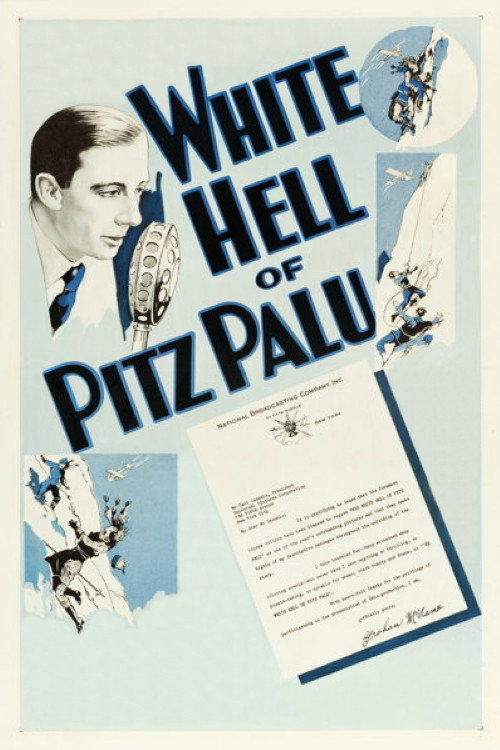
The White Hell of Pitz Palu1929
Both are Germanic mountain films obsessed with technical detail, landscape beauty, and human will against nature. *Pitz Palü* is what the form became when sound arrived—louder, but not necessarily better.
Pabst's sound film (just arriving as *Matterhorn* was silent) about climbers stranded on a glacier is a direct heir to the German mountain-film tradition. Visually magnificent, suspenseful, shot on actual glaciers with authentic hazard.
But The dialogue is minimal and in German. The romantic plot feels dated. Early sound technology means dialogue is sometimes muddy and intertitle-heavy despite the sound film format.
People
Cast
 Luis TrenkerJean-Antoine Carrel
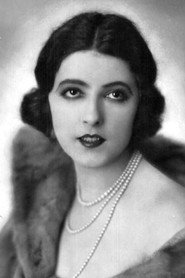 Marcella AlbaniFelicitas, Wife of Carrel
- Alexandra SchmittMother of Carrel
- Clifford McLaglenGiaccomo
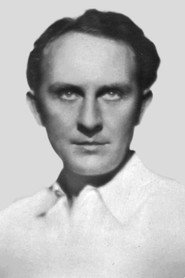 Peter VoßEdward Whymper
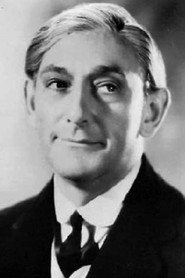 Paul GraetzMeynet
- Johanna EwaldWife of Meynet
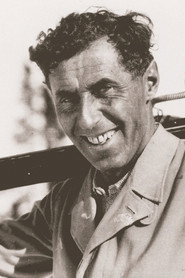 Hannes SchneiderCross
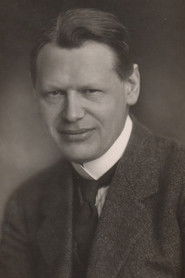 Ernst PetersenHadow
- Hugo LehnerHudson
- LuggiLord Douglas
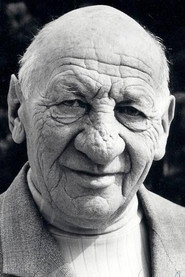 Heinrich GretlerSeiler, Hotelwirt
Directing
- Luis TrenkerDirector
- Mario BonnardDirector
- Nunzio MalasommaDirector
Writing
- Carl HaenselNovel
- Arnold FanckWriter
- Nunzio MalasommaWriter
Production
- Luis TrenkerLocation Manager
- Victor SkutezkyLocation Manager
- Artur HohenbergProducer
- Moisy MarkusProducer
- Stefan MarkusProducer
- Luis TrenkerUnit Manager
- Victor SkutezkyUnit Manager